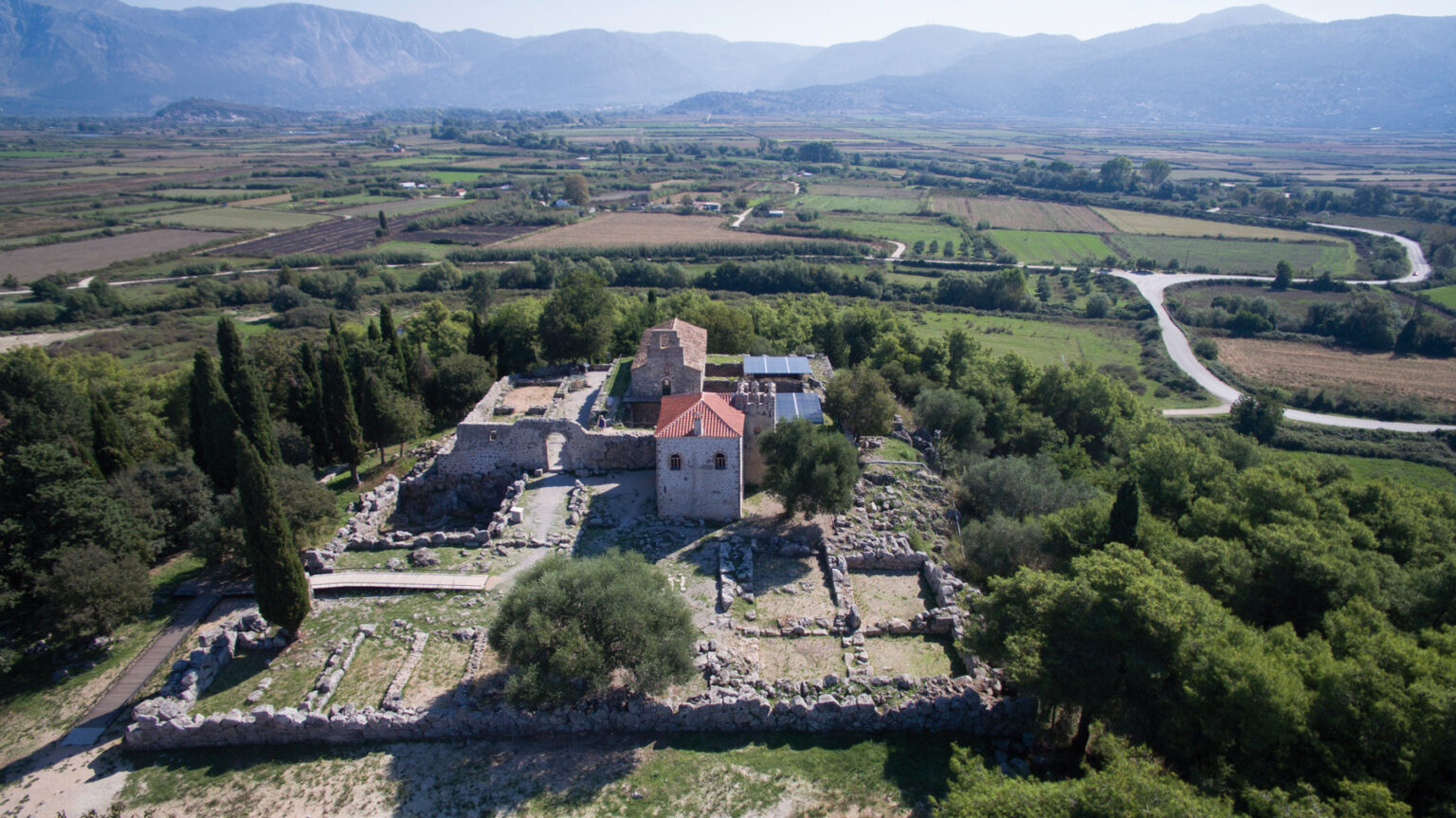


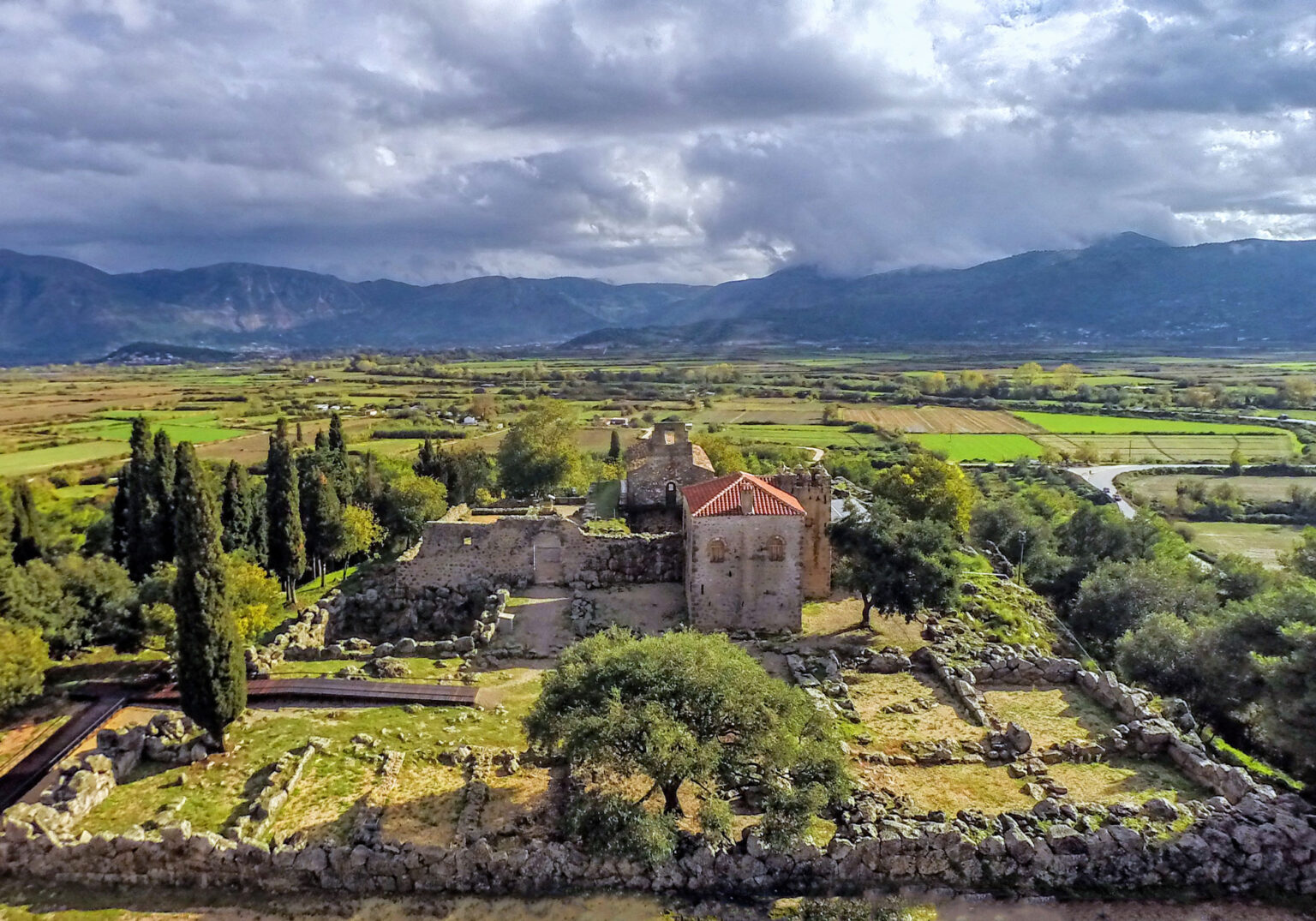
Enveloped in a cloak of mysticism, the Necromanteion of Acheron was one of the most famous ancient oracles.
Worshippers were not just seeking predictions of the future here. They arrived in search of a way to communicate with the souls of their dearly departed.
When Homer recounts Ulysses’ descent into the Underworld in order to obtain an oracle from the blind seer Tiresias for his return home, he records the location of the Necromanteion with remarkable accuracy, where the River Acheron merges with its tributaries, Kokytos and Pyriphlegethon, on the bank of Lake Acherousia. According to legend, Lake Acherousia was the entrance to Hades; although it no longer exists, as it was drained during the 1950s, the place retains its mystical aura intact.
The Necromanteion was built during the Hellenistic period (late 4th-early 3rd century BC) and was later expanded to accommodate the ever-increasing number of pilgrims, operating continuously until it was burned down by the Romans in 167 BC. The complex layout of the site, with warehouses for the offerings and multiple rooms for accommodation and preparation leading to the main sanctuary, served the ritual perfectly, a series of tests intended to put worshippers into a vulnerable state that would facilitate hallucinations: physical and mental purification, a strict diet, the consumption of special herbs and sacrifices, combined with the priests’ chanting, the darkness and the suggestive atmosphere of the endless corridors.
The priests, however, left nothing to chance. In order to ensure the effectiveness of their rituals, they would present human effigies – “idols” of souls – to the worshippers, with the help of mechanisms similar to those used in the ancient theatre! Even without this special set-up, it is certain that the Necromanteion will give you chills, especially when you visit the underground crypt carved into the rock, where the dark palace of Persephone and Hades was located.
However, we should also consider the possibility that this monumental complex was a fortified farmhouse of the Hellenistic period. This interpretation is reinforced by the numerous agricultural tools and iron fittings discovered on location, which may not belong to a lifting mechanism for the display of human effigies, but to seven small catapults.
Directions
Mesopotamos, 48062
On foot
5 minutes from the settlement of Mesopotamos
By car
40 minutes from the city of Preveza
Opening hours
Summer hours
April 1 – October 31
Daily: 08:00 – 20:00
Winter hours
November 1 – March 31
Daily: 08:30 – 15:30
Last admission: 20 minutes before closing time
The site remains closed on the following dates and public holidays: January 1, March 25, May 1, Easter Sunday, December 25 & 26.
The site remains closed on the following dates and public holidays: January 1, March 25, May 1, Easter Sunday, December 25 & 26.
Tickets
Full: €10.00
Reduced: €5.00
Admission is free on March 6, April 18, May 18, the last weekend of September, on October 28, as well as on the first and third Sunday of each month between November 1 and March 31.
Amenities
WC
Parking
Accessibility
Contac
Guardhouse of the Archaeological Site of the Nekromanteion
Τ: +30 26840 41206
Ephorate of Antiquities of Preveza
Τ: +30 26820 89890
Ε: efapre@culture.gr