

Much celebrated in the Homeric epics and featuring in the tragedies of the Classical era, Mycenae “rich in gold” was founded by Perseus, son of Zeus, and Danae, and is the most prominent palatial centre of the Late Bronze Age in Greece.
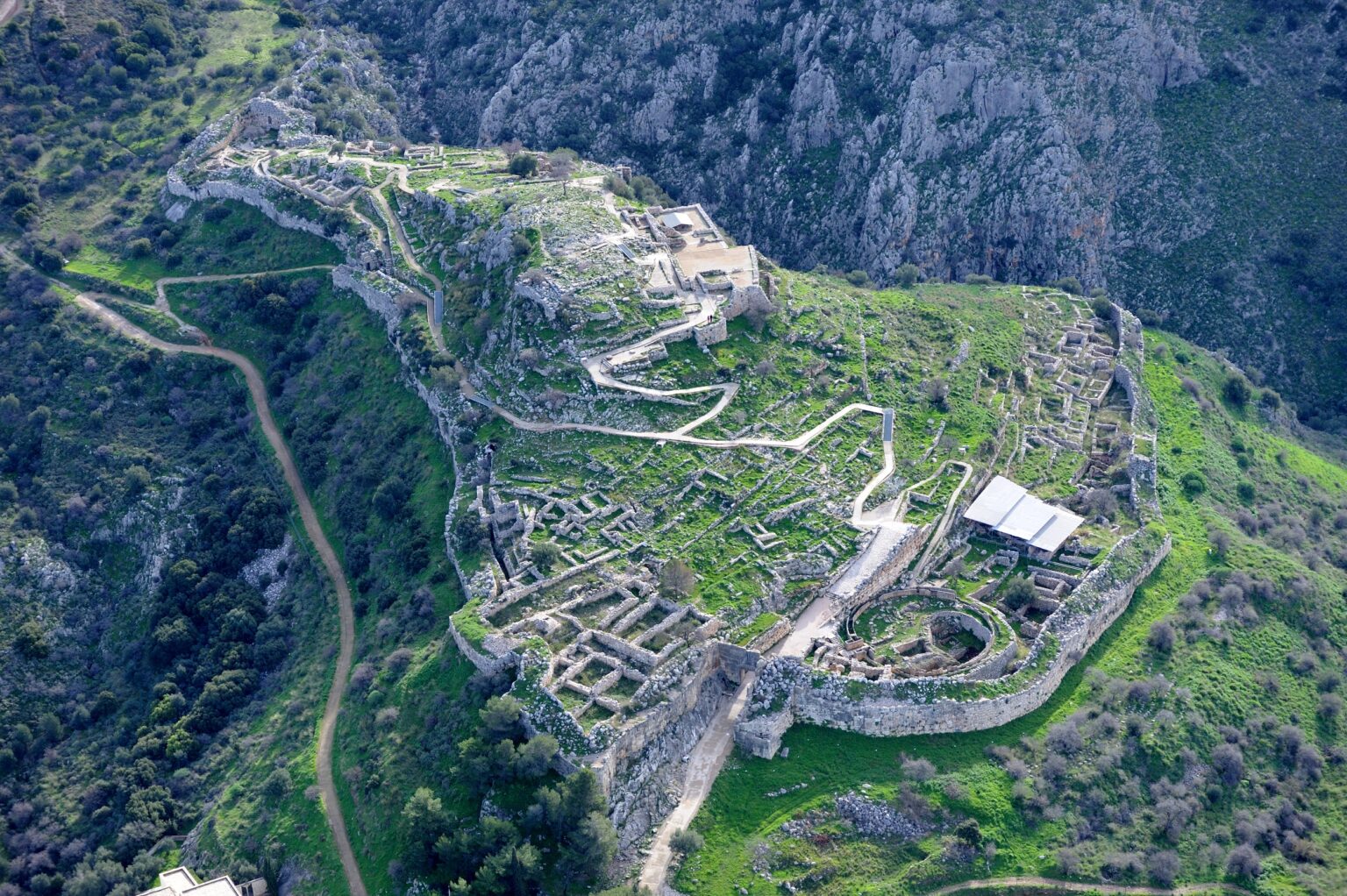
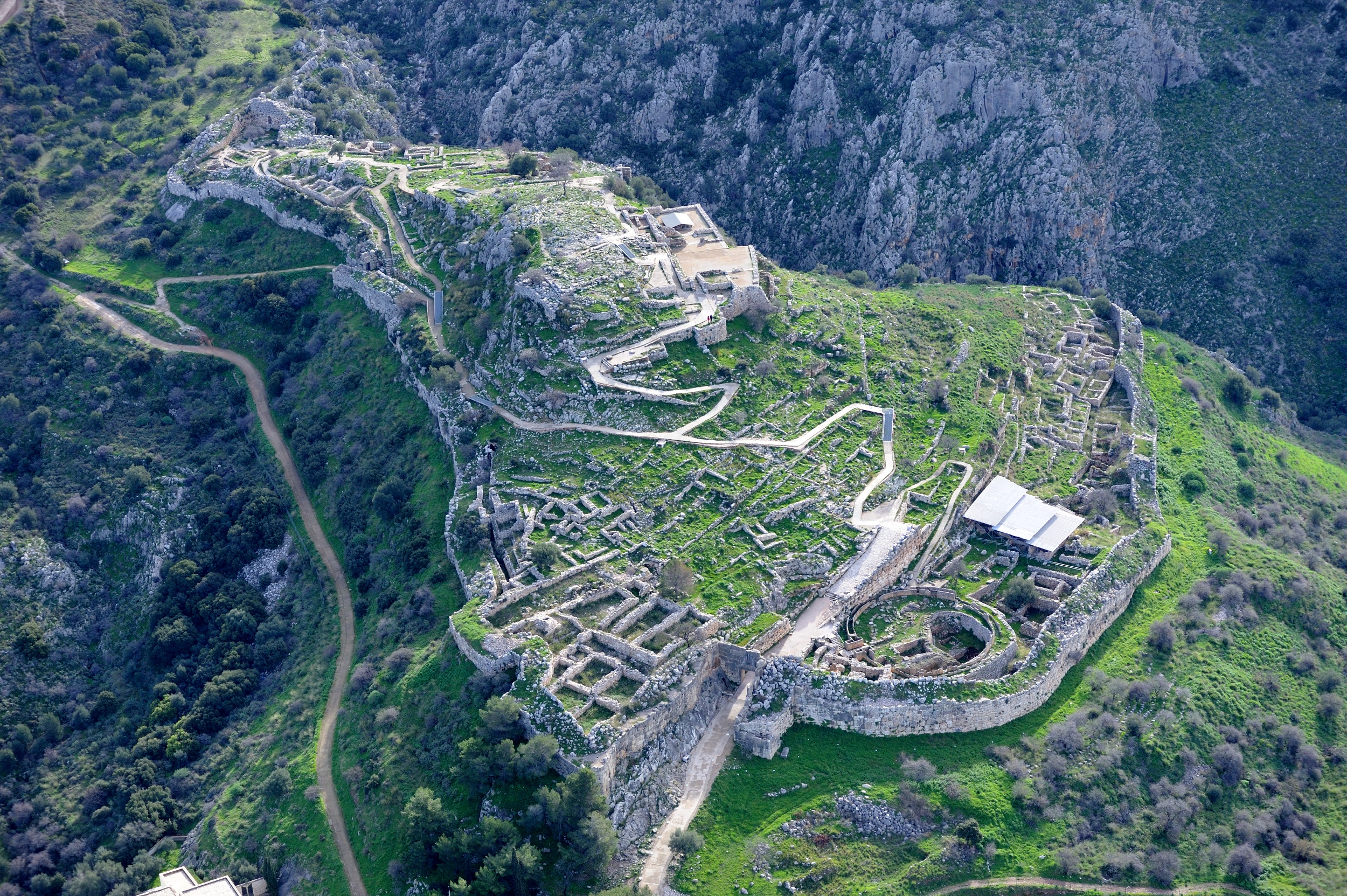
Although traces of habitation from as early as the Neolithic period (7000 BC) do exist, Mycenae reached its heyday during 1350-1200 BC. It was then that the palaces, buildings and sanctuaries of the settlement, the fortification of the acropolis by means of the renowned Cyclopean walls and the famous Lions’ Gate, as well as the masterfully constructed tholos tombs, started being built.
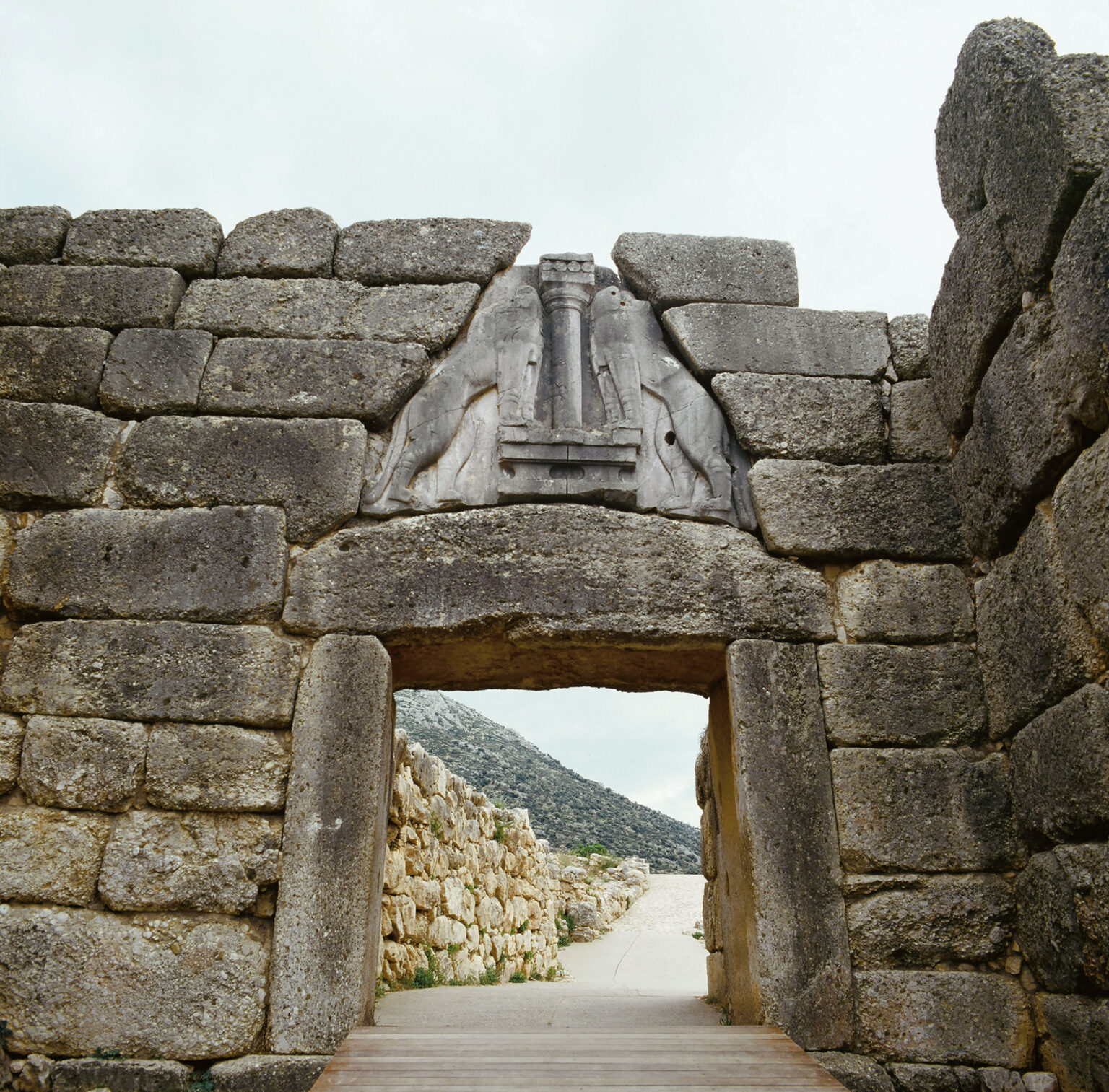
The megalithic walls still impress the visitor today. It is no wonder that legend has it that Perseus commissioned the Cyclopes, mythical creatures from Asia Minor, to erect them. Around the middle of the 13th century BC, the magnificent Lions’ Gate was constructed. Perhaps the most iconic monument of Mycenae, it crowns the central gate to the acropolis with two lions in relief facing each other in perfect symmetry, while standing on a biconcave altar.
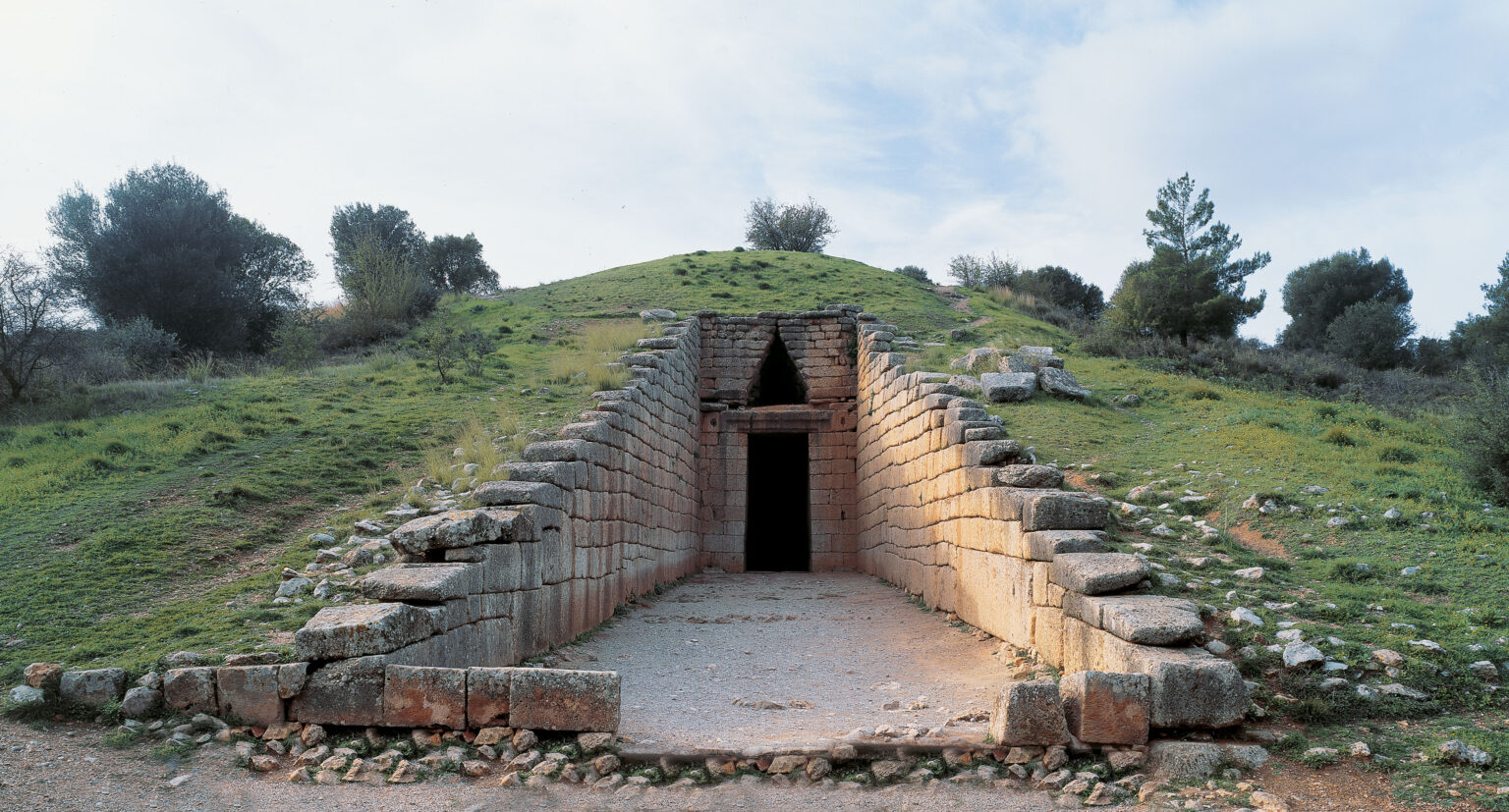
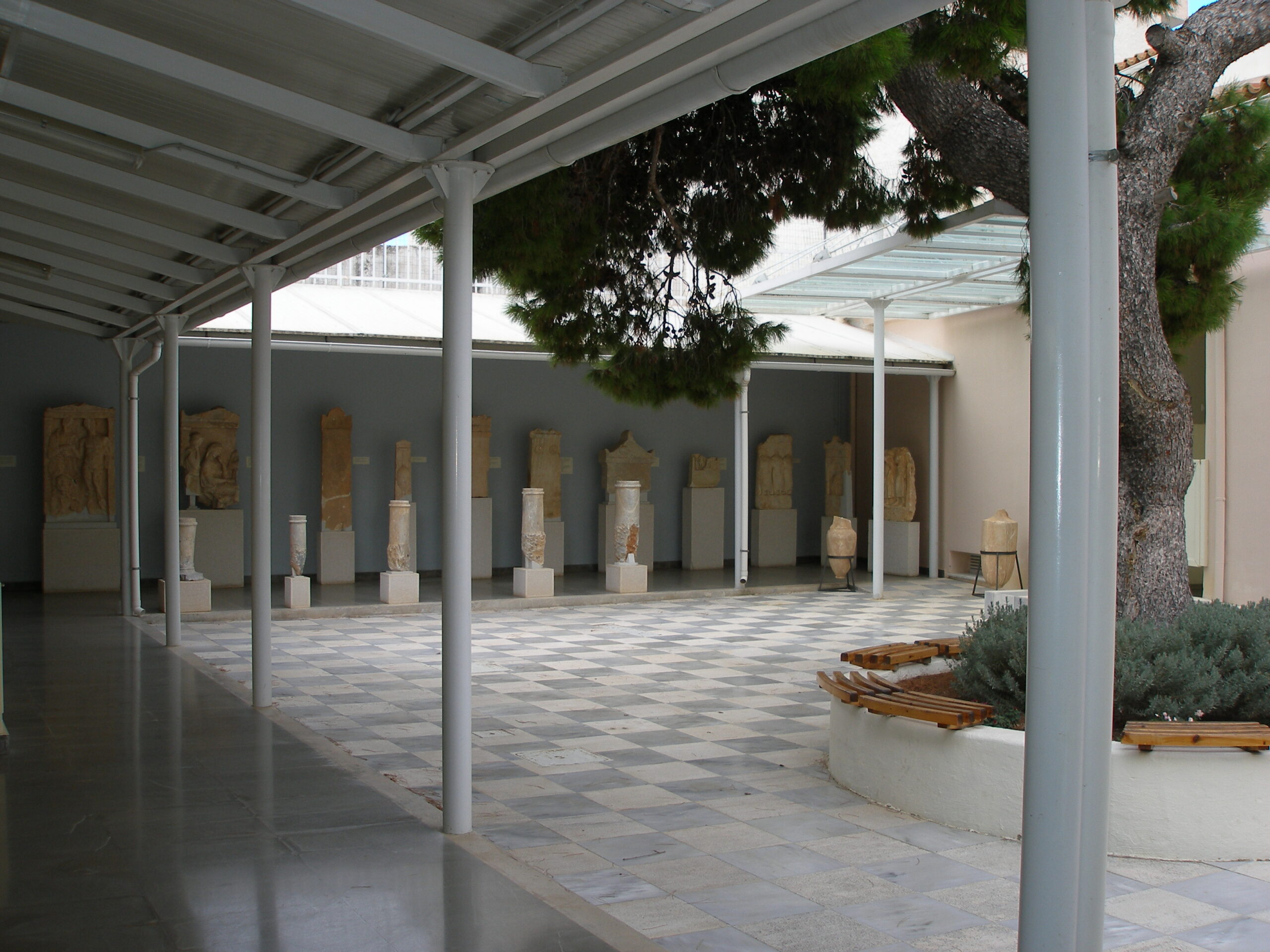
The excavations of Heinrich Schliemann, in 1876, unearthed a group of graves in a circular enclosure, the Grave Circle A, with numerous valuable finds from the Early Mycenaean Age, i.e. intricate jewellery, vases and weapons, as well as the golden mask of Agamemnon, all of which are currently on display at the National Archaeological Museum in Athens, while other significant finds can be viewed at the Archaeological Museum of Mycenae, located within the archaeological site.
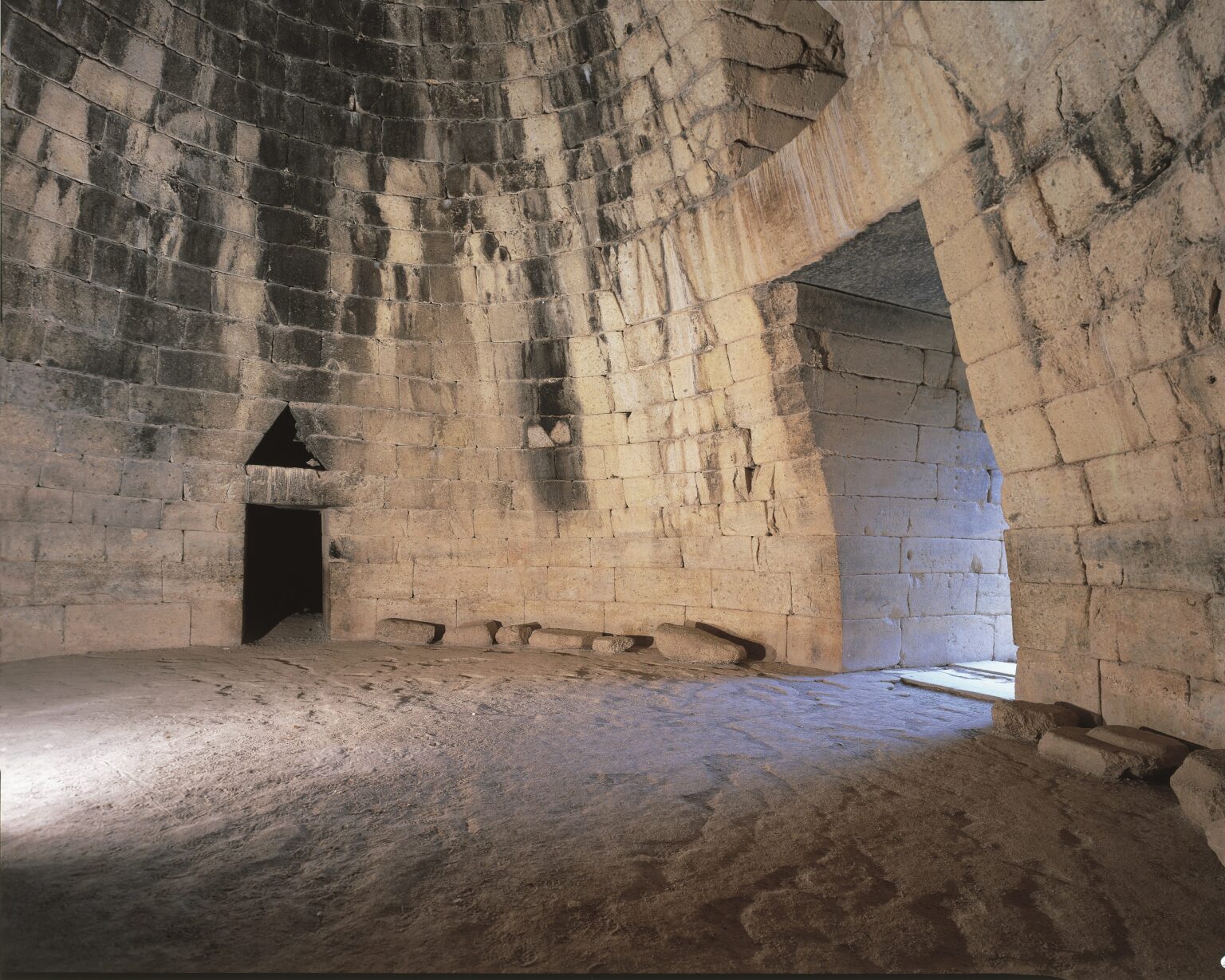
The wealth of burial finds in Mycenae led to the conclusion that the corresponding burials belonged to members of the royal dynasty. Most striking of all, the Tholos Tomb of Atreus is the most splendid funerary monument of Mycenaean culture. Also known as the Treasury of Atreus or the Tomb of Agamemnon, it most probably belonged to neither of the two mythical rulers of the Mycenaean dynasty, but the name given to it by Schliemann has been preserved, contributing to its fame.
This takes nothing away from the awe that one feels when passing through the majestic entrance with its 120 tonne stone lintel and finding oneself inside, a huge dome of 13.5m in height and 14.5m in diameter. Though almost nothing of its original contents survives, as the tomb had already been looted by the 2nd century AD, sections of the relief decoration of its façade are kept in the National Archaeological Museum and the British Museum.
Opening hours
April 1 – April 30
Daily: 08:00 – 19:00
May 1 – August 31
Daily: 08:00 – 20:00
September 1 – 15
Daily: 08:00 – 19:30
September 16 – 30
Daily: 08:00 – 19:00
October 1 – 15
Daily: 08:00 – 18:30
October 16 – 31
Daily: 08:00 – 18:00
November 1 – 30
Daily: 08:00 – 17:00
December 1 – March 31
Daily: 08:30 – 15:30
The site remains closed on the following dates and public holidays: January 1, March 25, May 1, Easter Sunday, December 25 & 26.
Tickets
Full: €20.00
Reduced: €10.00
Amenities
Contact
Ephorate of Antiquities of Argolis
T: +30 27520 27502
E: efaarg@culture.gr