

Opening hours
View Hours

Arta, GR
Get Directions
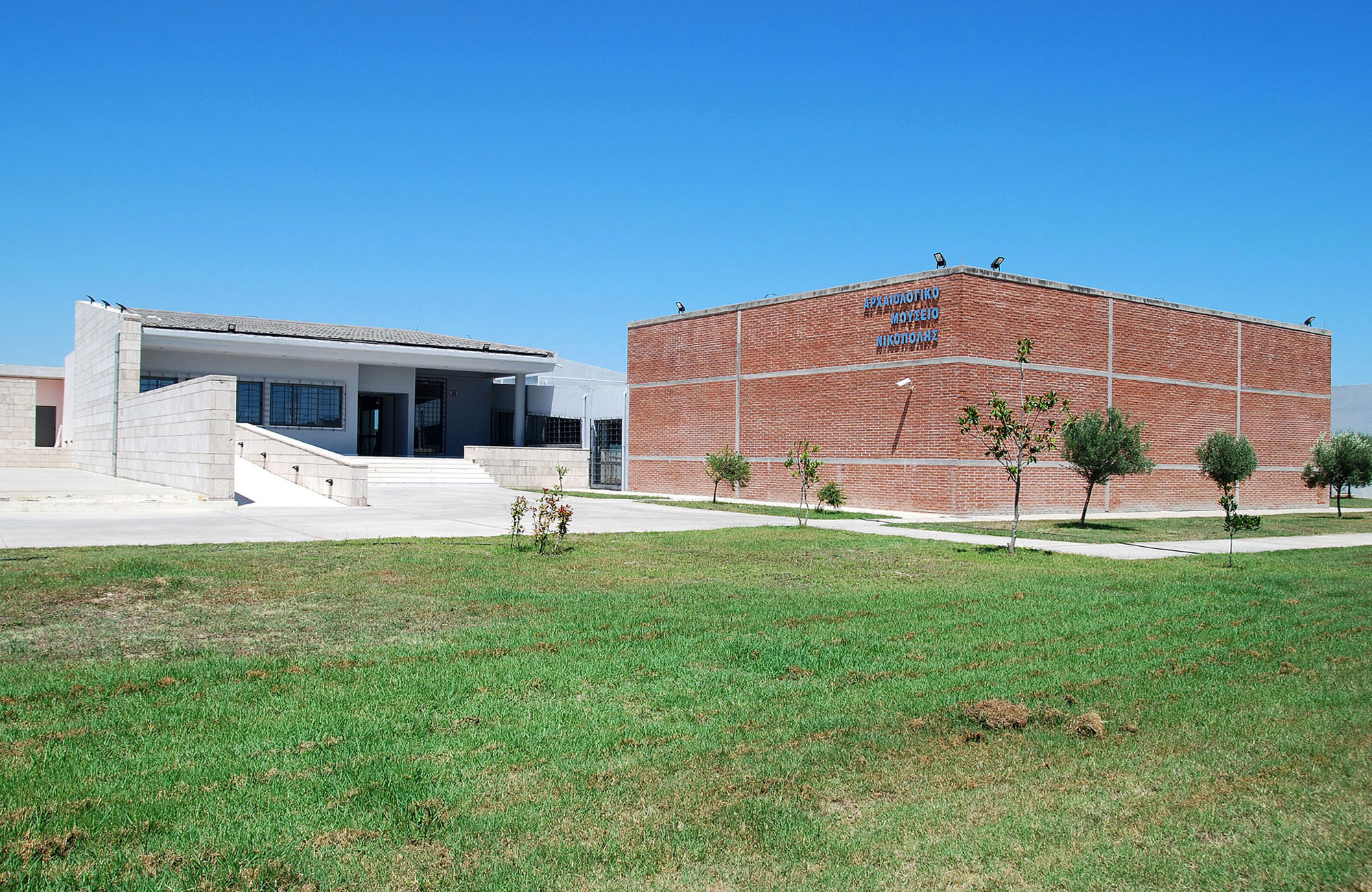
The Archaeological Museum of Arta is only a short distance away from the legendary stone bridge of Arta, over the Arachthos River.
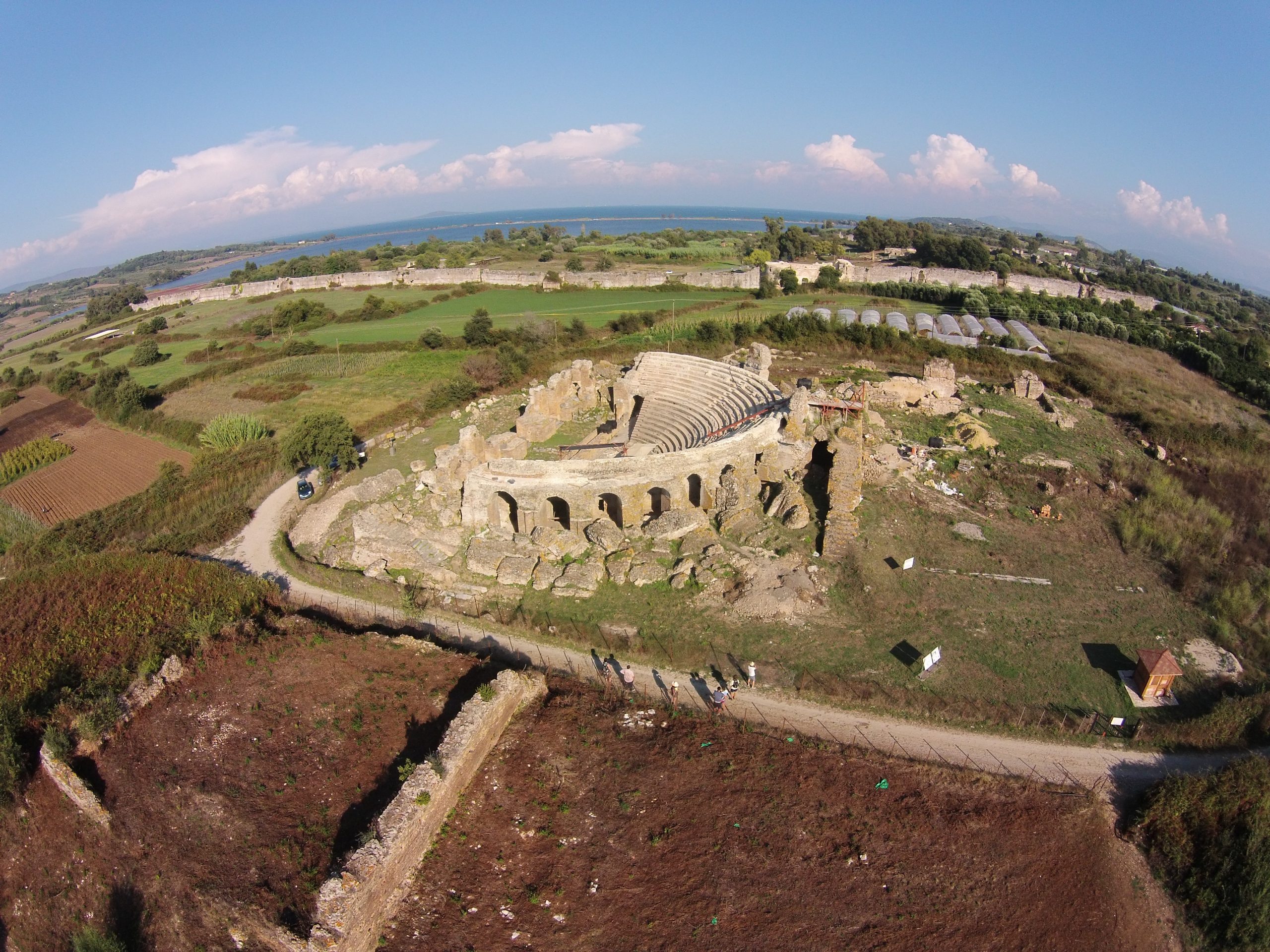
It holds finds from various periods, ranging from the Archaic to the Roman era, tracing the history of Ambracia, an important Corinthian colony that developed on the site of modern-day Arta.
Archaeological excavations and scholarly research began in 1897, when the discovery of two impressive cemeteries in the ancient city of Ambracia attracted international attention. In 1916, the Koudounotrypa Cave was revealed as the place of worship of the Nymphs, Hermes, Pan, the Sileni and the Satyrs.


The Museum’s exhibits are organized into three sections: public life in the urban center of the ancient city, known as “en demo”, the cemeteries of Ambracia under the catch-all title “en tapho”, and the residential life of the inhabitants, known as “en oiko”.
Inscribed stelai, stamped roof tiles, and the boundary treaty between Ambracia and Charadra (inscribed on an individual stele) provide important information on the institutional infrastructure of the city. An impressive reconstruction of a cemetery showcases various tomb types, with funerary stelai and rich burial offerings (vessels, weapons, jewelry, etc.) discovered during the 1897 excavations.


Another hall showcases the reconstruction of the main spaces of an ancient residence, with finds (lamps, pottery, etc.) related to the various functions and activities of each room. Pottery and personal adornment items illustrate the domain of women, while the reconstruction of an andron, with a pebble mosaic floor, offers valuable insight into the function of this important male-dominated space, mainly used for symposium ceremonies.
Directions
Trigono
47132, Arta
On foot
9 minutes from the historic Bridge of Arta
19 minutes from the Church of Panagia Parigoritissa
26 minutes from the city center of Arta (Ethnikis Antistaseos Square)
By bus
Arta – University Line (KTEL bus), disembark at “Gefyra” stop (7-minute walk)
By car
3 minutes from the historic Bridge of Arta
4 minutes from the Church of Virgin Mary Parigoritissa
5 minutes from the Arta city center
Opening hours
Summer hours
April 1 – October 31
Mon: 08:30 – 15:30
Tue: Closed
Wed: 08:30 – 15:30
Thu: 08:30 – 15:30
Fri: 08:30 – 15:30
Sat: 08:30 – 15:30
Sun: 08:30 – 15:30
Winter hours
November 1 – March 31
Mon: 08:30 – 15:30
Tue: Closed
Wed: 08:30 – 15:30
Thu: 08:30 – 15:30
Fri: 08:30 – 15:30
Sat: 08:30 – 15:30
Sun: 08:30 – 15:30
Last admission: 20 minutes before closing time
The site remains closed on the following dates and public holidays: January 1, March 25, May 1, Easter Sunday, December 25 & 26.
The site remains closed on the following dates and public holidays: January 1, March 25, May 1, Easter Sunday, December 25 & 26.
Tickets
Full: €10.00
Reduced: €5.00
Admission is free on March 6, April 18, May 18, the last weekend of September, on October 28, as well as on the first and third Sunday of each month between November 1 and March 31.
Amenities
Café / Restaurant
Shop
WC
WiFi
Parking
Accessibility
Contact
Archaeological Museum of Arta
T: +30 26810 21191
Ephorate of Antiquities of Arta
T: +30 26810 24636
E: efaart@culture.gr