
Cycladic nutrition through the ages
Gastronomy is not a stagnant, unchanging practice and the island of Mykonos has certainly proven that to be true, bringing haute cuisine to the forefront before anyone else. Luckily some traditions, namely cheese-mongering, pie-making and the pig-slaughter still hold fast, if only among locals.

Once upon a time, Mykonian nutrition was all about putting what you had to good use. Living on an island with a finite amount of foodstuffs meant that a delicious meal depended on the island’s collective dietary pace. Come fall, the locals heavily relied on a variety of hand-picked greens to supplement their diet, along with the sacrificial slaughtering of a well-fed pig. These culinary rituals were an integral part of Mykonian life, setting the tone for the rest of the year. Hand-reared piglets reached maturity at the end of the summer and, once the clouds had settled in, it was time to return what nature had abundantly given.
Up until the 60s, when refrigerators weren’t a part of people’s domestic existence, butchers would put up announcements every time they slaughtered a pig, to make sure the entire animal would be consumed before it went bad.
Up until the 60s, when refrigerators weren’t a part of people’s domestic existence, butchers would put up announcements every time they slaughtered a pig, to make sure the entire animal would be consumed before it went bad. Nowadays, Mykonians no longer make brushes out of pig hair, but everything else is most definitely edible. There are recipes for every single part of its body, while lard, its most important byproduct, was kept in the pantry year-round.


In the springtime, lard was cooked with chickpeas and fennel in a popular local casserole and later on added, in smaller quantities, to a variety of dishes to bring out the flavor. Nowadays, the most common byproduct of the traditional pig slaughter, which is still preserved by certain farming families, is louza, a cured meat with local herbs, and sausage, both of which are widely available on the island of Mykonos and nearby Tinos.
Another notably less bloody cornerstone of Cycladic gastronomy is the beloved pie. Onion pies and honey pies were intricately entwined with a housewife’s identity, as each woman would create a signature crust decoration instantly associated with her household. The local pies went hand-in-hand with cheese-mongering, another traditionally female chore, as they were made with tyrovolia, a soft cheese that tasted equally delicious combined with onions as it did with honey and cinnamon.

There are four local cheese varieties on the island, tyrovolia being the simplest to prepare, which has nourished Mykonos since cyclopes roamed the earth. Save for a few innovations, the process hasn’t changed at all for hundreds of years. Xinotyro and vrasto are two other minor delicacies but the ultra-famous kopanisti certainly trumps them all. Kopanisti is essentially salted, kneaded tyrovolia resulting in a particularly tangy and thoroughly recognizable variety that falls squarely into the blue cheese category. The taste changes with the seasons and it is traditionally consumed with mostra rusks and tomatoes drizzled with oil. It is no coincidence that the traditional cheese-mongering practices of the Cyclades were inscribed in Greece’s National Inventory of Intangible Cultural Heritage in 2024.


Last but not least, the Aegean has enriched the Cycladic dietary habits with a steady stream of fish that entered people’s kitchens in all shapes and sizes. Bogues and combers would happily sizzle on the grill, while rockfish went straight into the pot for a fisherman’s delight called kakavia, a dense soup made with whatever was left over in their finishing nets. Cod was oven-baked with potatoes, chard and garlic, while yesterday’s fish was marinated in oil, flour, garlic, rosemary and vinegar and could last up to a week. In fact, it was the only fish people took on trips.
Mykonian nutrition has certainly come a long way since then, but once winter descends upon the island, the few remaining locals who still refuse to move away from the island close ranks and retrace their past through culinary tradition and the taste of memories.


Read also
Rineia: The island that time forgot

Rineia, big sister to Delos, is four times its size and a lot less likely to receive tourists, as it is currently the only part of the Municipality of Mykonos that has been protected against the influence of the outside world.
Mastic: Nature’s tears
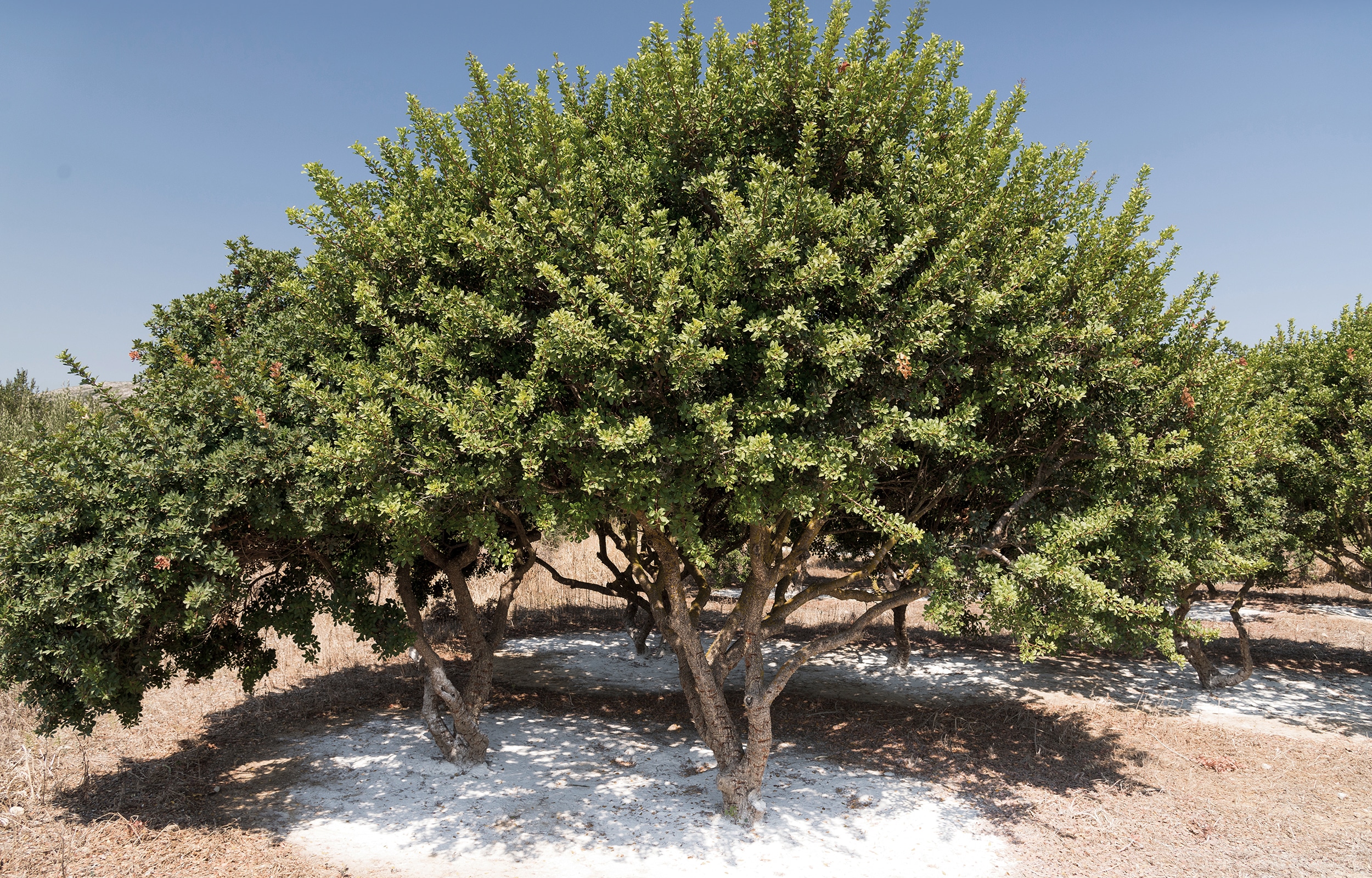
The aromatic tears of a unique variety of mastic tree have been linked to the cultural identity of southern Chios for centuries, as it happens to be the only place in the world where mastic is systematically produced.
Carob: From humble animal feed to modern superfood
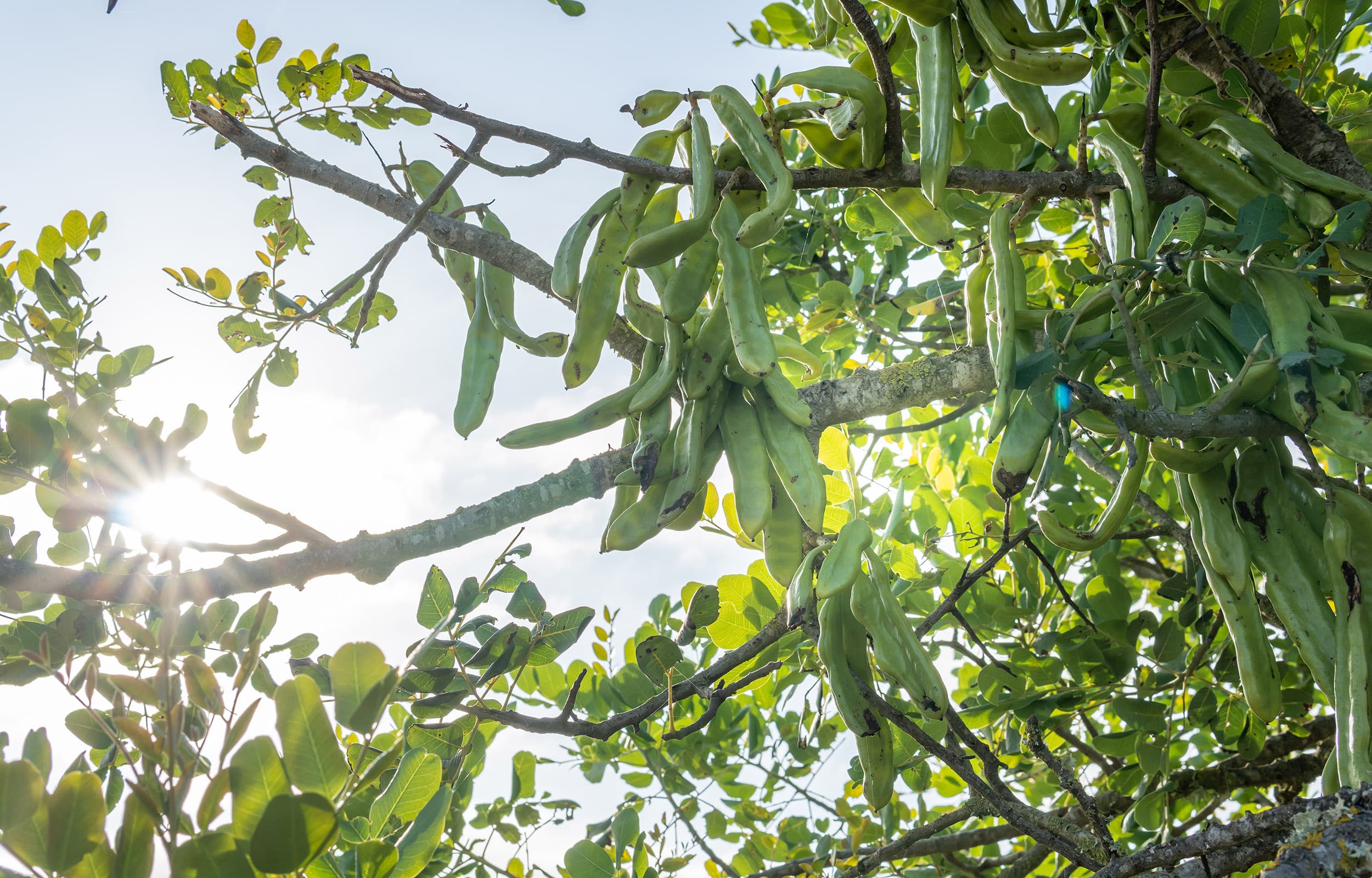
Dominant in the wild Cretan landscape, the carob tree aspires to play an important role on the Mediterranean table, ushering traditional forms of agricultural cultivation back into the spotlight.