
Opening hours
Προβολή

Chalkis, GR
Get Directions
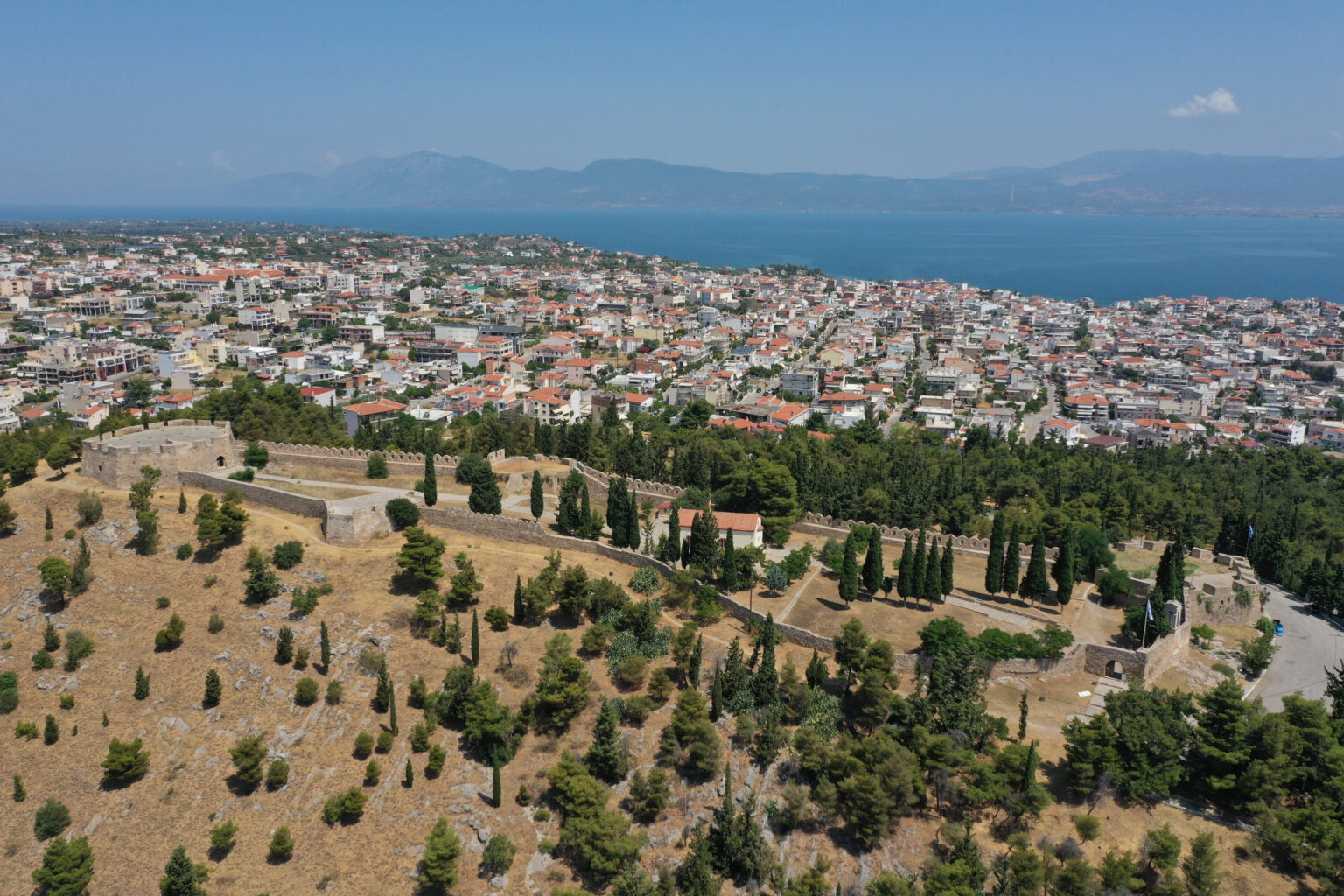
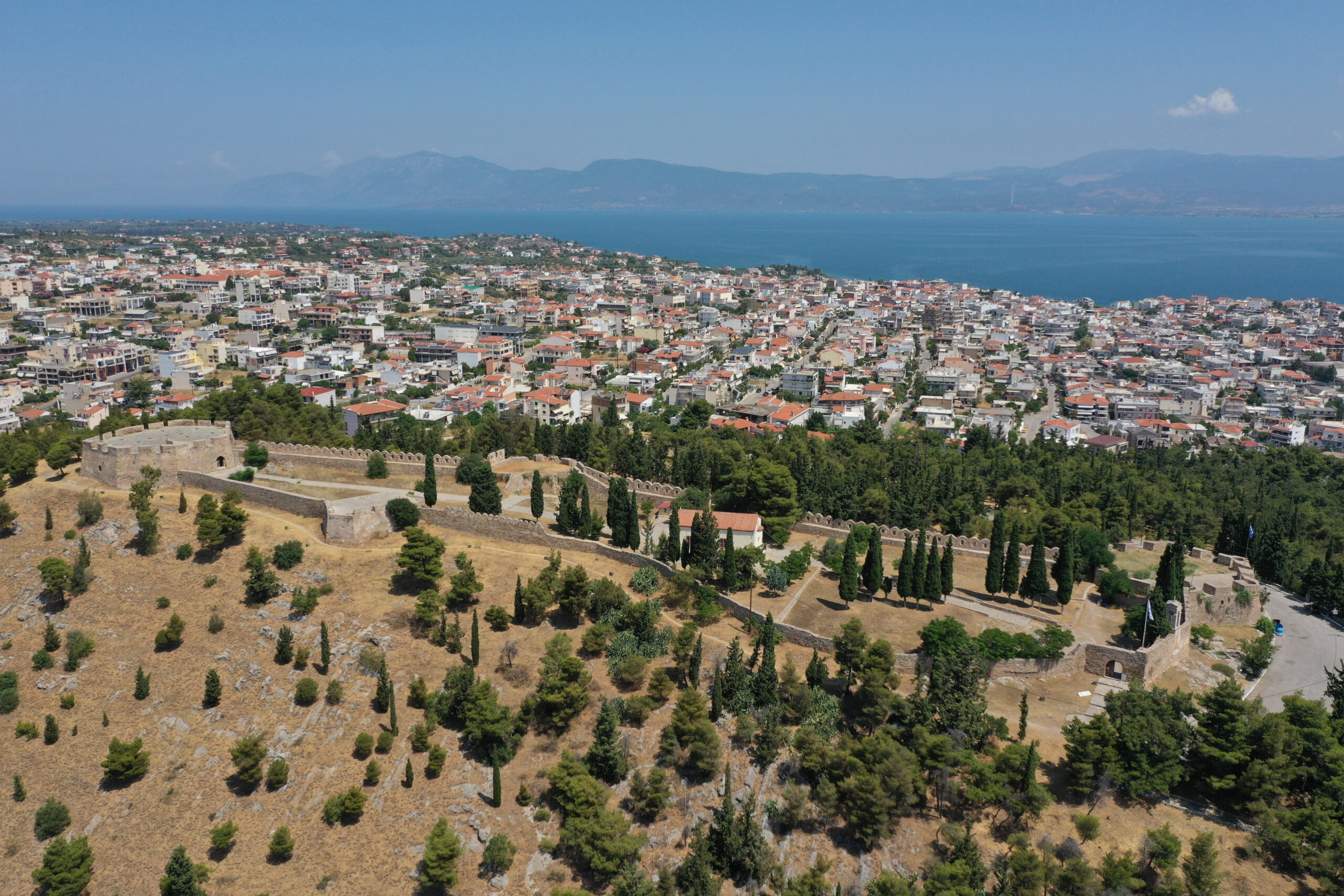
The Karababa Fortress was built on the Boeotian coast by the Ottoman administration in 1688 to defend Chalkis against the impending siege led by the Venetian Doge Francesco Morosini.
Its design and architectural form are attributed to the military engineer Girolamo Galoppo of Mantua, who had defected to the Ottomans. During the siege of Morosini, the fortress not only withstood the assault, but it also played a decisive role in defeating the Venetians.
The fortifications of Karababa made Chalkis seem literally impregnable, preventing the Greeks from liberating it from Ottoman rule, despite repeated efforts. The city was ultimately surrendered without resistance following the Treaty of 1833. Its formidable defense was also due, in large part, to the Castle of Chalkis, which, unfortunately, was demolished in 1885.
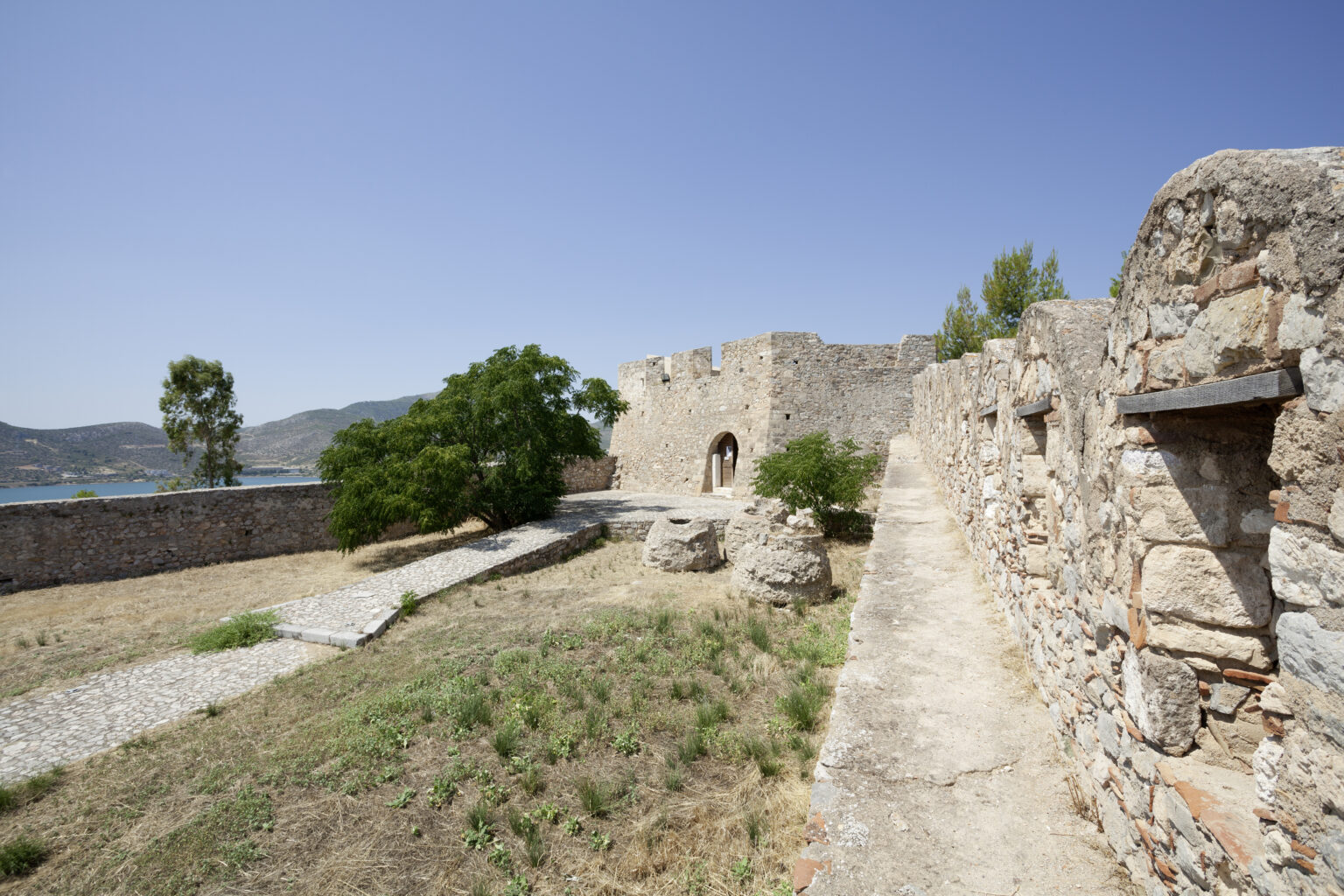
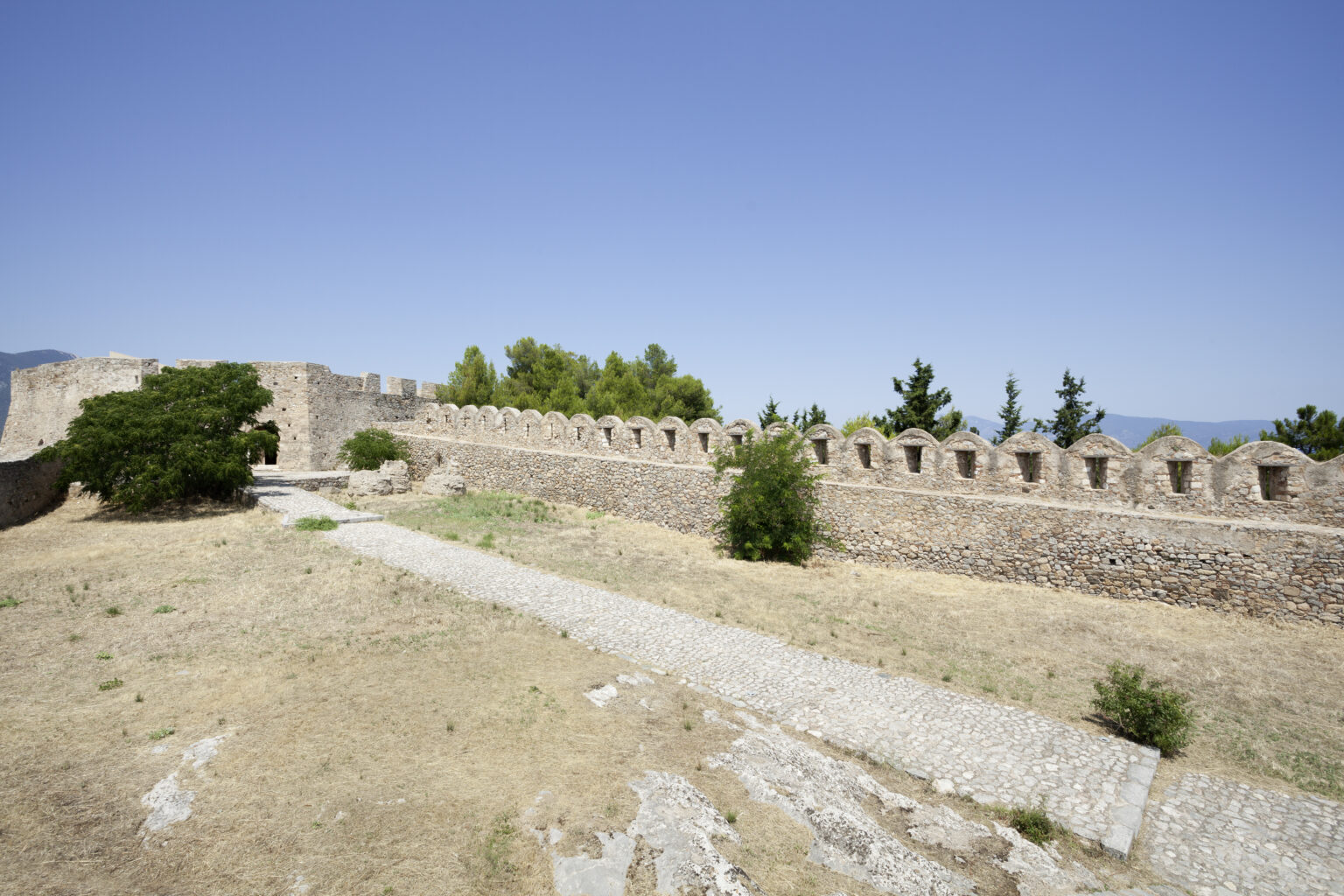
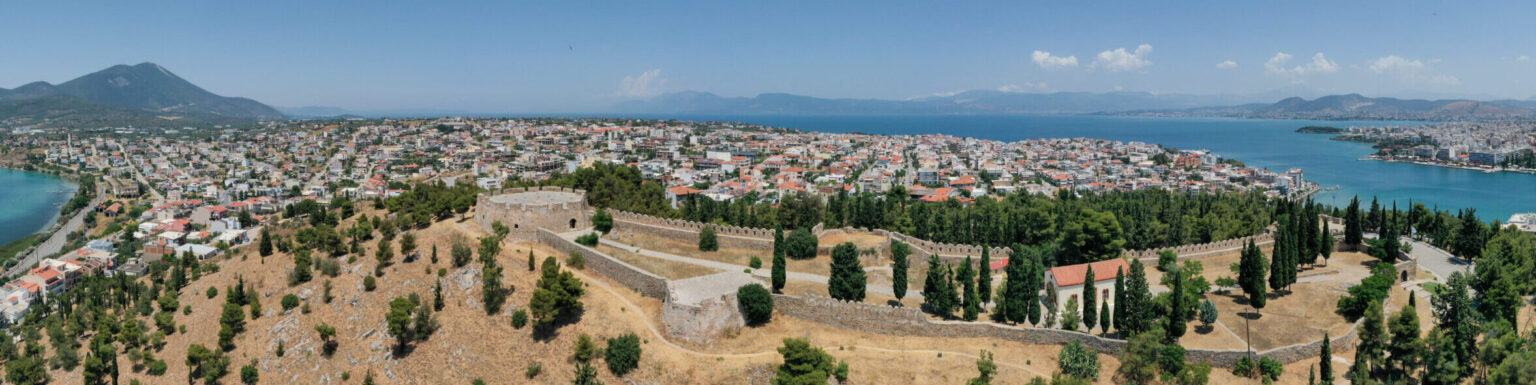
The fortress covers an area of five stremmata (about half a hectare) and has an irregular elongated shape. It features a curtain wall, bastions and a northern embankment for added protection. The wall is low and relatively thin, with a single defense line at the level of the battlements. The parapets, accessible by a 1-meter-wide walkway, consist of a series of continuous semicircular arches with gun slits – a construction style reminiscent of the Fortezza of Rethymno.
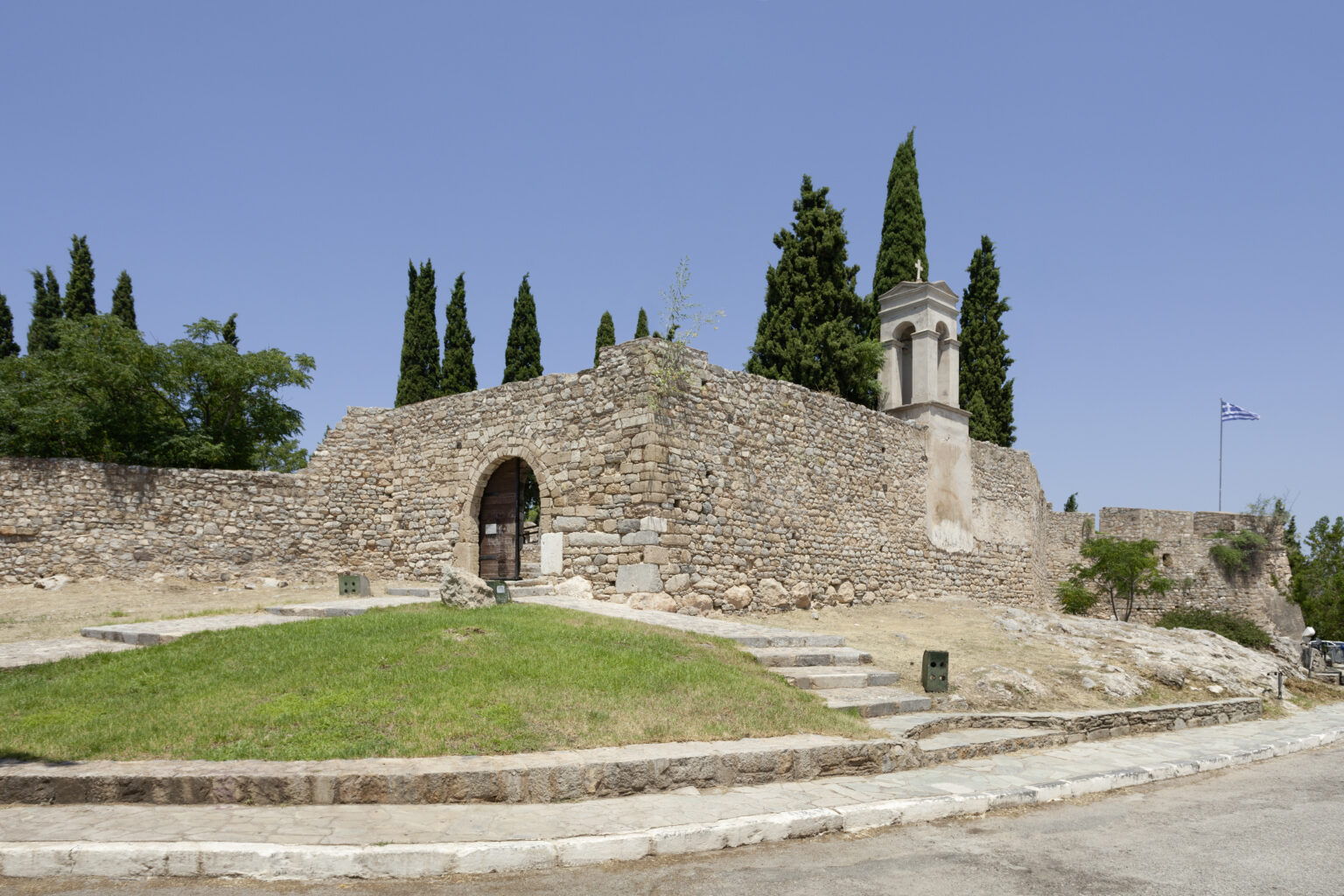
The entrance to the fortress is located at the southeastern corner, through a narrow vaulted passage. At the eastern and western ends stand two large polygonal bastions, while the northern and southern sides feature solid pentagonal bastions. The eastern bastion, of exceptional strategic importance, commands a view over the Euripus Strait. It is a dirt-filled polygonal structure, which originally contained five cannon openings, two of which still held old cannons as recently as 1940. A small gunpowder magazine was also located within the bastion.
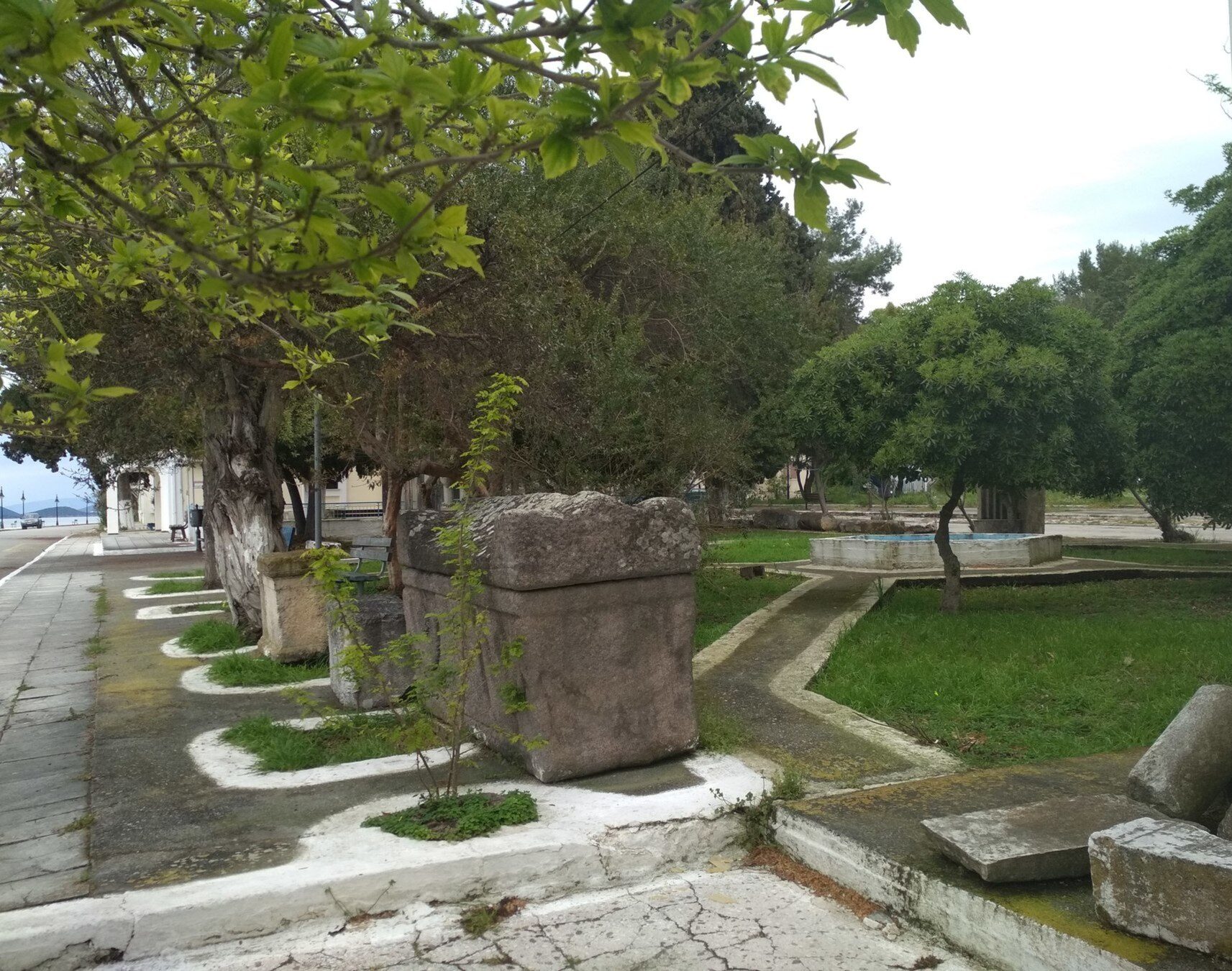
The western bastion plays host to a permanent exhibition of sculptures from the city of Chalkida titled “Fragments of a City: Exhibition of Medieval Sculptures from Chalkis.” The exhibition is divided into 17 thematic sections and features sculptures dating from the Early Christian period to the 19th century, originating from ecclesiastical, secular, and funerary monuments of the city.
Directions
Kanithos
34100, Chalkis
On foot
15 minutes from the Old Euripus Bridge
By car
4 minutes from the Old Euripus Bridge
Opening hours
Summer hours
April 1 – October 31
Mon: 08:30 – 15:30
Tue: closed
Wed: 08:30 – 15:30
Thu: 08:30 – 15:30
Fri: 08:30 – 15:30
Sat: 08:30 – 15:30
Sun: 08:30 – 15:30
Winter hours
November 1 – March 31
Mon: closed
Tue: closed
Wed: closed
Thu: closed
Fri: 08:30 – 15:30
Sat: 08:30 – 15:30
Sun: 08:30 – 15:30
Last admission: 20 minutes before closing time
The site remains closed on the following dates and public holidays: January 1, March 25, May 1, Easter Sunday, December 25 & 26.
The site remains closed on the following dates and public holidays: January 1, March 25, May 1, Easter Sunday, December 25 & 26.
Tickets
Free entrance
Amenities
Parking
Contact
Ephorate of Antiquities of Euboea
T: +30 22213 50803, +30 22213 50804
E: efaeuv@culture.gr