
Opening hours
View Hours

Amphipolis, GR
Get Directions
Built on the banks of the Strymon River, Amphipolis was founded by the Athenians in 437 BC in order to gain access to important raw materials, such as the gold and silver of Mount Pangaion and the timber from its forests.
Because of its particular importance, the city became a battlefield between Athenians and Spartans, especially during the Peloponnesian War. Later, it developed into a naval base of the Macedonian kingdom, and notable admirals were born here, such as Nearchus and Androsthenes.
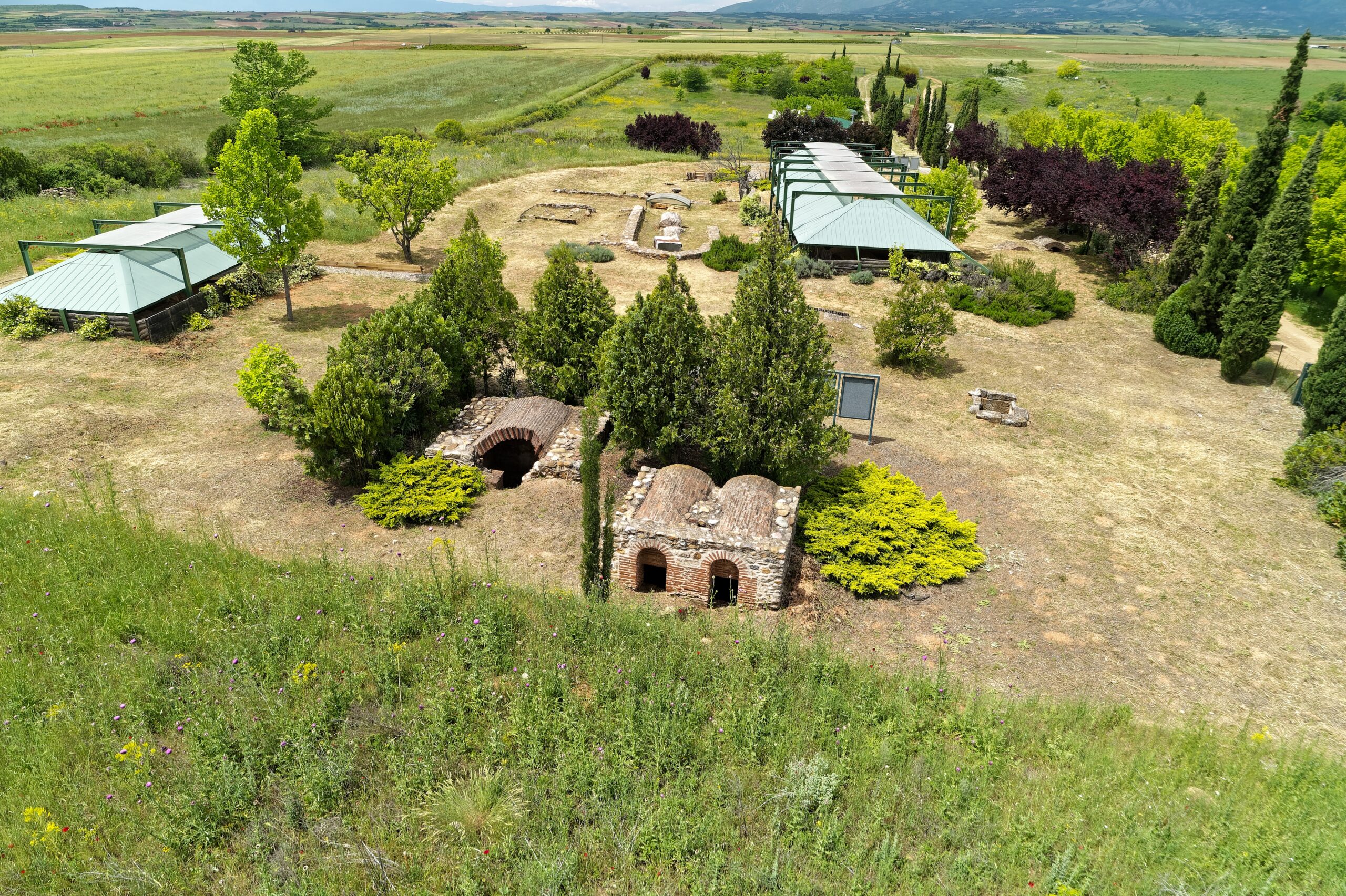
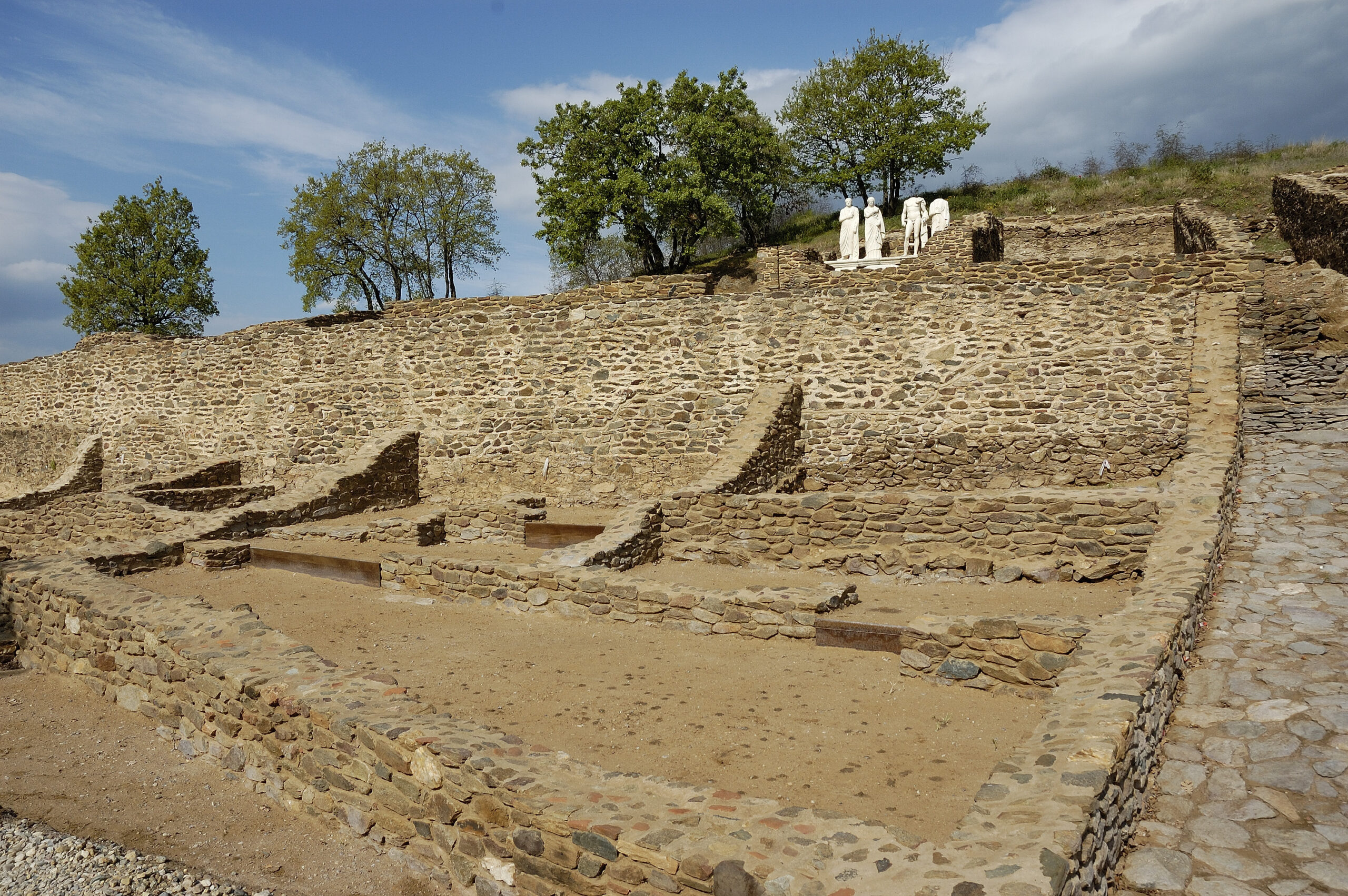
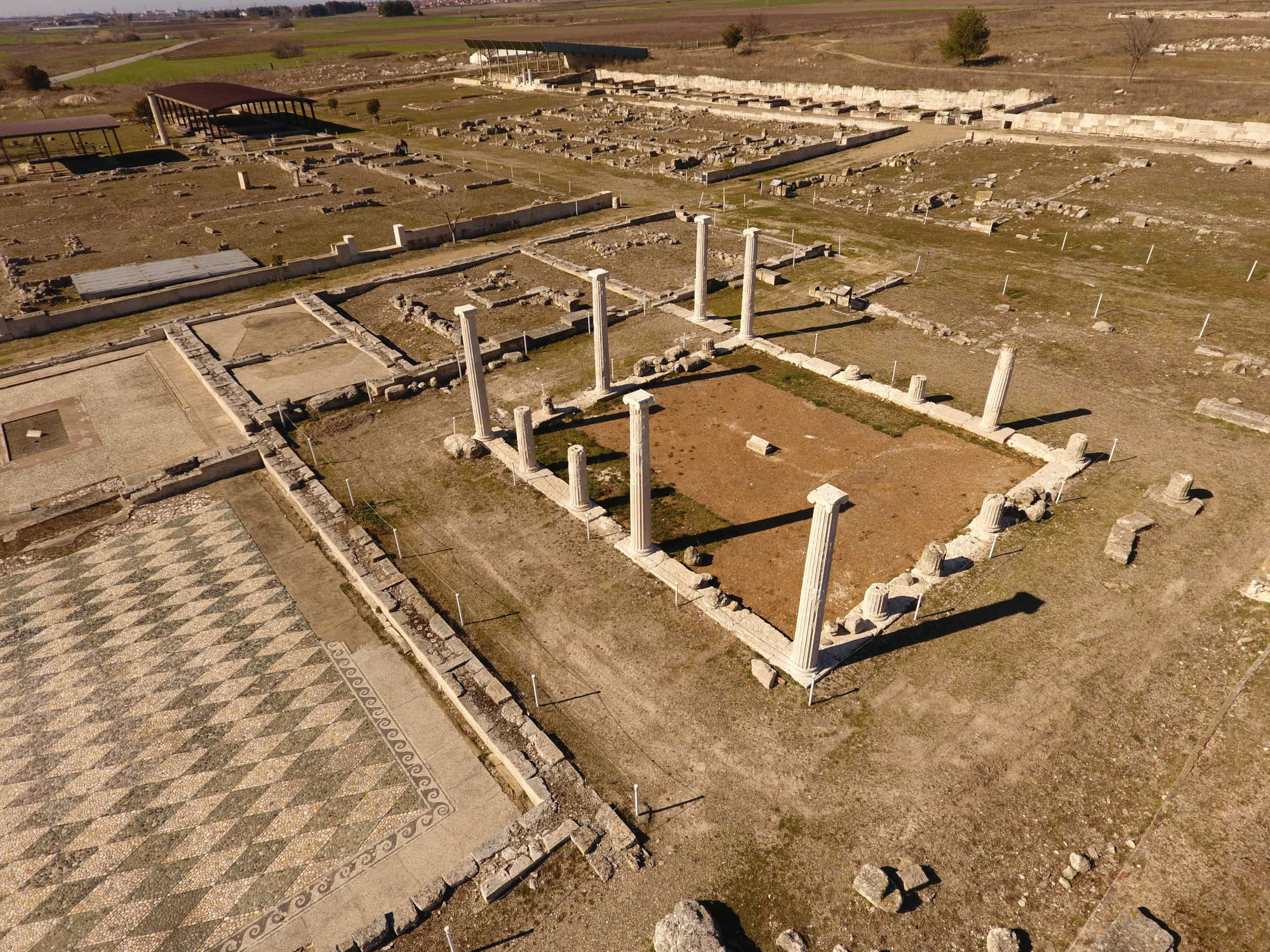
The famous ancient Via Egnatia passed through the city, contributing to its development, particularly during the Roman period and the early Byzantine era, as evidenced by the monuments that have been uncovered (the Theatre, houses, city walls, bridge, and others), as well as the impressive 5th- and 6th-century AD churches that have been excavated in the city.
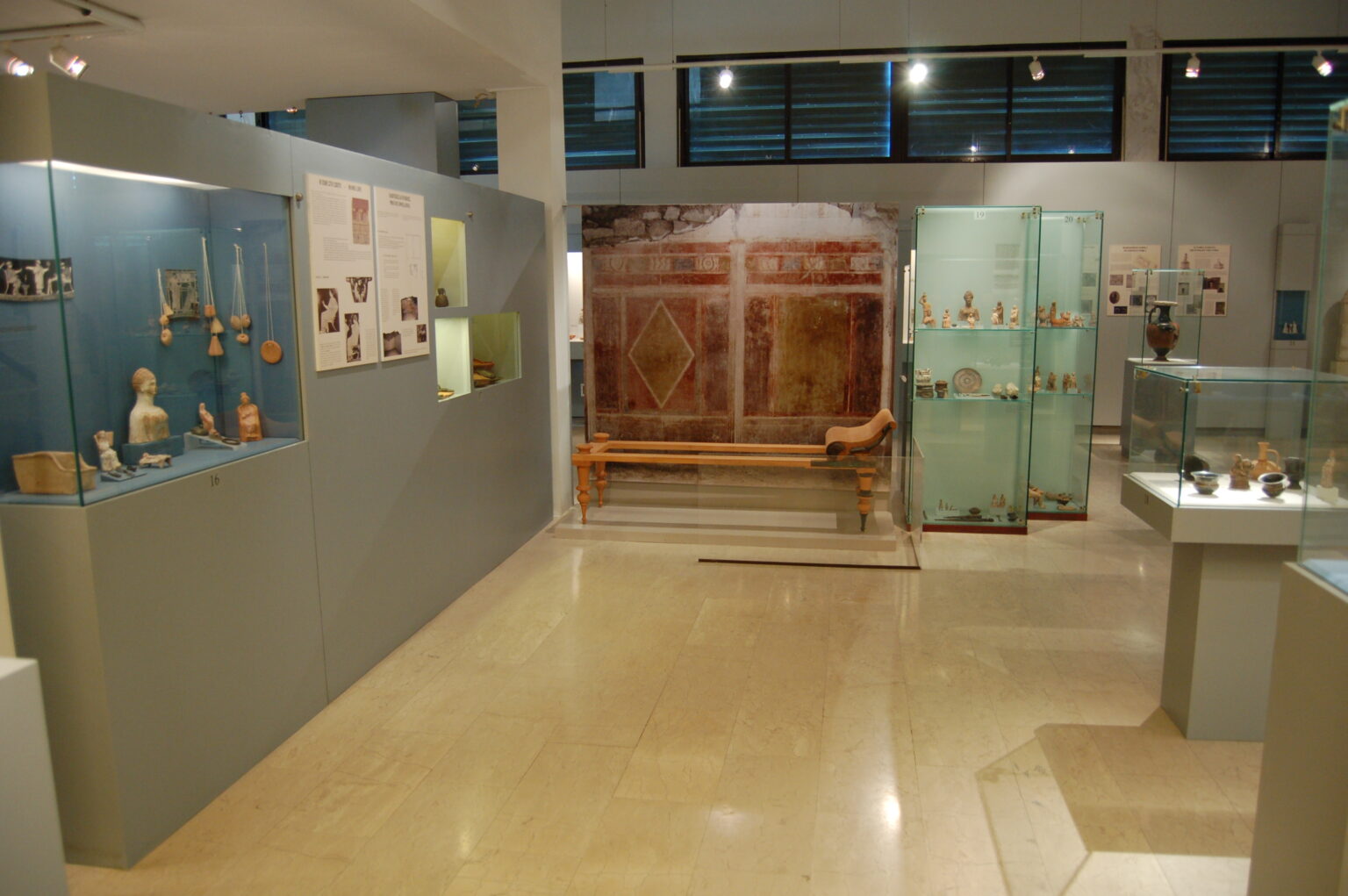
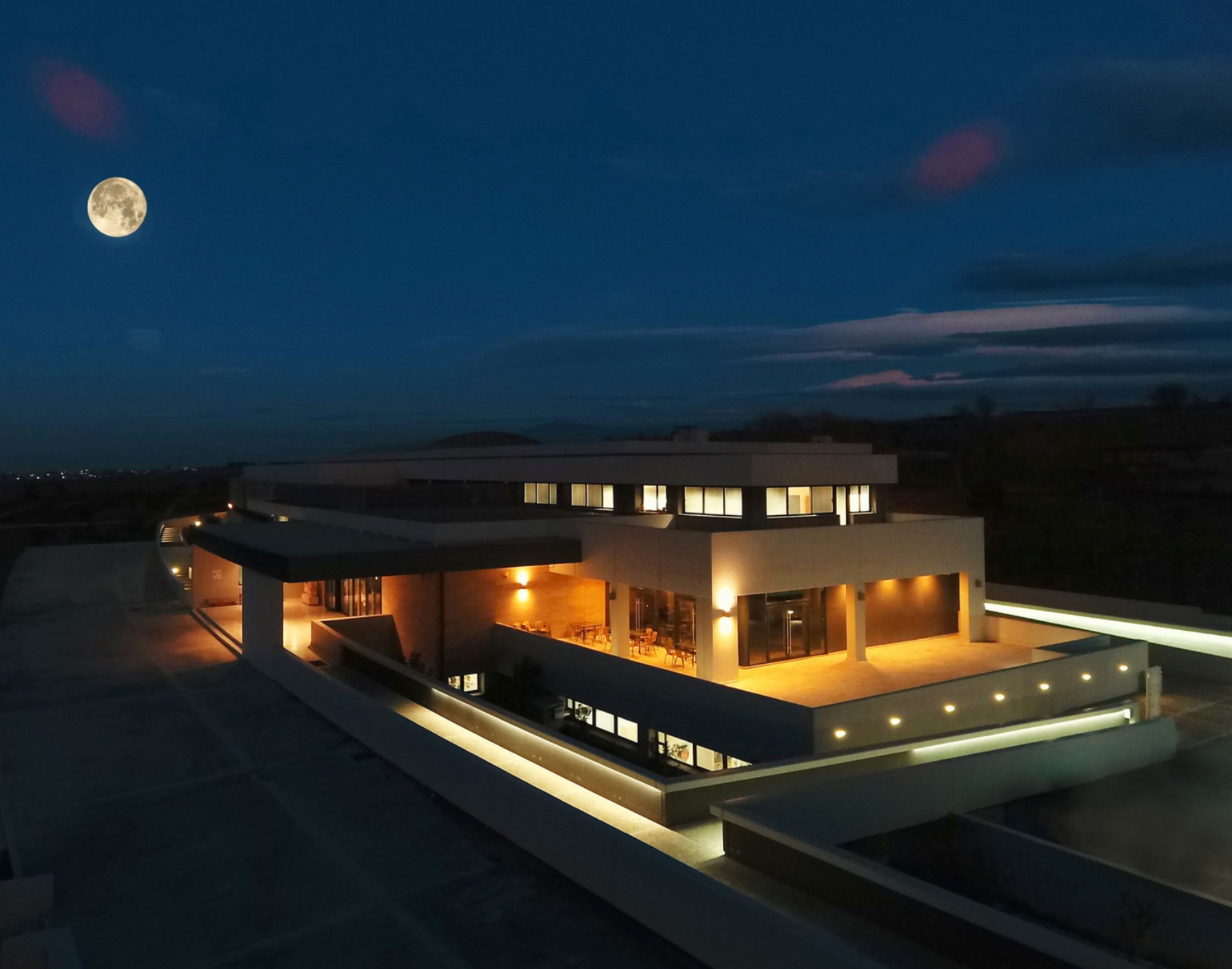
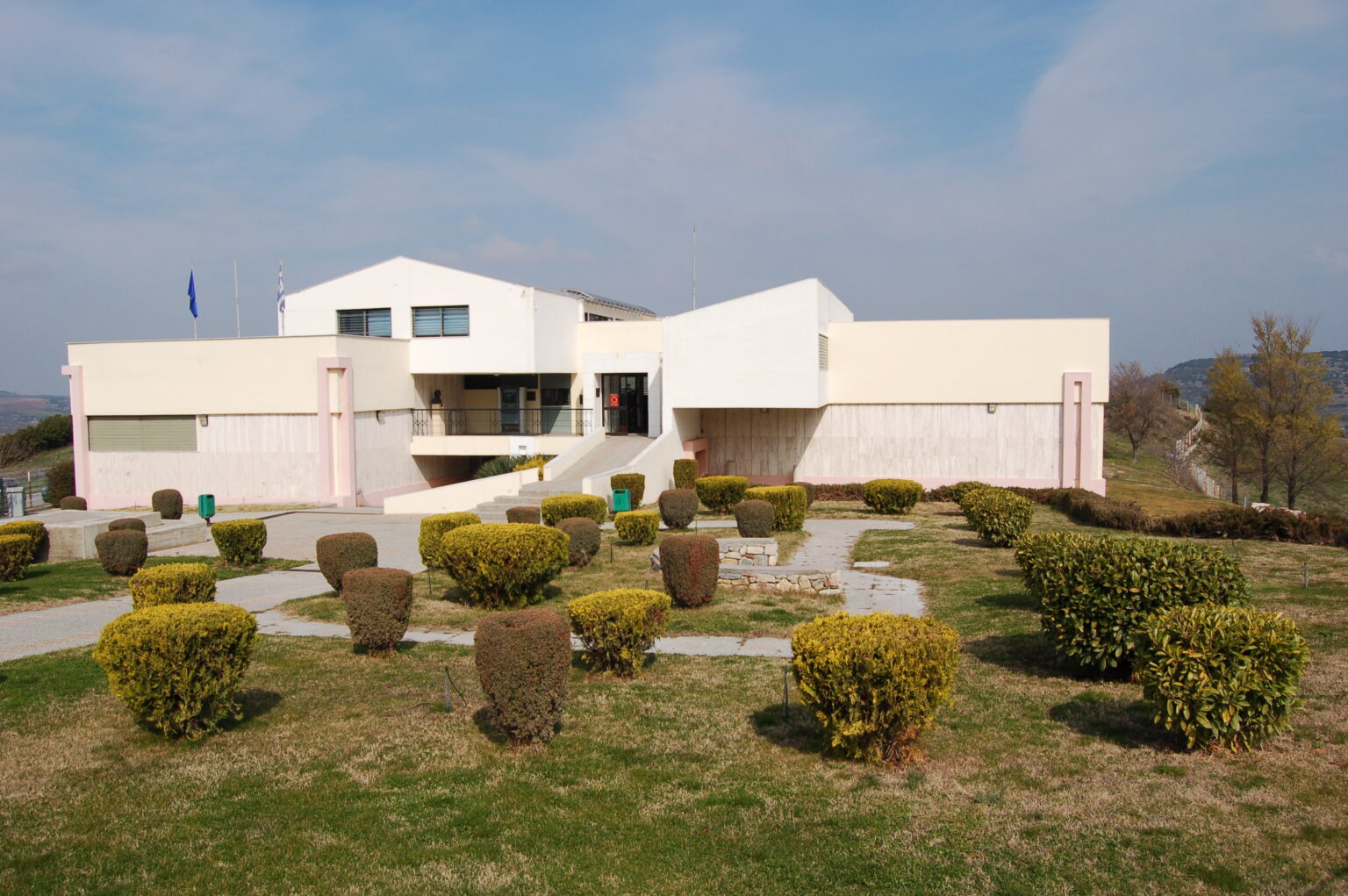
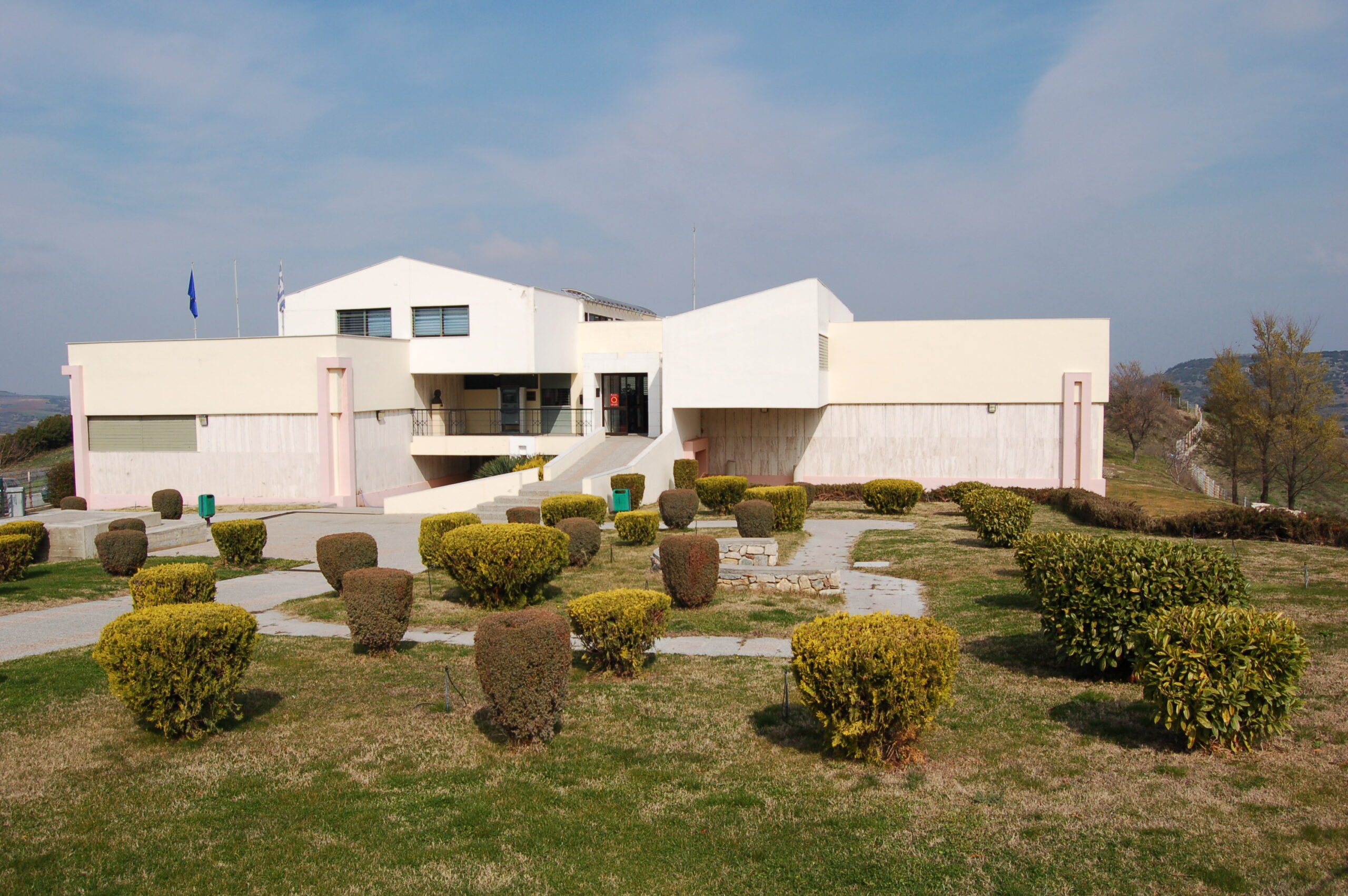
The Archaeological Museum of Amphipolis is an integral part of the archaeological site of the same name. It houses exhibits brought to light by archaeological excavations in the wider Strymon region, and its thematic sections trace the history and flourishing of the ancient city from prehistoric times to the Byzantine period.
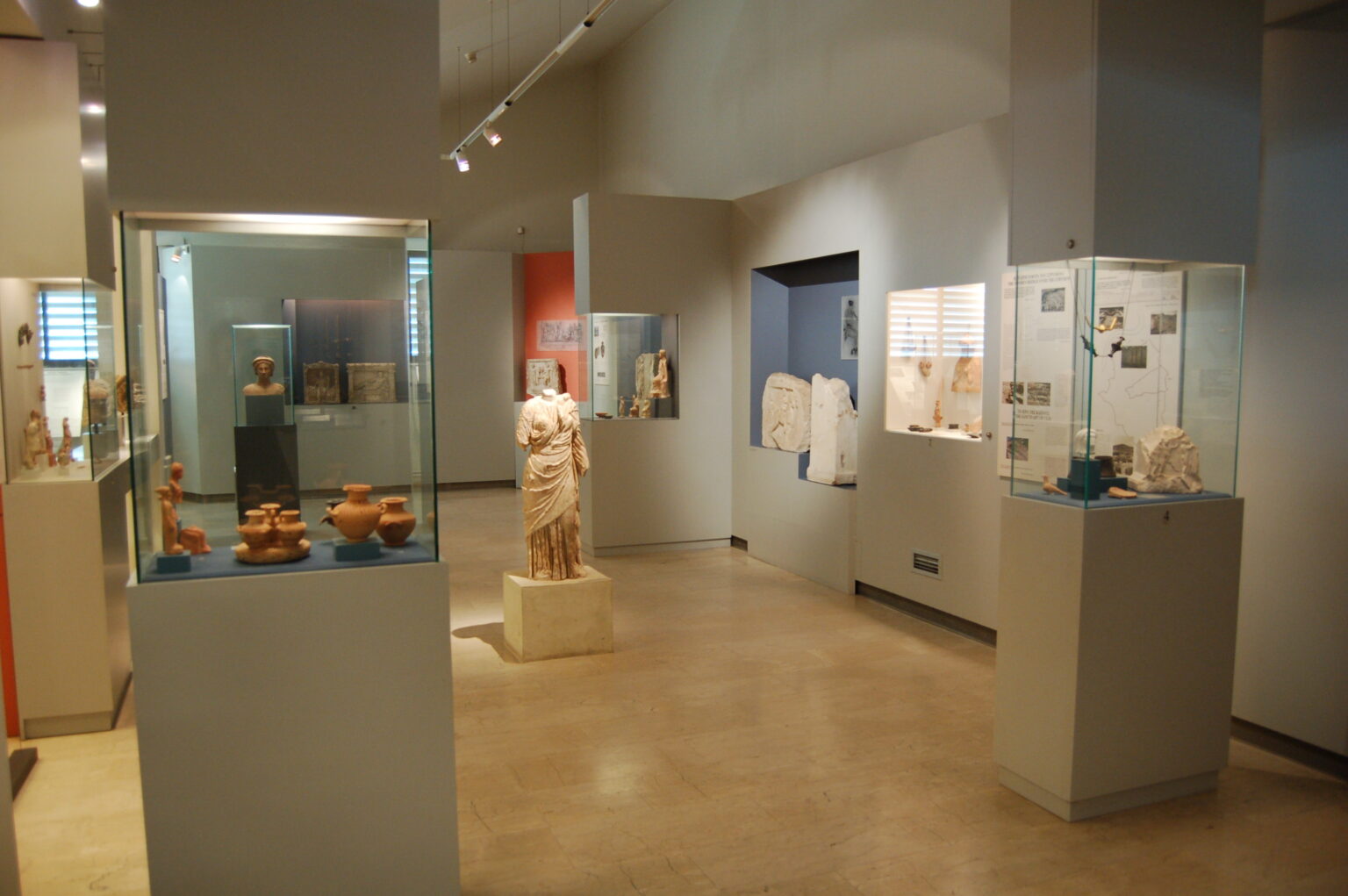
Attic and Corinthian pottery documents the gradual penetration of the Greek population into Thrace, while the public and private life of Amphipolis is reflected in the rich series of its coins and in the production of local workshops—including pottery, terracotta figurines, sculpture, and small-scale craftsmanship—displayed in the museum’s galleries.
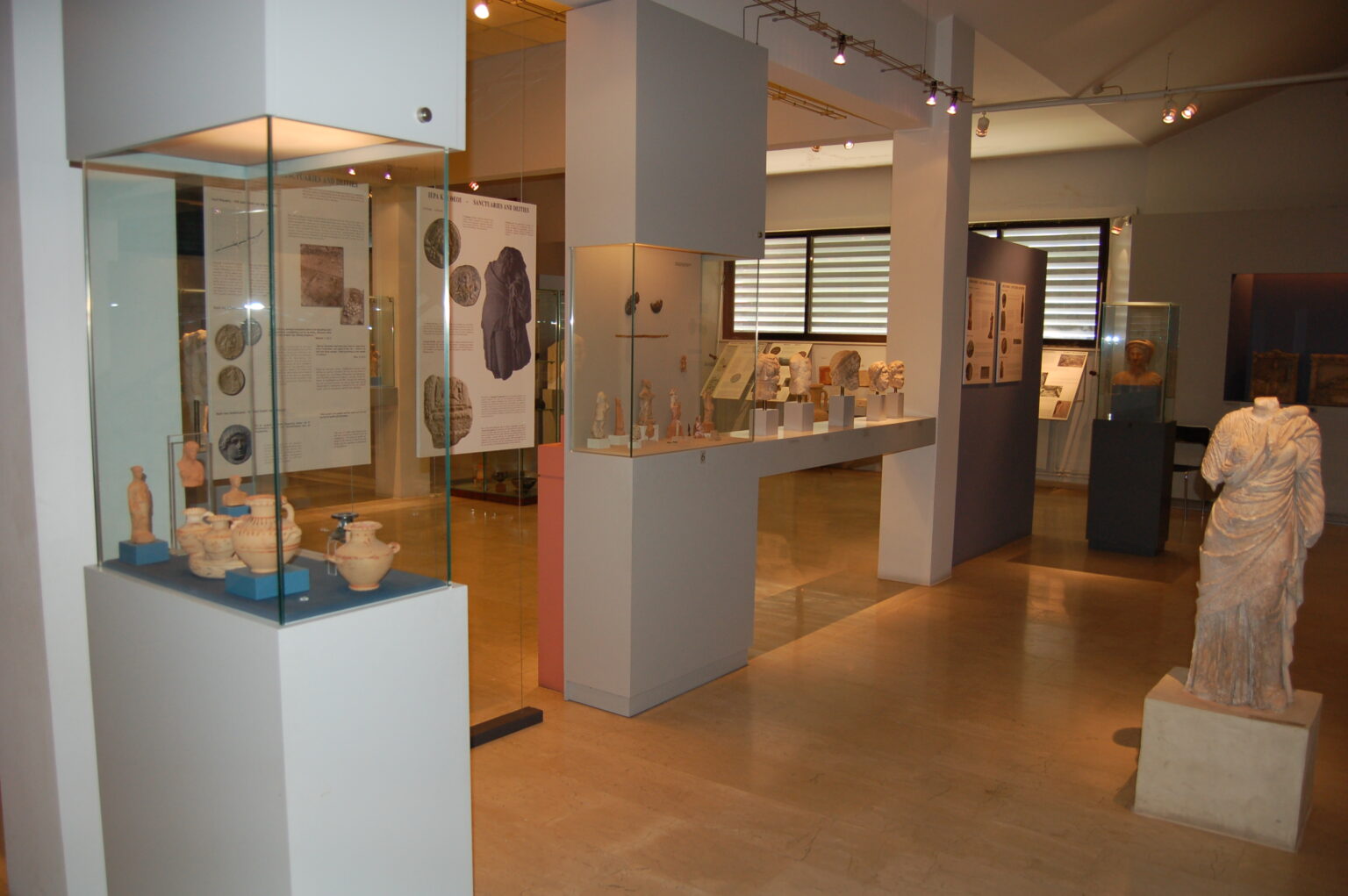
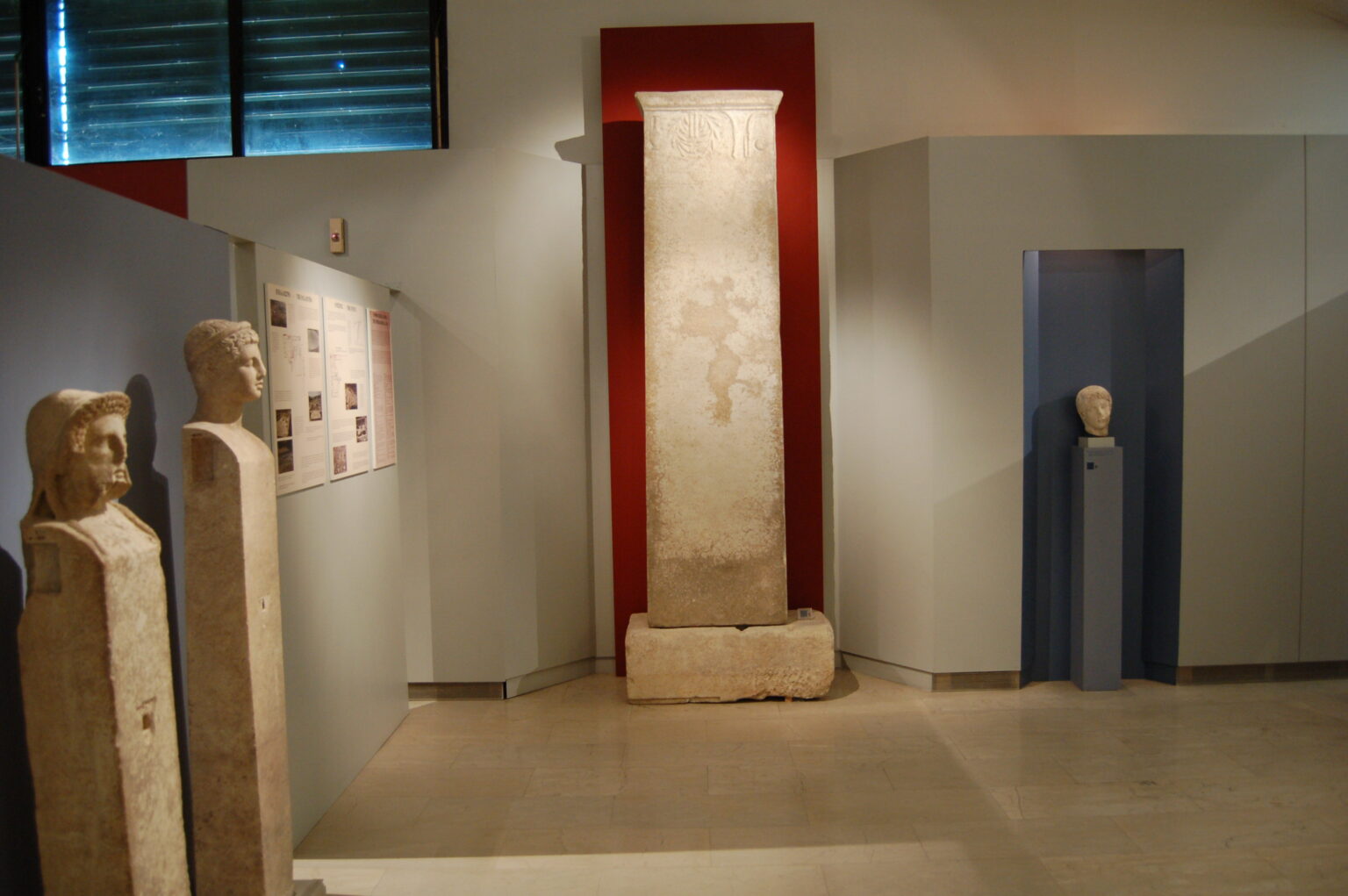
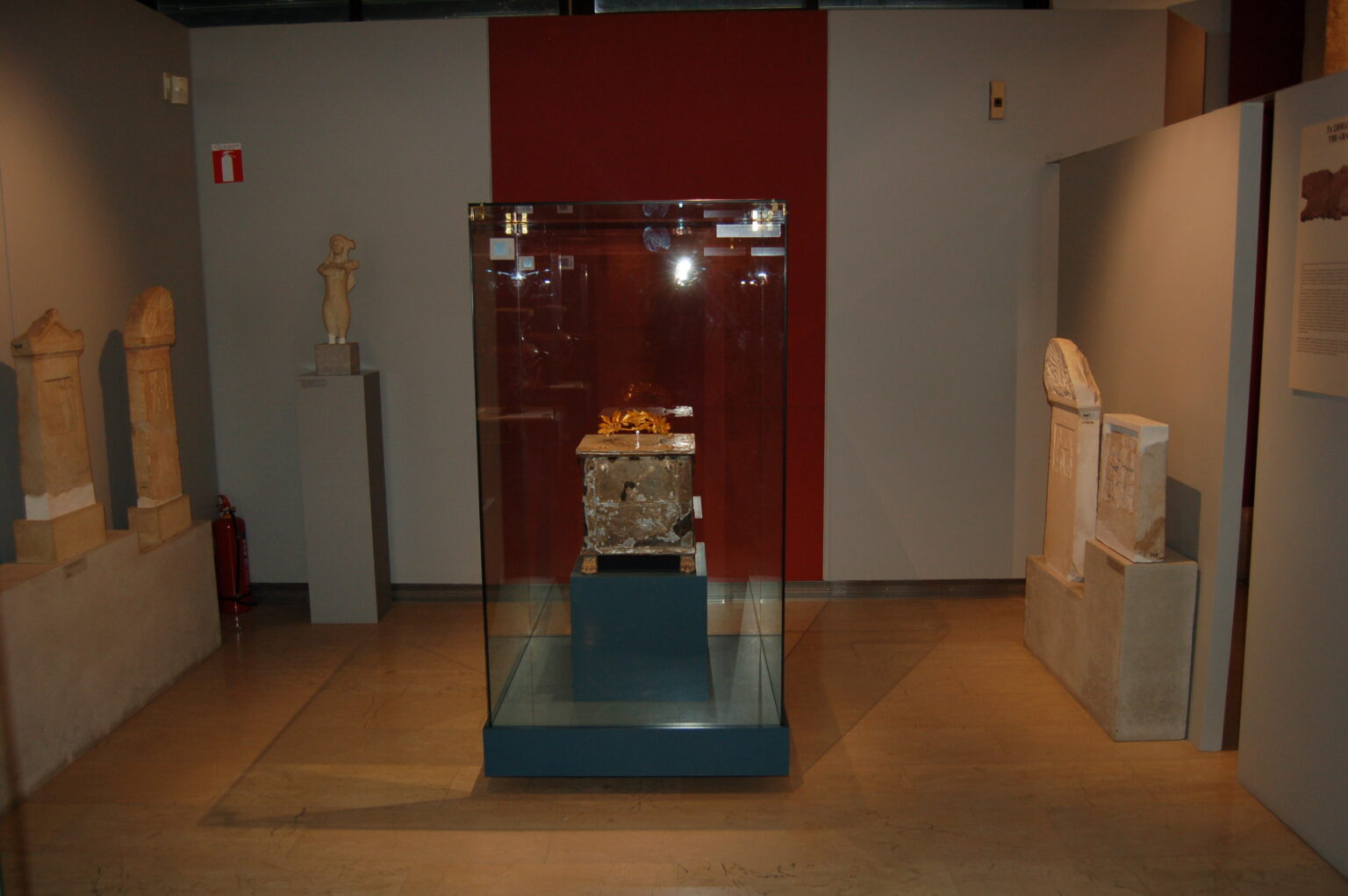
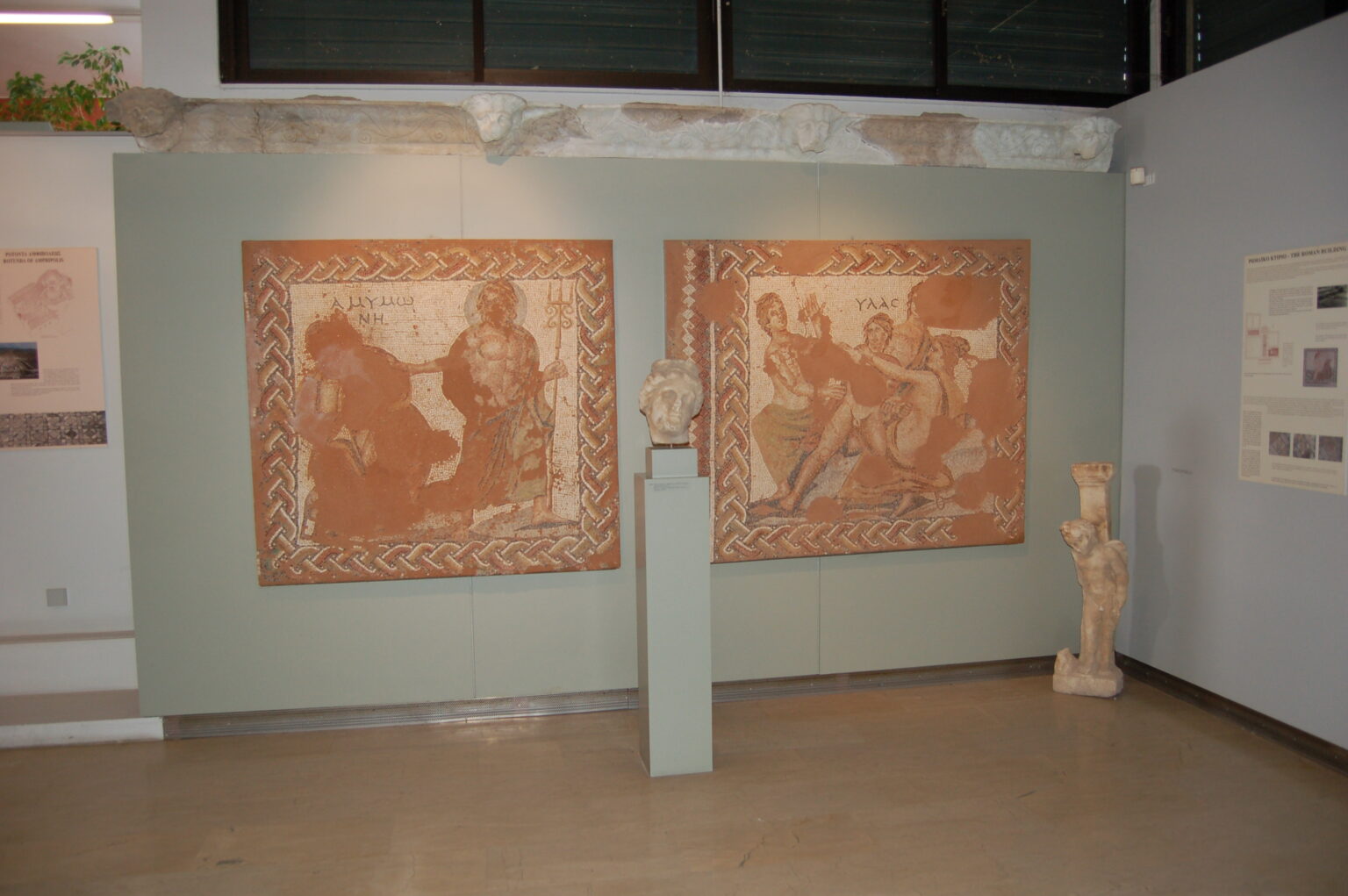
The distinctive religious worship of the region, which focused on local deities such as the Nymph, the Muse Clio, and the hero-horseman Rhesus, is also reflected in the museum’s exhibits. The collection includes many remarkable finds, such as the stele of Amyntas and the gold stater of Alexander the Great.
Particularly noteworthy are the references and photographic material related to the discovery and restoration of the Lion of Amphipolis, an important 4th-century BC sculptural monument.
Directions
62041, Amphipolis, Serres
On foot
5 minutes from the center of the modern settlement of Amphipolis
By bus
By the Serres or Drama KTEL bus, get off at the “Diastavrosi” stop
By car
50 minutes from Serres
1 hour and 10 minutes from Thessaloniki
Opening hours
Summer hours
April 1 – August 31
Daily: 08:00 – 20:00
September 1 – 15
Daily: 08:00 – 19:30
September 16 – 30
Daily: 08:00 – 19:00
October 1 – 15
Daily: 08:00 – 18:30
October 16 – 31
Daily: 08:00 – 18:00
Winter hours
November 1 – March 31
Daily: 08:30 – 15:30
Last admission: 20 minutes before closing time
The site remains closed on the following dates and public holidays: January 1, March 25, May 1, Easter Sunday, December 25 & 26.
The site remains closed on the following dates and public holidays: January 1, March 25, May 1, Easter Sunday, December 25 & 26.
Tickets
Full: €10.00
Reduced: €5.00
Admission is free on March 6, April 18, May 18, the last weekend of September, on October 28, as well as on the first and third Sunday of each month between November 1 and March 31.
Amenities
WC
WiFi
Parking
Accessibility
Contact
Archaeological Museum of Amphipolis
Τ: +30 23220 32474
Ephorate of Antiquities of Serres
Τ: +30 23210 21084
Ε: efaser@culture.gr