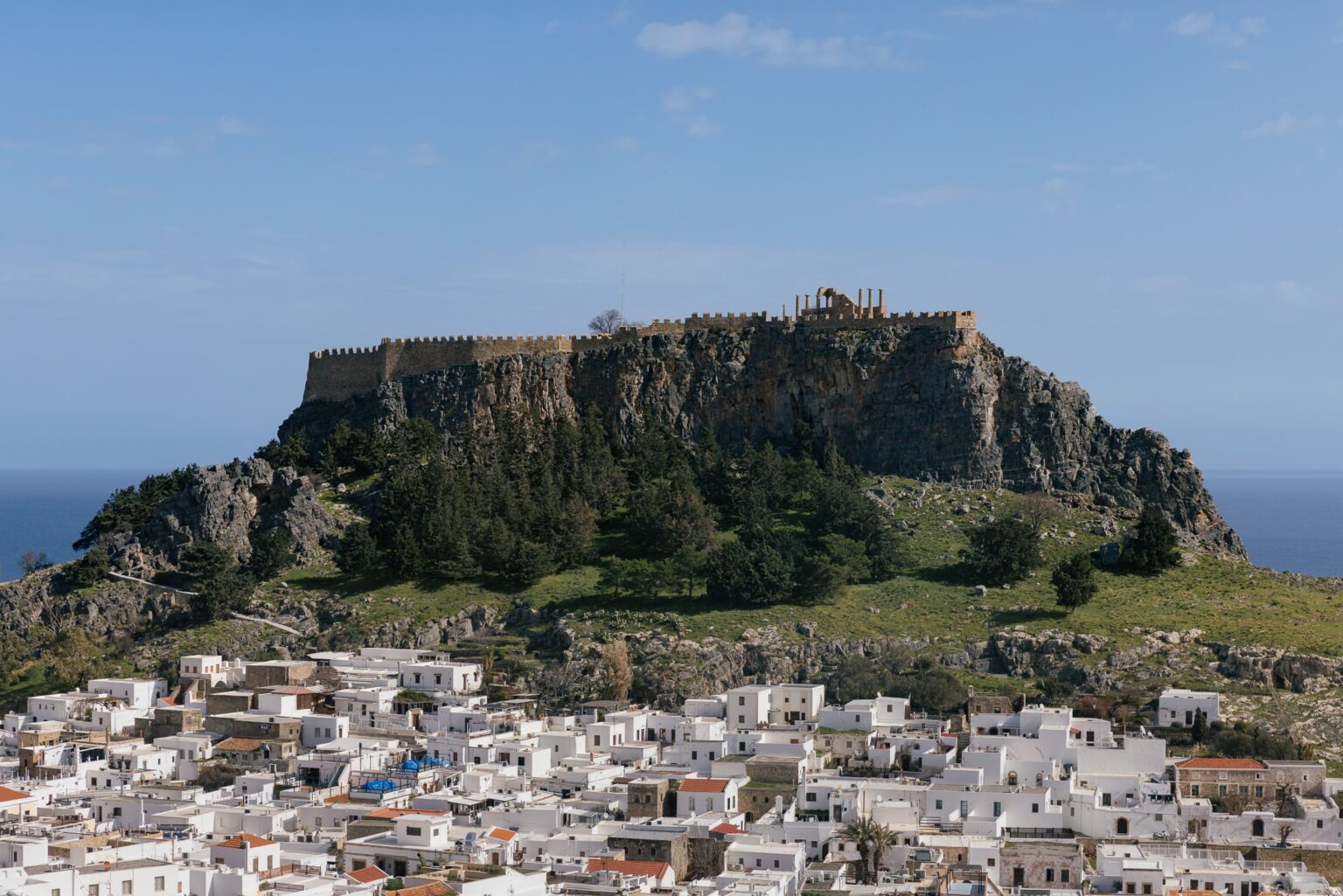
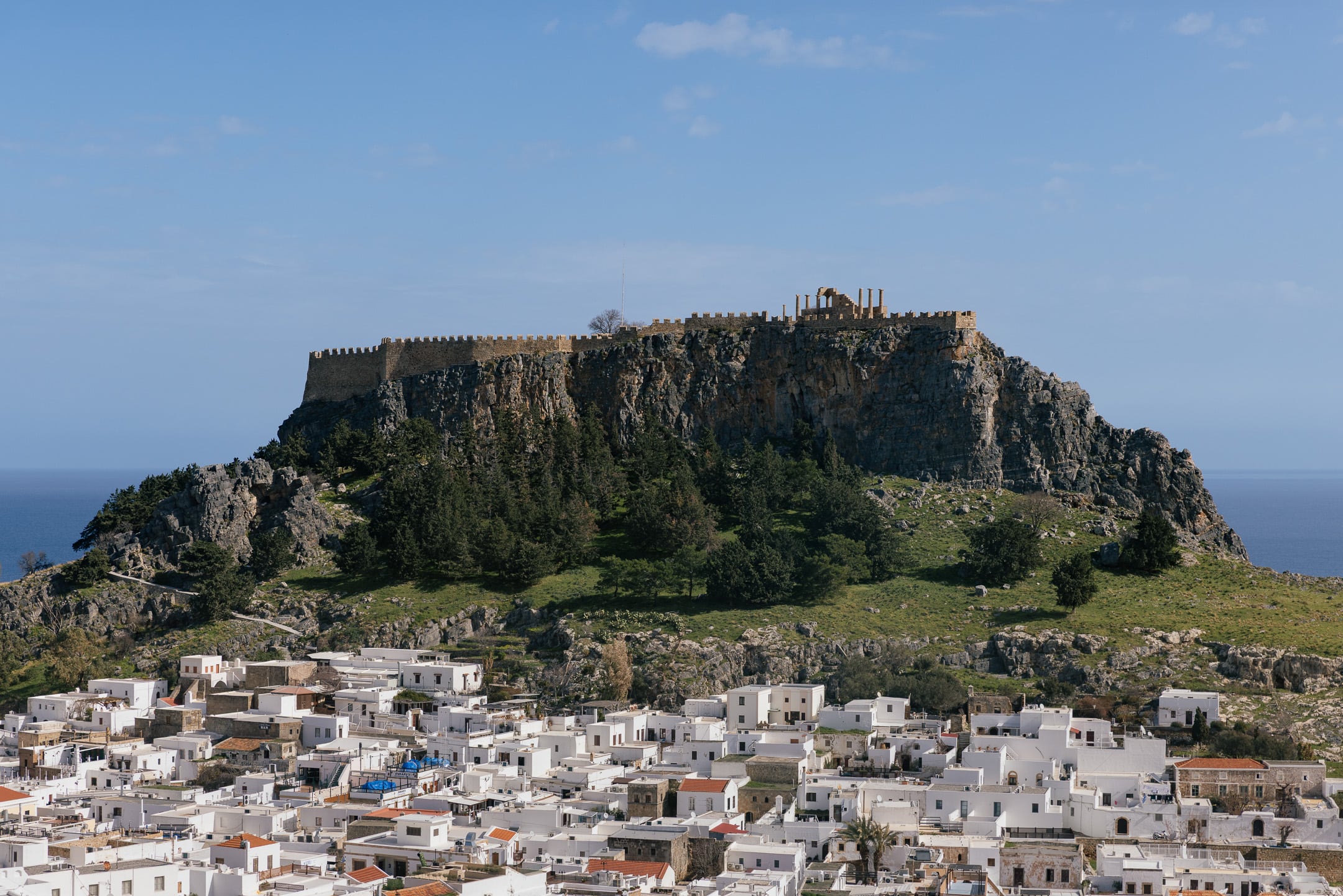


According to Greek mythology, Lindos was founded by the Danaids, the fifty daughters of the hero Danaus, who had fled to Egypt to escape the jealous rage of the goddess Hera. The city is also said to have taken part in the Trojan War under the leadership of Tlepolemos.
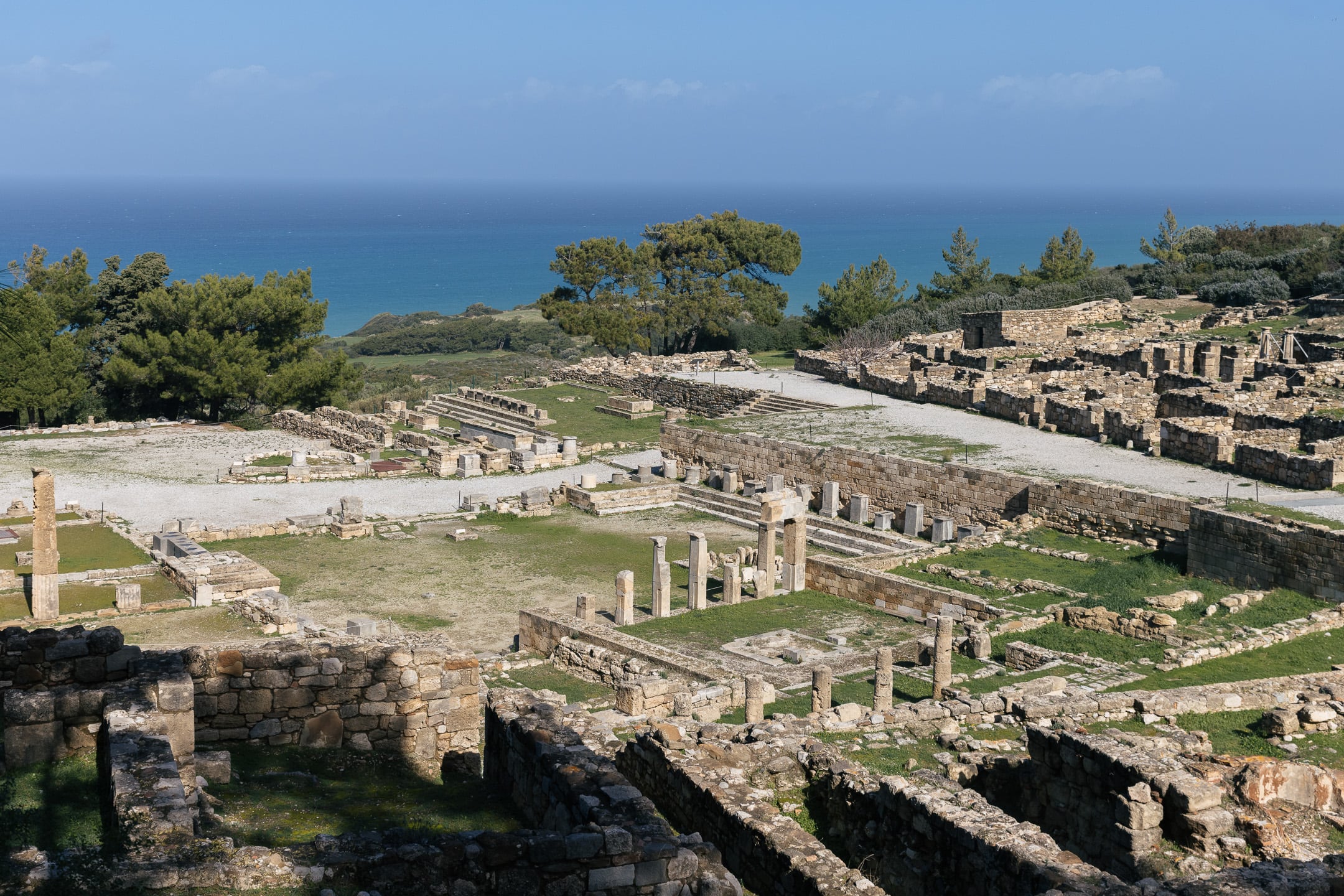
Ancient Lindos was built on the site of the contemporary settlement that bears the same name and is one of Rhodes’ most important archaeological sites. Its early, pre-Greek place name, along with a few prehistoric remains, indicates that the area was already inhabited as early as the Neolithic period.
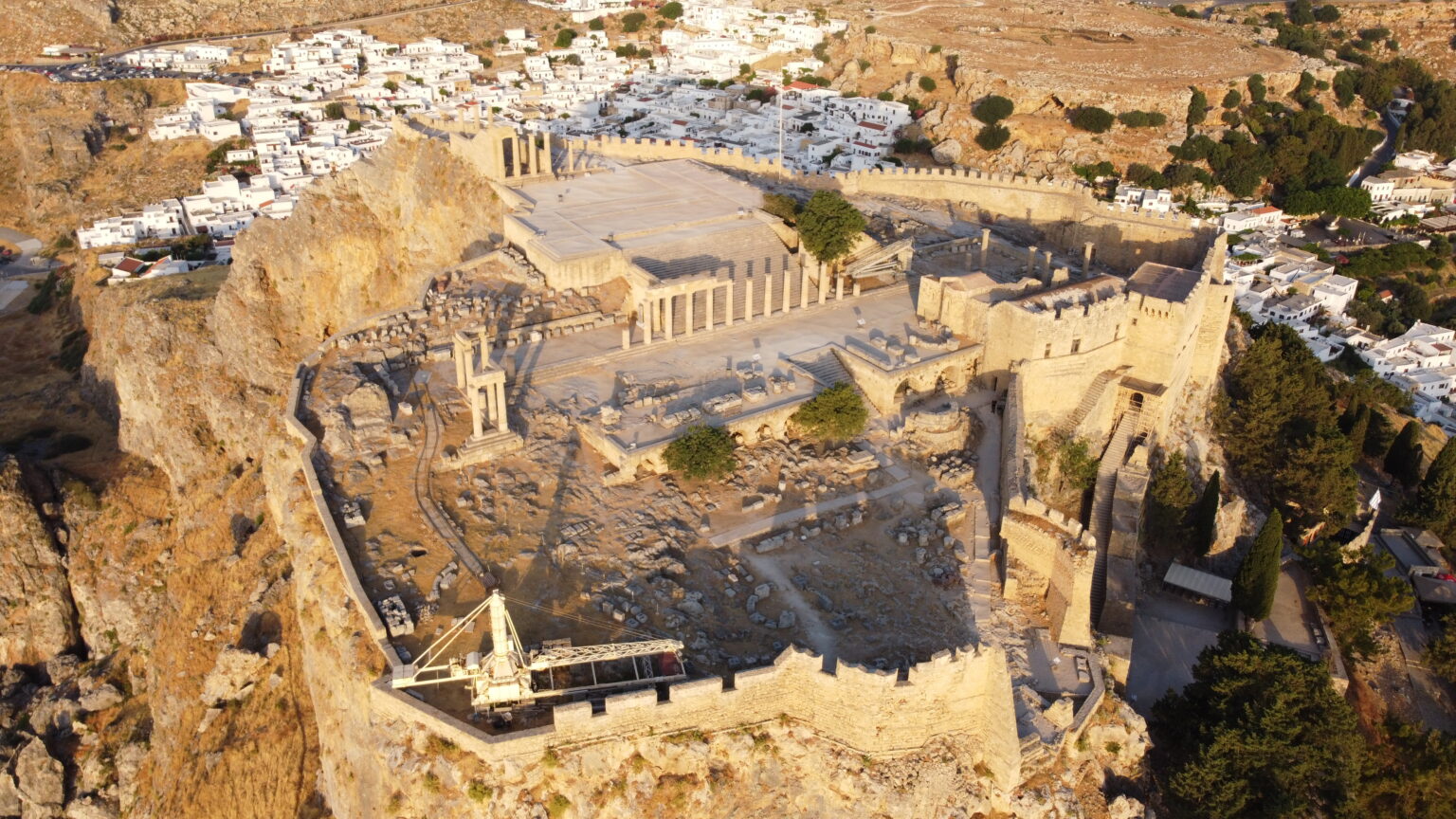
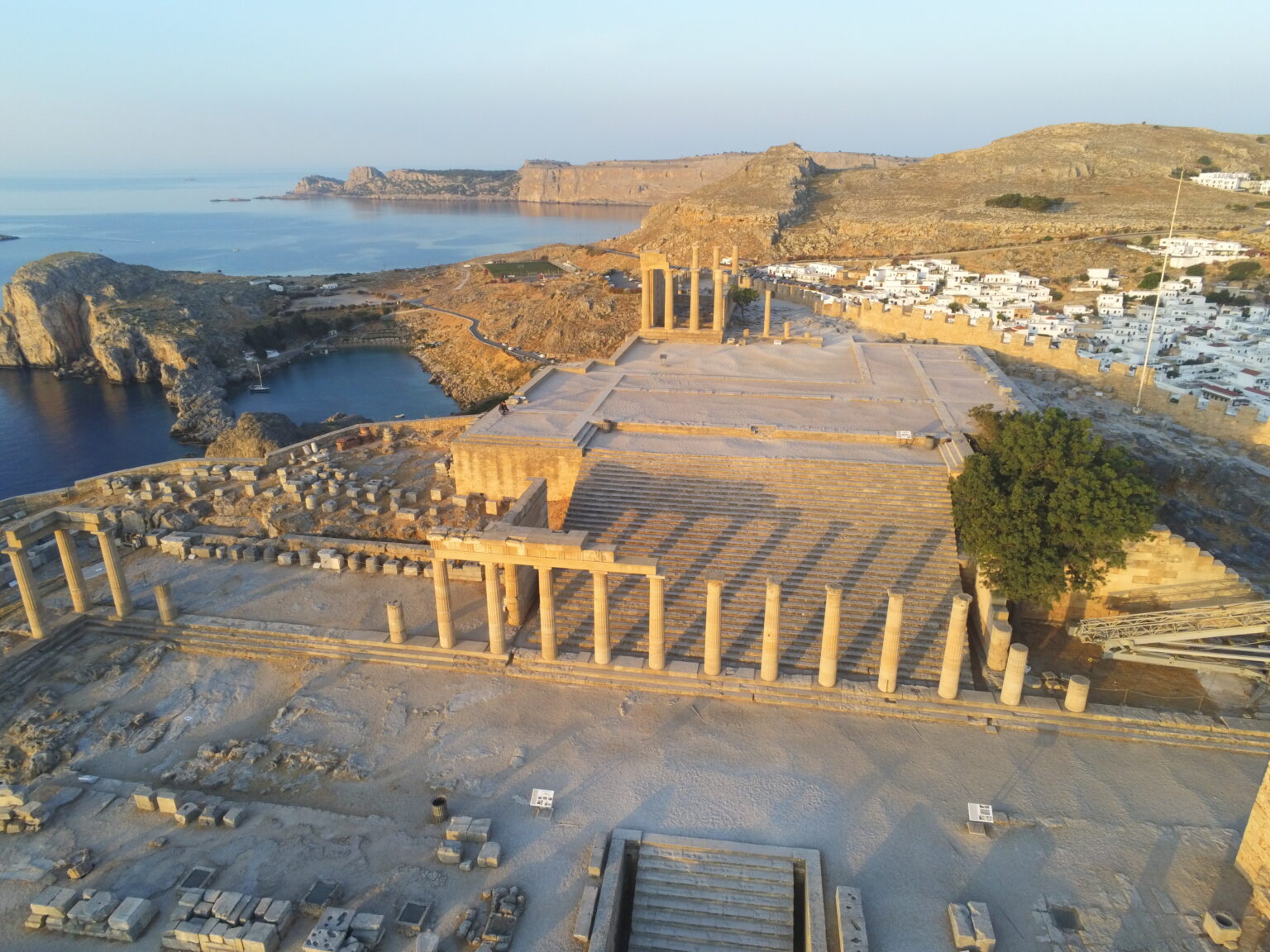
Lindos was a member of the Dorian Hexapolis – a political and religious federation – and peaked during the Archaic period (7th – 6th century BC), when the city developed into a major commercial and naval force under the rule of the tyrant Cleobulus (6th century BC). Although it was a Dorian city, it joined the Delian League during the Classical period, but sided with the Lacedaemonians in the Peloponnesian War. Its significance gradually diminished after the founding of Rhodes in 407 BC.
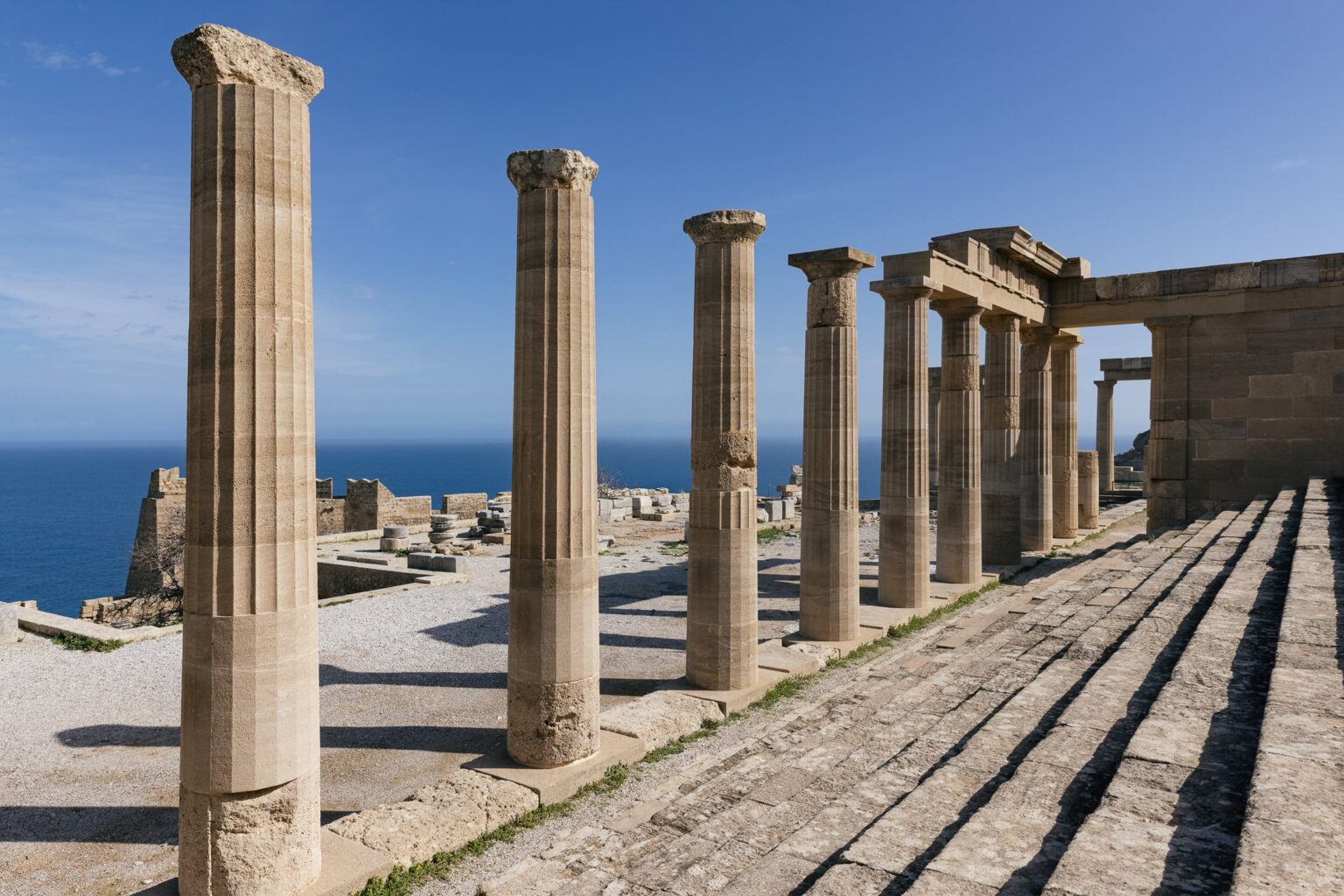
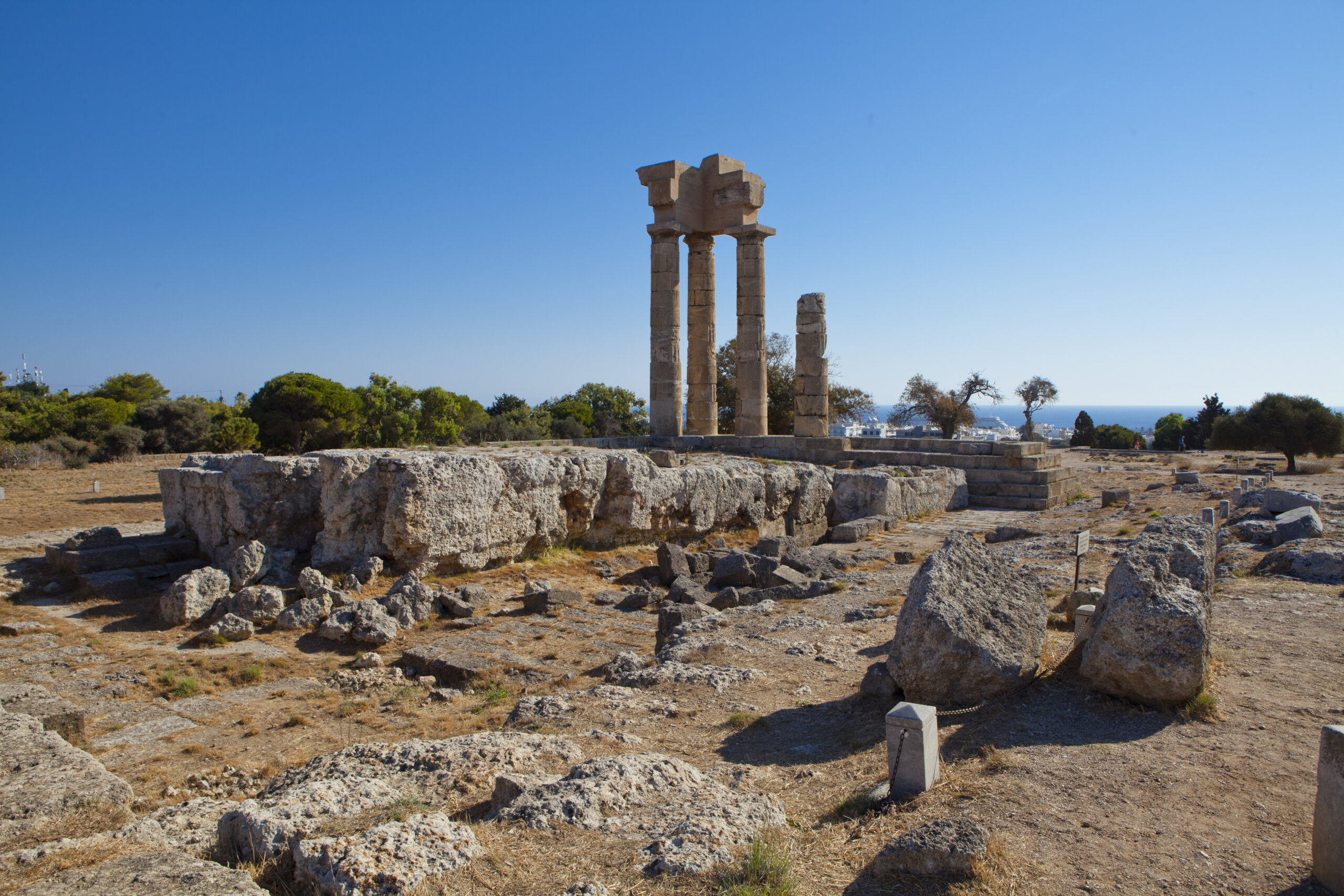
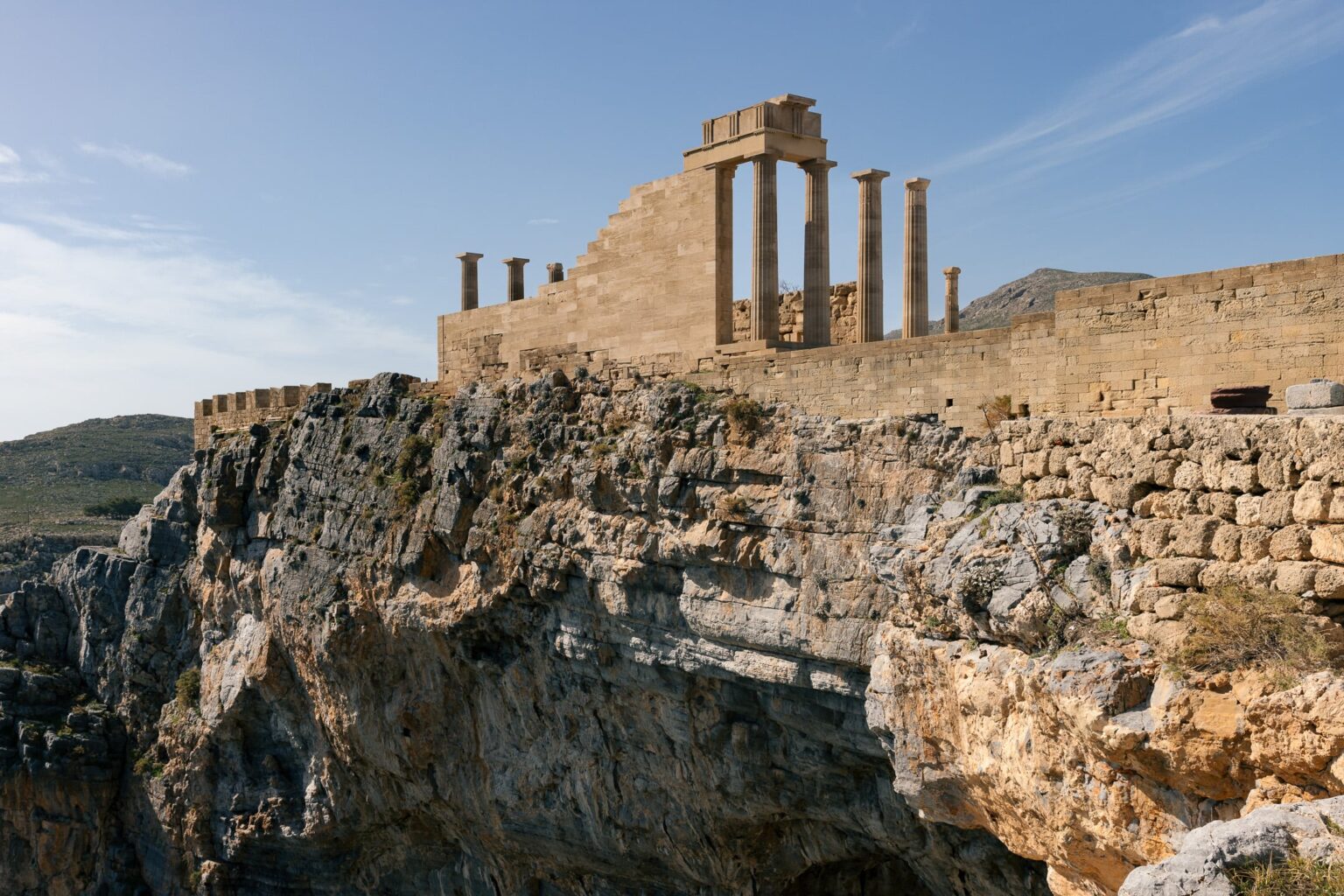
The acropolis of Lindos was always the heart of the settlement. The cult of the goddess Athena on the acropolis likely began in the 9th century BC. Historical sources cite that in the 6th century BC, Cleobulus, tyrant of Lindos and one of the Seven Sages of antiquity, restored the Sanctuary of Athena Lindia, which gained great renown in the Classical and Hellenistic periods.
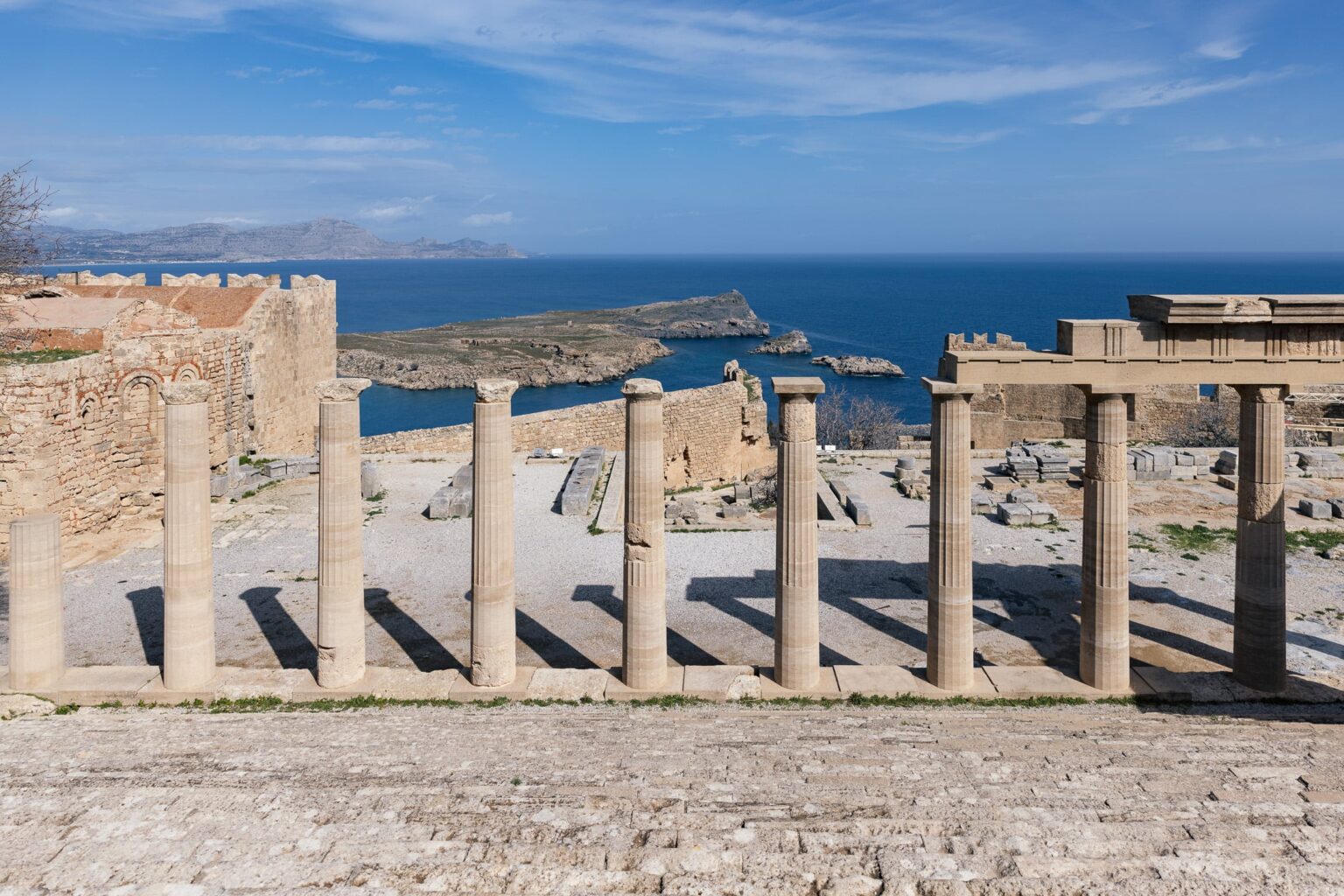
The Doric Temple of Athena Lindia – tetrastyle and amphiprostyle -, which only survives in part, was built in the 4th century BC, as were the Propylaea of the sanctuary with their monumental staircase. The “Hellenistic Stoa”, a building 87 meters long with 42 columns, was erected a little later.
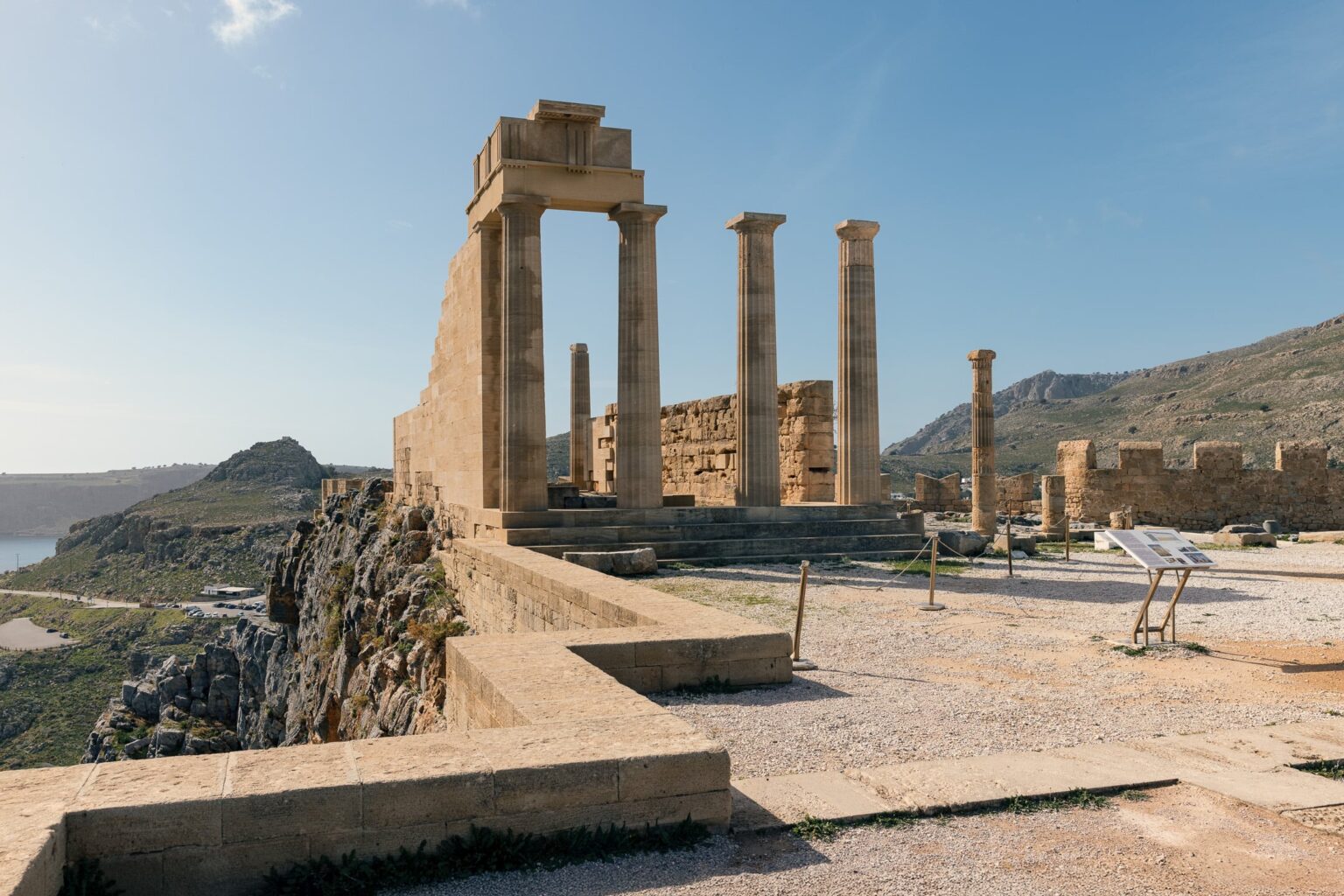
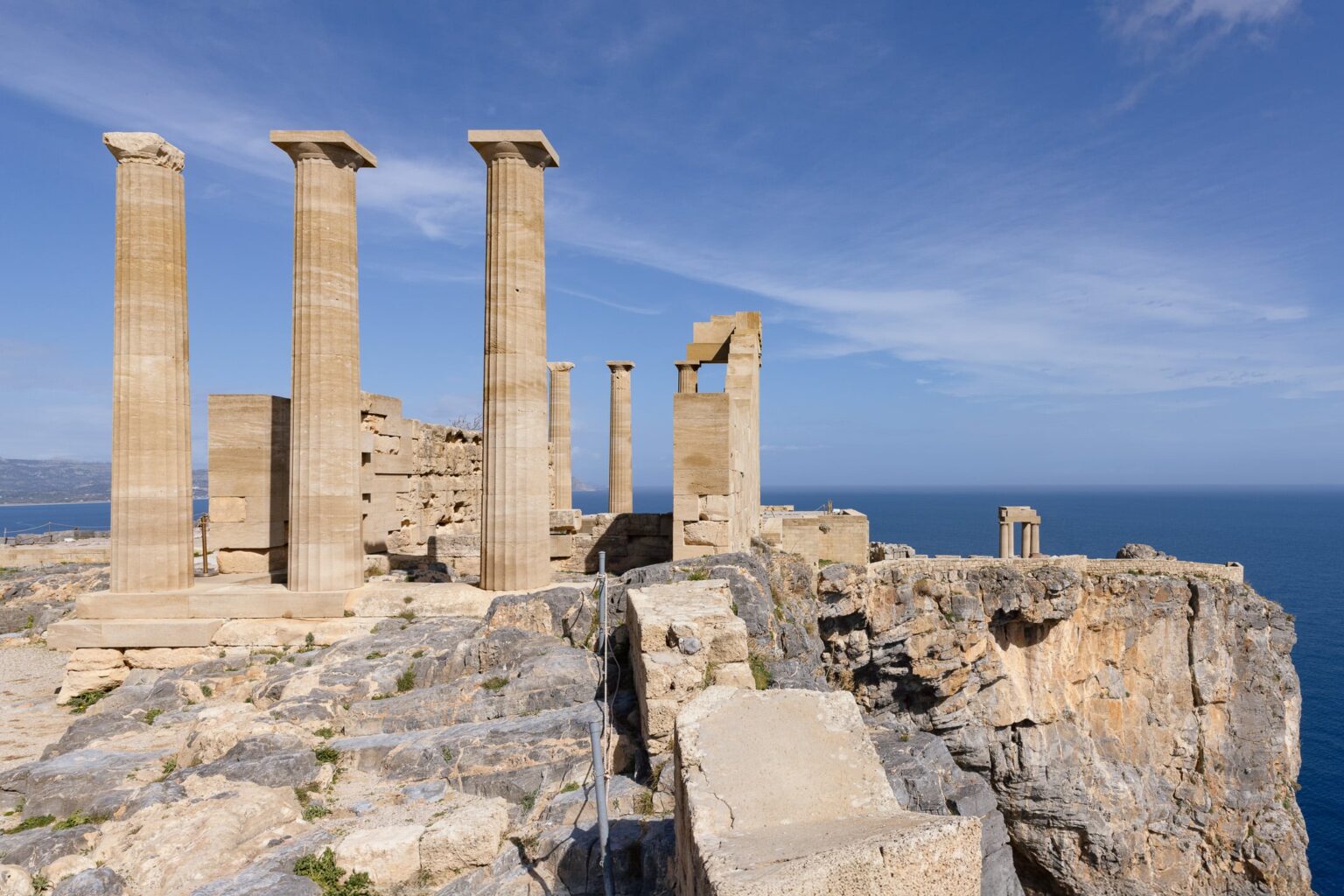
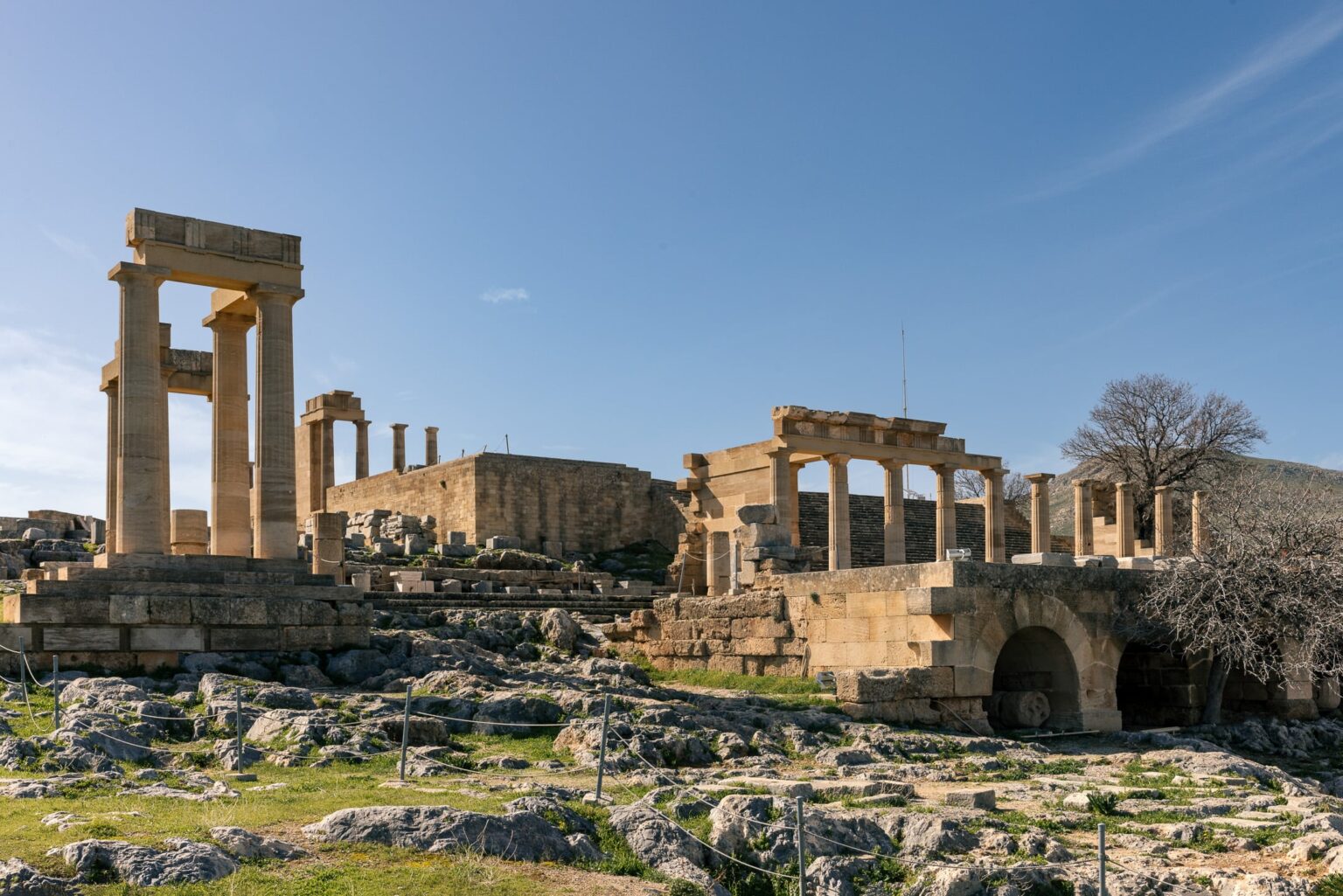
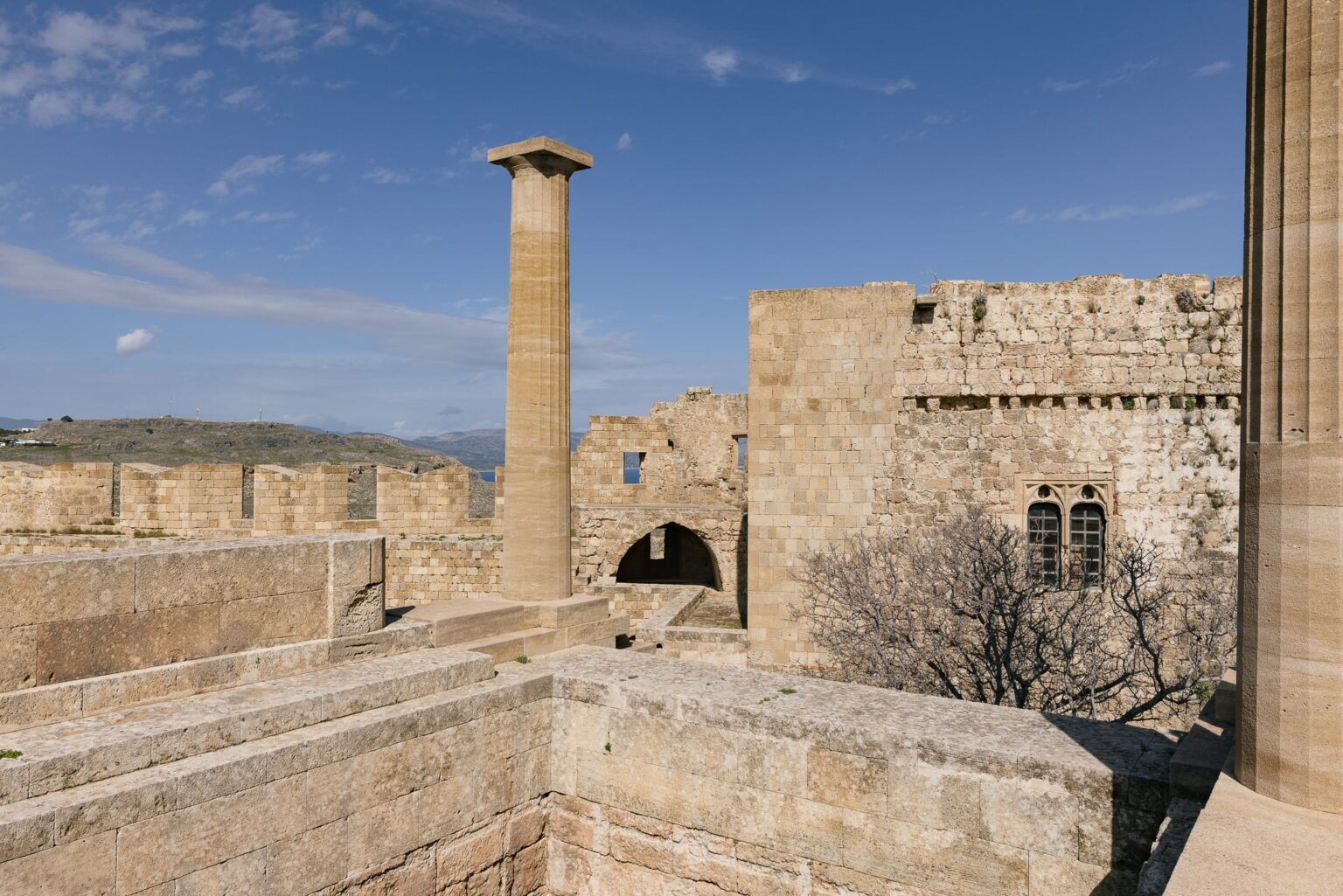
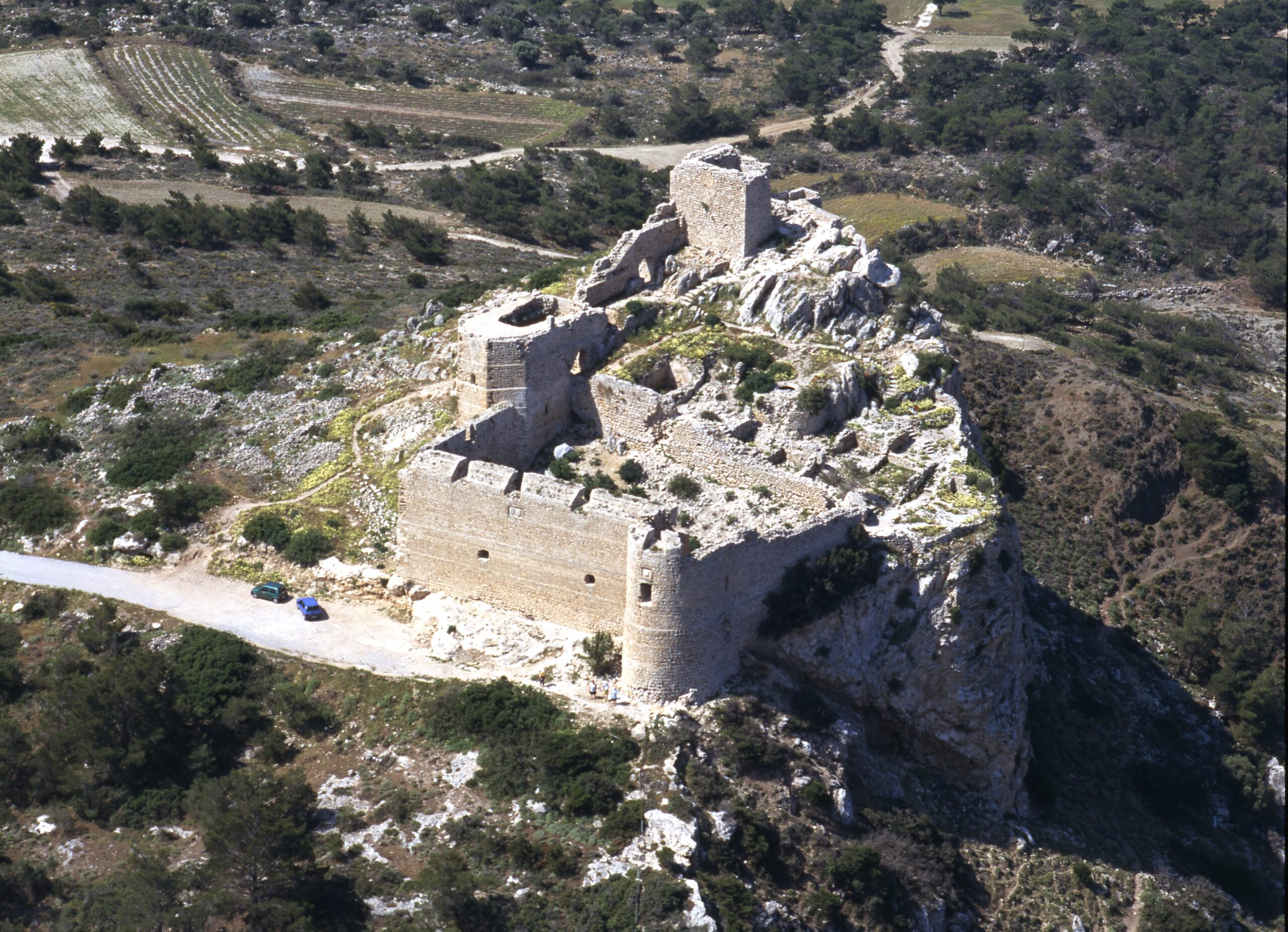
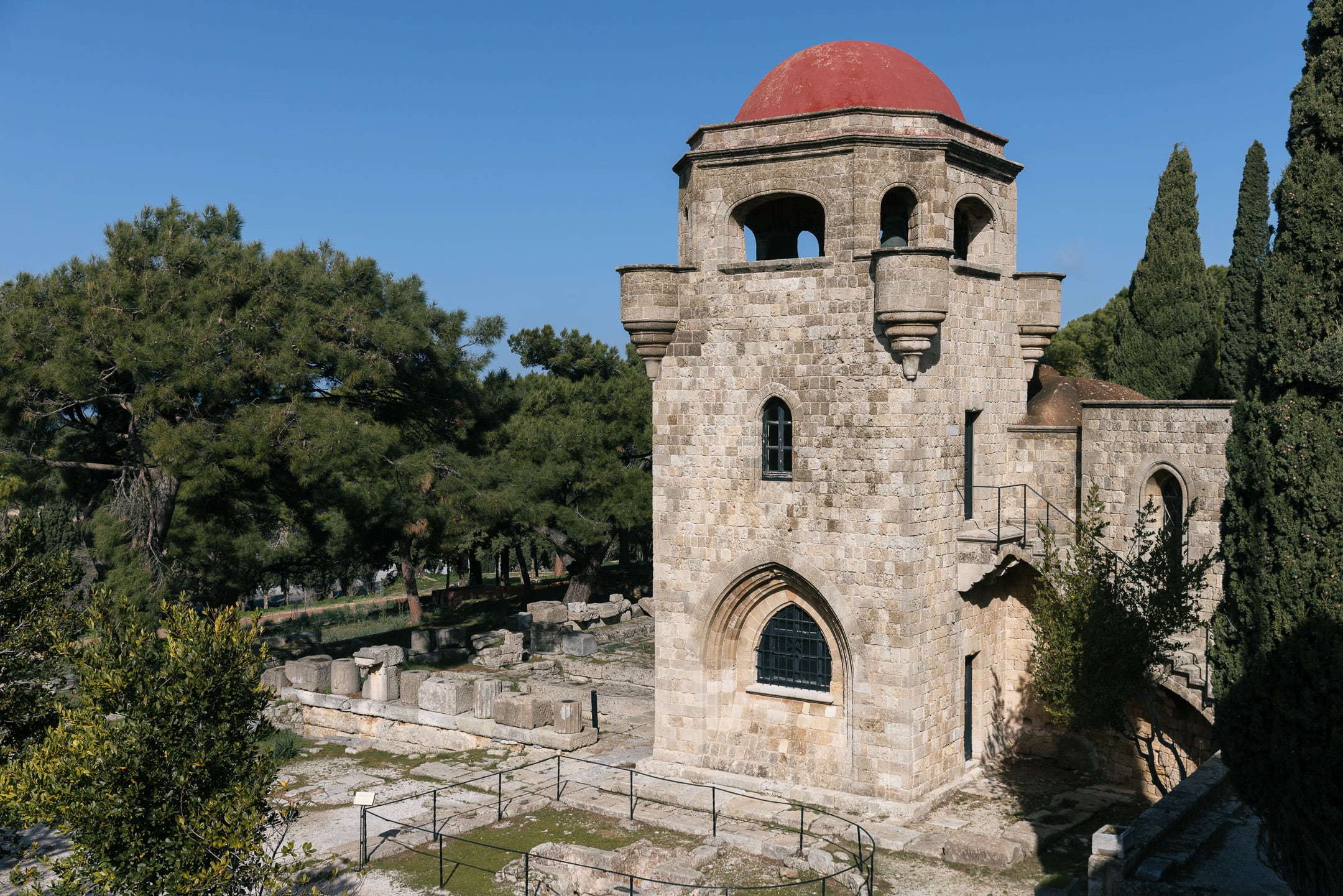
During the Knights era, the Hospitallers strengthened the fortification walls of the acropolis, expanding the earlier Byzantine defenses and shaping their appearance to what it is today. The Commandery, the residence of the governor of Lindos, was constructed at the same time, while the Byzantine church was dedicated to Saint John, the patron of the Order of the Knights.
Directions
85107, Lindos
On foot
10 minutes from the traditional settlement of Lindos
By car
1 hour from the city of Rhodes
Opening hours
Summer hours
April 1 – August 31
Daily: 08:00 – 20:00
September 1 – 15
Daily: 08:00 – 19:30
September 16 – 30
Daily: 08:00 – 19:00
October 1 – 15
Daily: 08:00 – 18:30
October 16 – 31
Daily: 08:00 – 18:00
Winter hours
November 1 – March 31
Mon: 08:30 – 15:30
Tue: Closed
Wed: 08:30 – 15:30
Thu: 08:30 – 15:30
Fri: 08:30 – 15:30
Sat: 08:30 – 15:30
Sun: 08:30 – 15:30
Last admission: 20 minutes before closing time
The site remains closed on the following dates and public holidays: January 1, March 25, May 1, Easter Sunday, December 25 & 26.
The site remains closed on the following dates and public holidays: January 1, March 25, May 1, Easter Sunday, December 25 & 26.
Tickets
Full ticket: €20.00
Reduced ticket: €10.00
Admission is free on March 6, April 18, May 18, the last weekend of September, on October 28, as well as on the first and third Sunday of each month between November 1 and March 31.
Amenities
Café / Restaurant
Shop
WC
Parking
Contact
Ephorate of Antiquities of the Dodecanese
Τ: +30 22413 65200
Ε: efadod@culture.gr