

In the then-marshy plain of Marathon, in 490 BC, the Athenians and their allies defeated the vast Persian army, halting its advance into Europe.
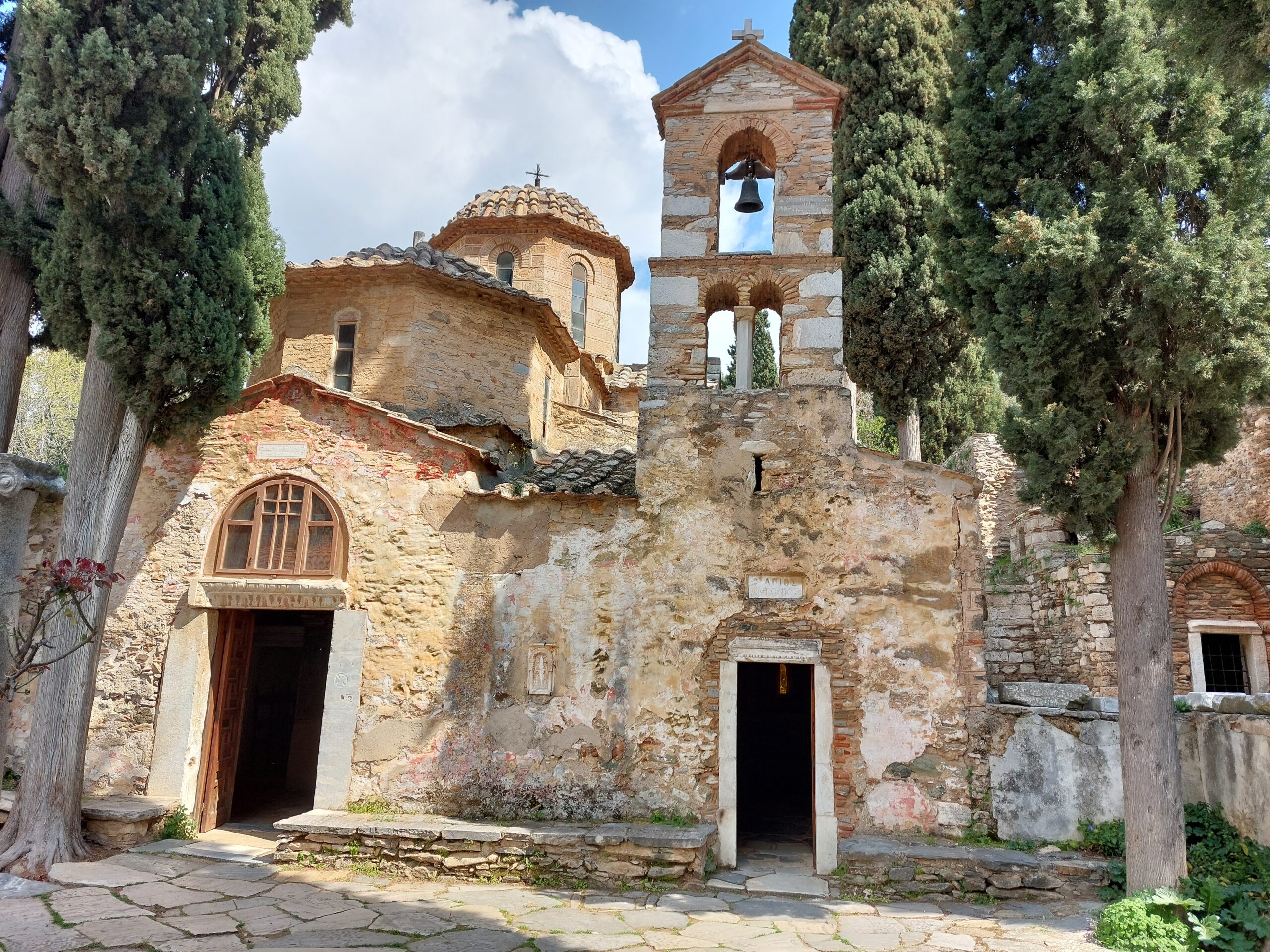
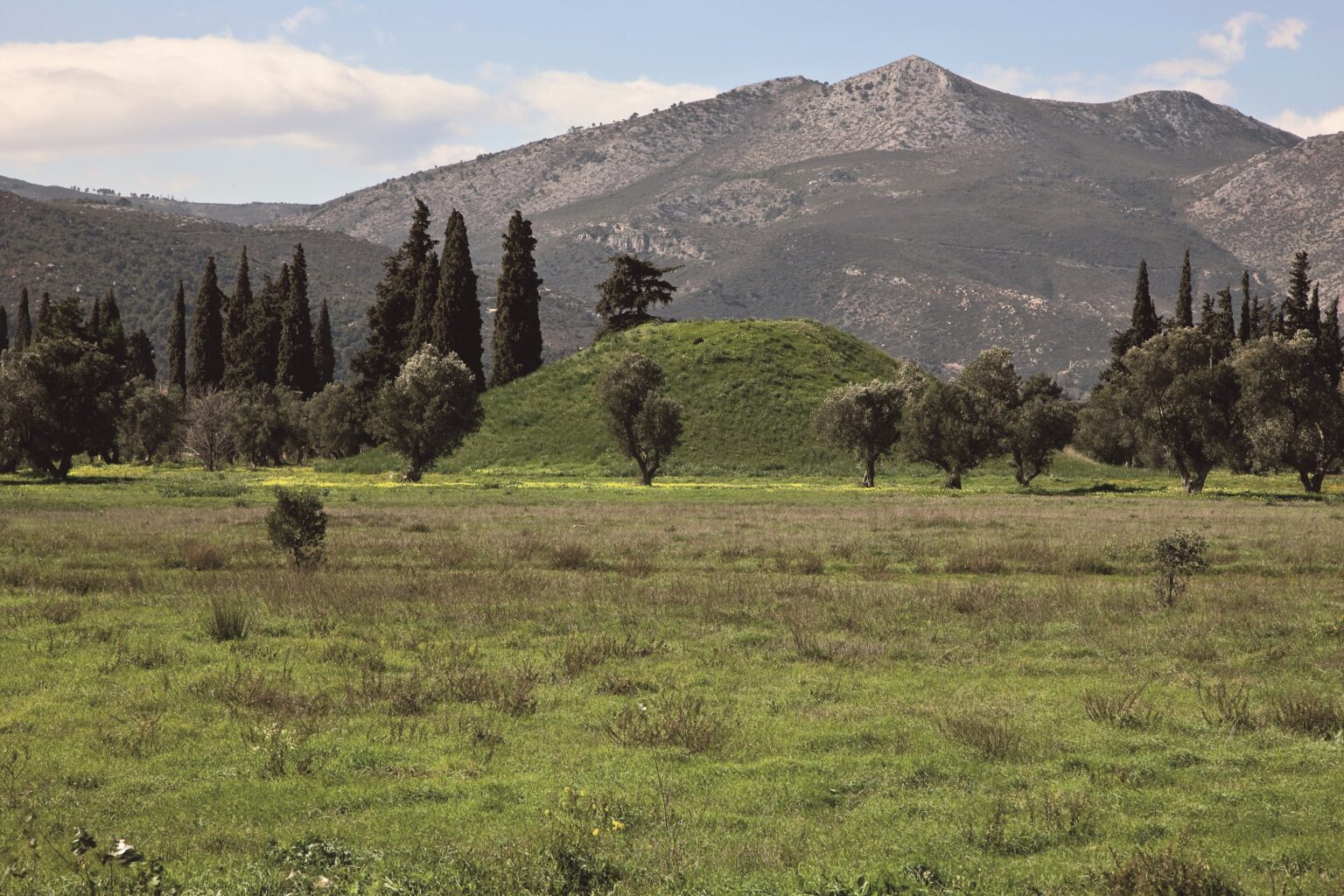
This battle proved decisive for the course of history, symbolizing the triumph of the ideals of democracy over autocracy. The Athenian hoplites who fell in the battle were buried, as was customary, near the battlefield. The tumulus that covered them – a mound of earth nine meters high – has survived through the centuries and remains the most famous monument of Marathon. Shortly afterward, the Athenians also erected a marble victory trophy. The original fragments are preserved in the Archaeological Museum of Marathon, while a replica stands in its original location at Mesosporitissa, near the post-Byzantine church of the Virgin Mary.
At the Archaeological Museum of Marathon, visitors can trace the history of habitation in the area from the Neolithic period (6th – 4th millennium BC) to the Bronze Age (3rd – 2nd millennium BC). The latter period includes visitable archaeological sites such as the large, organized early-period cemetery at Tsepi and the imposing mid-period tumulus cemetery at Vranas, adjacent to the Museum.


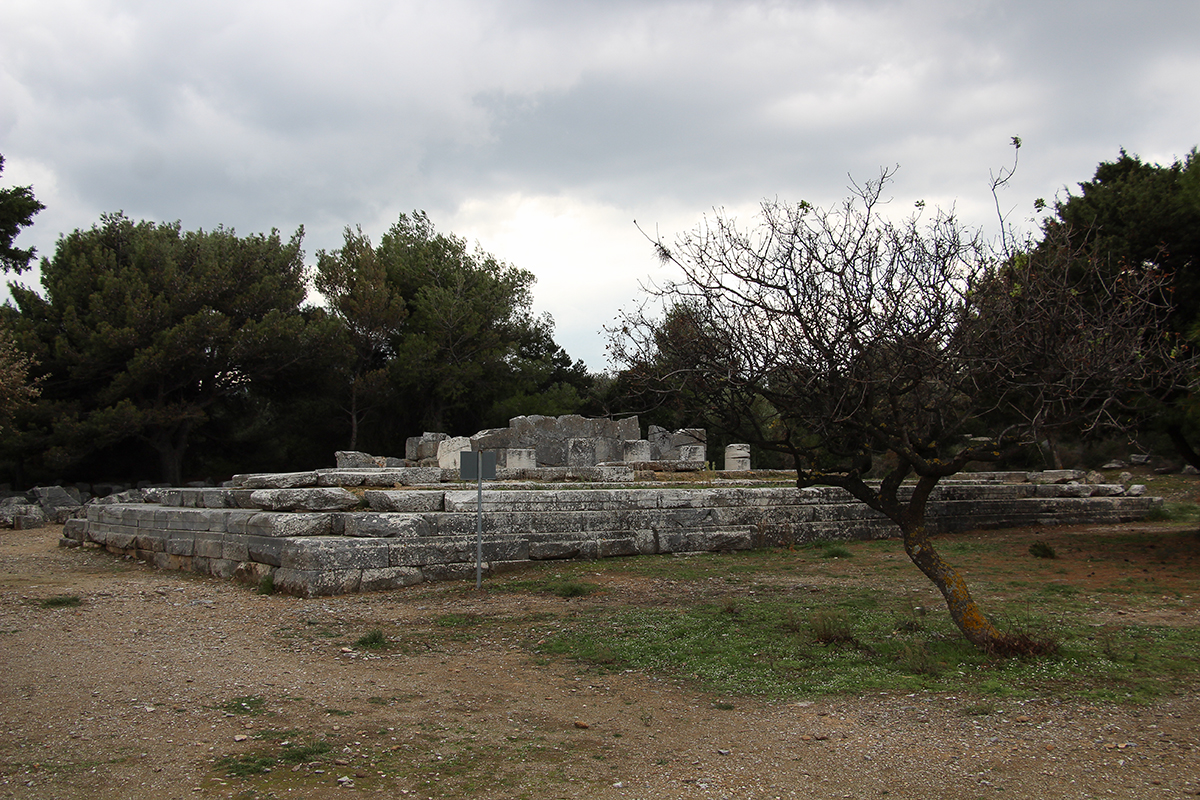
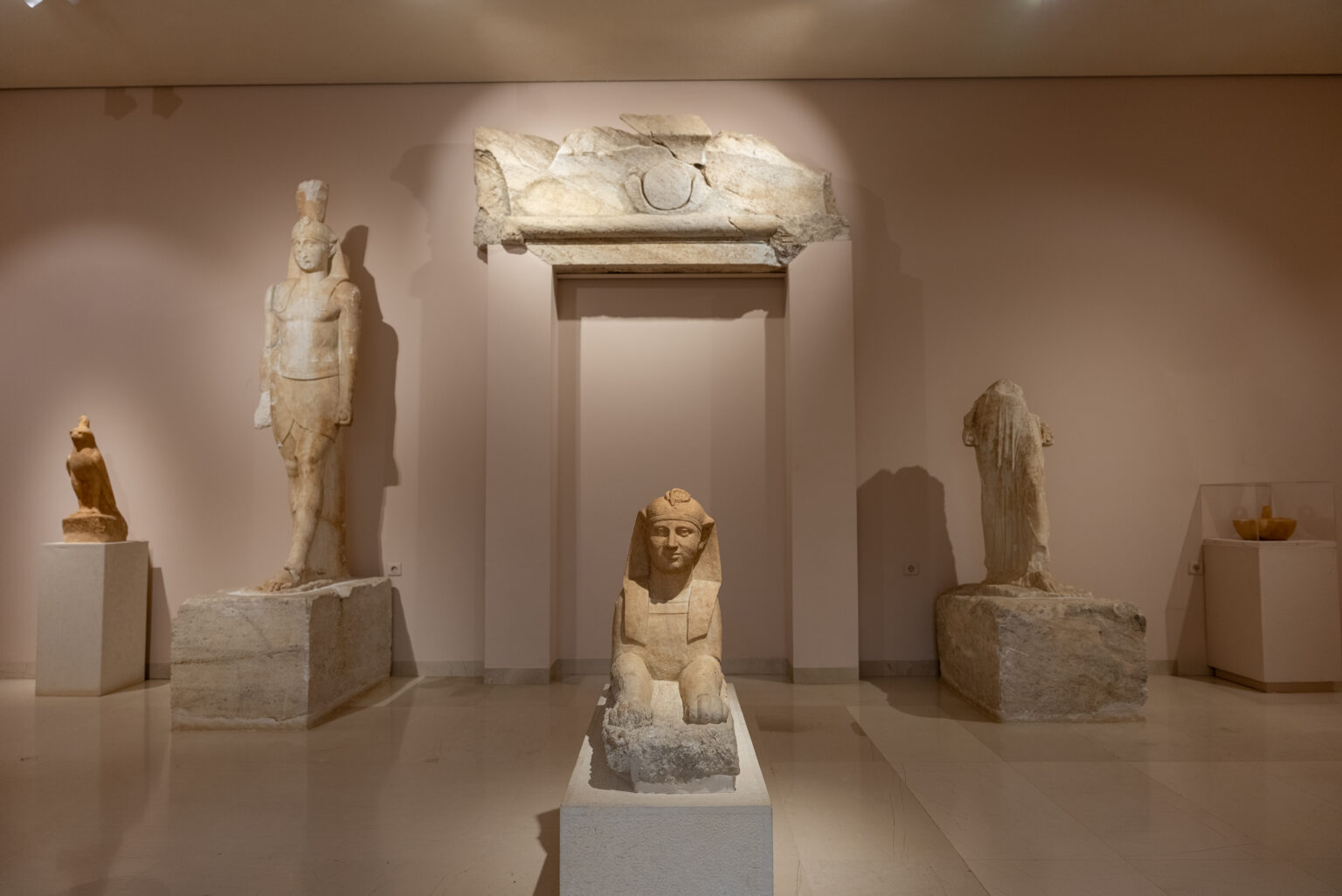
Equally impressive are the finds and funerary sculptures from the historical periods. Of particular importance are the busts of the orator and sophist Herodes Atticus and his pupils, which once adorned his villa and estate (2nd century AD). Also noteworthy are the colossal Egyptian-style statues that stood in the sanctuary of the Egyptian gods at Mikró Elos (Brexiza) in Nea Makri, founded by Herodes in imitation of a similar sanctuary in the Nile Delta. A replica of the head of the “Marathon Boy” serves as a tactile exhibit for visitors with visual impairments.
Directions
Archaeological Site of the Tumulus of the Athenian Marathon Warriors
Agiou Panteleimonos St, 19007, Marathon
Archaeological Museum of Marathon & Archaeological Sites of Vrana and Tsepi
114 Plataion St, 19007, Marathon
Archaeological Site of Brexiza
End of Nireos St (Agia Kyriaki), 19005, Nea Makri
Approximately 50 minutes from the center of Athens
Opening hours
April 1 – October 31
Mon: 08:30 – 15:30
Tue: closed
Wed: 08:30 – 15:30
Thu: 08:30 – 15:30
Fri: 08:30 – 15:30
Sat: 08:30 – 15:30
Sun: 08:30 – 15:30
November 1 – March 31
Mon: 08:30 – 15:30
Tue: closed
Wed: 08:30 – 15:30
Thu: 08:30 – 15:30
Fri: 08:30 – 15:30
Sat: 08:30 – 15:30
Sun: 08:30 – 15:30
The site remains closed on the following dates and public holidays: January 1, March 25, May 1, Easter Sunday, December 25 & 26.
Tickets
Archaeological Site of Marathon
Full: €5.00
Reduced: €3.00
Archaeological Museum of Marathon
Full: €5.00
Reduced: €3.00
Archaeological Site of Brexiza
Full: €5.00
Reduced: €3.00
Amenities
Contact
Archaeological Site of the Tumulus of the Athenian Marathon Warriors
T: +30 22940 55462
Archaeological Museum of Marathon
T: +30 22940 55155
E: ammar@culture.gr
Archaeological Site of Brexiza
T: +30 22940 94020