The little-known cosmopolitan side of ancient Samos
Routes
Few people probably know that Samos, a distinctly family-friendly island nowadays, was a dominant power in the Aegean during the 6th century BC, later becoming the summer resort of choice for many prominent Romans.
Although the island is mostly associated with Mark Antony and Cleopatra, Hadrian and Octavian Augustus, who favored it for their summer holidays, ancient Samos flourished well before forming part of the Roman Empire. The powerful fleet of tyrant Polycrates turned it into a reigning force in the Aegean during the 6th century BC, with strong colonial tendencies and a robust commercial activity. Culture and science thrived alongside economic growth, with the emblematic mathematician and philosopher Pythagoras still staking his claim as the island’s trademark.
The prosperity that stretched from the Archaic to the Hellenistic period is clearly reflected in the monuments scattered across Samos’ lush green landscape. The Tunnel of Eupalinos, an underground aqueduct carved through a mountain, is now widely regarded as a marvel of engineering. The nearby Archaeological Museum of Pythagoreio, one of the most beautiful museums in the North Aegean, is a testament to the island’s deep devotion to mother-goddess Hera, while also revealing the Samians’ love of the good life. Wine-drinking and viticulture were intricately entwined with local tradition ever since Dionysus taught the inhabitants the art of cultivating the vine, after he arrived on their island in pursuit of the Amazons – or so myth would have it.
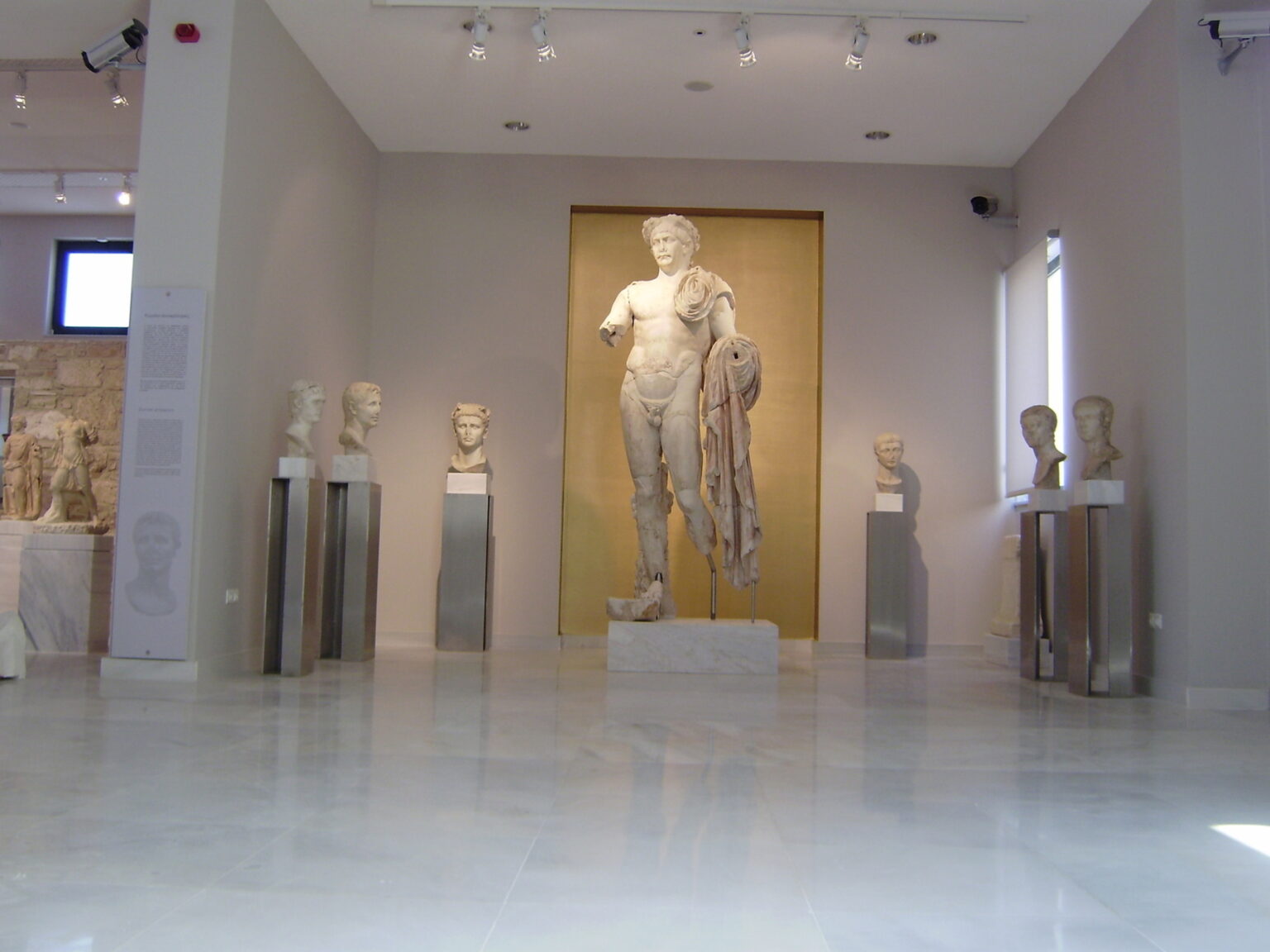
The Heraion of Samos is solely dedicated to the island’s patron goddess. The archaeological site betrays elements of the inhabitants’ vanity, as they insisted on building one temple after another in her name, despite the ground being completely unsuitable for construction. Artifacts from the Heraion can be admired at the Archaeological Museum of Vathy, which also houses the famous five-meter Kouros of Samos and the sculptural “ensemble” of Geneleos.
1
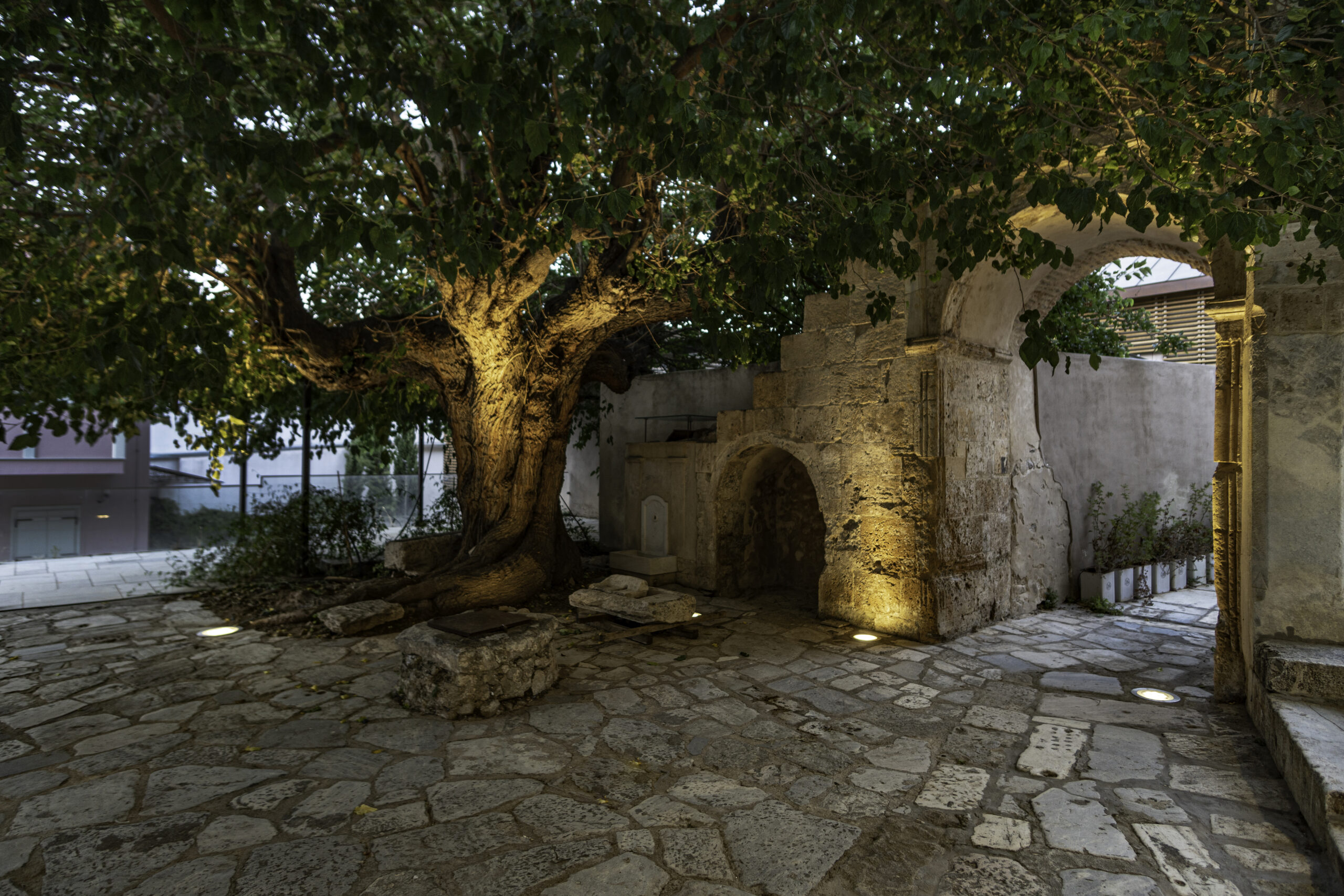
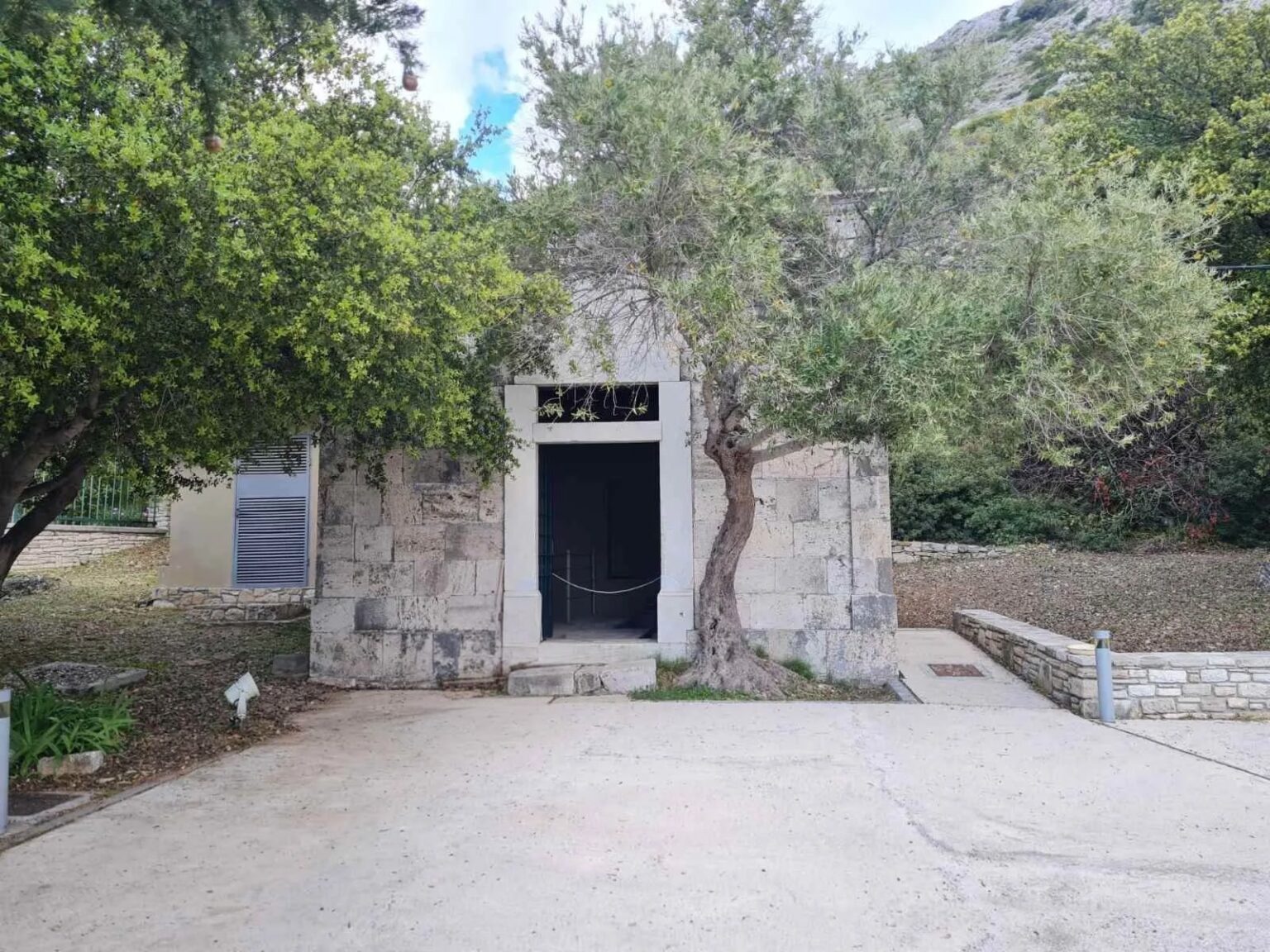
Tunnel of Eupalinos: A unique feat in the history of engineering
How long does it take to dig a 1km long tunnel in solid rock with a hammer and chisel? The answer is about eight to ten years, but that did not stop Eupalinos, the ancient Greek engineer responsible for the construction of the Eupalinos Tunnel, an aqueduct at Pythagoreio, in Samos.
2
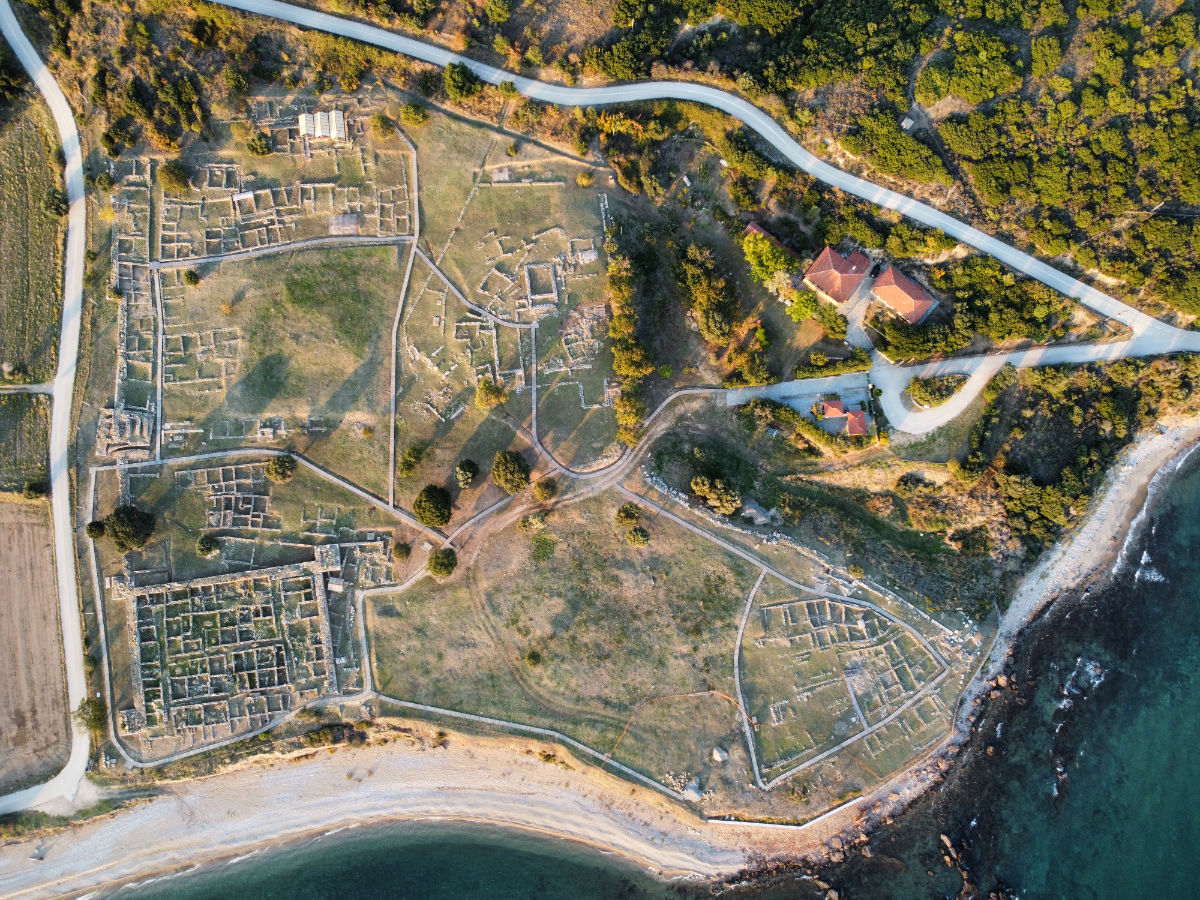
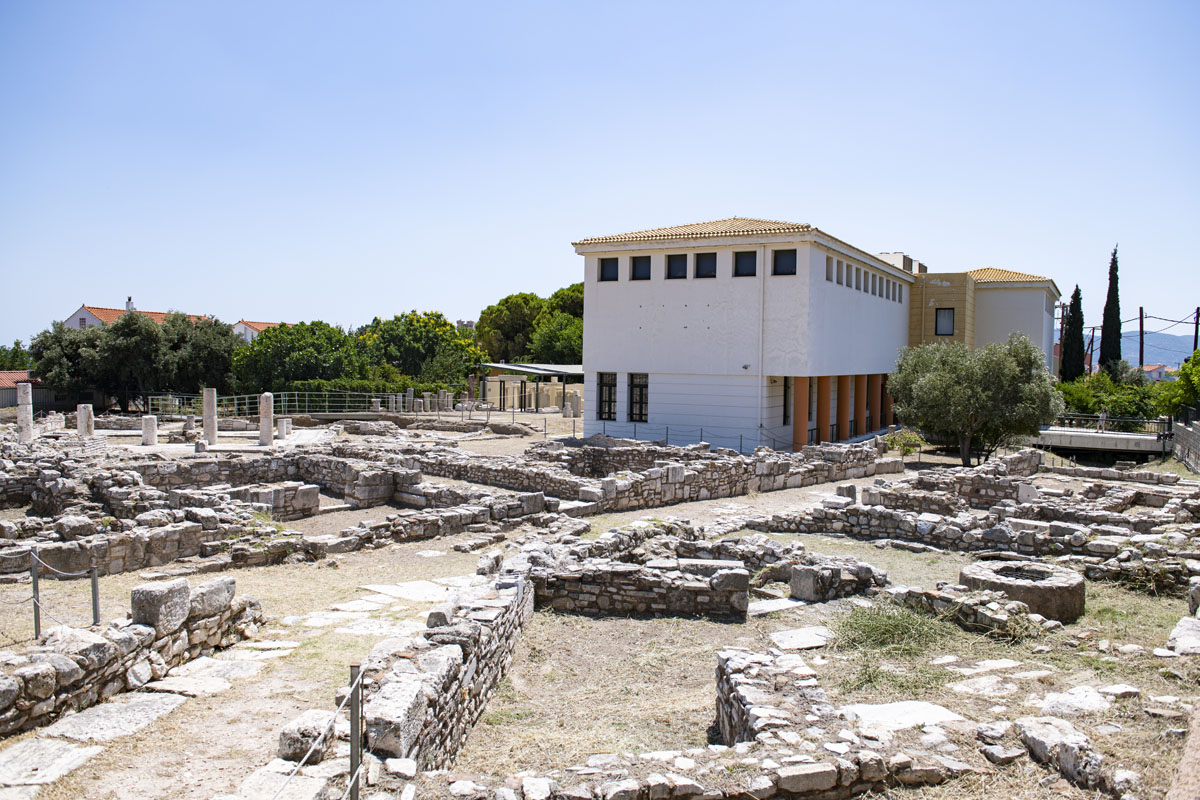
Archaeological Museum of Pythagoreio: Illuminating the different facets of ancient Samos
The ancient Samians knew how to enjoy the good life and never missed out on an opportunity to organize festivals in honor of Hera, the mother goddess, whose worship was a major influence of life on the island.
3
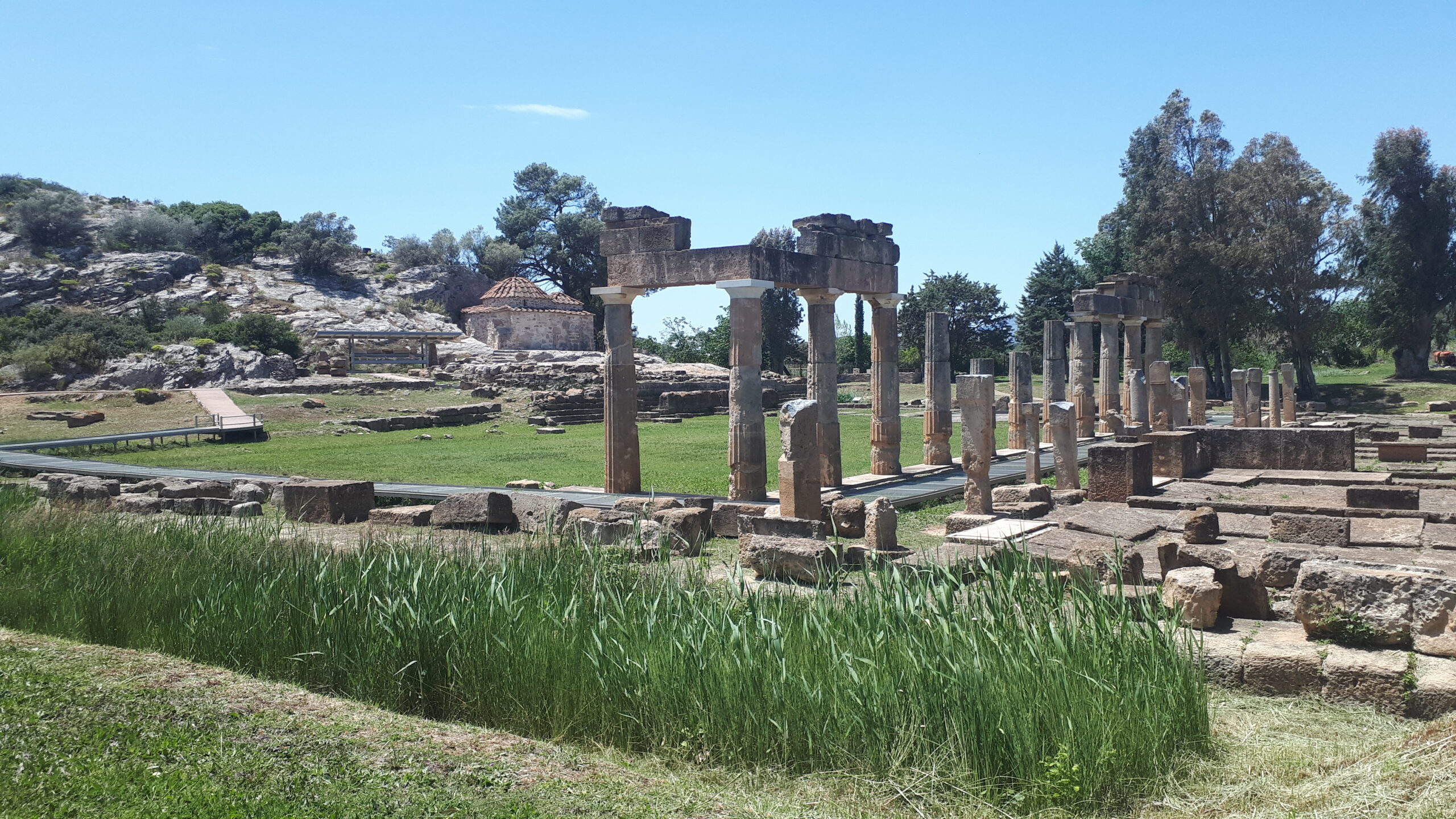
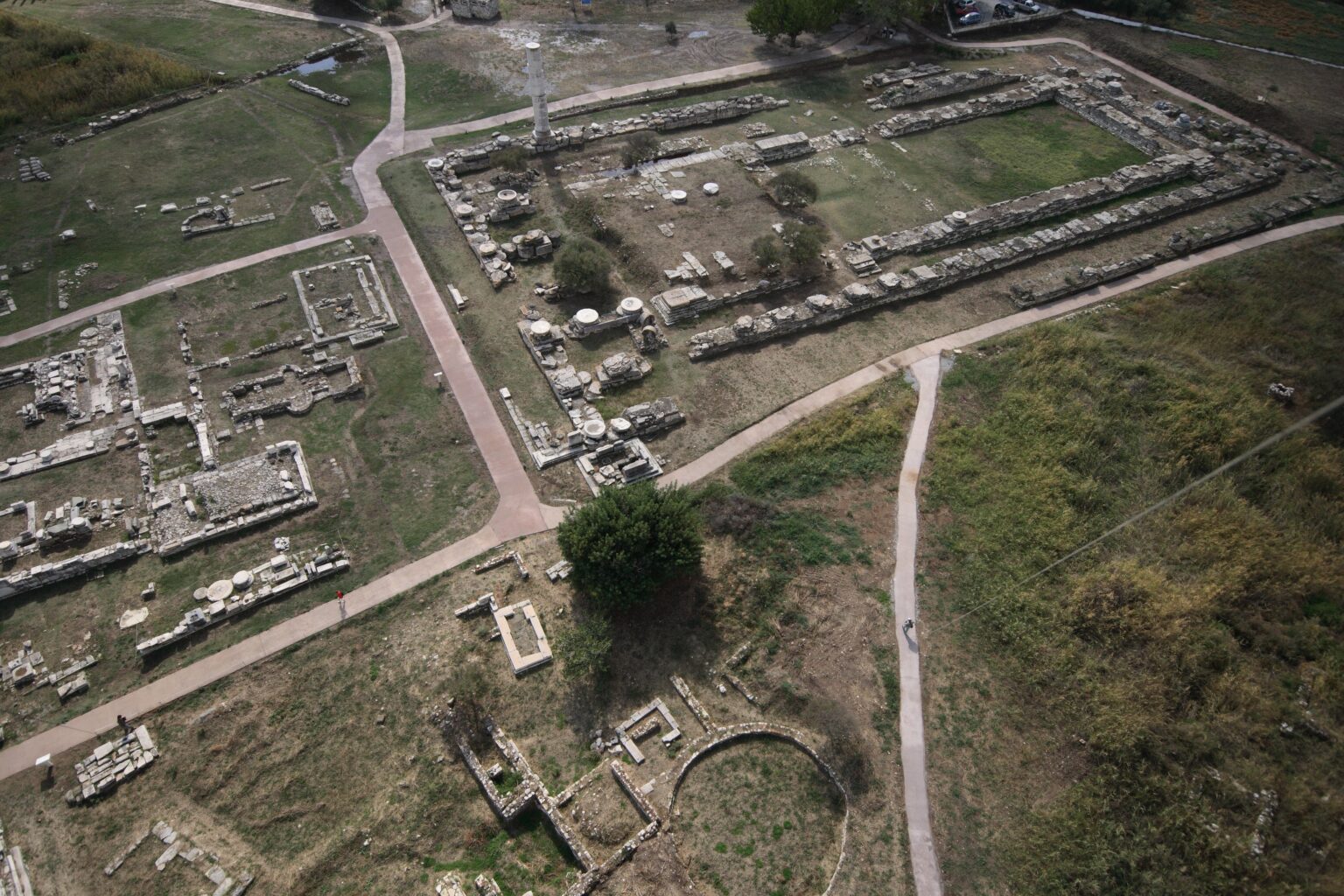
Heraion of Samos: A majestic sanctuary dedicated to the island’s patron goddess
The Heraion of Samos was one of the most important sanctuaries of antiquity, with successive phases and finds dating back to the 2nd millennium BC.
4
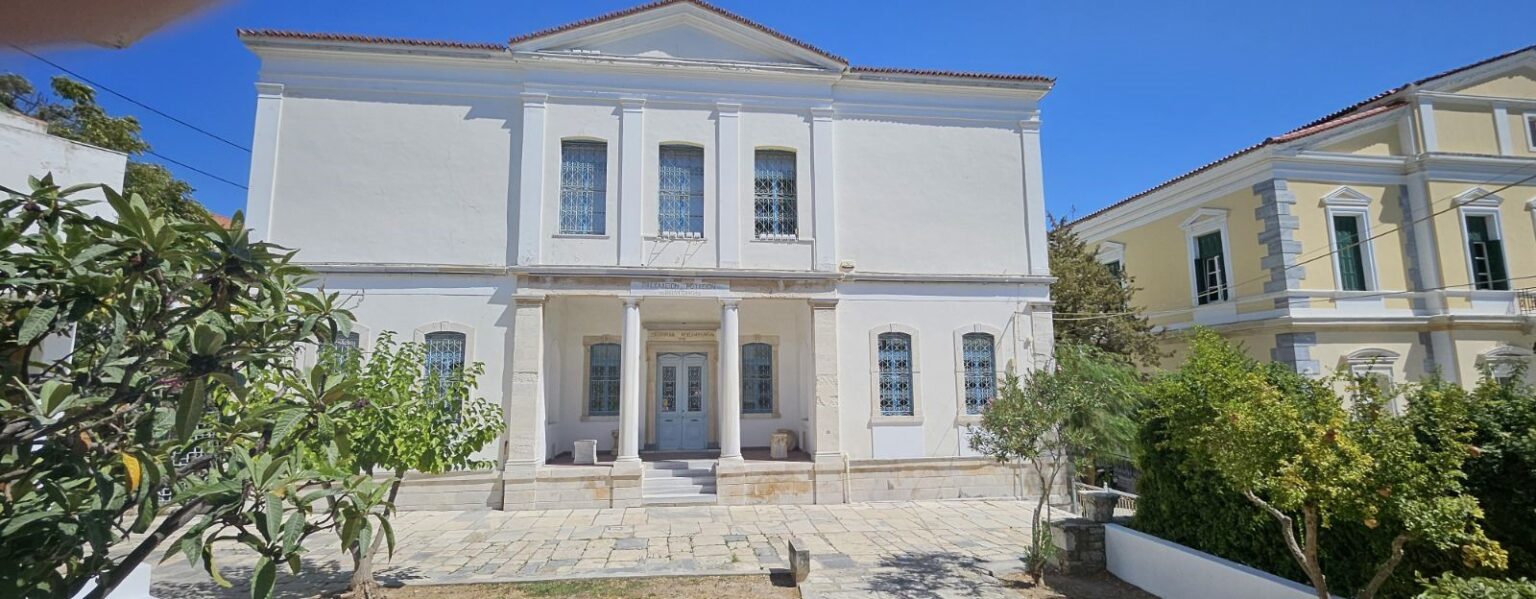
Archaeological Museum of Vathy: In the homeland of the giant kouros
The Archaeological Museum of Vathy takes up two buildings: the historic “Paschaleion Archeofylakeion”, an archaeological archive constructed in 1912, and a new facility completed in 1987, funded by the Volkswagen Cultural Foundation.