
The Antikythera Mechanism: The world’s first analog “computer”
The Antikythera Mechanism does not give away its secrets all at once. It would actually be pretty easy to pass it up while walking around a museum, since it is not the most visually stunning find recovered from the famous Antikythera shipwreck.
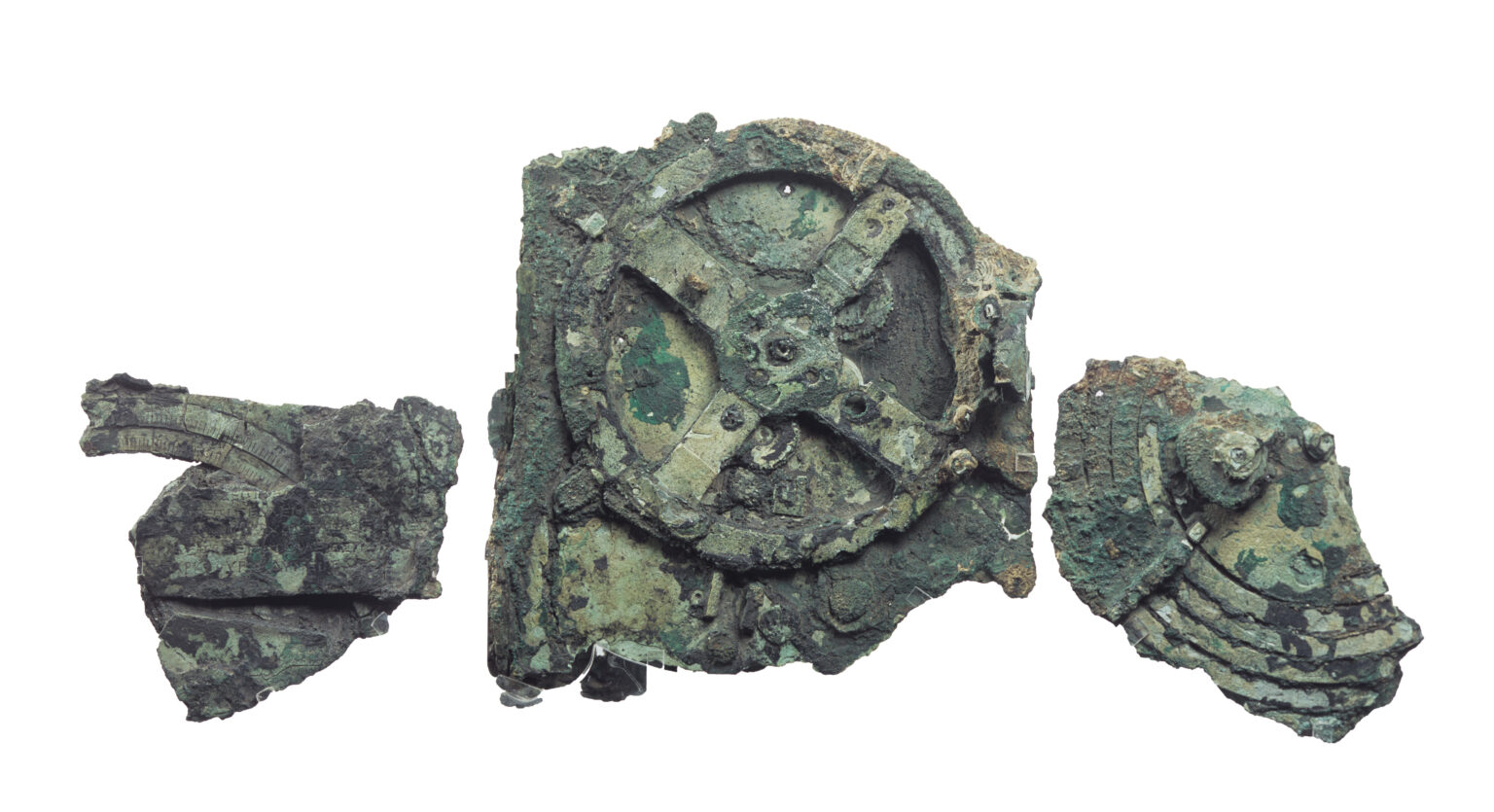
The submerged cargo ship, discovered in 1900 by sponge divers from the island of Symi, concealed far more photogenic treasures, the most important of which was no doubt the Antikythera Ephebe. In fact, a naval officer who took part in the first recovery mission mistook the Mechanism for a worthless piece of rock and nearly threw it back into the sea. The underwater archaeological dig took place in two distinct phases and was so arduous it cost one diver his life, while two others were left permanently paralyzed.
A naval officer who took part in the first recovery mission, mistook the Antikythera Mechanism for a worthless piece of rock and nearly threw it back into the sea.
Nowadays, the Antikythera Mechanism is on display at the National Archaeological Museum and has been restored to an impressive degree, although it continues to keep many of its secrets close to the chest. At first sight, it resembles the inside of a clock, with toothed gears rotating around various shafts. In its original form, it had 30 gears and 10 axles, which enabled it to calculate the movements of celestial bodies.
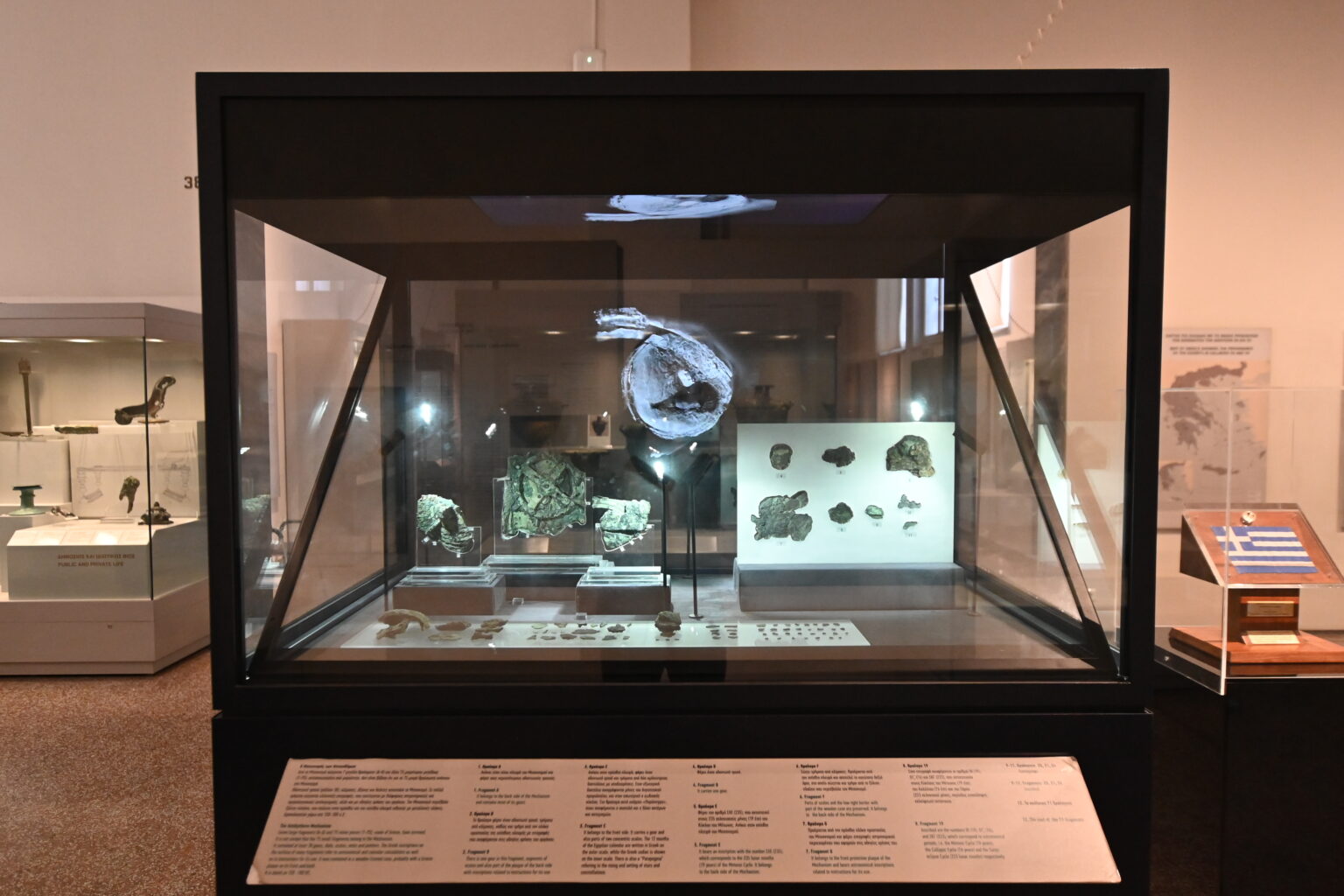
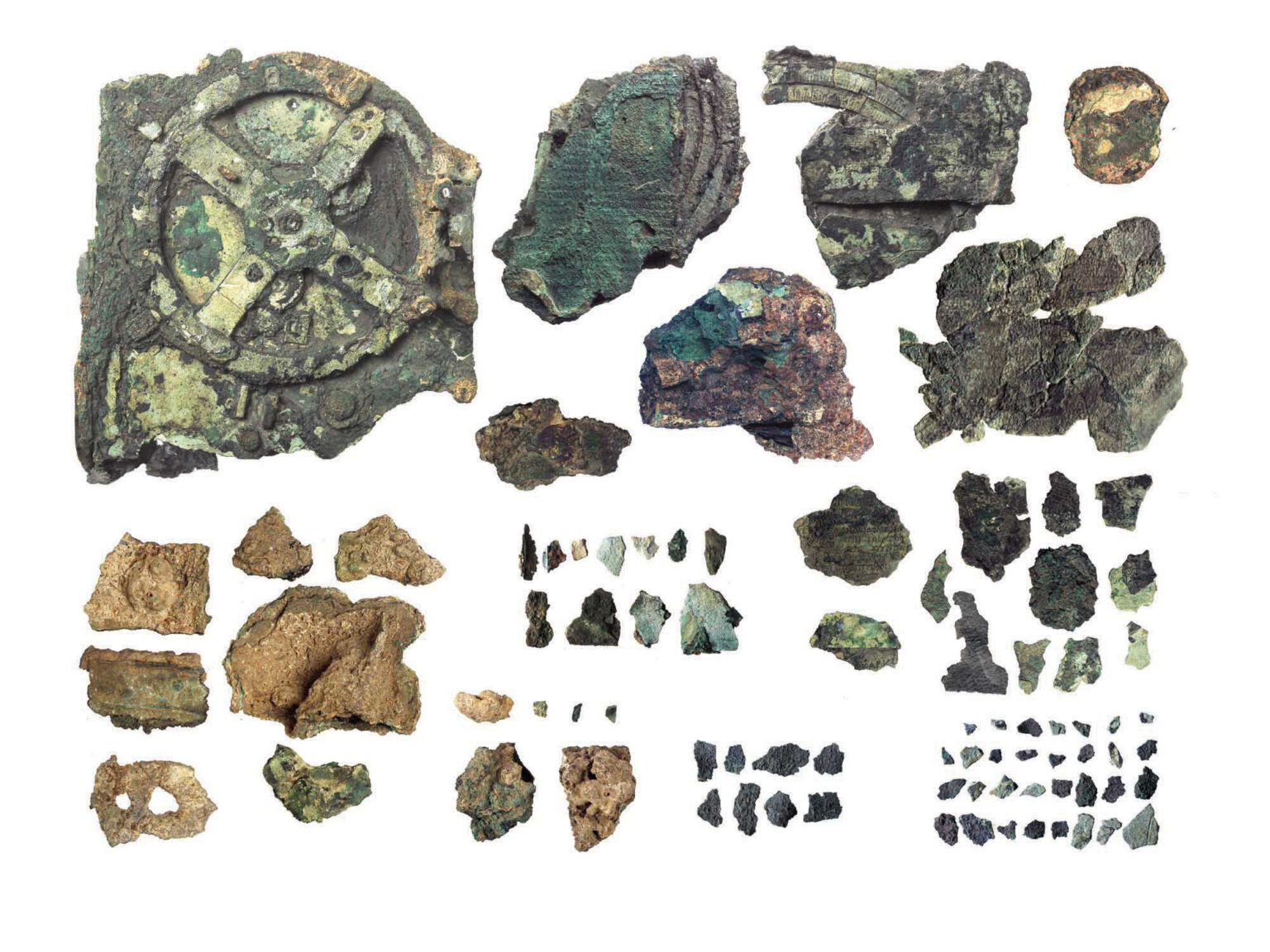
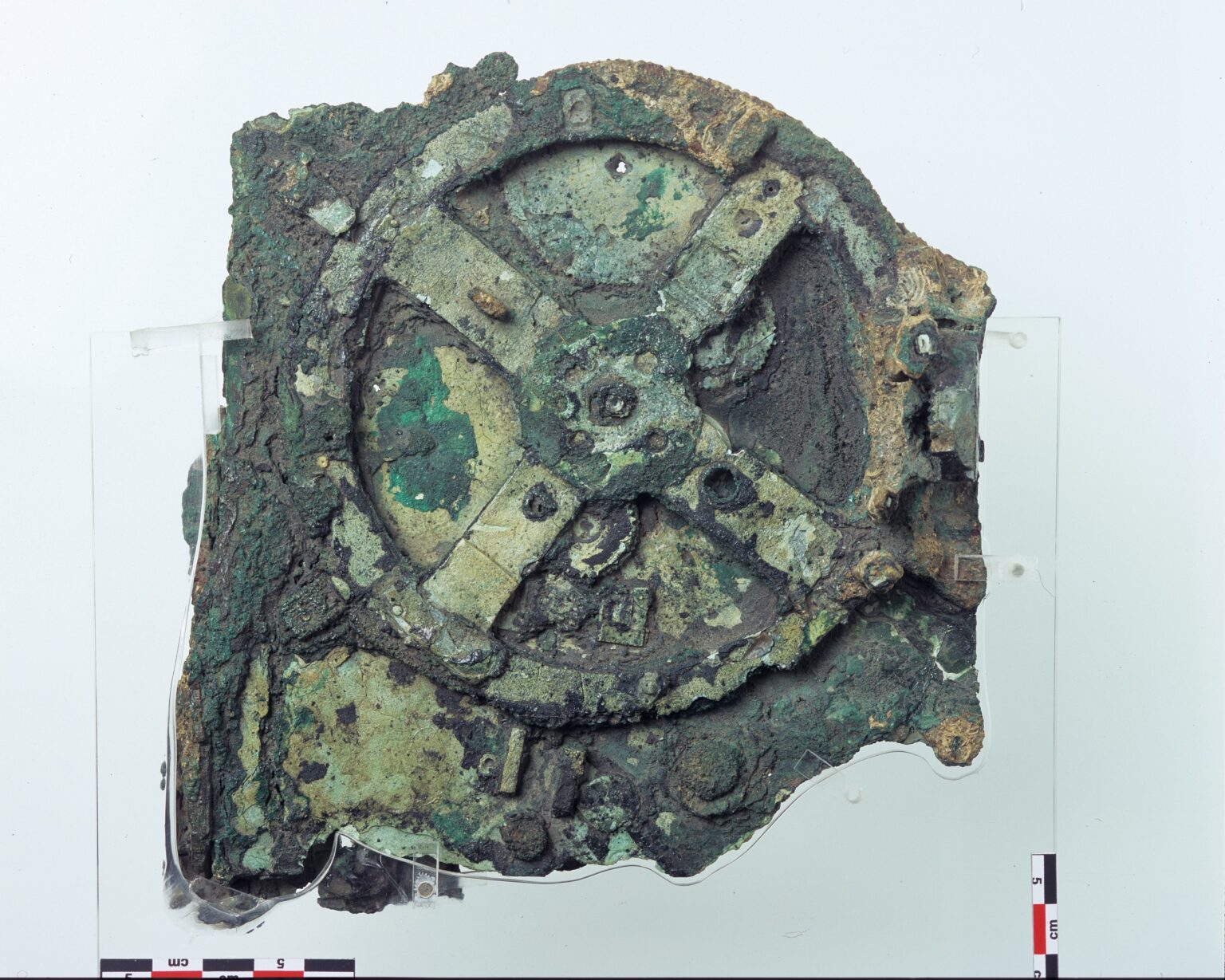
This portable “computer” could predict the phases of the Moon, solar and lunar eclipses, and even determine the dates of the most important athletic events in the ancient world, like the Olympic, Isthmian, Nemean and the Pythian games. All this knowledge was compact enough to fit inside a small wooden box, not much larger than a shoebox. It is considered the brain child of Archimedes and was more complex than anything built by humans in a thousand years.
The Antikythera Mechanism has been the subject of much speculation and extensive studies in both Greece and abroad. It has been scanned with gamma rays, digitally reconstructed, reproduced in precise replicas – and yet it continues to fascinate researchers, who believe it could perform calculations spanning hundreds of years into the past and the future
See also
The Antikythera Ephebe and the Roman Empire
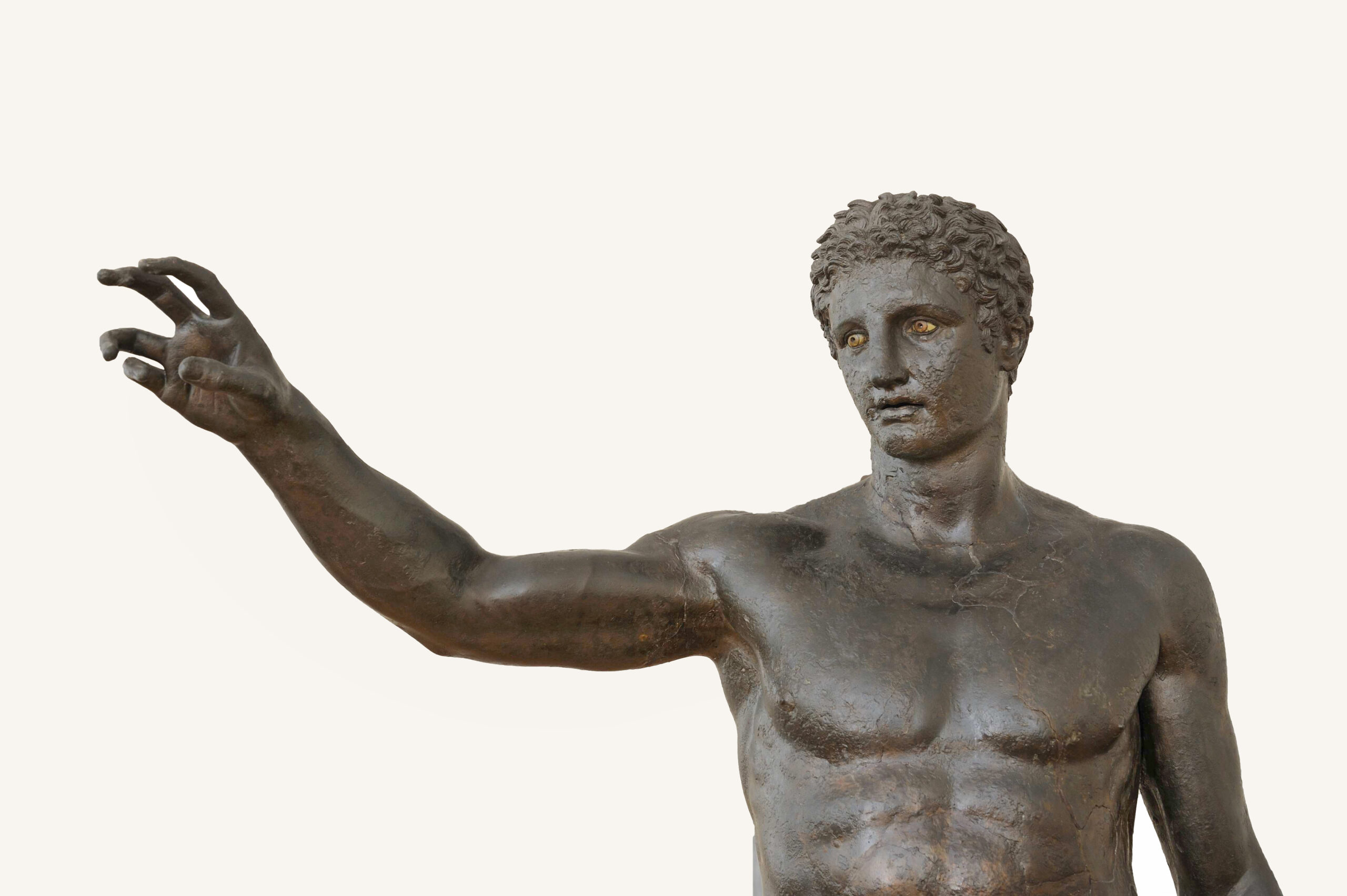
Few people know that most ancient Greek sculptures were actually cast in bronze. But bronze was a precious metal that lived many lives and tended to be reused over and over again, so many of those statues did not survive the passage of time.
The Phaistos Disc: An eternal enigma
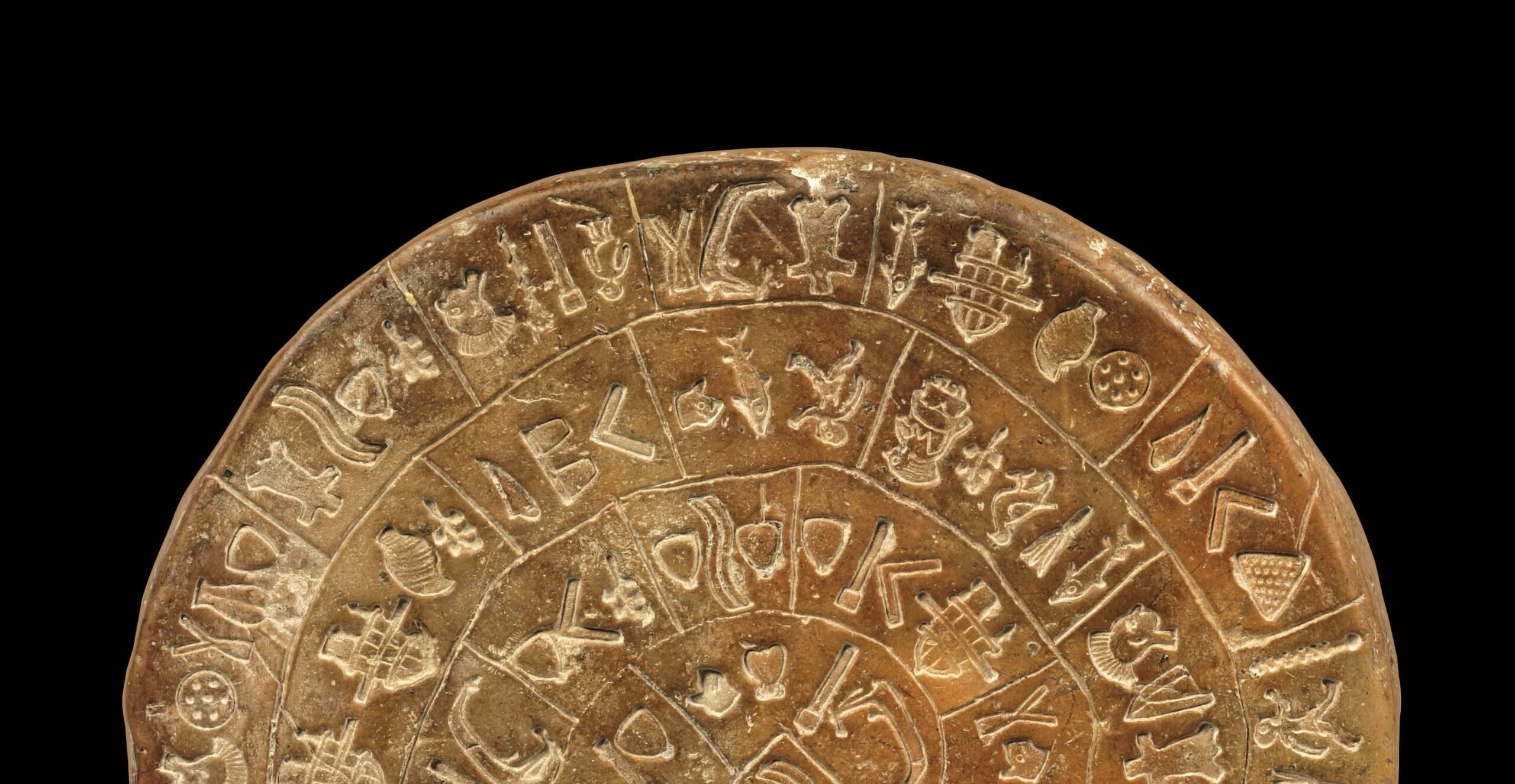
The Phaistos Disc is not just one of the most iconic discoveries of the Minoan civilization, but also one of the most enigmatic, with countless theories attempting to decipher its content.
Iphigenia in black and white
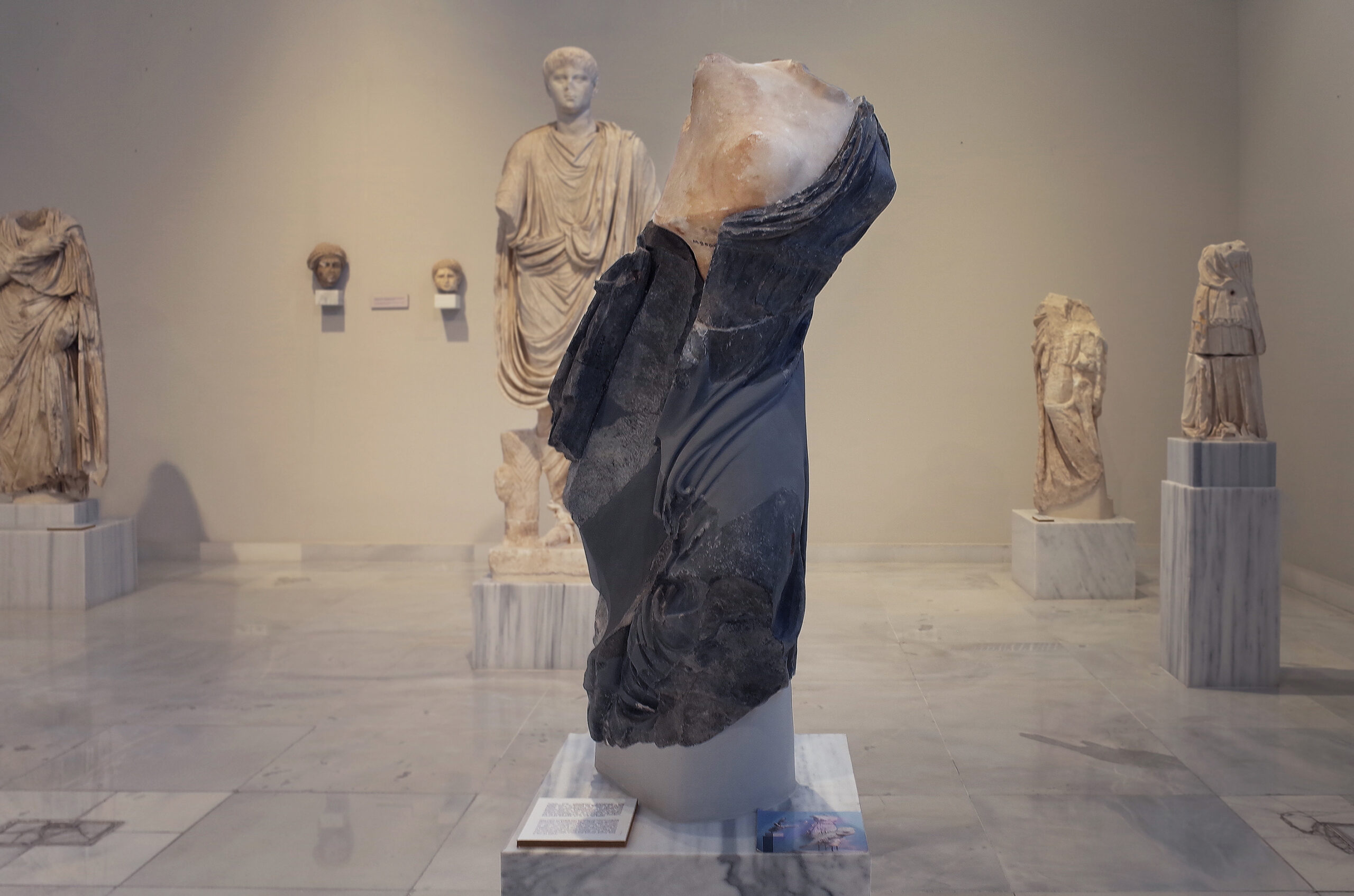
The statue of Iphigenia – a female figure in flight – may not be the most famous exhibit of the Archaeological Museum of Pythagoreio in Samos, but it is a rare example of hybrid sculpture well worth seeing in person.