
The Greek Karagiozis
It is difficult to pinpoint the exact origin of shadow theatre, since it’s been intricately entwined with so many different cultures, yet all theories converge on its first appearing in Asia.
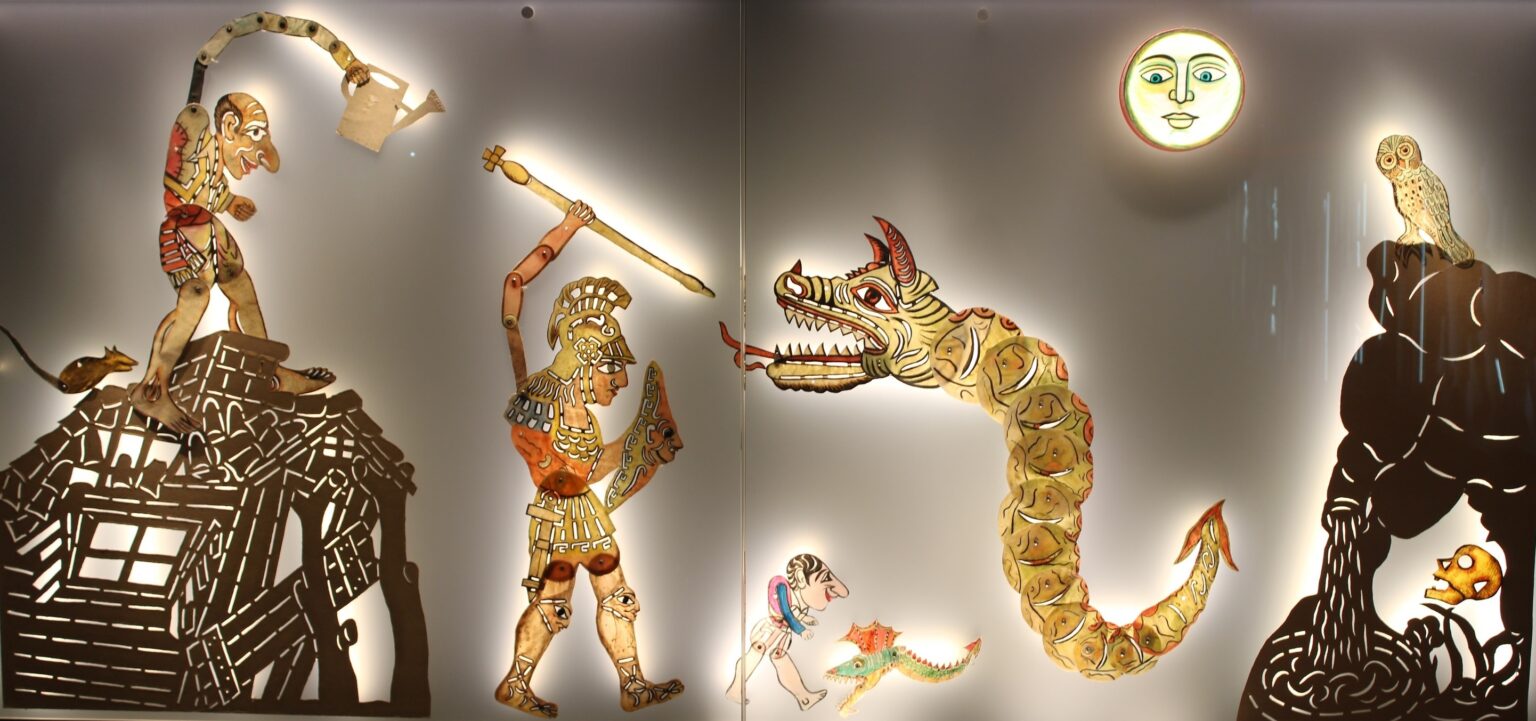
The ritual dimension of the shadow, as seen in the Cabirian and Eleusinian Mysteries, even opens unexplored pathways towards ancient Greece; in reality however, shadow theatre only appeared in Greece in the early 19th century. Karagiozis (Karagöz), attributed to neighboring Turkey by UNESCO, soon evolved into a folk hero: poor and destitute, yet cunning, resourceful and immediately lovable.
The first famous shadow puppeteer in Greece was Barmpayiannis Vrahalis, who was succeeded by Dimitrios Sardounis, known as “Mimaros”, credited with popularizing the character of Karagiozis in Greece. Mimaros (1865–1912), born in Patras, originally studied Byzantine music and sang in church before moving to Athens, where he began performing in a café on Panepistimiou Street. He cleaned up Karagiozis by removing vulgar language and inserted Greek themes into his shows, which soon became popular family entertainment. Witty and gifted with a beautiful singing voice, Mimaros passed his love for shadow theatre down to his students Sotiris Spatharis, Antonis Mollas and Christos Charidimos, who later became famous in their own right.
Dimitrios Sardounis, known as “Mimaros”, was born in Patras in 1865. He originally studied Byzantine music and sang in church before moving to Athens, where he popularized the character of Karagiozis.
Nowadays, their legacy and the tools of their craft can be admired in three different museums: the Spathareion Museum of Shadow Theatre, the “Melina” Cultural Centre (formerly known as the Poulopoulos Hat Factory), which houses the Haridimos Shadow Puppet Museum on the ground floor, and the Museum of Modern Greek Culture. In 2016, Karagiozis was inscribed in the National Inventory of Intangible Cultural Heritage of Greece.
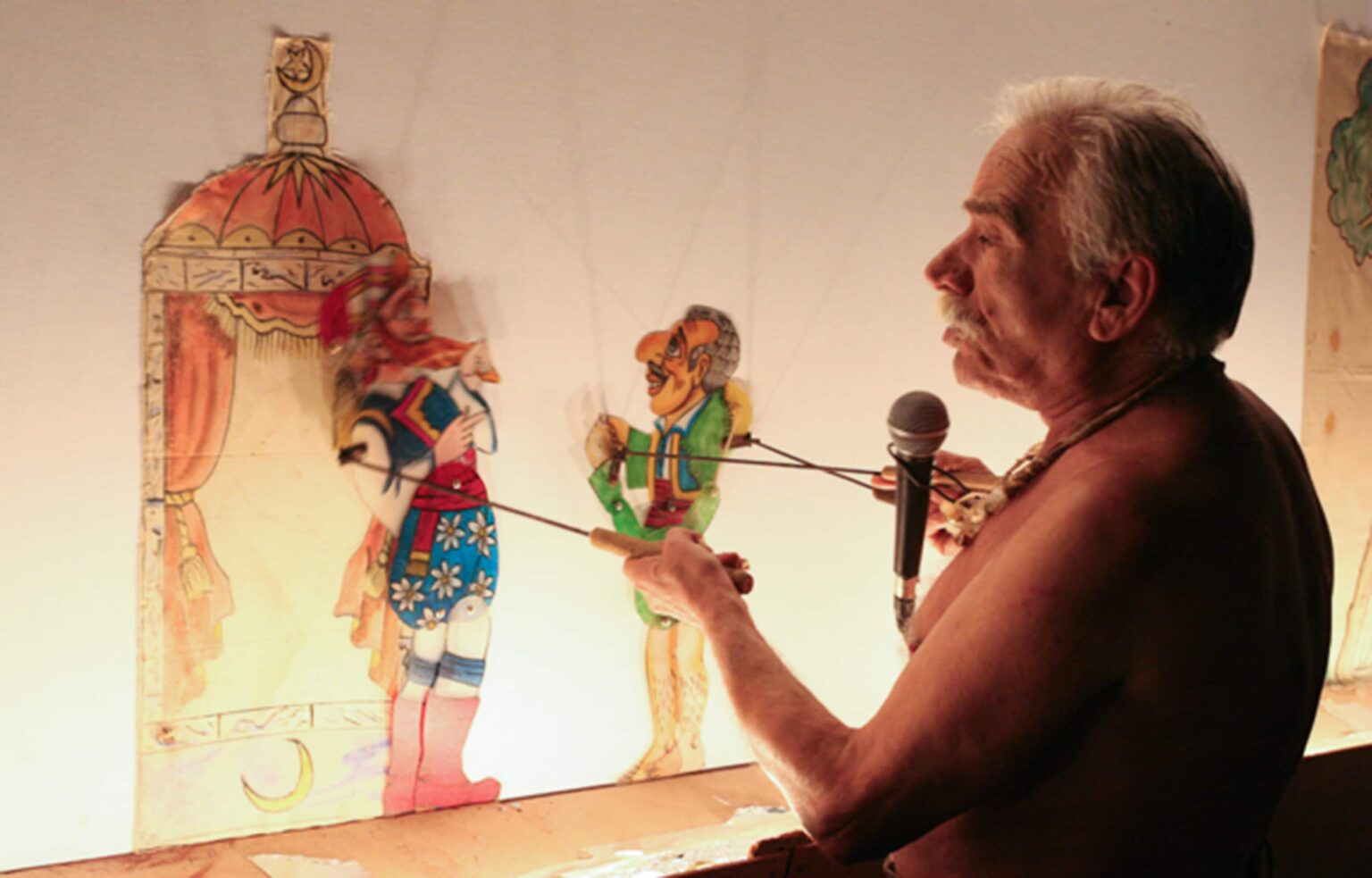
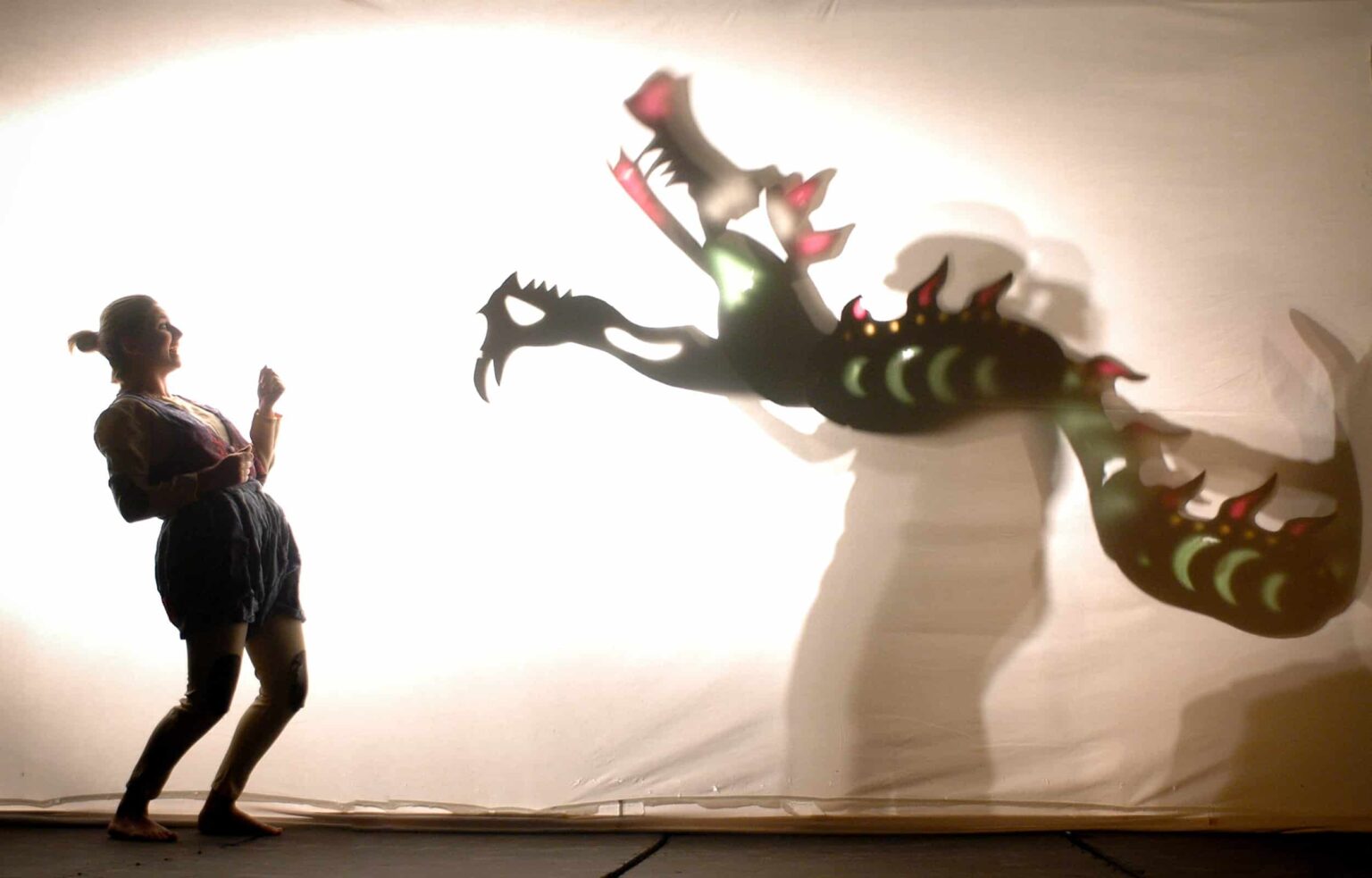
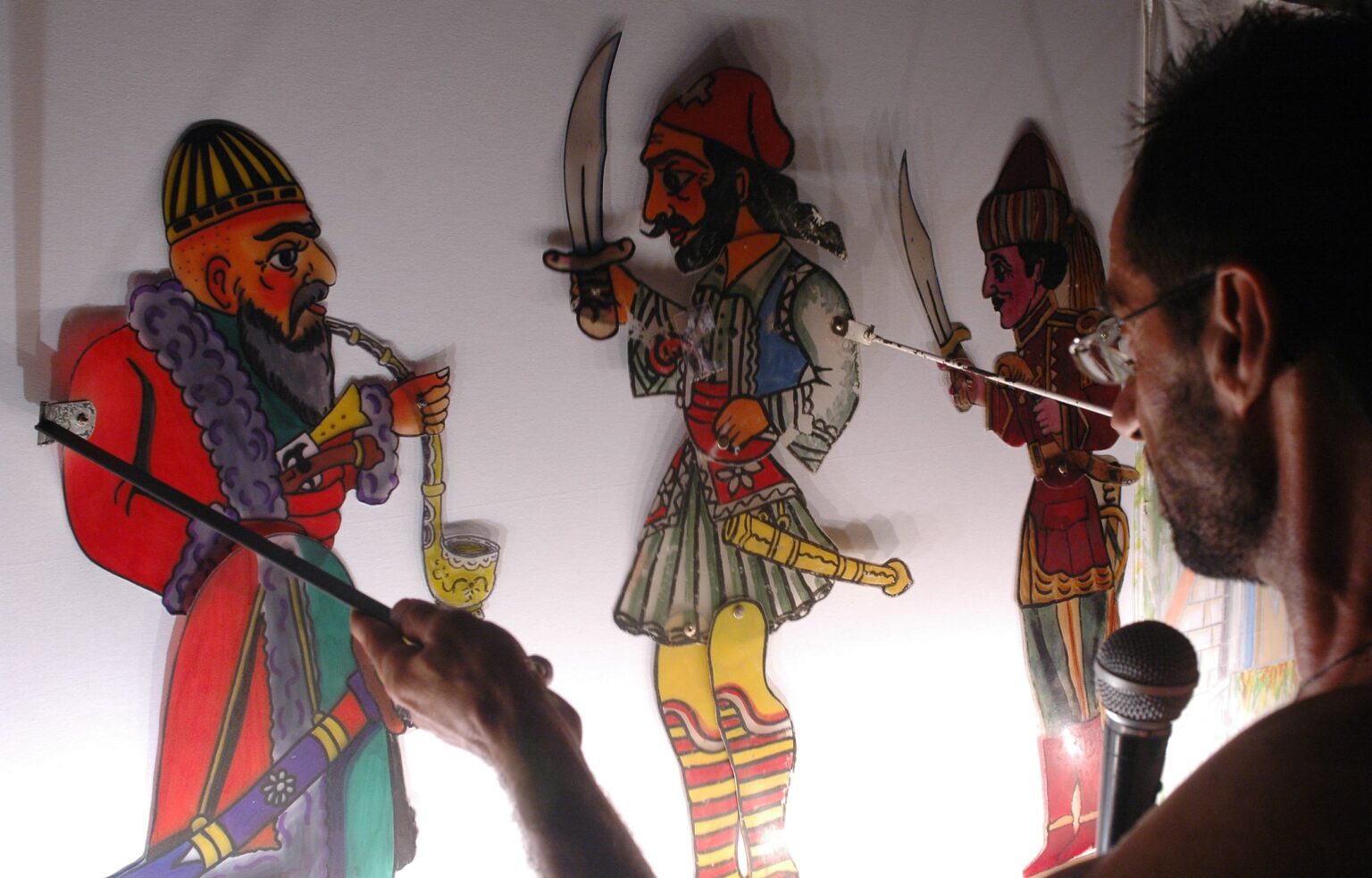
The 465 objects on show at the Spathareion Museum of Shadow Theatre (27 Voriou Ipeirou St & Mesogeion Ave, Marousi, tel: +30 210 6127245) are suspended across the walls and display cases of a beautiful neoclassical building, creating the illusion they are caught mid-performance. Theatrical sets, puppets made of cardboard, leather and plastic, musical instruments, posters, books and photographs trace the evolution of the art of Karagiozis from theatre to television, as well as the history of the legendary Spatharis family. Sotiris Spatharis, an early adopter of the advertising billboard and father to Eugenios, worked as a construction worker while putting on shadow theater shows with the help of his son. Eugenios quickly became the most popular Karagiozis puppeteer in Athens, beloved by artists and intellectuals in the 1930s and 1940s, and is perhaps the most recognizable name in the genre’s history.
The Haridimos Shadow Puppet Museum (“Melina” Cultural Centre, 66 Iraklidon & Thessalonikis Sts, Thiseio, tel: +30 210 3414466) boasts 900 exhibits from three generations of the Haridimos family, in a welcoming space where visitors can try their own hand at puppeteering on a small stage, surrounded by antique and contemporary sets. The Haridimos collection was lovingly curated by the youngest of the clan, Sotiris, the only one to never pursue a career in shadow puppetry since the Hermes Theatre, established by his father and older brother in 1957 in Piraeus, was demolished after 35 years in the business.
The Museum of Modern Greek Culture, designed with special attention to children, features a modern version of the shadow theatre stage where young visitors can experiment with the genre without strict parental supervision, as everything is made to their scale. The museum collection includes characteristic examples of the puppeteer’s toolkit, including puppets, billboards and sets, sparking children’s imagination and offering varied opportunities for creative expression.
See also
The art of basket weaving in Volax
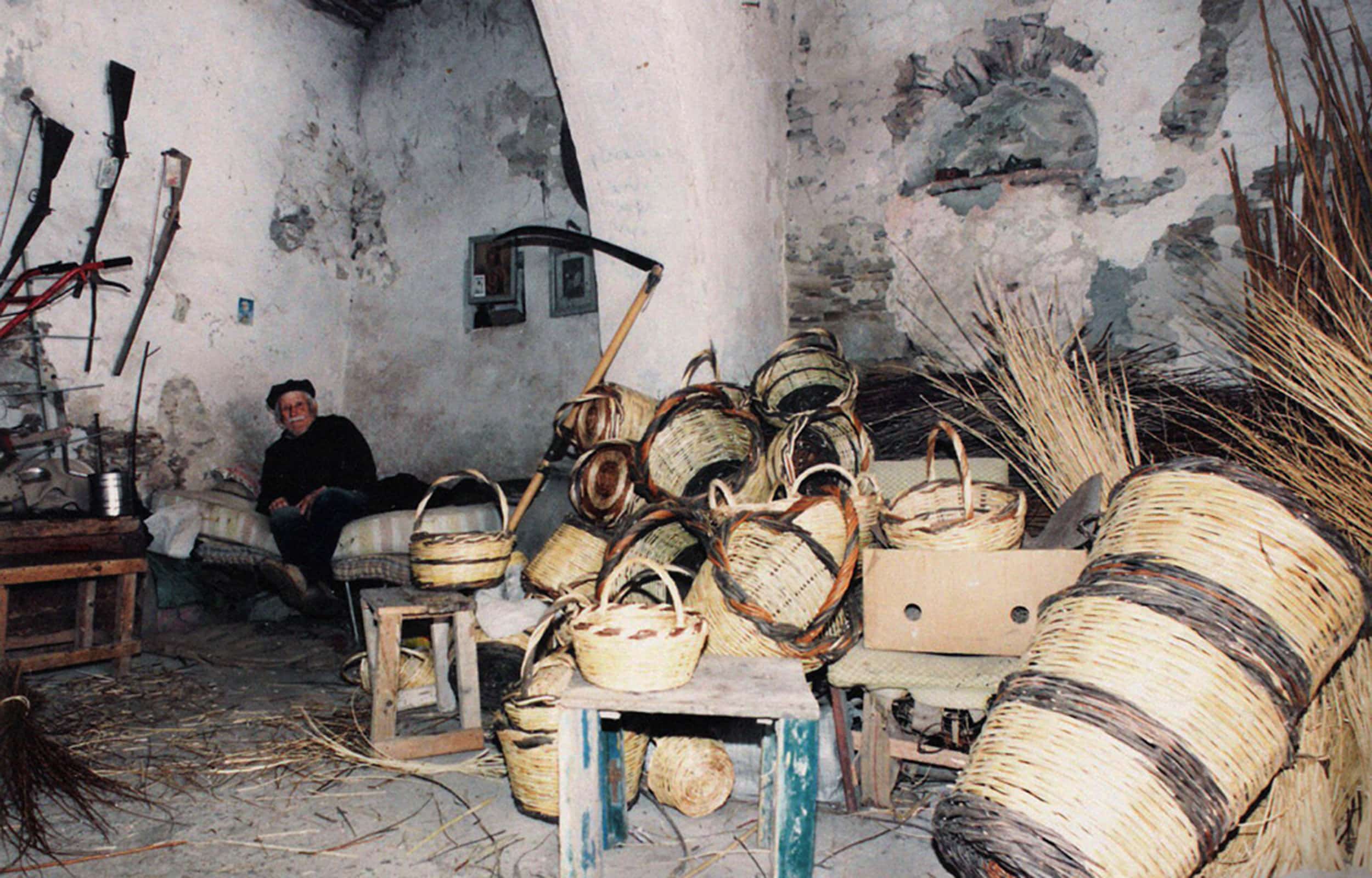
Volax, the Tinian village with the unusual name and the mysterious lunar landscape that has led to endless speculations about fallen meteorites, was once one of the most important basket-weaving centers in Greece.
Mastic: Nature’s tears
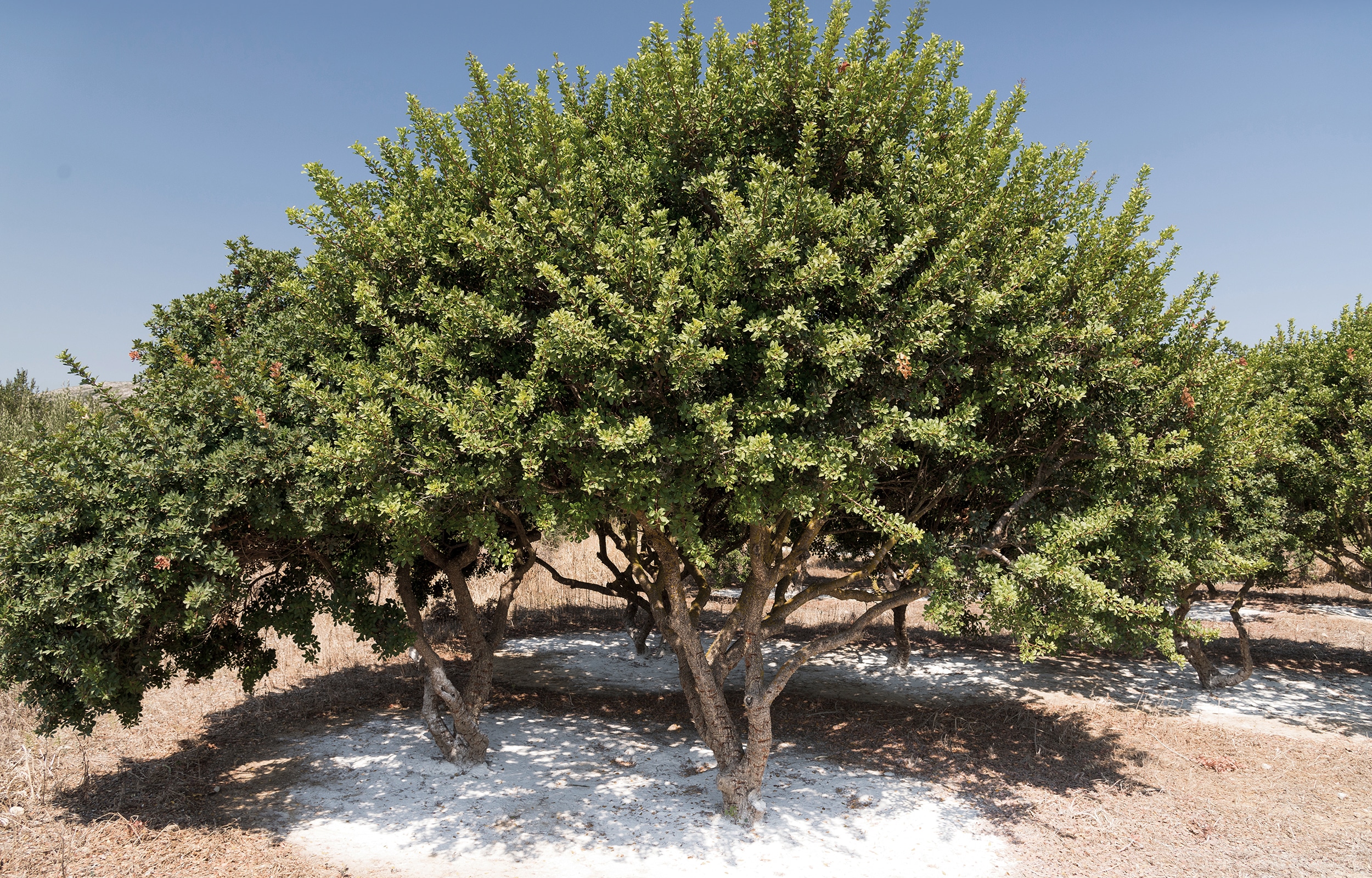
The aromatic tears of a unique variety of mastic tree have been linked to the cultural identity of southern Chios for centuries, as it happens to be the only place in the world where mastic is systematically produced.
The dry-stone landscape of Tinos, a living monument
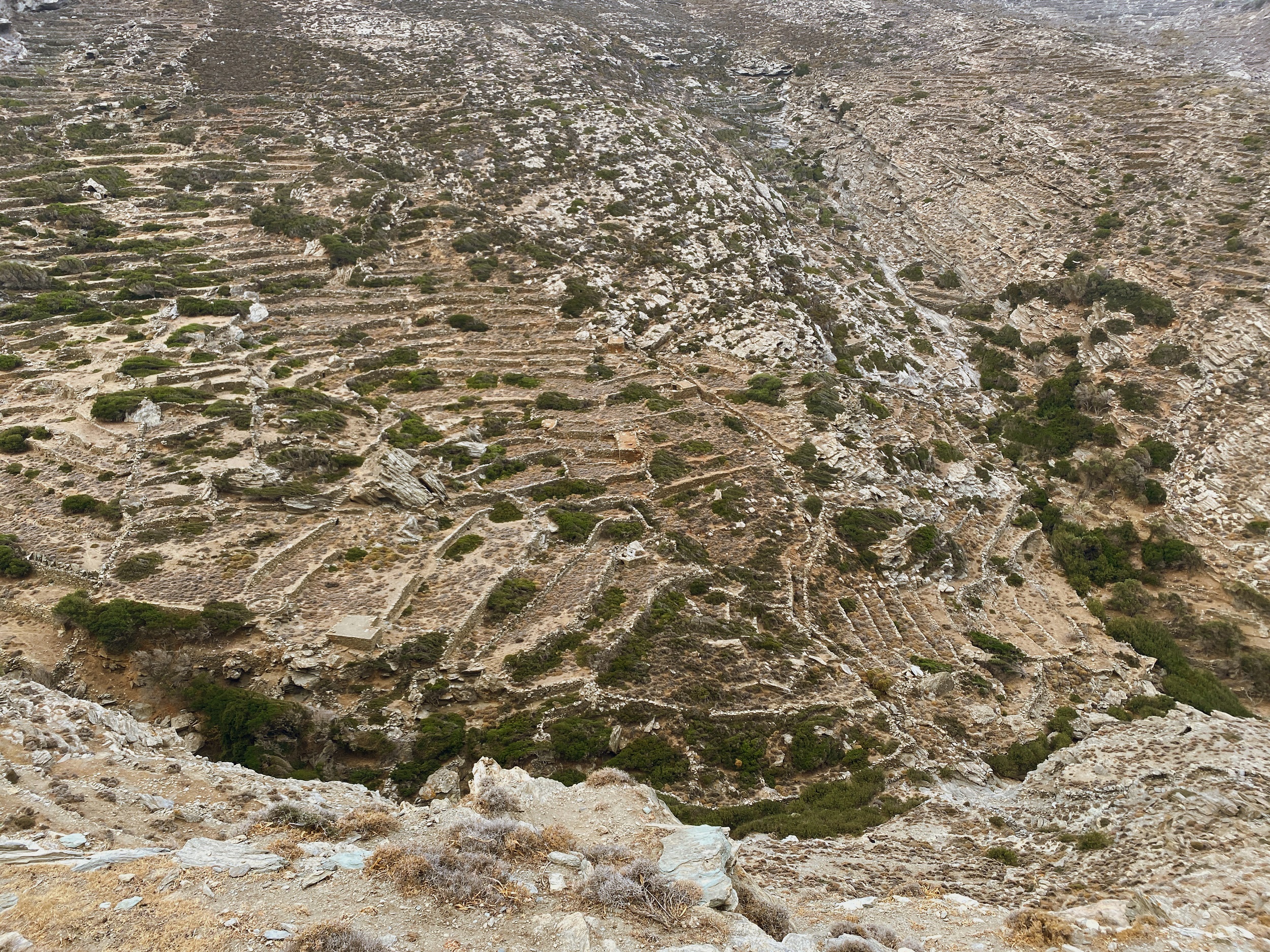
The rural landscape of Tinos is unique in the Aegean, as it represents one of the most intensively cultivated terrains in the Cyclades.