
A woman possessed: The deviant burial of high-born Neiko
Episkopi of Sikinos, a unique palimpsest monument in almost constant use from the 3rd century AD straight through to the present day, revealed its greatest and darkest secret during the restoration works of 2018.
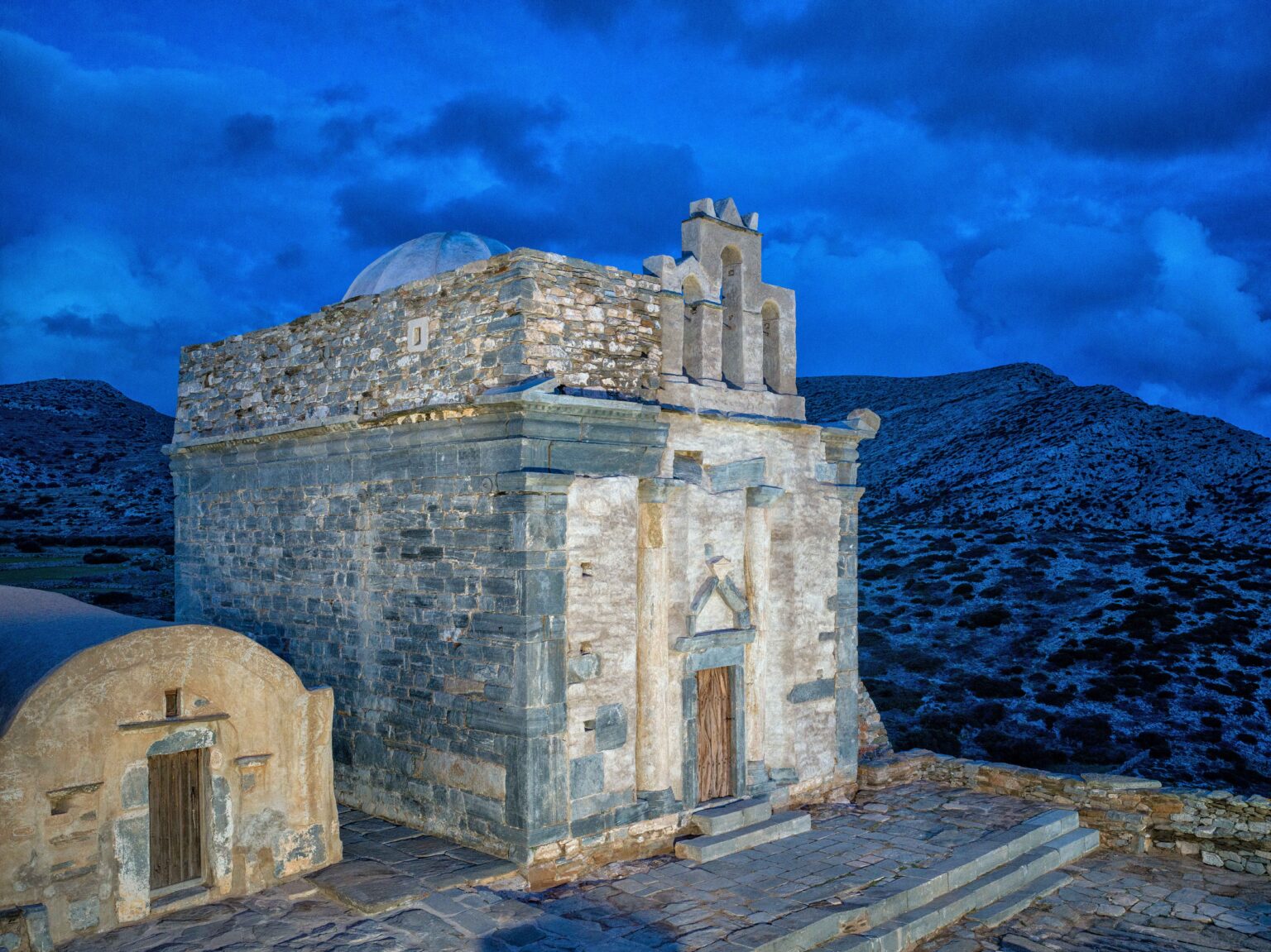
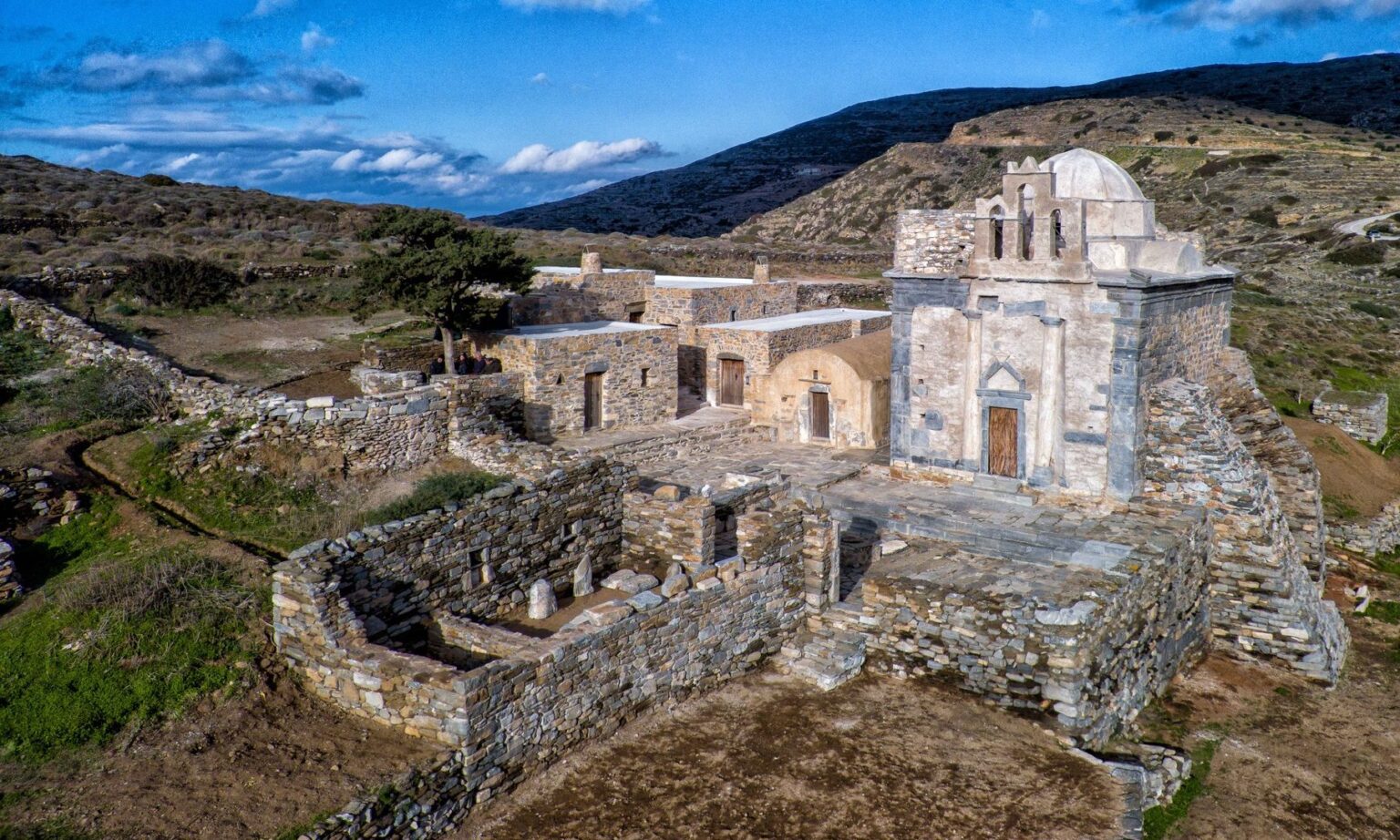
Built in the 3rd century AD as a Roman mausoleum, Episkopi of Sikinos was converted into a Christian church around the 8th century by the Byzantines, used as such until the 1960s, when it was sealed as a safety measure.
Its continued use throughout the centuries and its importance to the inhabitants of Sikinos would be enough to earn this monument the title of historical palimpsest – a true landmark for the small Cycladic island. Yet the Episkopi concealed much deeper secrets that even the most experienced archaeologists would have never been able to foresee.
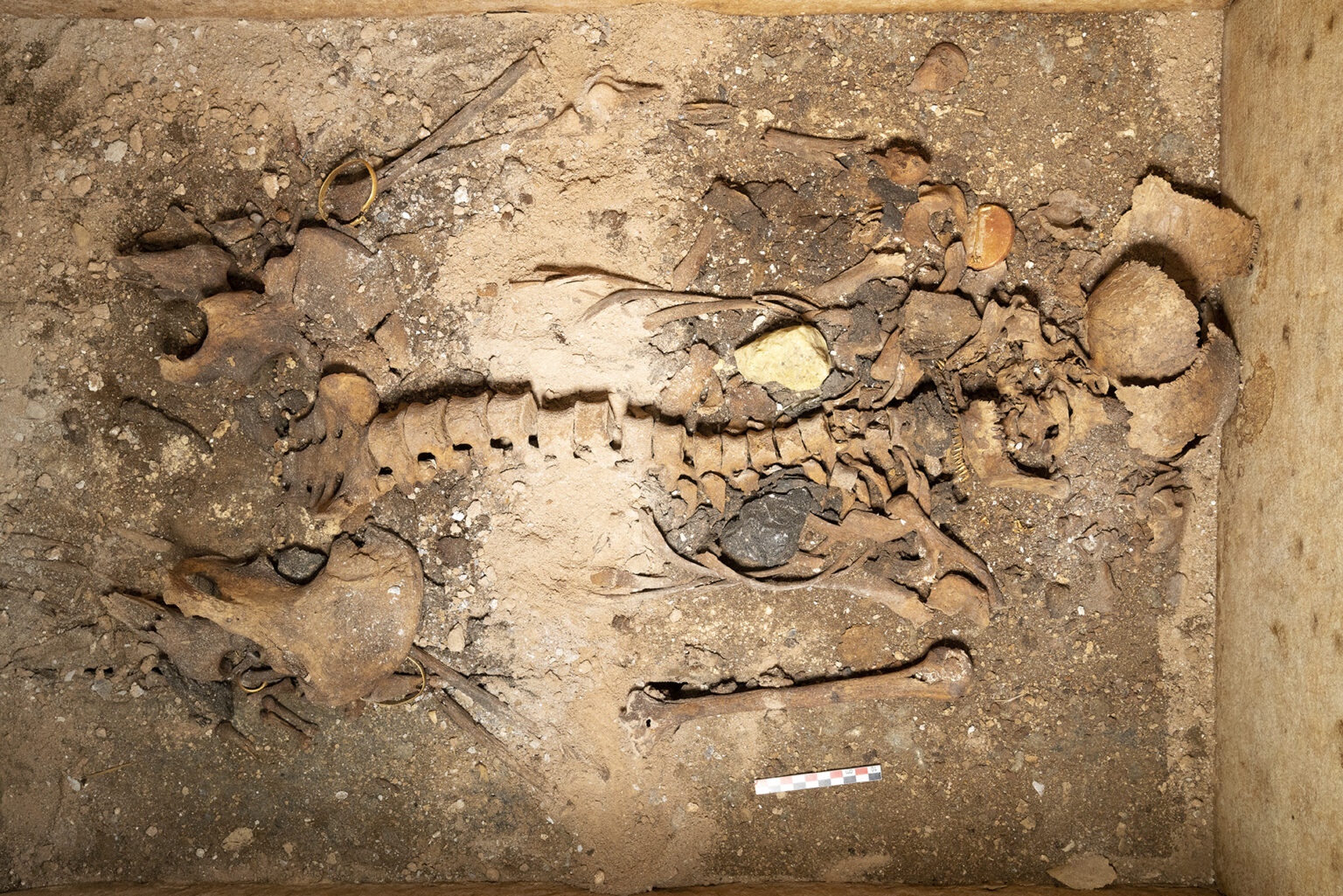
Neiko’s remains revealed yet another dark secret: her skeleton had been found with hands and feet bound, her legs broken and two chunks of pitch and sulfur placed upon her chest, minerals typically associated with superstition, used to ward off evil spirits.
In 2018, during the painstaking restoration of the crumbling structure, the site revealed its dark side: the sealed, undesecrated tomb of the woman the mausoleum appears to have been originally built for. Her identity was revealed in the process, thanks to an inscription found on an interior wall. Her name was Neiko and she was a noblewoman of roughly 40 years of age. Her luxurious grave goods (gold jewelry, a mirror, weaving tools) attested to her high social standing. The inscription read as follows:
Here lies the beautiful body of our beloved Neiko
But her soul lies among the immortals.
For the immortals wished that the souls
of those who lived wisely
should never die.
But how did a monument that was in constant use for so many centuries manage to conceal the very reason for its construction? Despite the mausoleum’s grandeur, the tomb itself had been deliberately concealed in an inaccessible location – between the basement and the first floor – ensuring it would remain forever hidden. It would probably not have come to light had the restoration not taken place.

Neiko’s remains revealed an even darker secret: her skeleton had been found with hands and feet bound, her legs broken and two chunks of pitch and sulfur placed on her chest, minerals typically associated with superstition, used to ward off evil spirits. These findings led archaeologists to identify her burial as deviant, radically diverging from the usual funerary practices of the period. The conclusion? The woman had likely been considered possessed. The most plausible explanation is that Neiko suffered from a mental or neurological condition that, during her lifetime, could only be interpreted as the influence of “demonic forces.”
Now fully restored and reopened to the public after 60 years, the remarkable Episkopi of Sikinos is about to embark on one final chapter: the completion of the nearby former High School of Chora, soon to be transformed into a museum, where the much-tormented noblewoman might finally rest in peace, free at last from the curse that haunted her for nearly seventeen centuries.
See also
A 2,000-year-old mummy at the Archaeological Museum of Thessaloniki
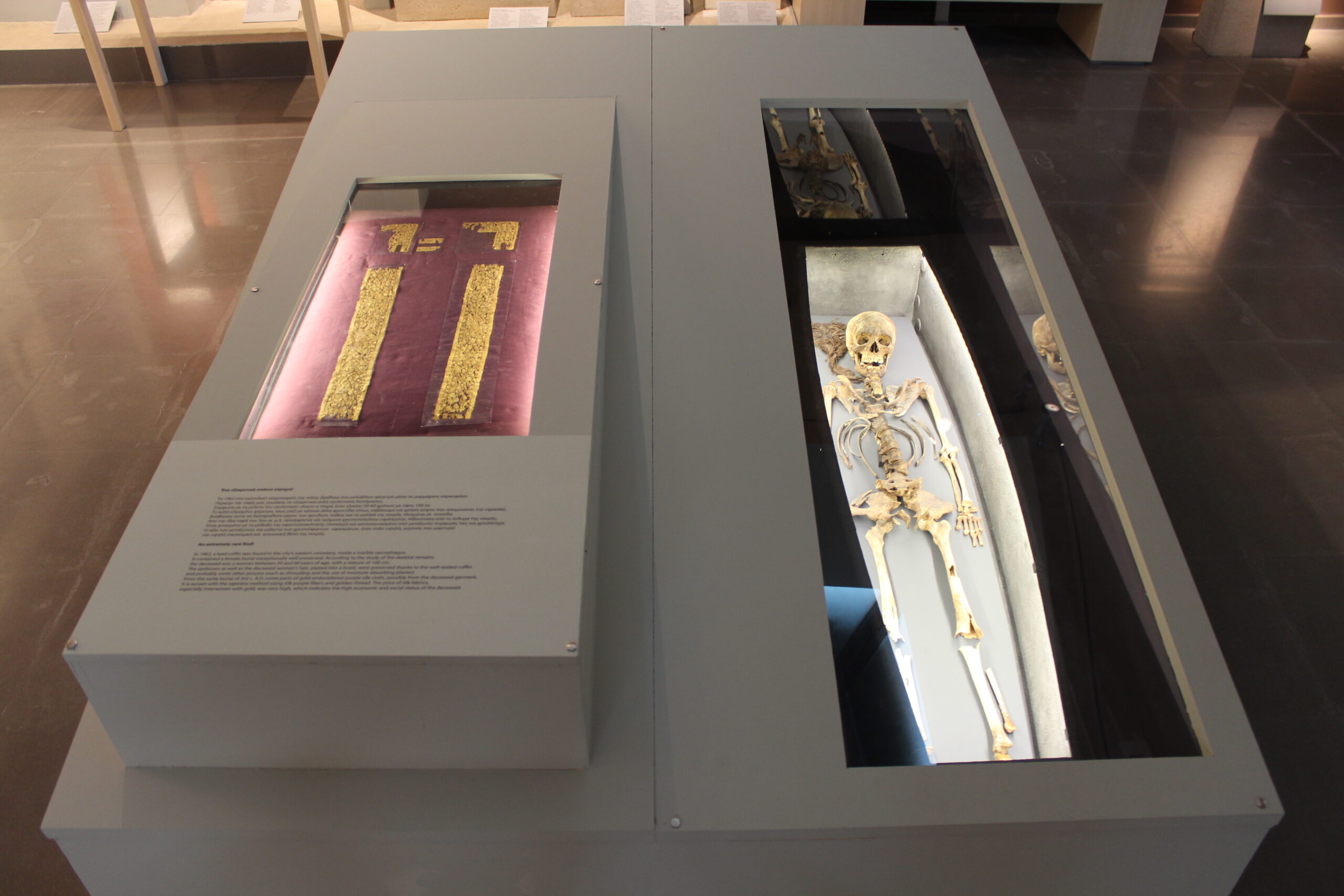
The story of a female mummy from the 4th century AD – with her chestnut braid still intact and a gold-embroidered silk fabric accompanying her on her eternal journey – reveals an exceptionally rare discovery for the Hellenic world.
The unparalleled splendor of the Derveni Crater
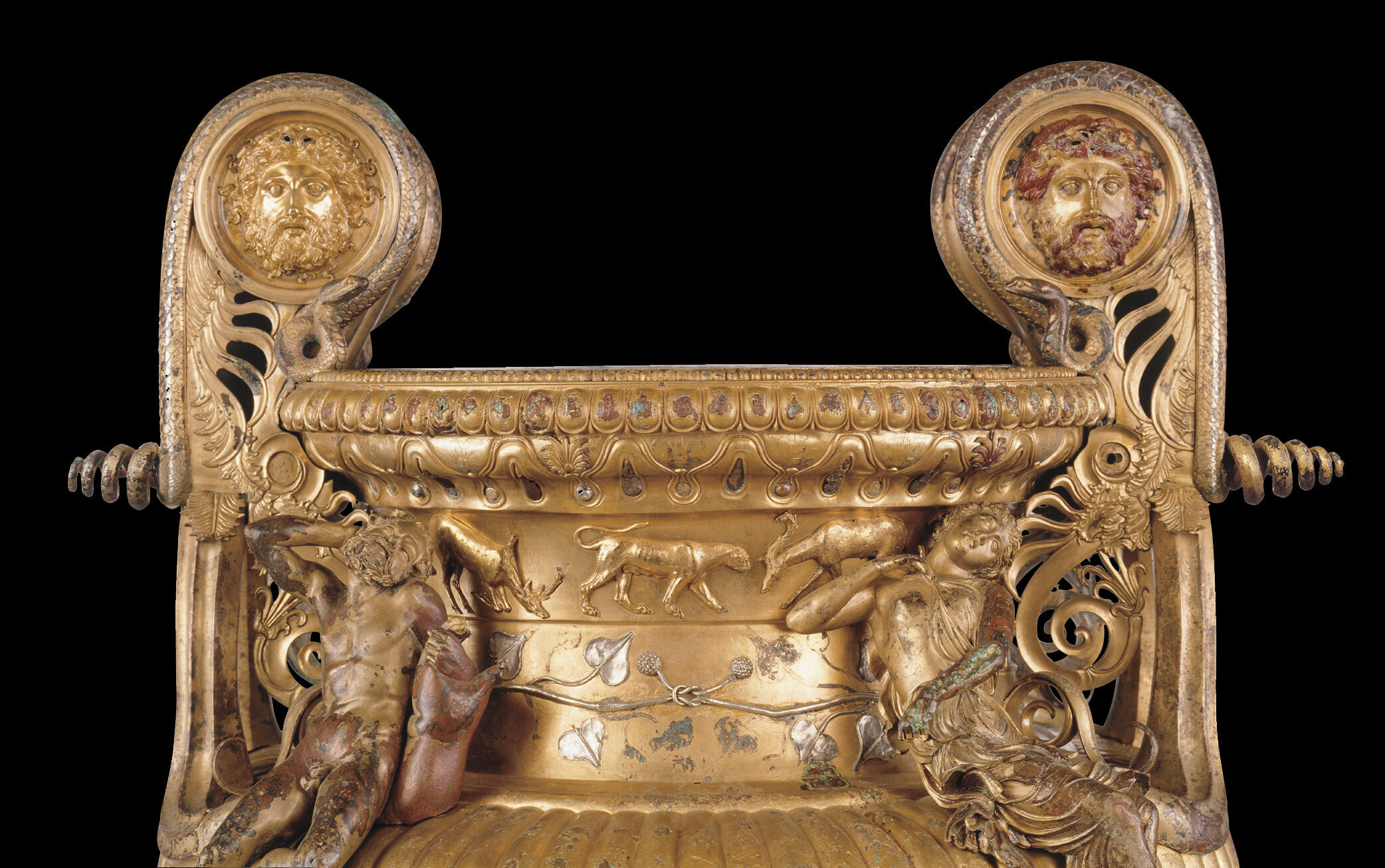
The undisputed masterpiece of the Archaeological Museum of Thessaloniki fully deserves its reputation as one of the most important works of ancient bronze craftsmanship – though nothing compares to the experience of seeing it in person.
Iphigenia in black and white
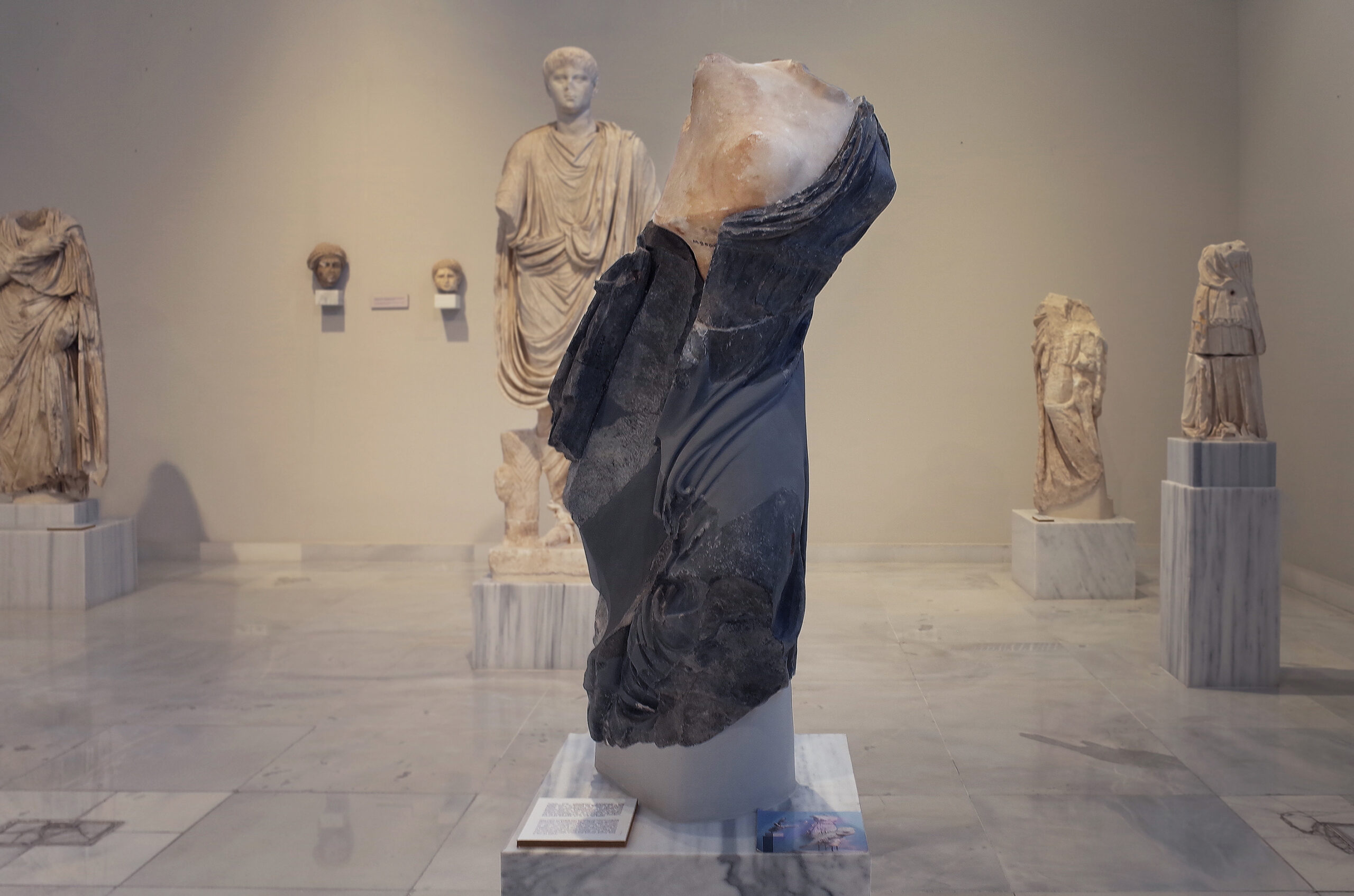
The statue of Iphigenia – a female figure in flight – may not be the most famous exhibit of the Archaeological Museum of Pythagoreio in Samos, but it is a rare example of hybrid sculpture well worth seeing in person.