
Mastic: Nature’s tears
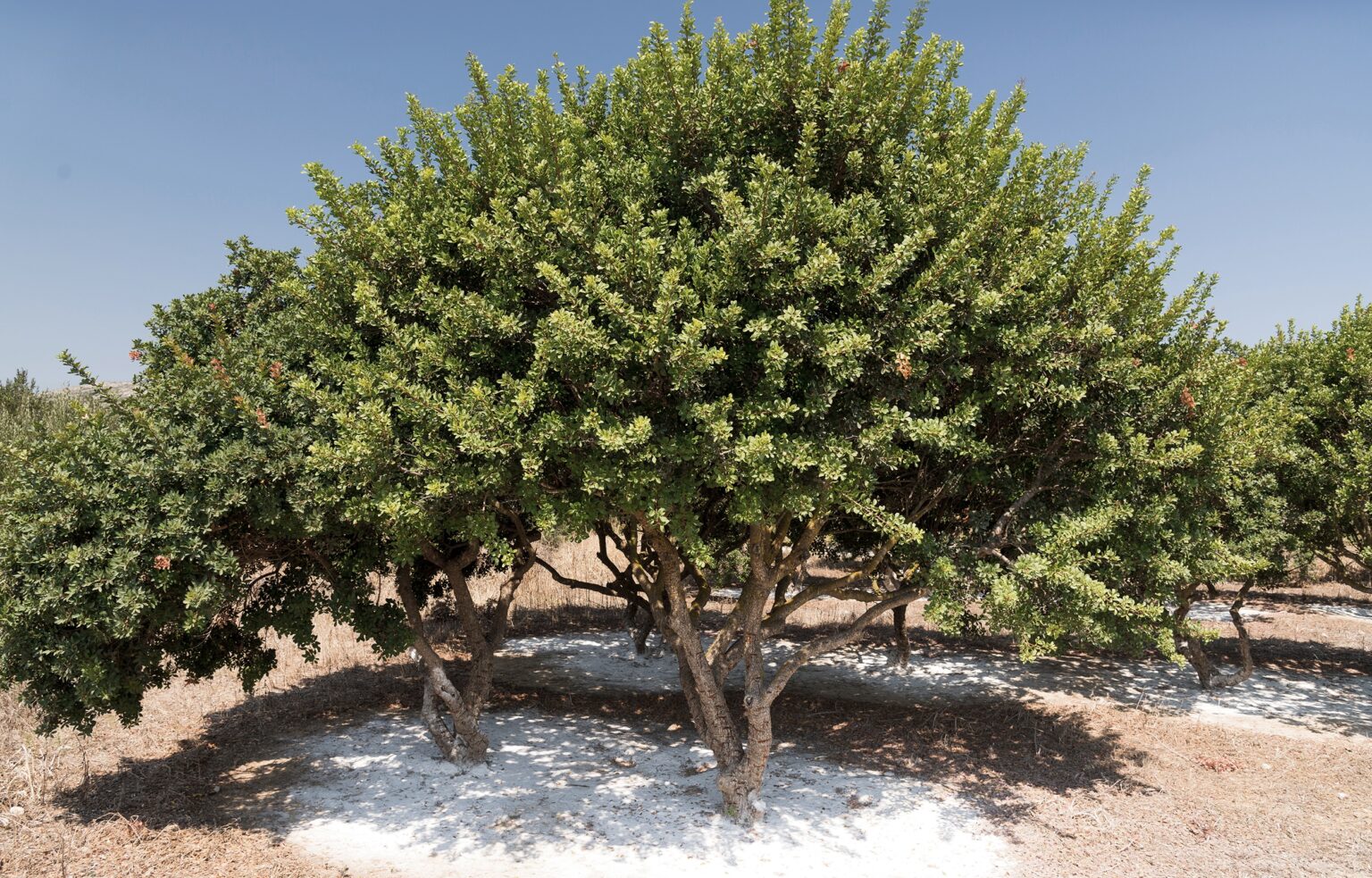
The aromatic tears of a unique variety of mastic tree have been linked to the cultural identity of southern Chios for centuries, as it happens to be the only place in the world where mastic is systematically produced.
If pressed, most Greeks can recall having sampled the characteristically tough mastic-flavored chewing gum, a lokum or a liqueur, while in recent years mastic has lent its distinctive aroma to an increasing number of delicatessen products and cosmetics, and has even been elevated to a high-end ingredient in gastronomy, featured in select restaurants menus the world over.
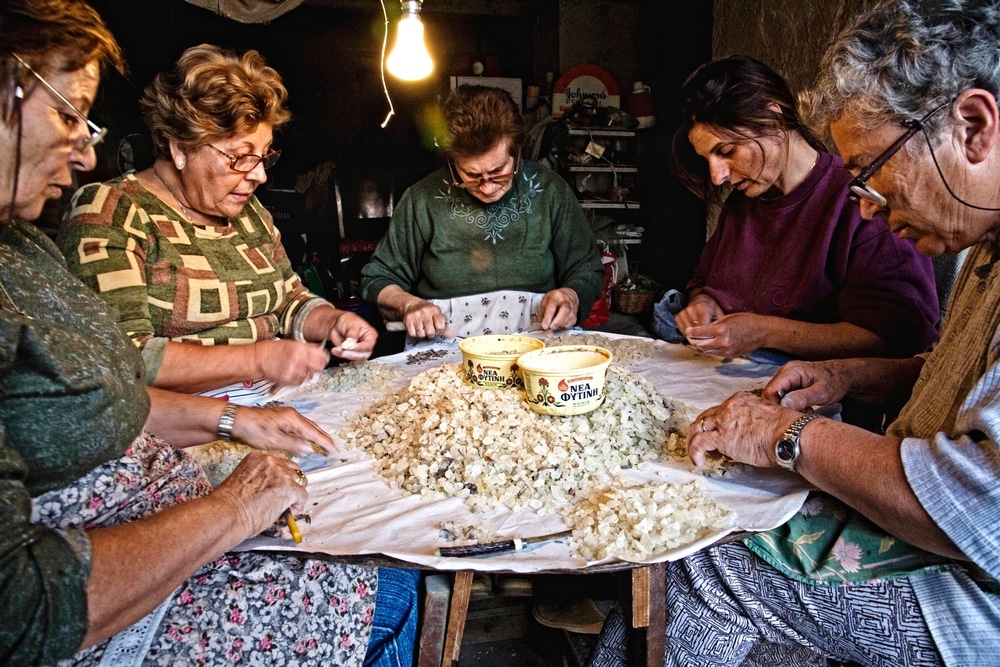
For southern Chios, however, the schinos tree of the Pistacia lentiscus var. Chia variety – the source of the delicious mastic – means so much more: it’s an integral part of the island’s identity. The cultivation of this mastic-bearing shrub is a unique traditional practice passed down from one generation to the next, both orally and experientially, shaping the cultural, architectural, social and natural landscape of the Mastichochoria for centuries.
Local legends have their own way of explaining away the origin of the precious drops: It is said that the mastic trees shed resin tears when they witnessed the suffering of Saint Isidore, who was tortured at the hands of the Romans.
Mysteriously, although the mastic tree grows in other parts of mainland Greece and the islands, as well as on the nearby coast of Asia Minor, southern Chios is the only region that has actually produced this coveted resin dating back to the Byzantine times.
Agios Georgios, Armolia, Vavyloi, Vessa, Vouno, Elata, Exo Didyma, Tholopotami, Thymiana, Kalamoti, Kallimasia, Kataraktis, Koini, Lithi, Mesa Didyma, Mesta, Myrmigi, Nenita, Neochori, Olympoi, Pagida, Patrika, Pyrgi and Flatsia are the 24 medieval villages in which mastic cultivation remains a vibrant and life-giving tradition. In 2013 it was entered in the National Inventory of Intangible Cultural Heritage, while in 2014 it was inscribed by UNESCO on the Representative List of the Intangible Cultural Heritage of Humanity. In addition, mastic was officially recognized as a natural medicine in 2015.
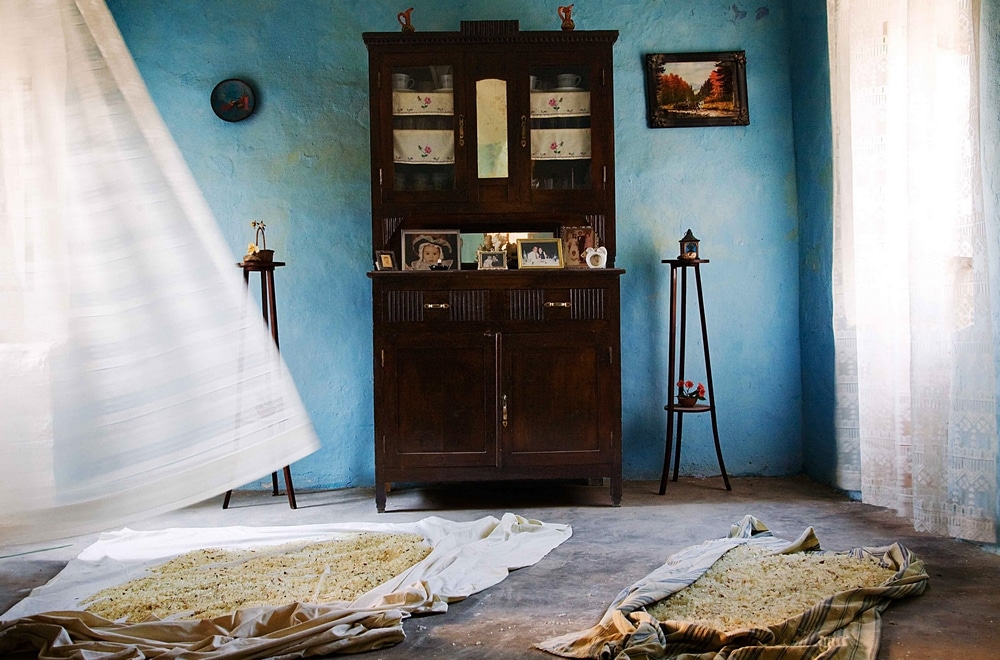
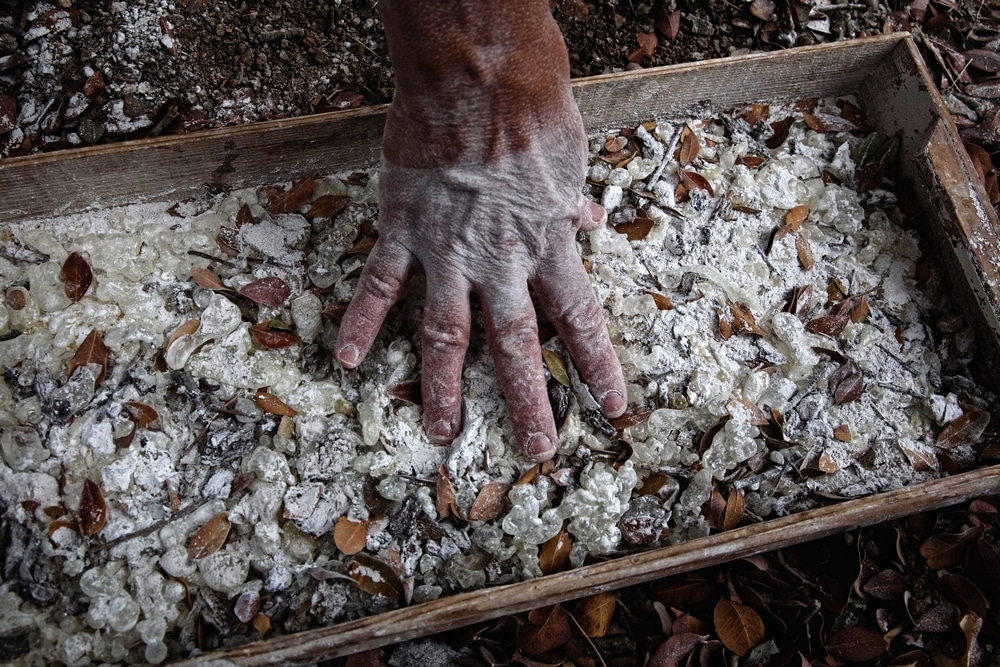
In the beautiful village of Pyrgi, where the facade of every home is decorated with intricate geometric patterns, visitors will find a state-of-the-art museum in perfect harmony with the natural environment, founded by the Piraeus Bank Group Cultural Foundation in 2016, exclusively dedicated to this miraculous product and the plant it was derived from.
At the Chios Mastic Museum (Pyrgi, Rachi – Tepeki, Chios, tel.: +30 22710 72212), you will learn everything you need to know about traditional mastic cultivation and how it has shaped the region’s landscape throughout history, the changing commercial exploitation of the end product in recent years, as well as its many uses, which have fuelled its journey around the world. Meanwhile, in the open-air portion of the museum, you will get the chance to see the plant itself and the natural environment where it thrives.
Local legends, of course, have their own way of explaining away the origin of the precious drops: It is said that the mastic trees shed resin tears when they witnessed the suffering of Saint Isidore, who was tortured at the hands of the Romans, and that’s where mastic originated.
See also
The art of basket weaving in Volax
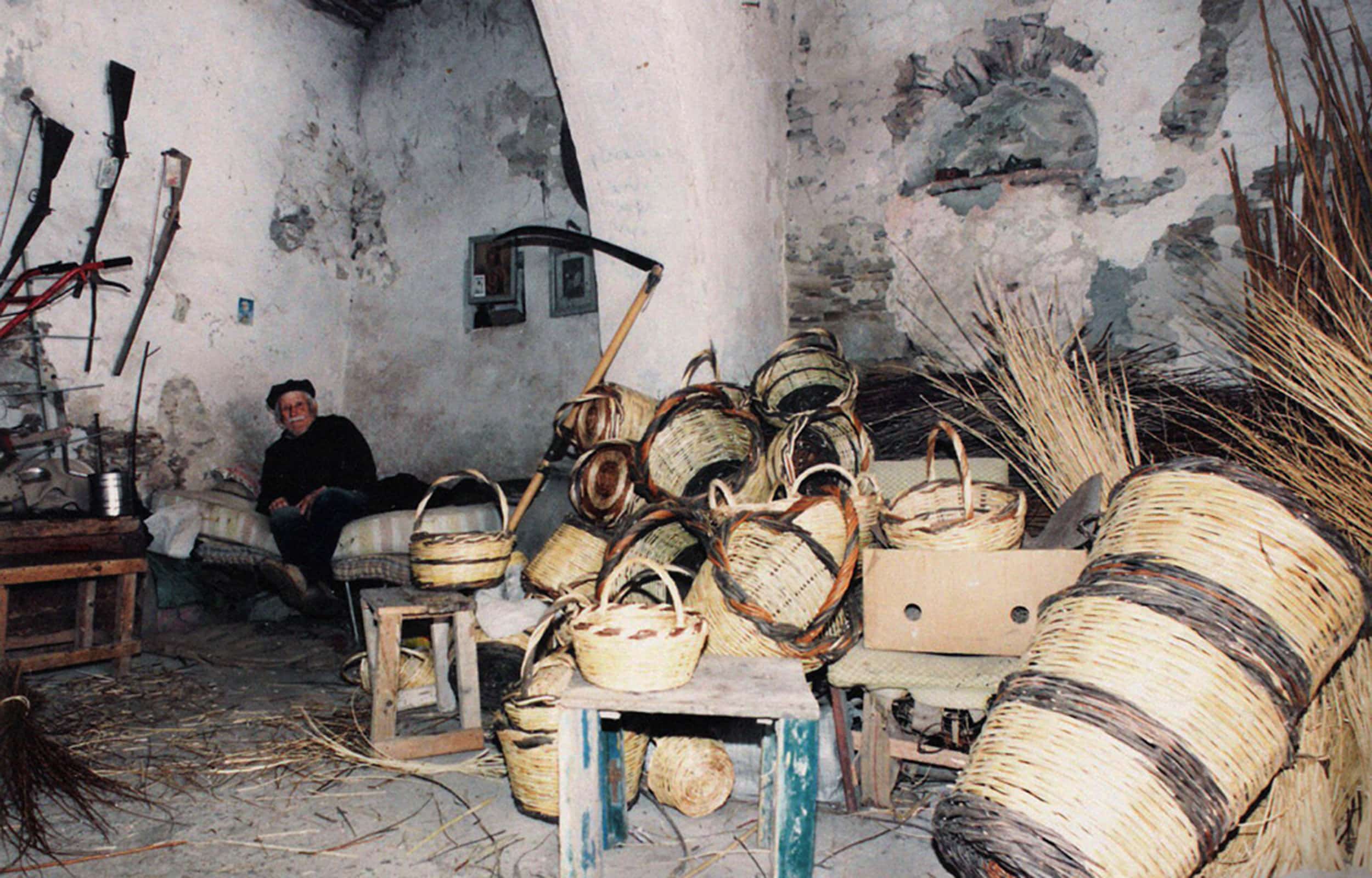
Volax, the Tinian village with the unusual name and the mysterious lunar landscape that has led to endless speculations about fallen meteorites, was once one of the most important basket-weaving centers in Greece.
Carob: From humble animal feed to modern superfood
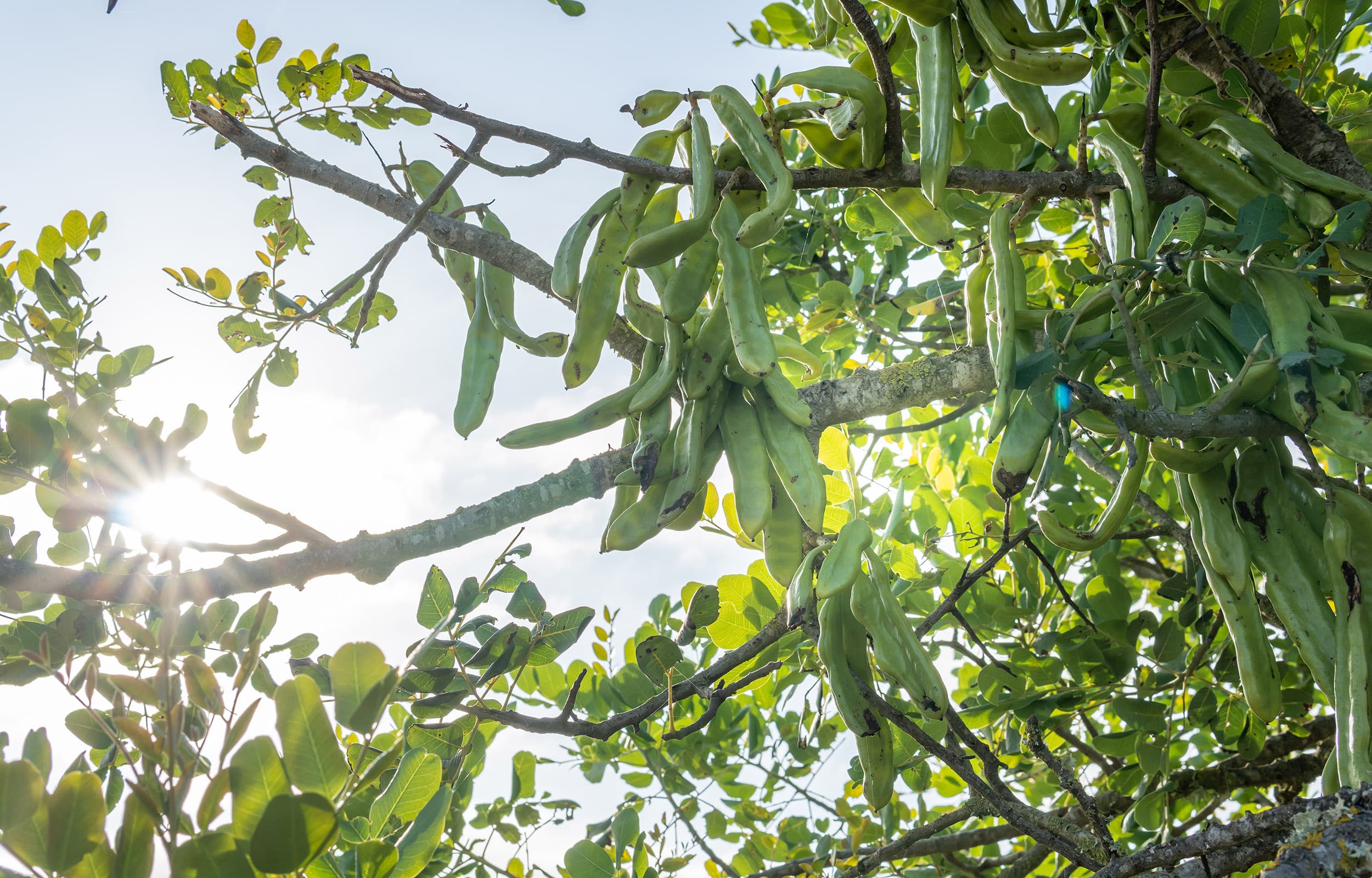
Dominant in the wild Cretan landscape, the carob tree aspires to play an important role on the Mediterranean table, ushering traditional forms of agricultural cultivation back into the spotlight.
The dry-stone landscape of Tinos, a living monument
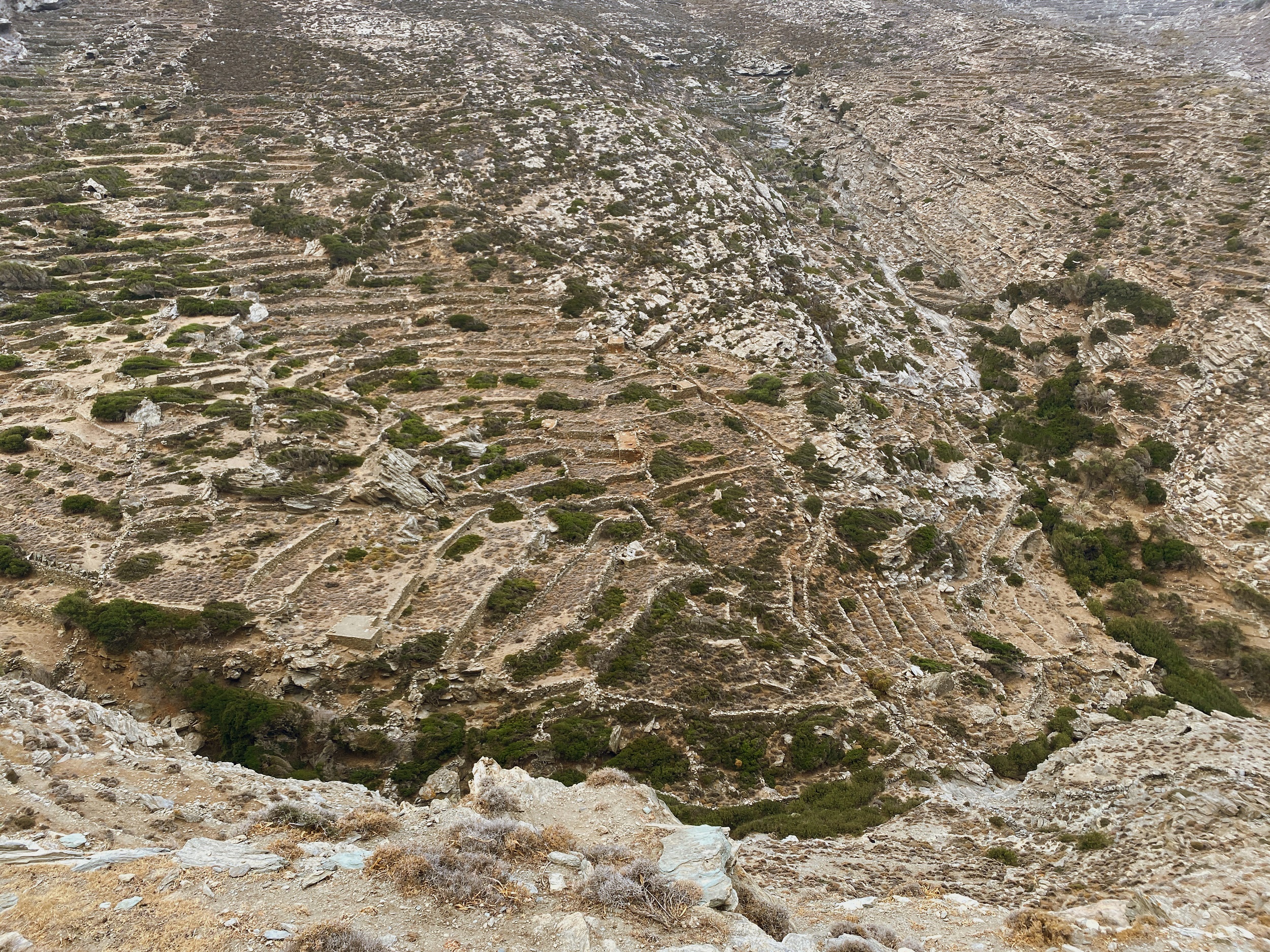
The rural landscape of Tinos is unique in the Aegean, as it represents one of the most intensively cultivated terrains in the Cyclades.