
Carob: From humble animal feed to modern superfood
Dominant in the wild Cretan landscape, the carob tree aspires to play an important role on the Mediterranean table, ushering traditional forms of agricultural cultivation back into the spotlight.
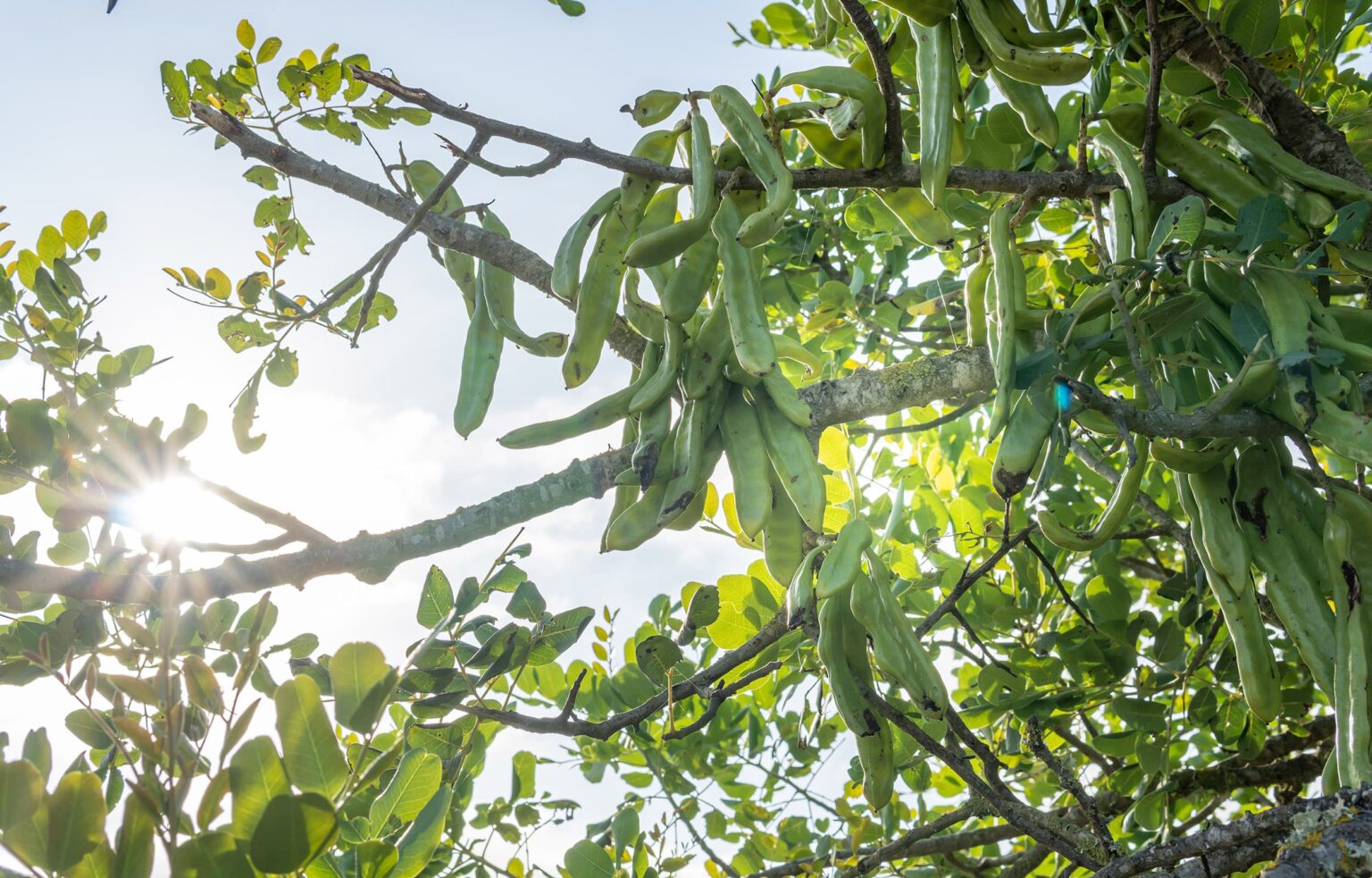
Did you know that the seeds of the carob tree were used by Venetian goldsmiths as the smallest unit for measuring gold and precious stones? We’re talking about none other than the carat, derived from the word keration, which is Greek for carob! Another little known fact is that the consumption of carobs largely saved many Cretan villages from famine during the German occupation.
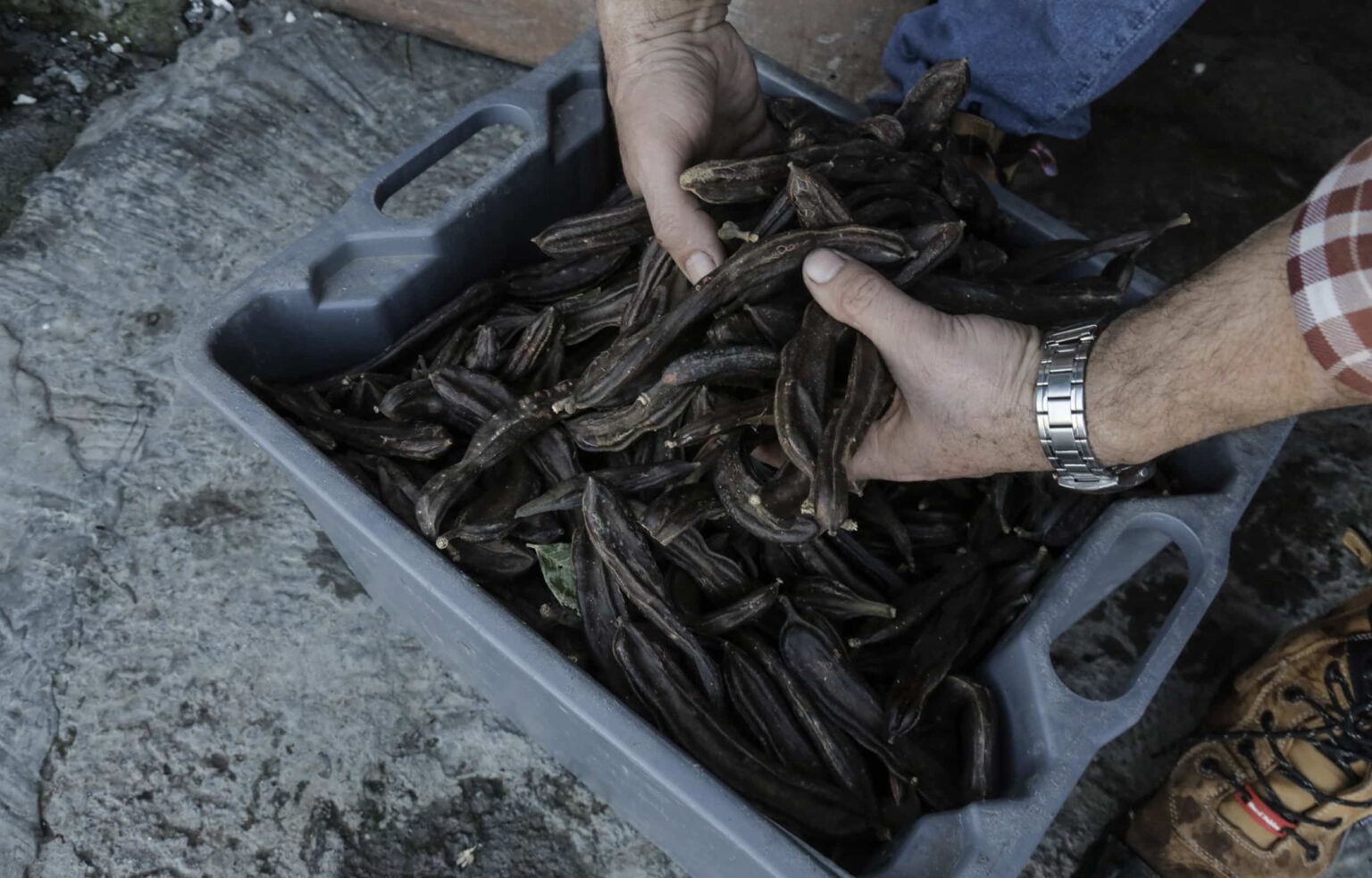
After the war, however, the “poor man’s chocolate,” as this hard yet remarkably sweet fruit became known as, was cast aside as humble animal feed for pigs and other livestock, only to reemerge in recent years as a wellness superfood, largely thanks to the revival of the Mediterranean, and especially the Cretan, diet.
Nature and hiking enthusiasts should not miss the magical carob forest of Treis Ekklisies in the wild Asterousia Mountains, one of the largest natural carob forests in Europe, set in a weather-beaten landscape fit for a Hollywood Western.
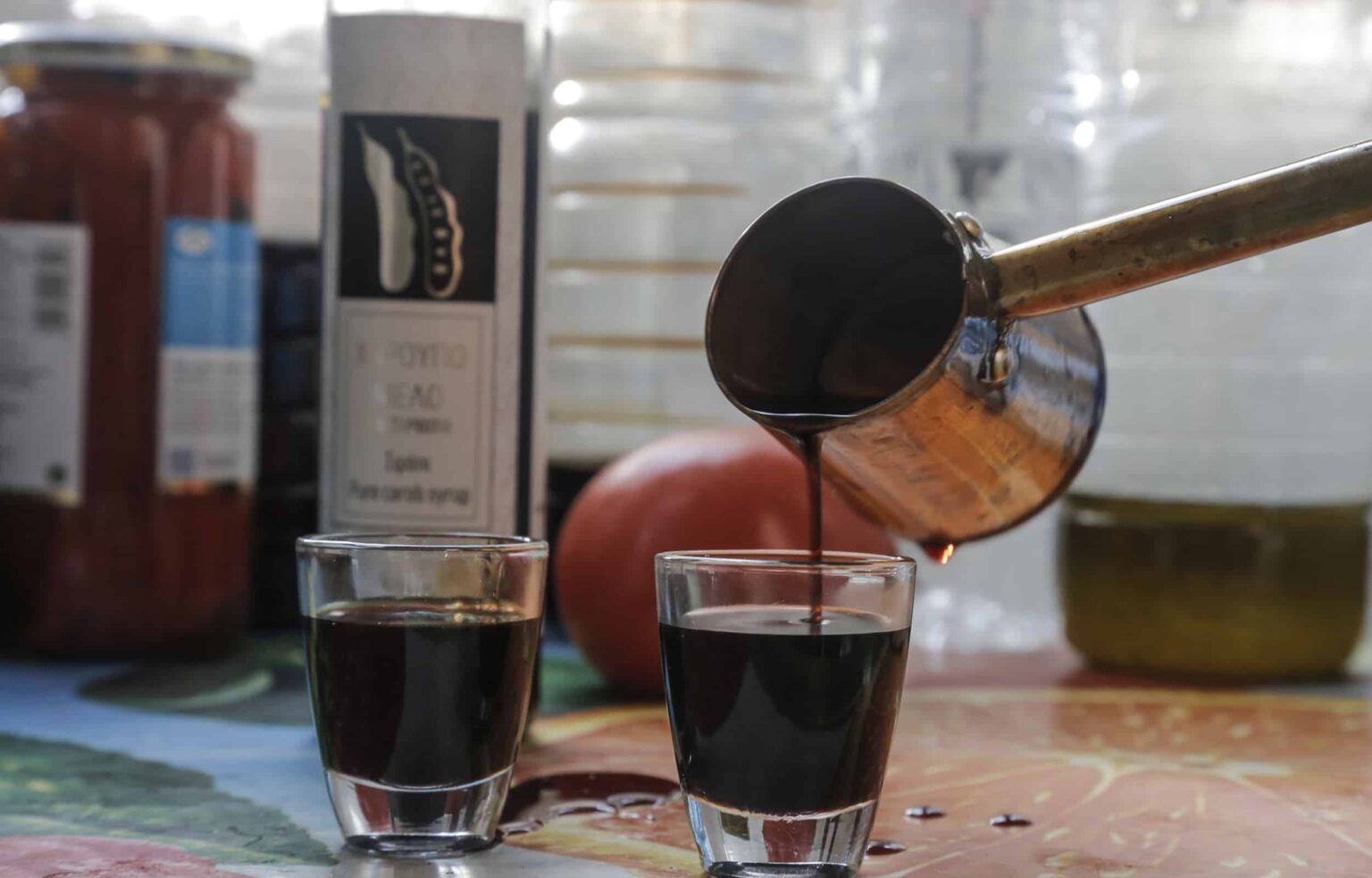
Traditional carob cultivation in Crete was inscribed in the National Inventory of Intangible Cultural Heritage of Greece in 2019, at a time when carob and its by-products were gaining their long-lost popularity at the Mediterranean table – first as a natural sweetener in the form of a dark carob syrup (haroupomelo) and most commonly as a key ingredient in pasta, breads, rusks and other baked goods made with carob flour. It is also used as a cocoa substitute.
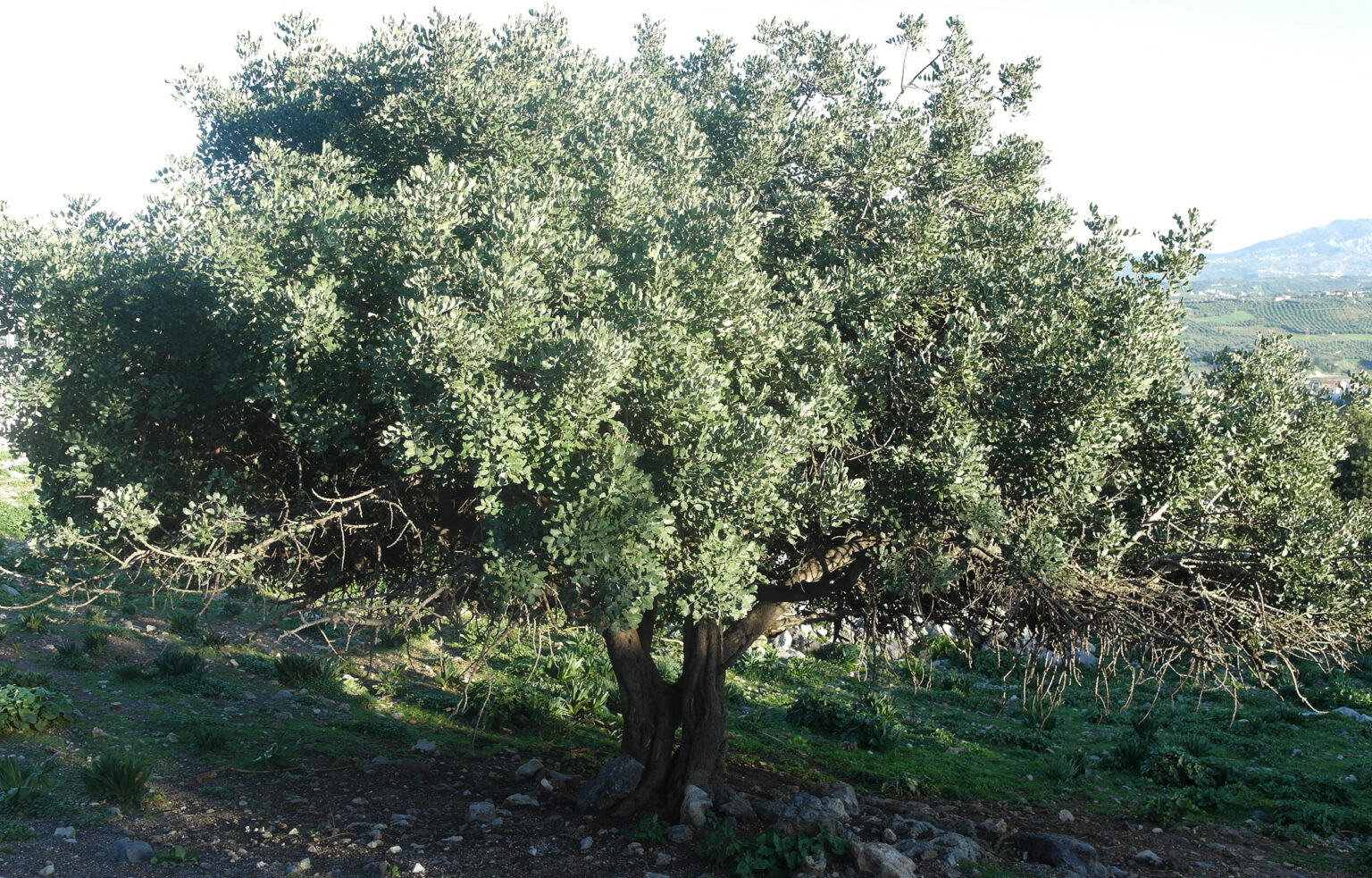
No surprise there: beyond its multiple nutritional attributes, carob is largely shelf-stable and easy to store, while the hardy carob tree is an excellent alternative crop requiring minimal care. Resistant to drought, it thrives in the arid and rocky parts of Crete, making it one of the most characteristic specimens of local flora.
If you plan on going to Crete, it’s worth taking the time to visit two places closely associated with the history of the carob: The Carob Mill in Panormos, Rethymno, is the only surviving carob-processing factory on the island, which has been designated an industrial monument and now operates as a venue for cultural events after a recent renovation. Nature and hiking enthusiasts, on the other hand, should not miss the magical carob forest of Treis Ekklisies in the wild Asterousia Mountains, one of the largest natural carob forests in Europe, set in a weather-beaten landscape fit for a Hollywood Western.
See also
The art of basket weaving in Volax
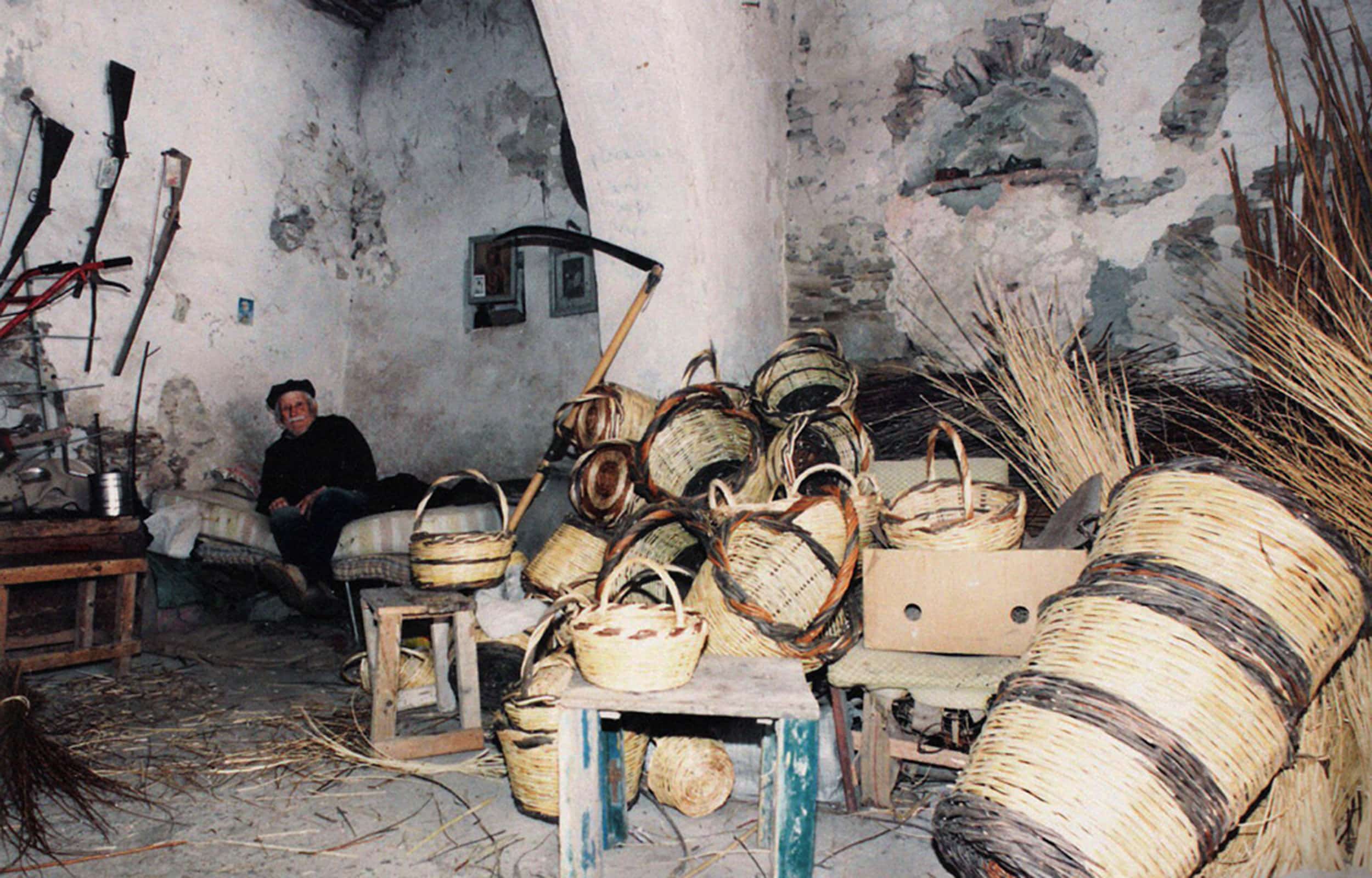
Volax, the Tinian village with the unusual name and the mysterious lunar landscape that has led to endless speculations about fallen meteorites, was once one of the most important basket-weaving centers in Greece.
Mastic: Nature’s tears
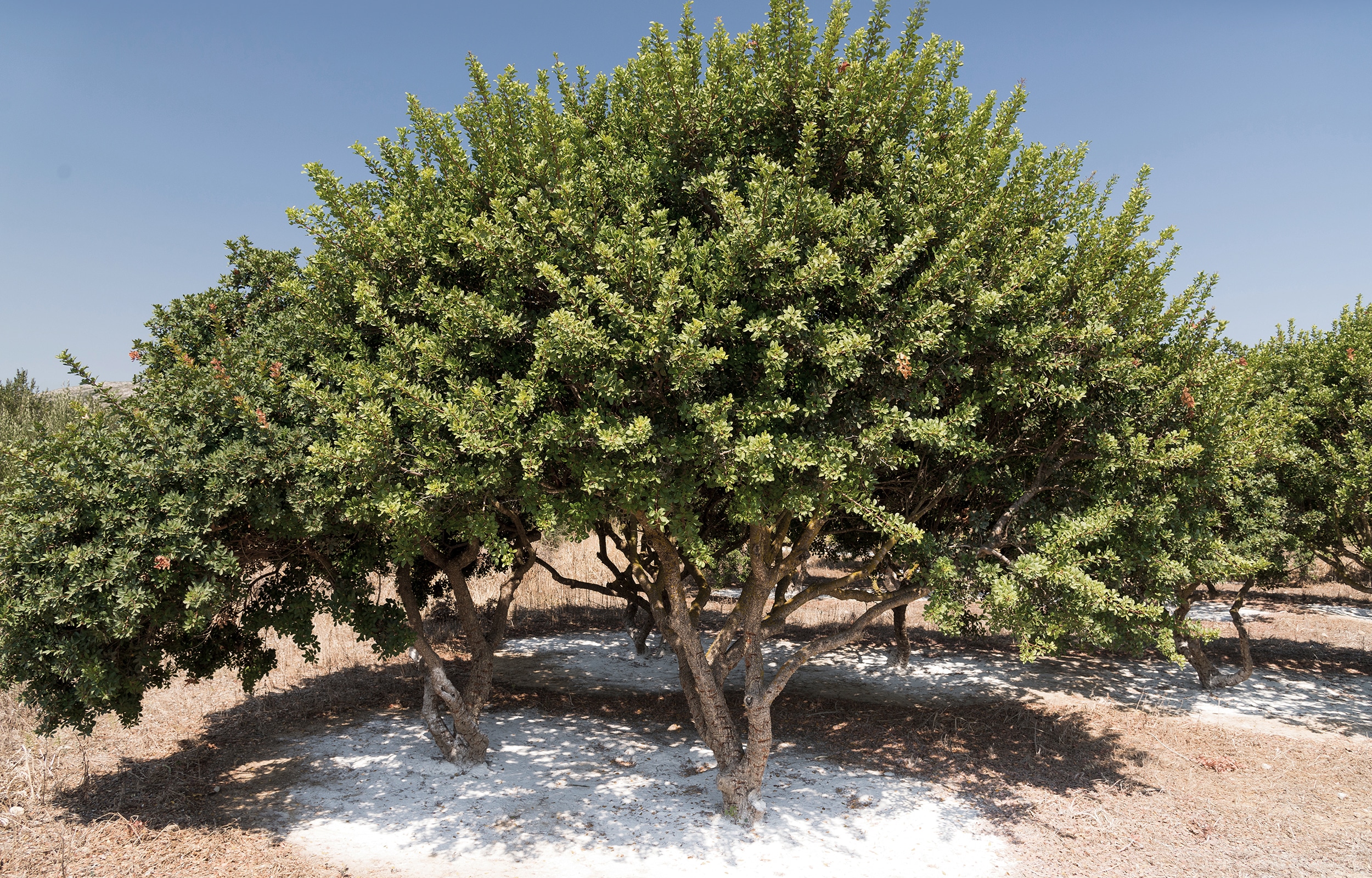
The aromatic tears of a unique variety of mastic tree have been linked to the cultural identity of southern Chios for centuries, as it happens to be the only place in the world where mastic is systematically produced.
The dry-stone landscape of Tinos, a living monument
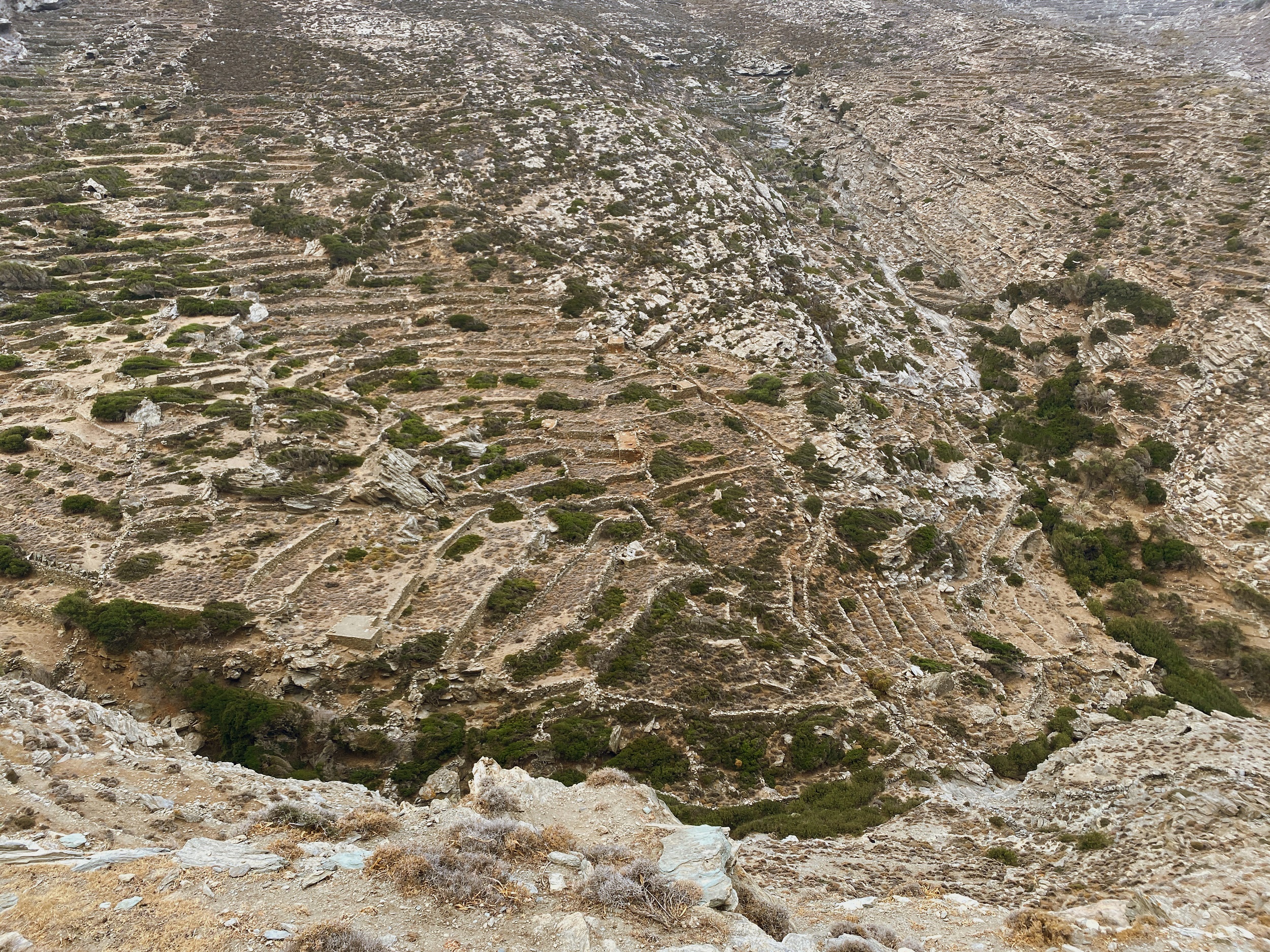
The rural landscape of Tinos is unique in the Aegean, as it represents one of the most intensively cultivated terrains in the Cyclades.