

Opening hours
View Hours

Pella, GR
Get Directions
Fully associated with the birth of Alexander the Great, Pella became one of the most important political, economic and cultural centres of ancient Greece.
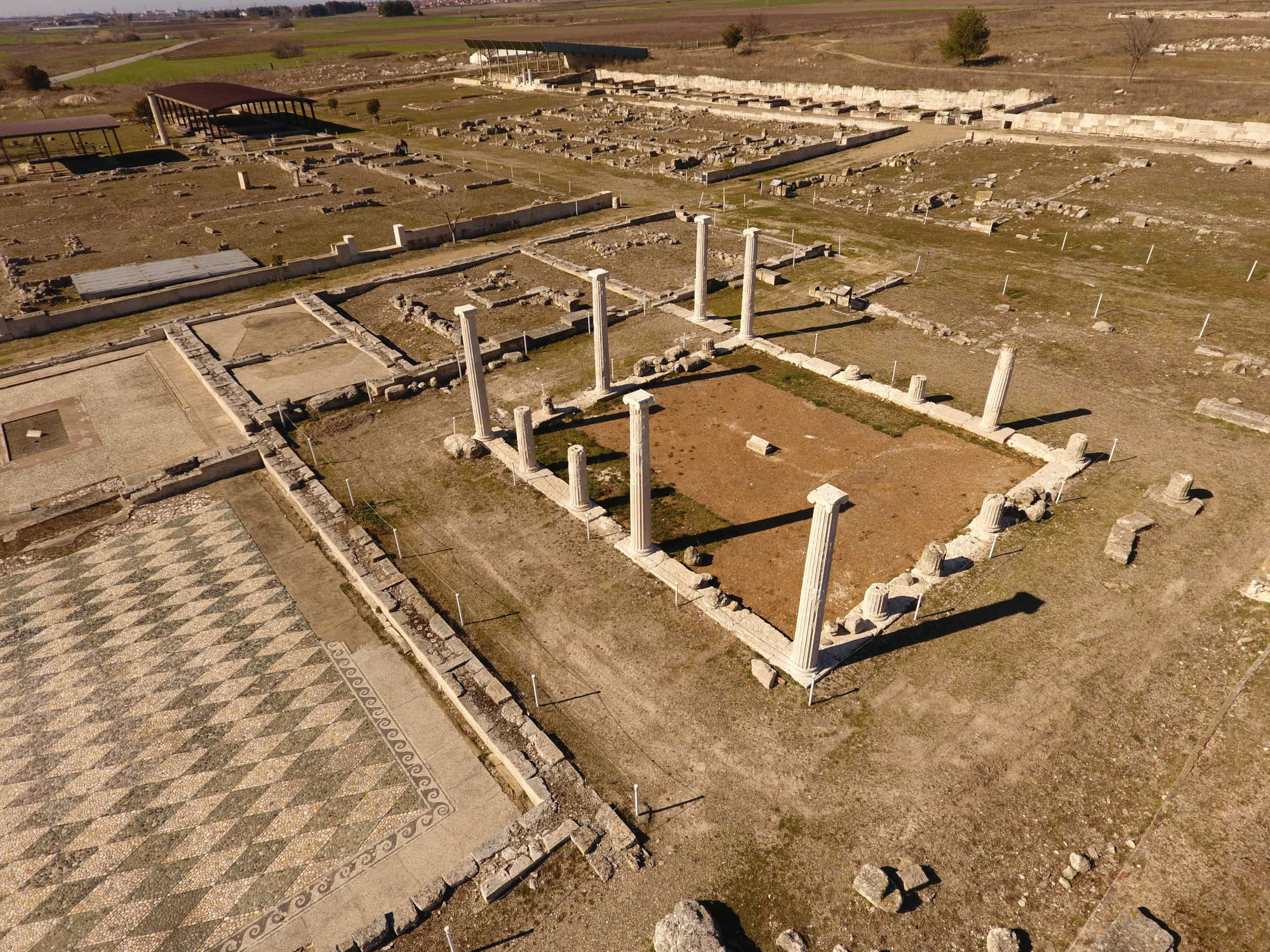
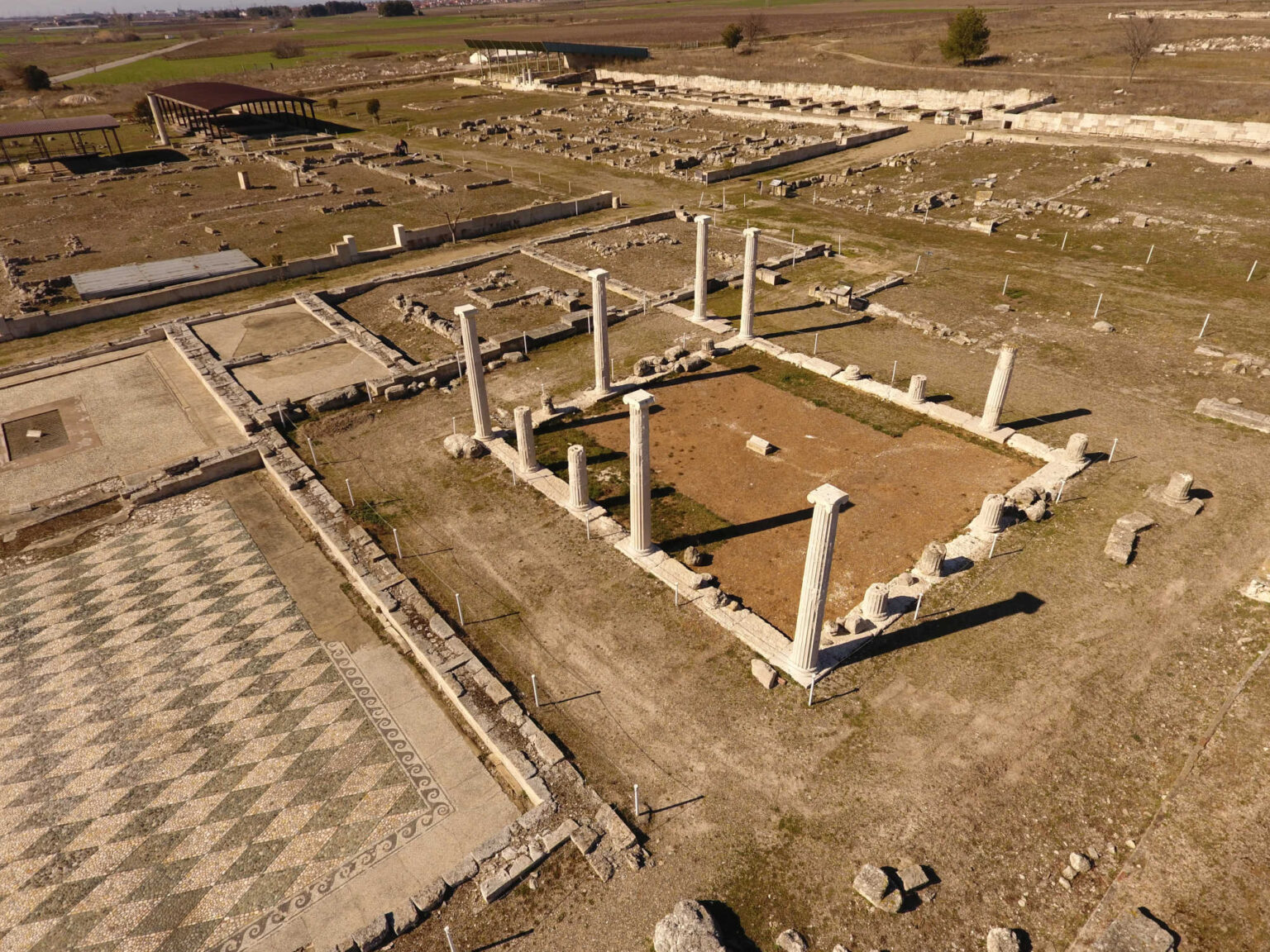
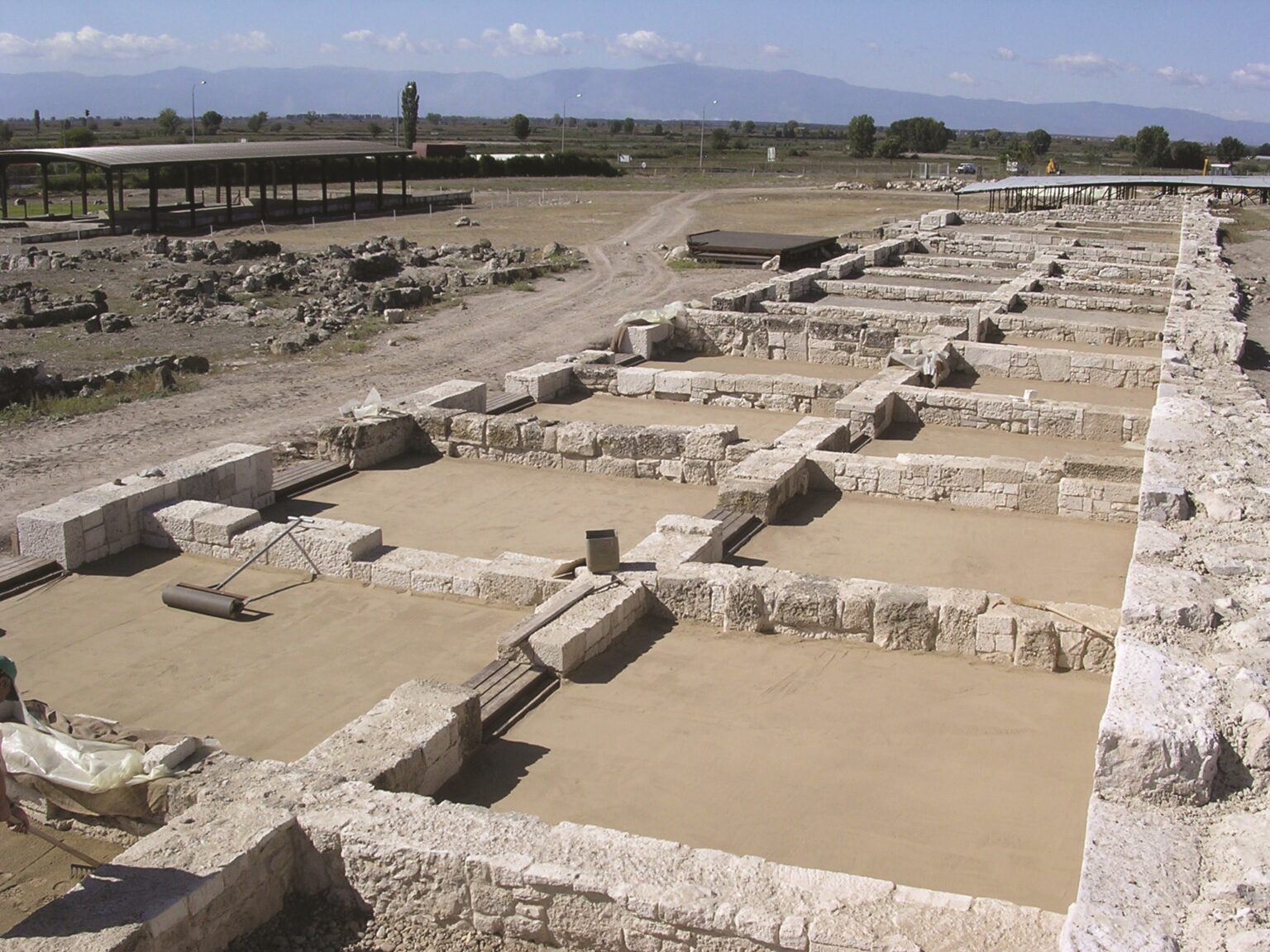
Despite the strategic importance attributed to it by king Archelaus, who moved the capital of Macedon from Aigai to Pella at the end of the 5th century BC, the city actually developed as a result of the ambitious economic programme of king Philip II. It acquired spacious streets and exemplary town planning, as well as the largest square agora in the ancient Greek world, while attracting travellers, poets and artists. The latter, in fact, left a strong mark on the mosaic floors and walls of the wealthy houses of Pella, where rare examples of Greek painting made with coloured mortars, have been discovered.
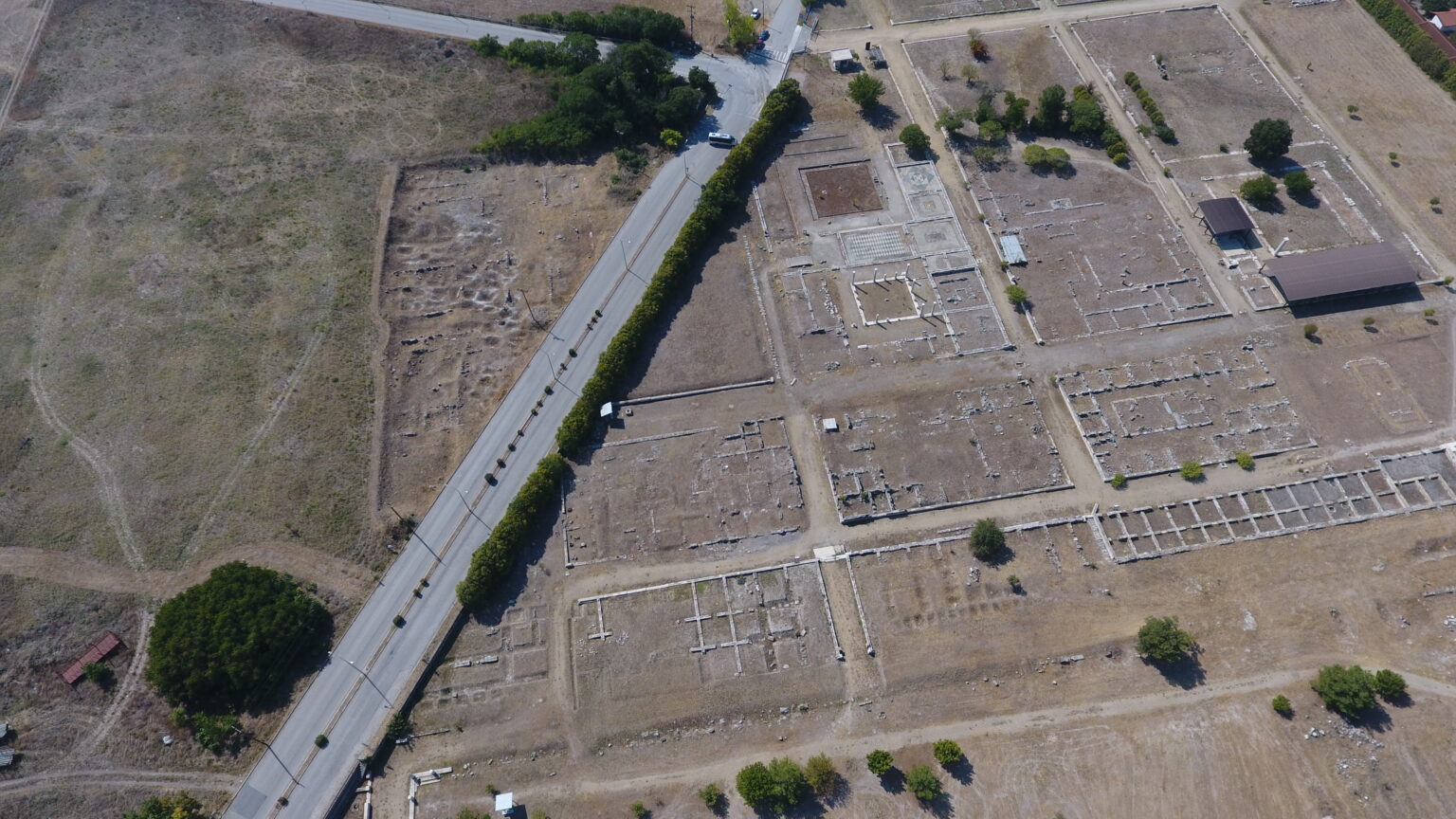
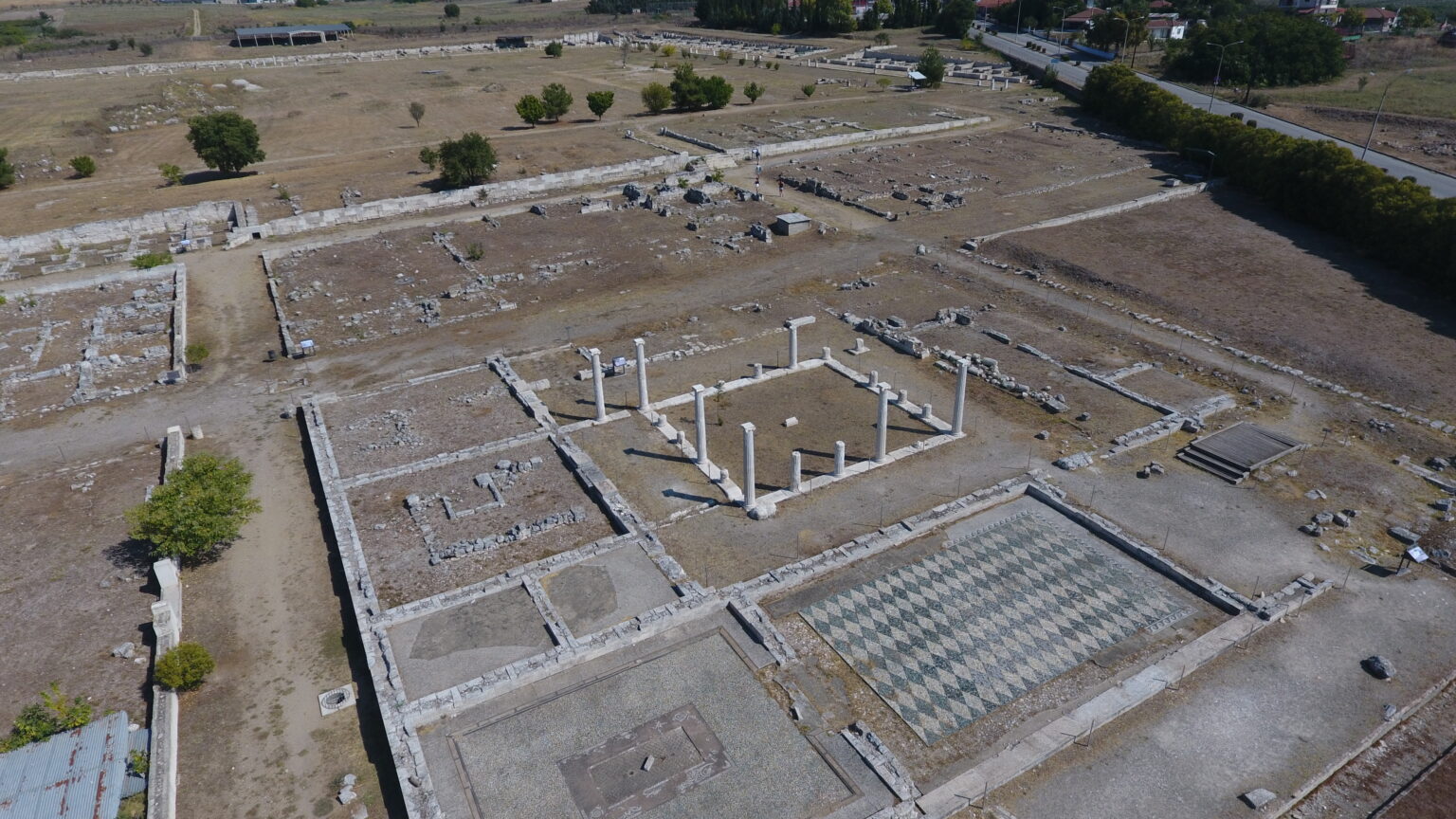
Excavations have revealed only part of the ancient city, which measured 4,000 stremmata in total; this is where one can marvel at courtyards with peristyles and elaborate mosaics, and also a section of the agora’s foundations.
Directions
58005, Pella
By bus
By intercity bus from Thessaloniki
By city bus from Giannitsa
By car
45–60 minutes from Thessaloniki
10–15 minutes from Giannitsa
Opening hours
Summer hours
April 1 – October 31
Monday: 08:00 – 20:00
Tuesday: 12:00 – 20:00
Wednesday: 08:00 – 20:00
Thursday: 08:00 – 20:00
Friday: 08:00 – 20:00
Saturday: 08:00 – 20:00
Sunday: 08:00 – 20:00
Winter hours
November 1 – March 31
Monday: 08:30 – 15:30
Tuesday: closed
Wednesday: 08:30 – 15:30
Thursday: 08:30 – 15:30
Friday: 08:30 – 15:30
Saturday: 08:30 – 15:30
Sunday: 08:30 – 15:30
Last admission: 20 minutes before closing time
The site remains closed on the following dates and public holidays: January 1, March 25, May 1, Easter Sunday, December 25 & 26.
The site remains closed on the following dates and public holidays: January 1, March 25, May 1, Easter Sunday, December 25 & 26.
Tickets
Full: €10.00
Reduced: €5.00
Admission is free on March 6, April 18, May 18, the last weekend of September, on October 28, as well as on the first and third Sunday of each month between November 1 and March 31.
Amenities
WC
Accessibility
Contact
Archaeological Museum of Pella
T: +30 23820 31160
E: pella.museum@gmail.com
Ephorate of Antiquities of Pella
T: +30 23810 24356
E: efapel@culture.gr