
Opening hours
View Hours

Athens, GR
Get Directions
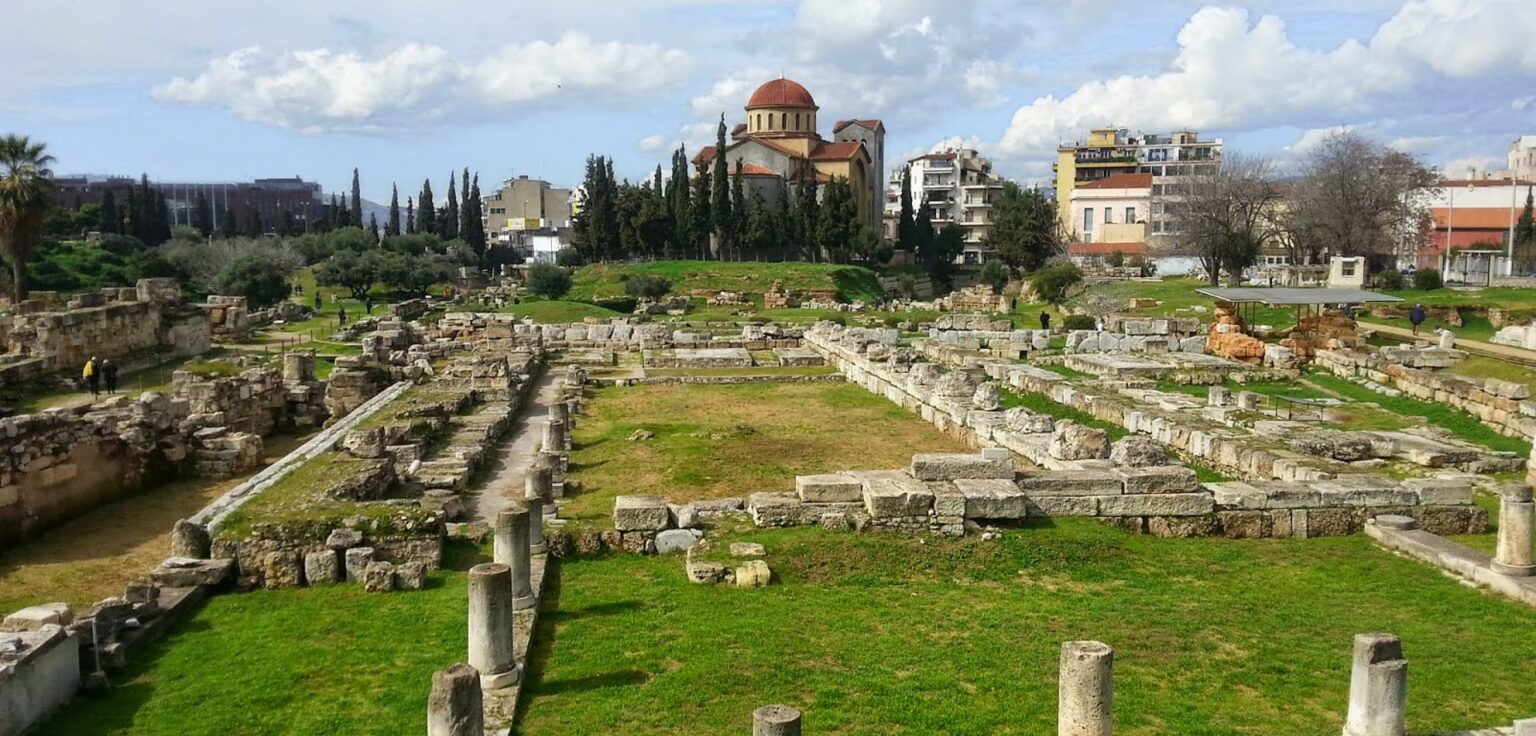
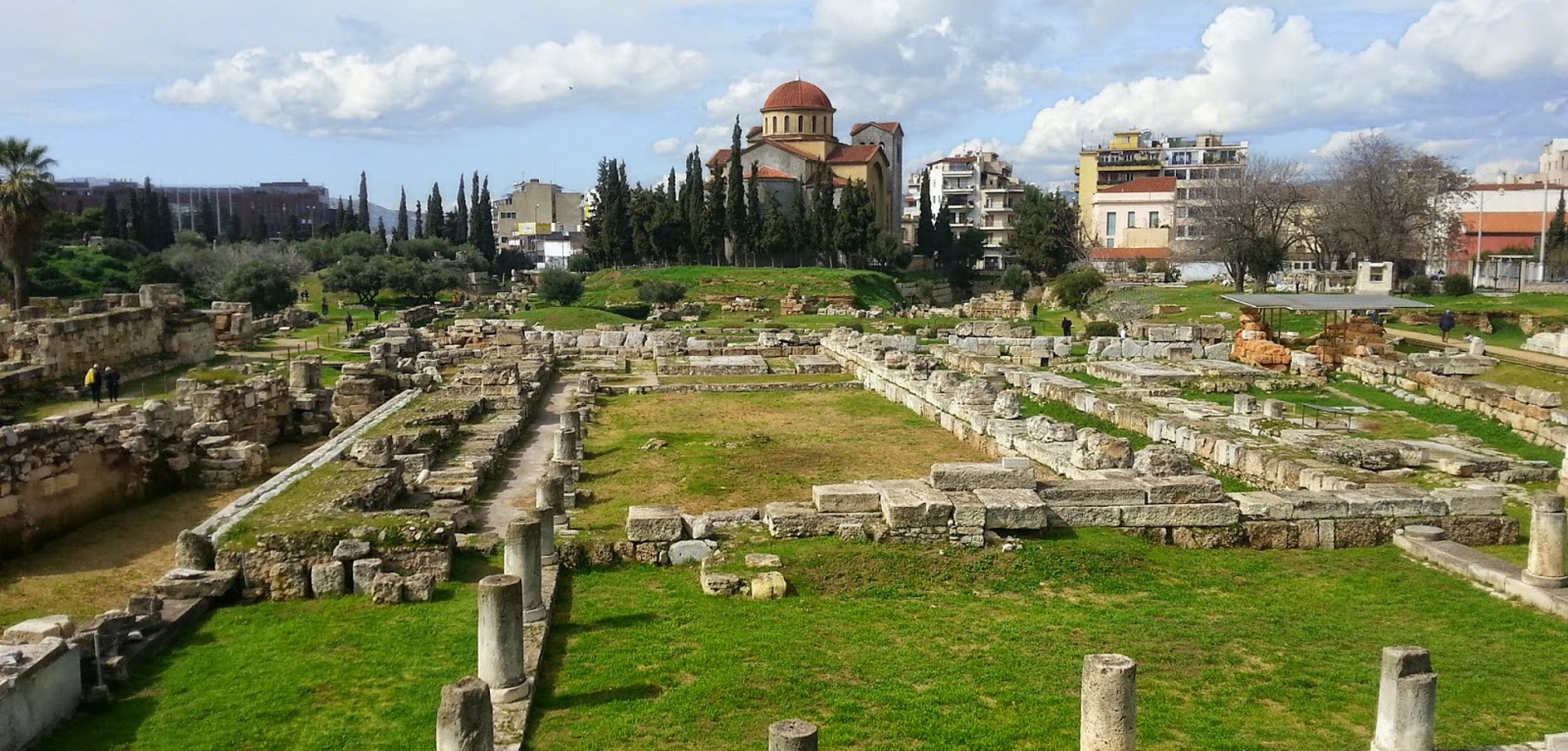
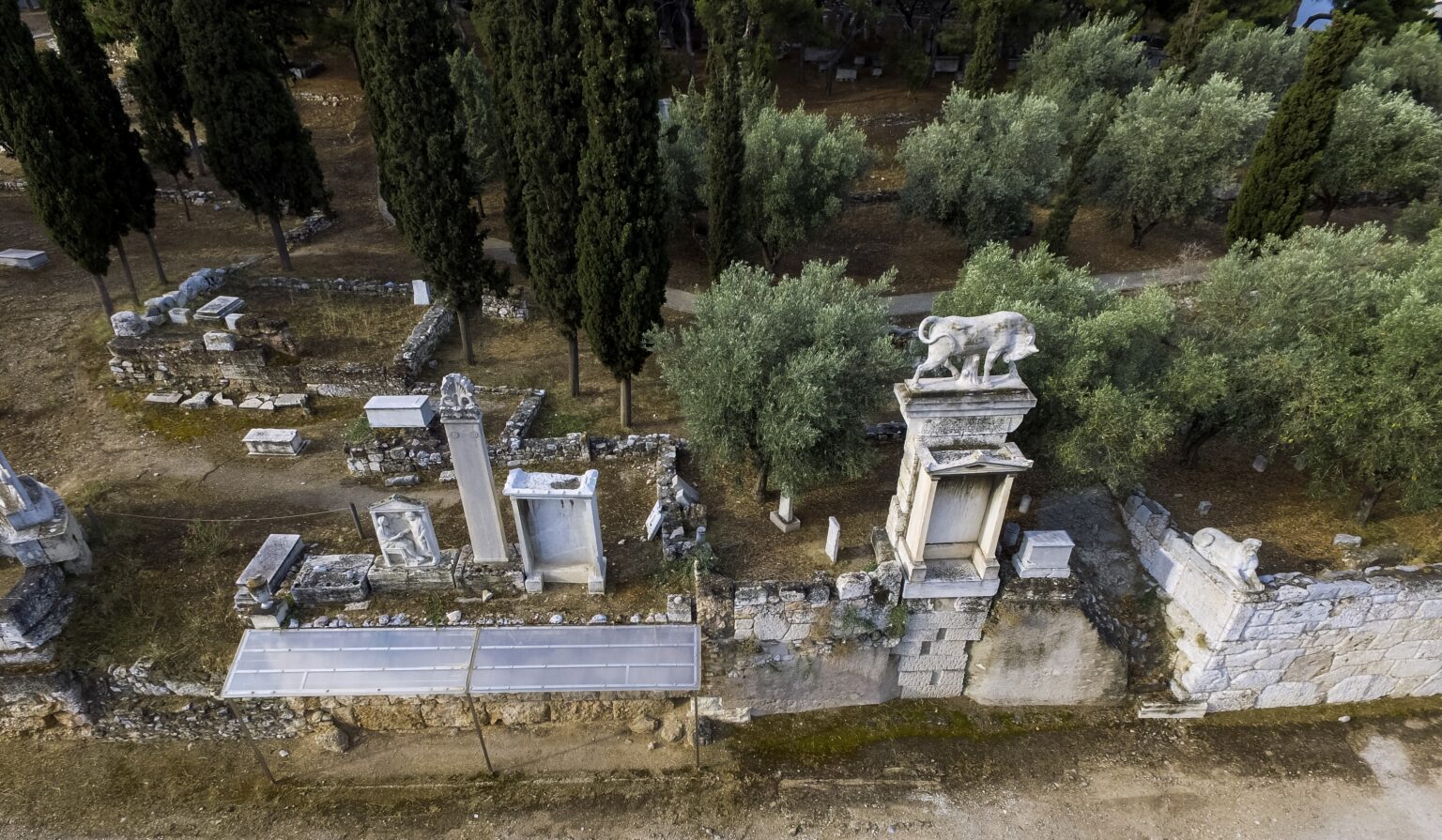
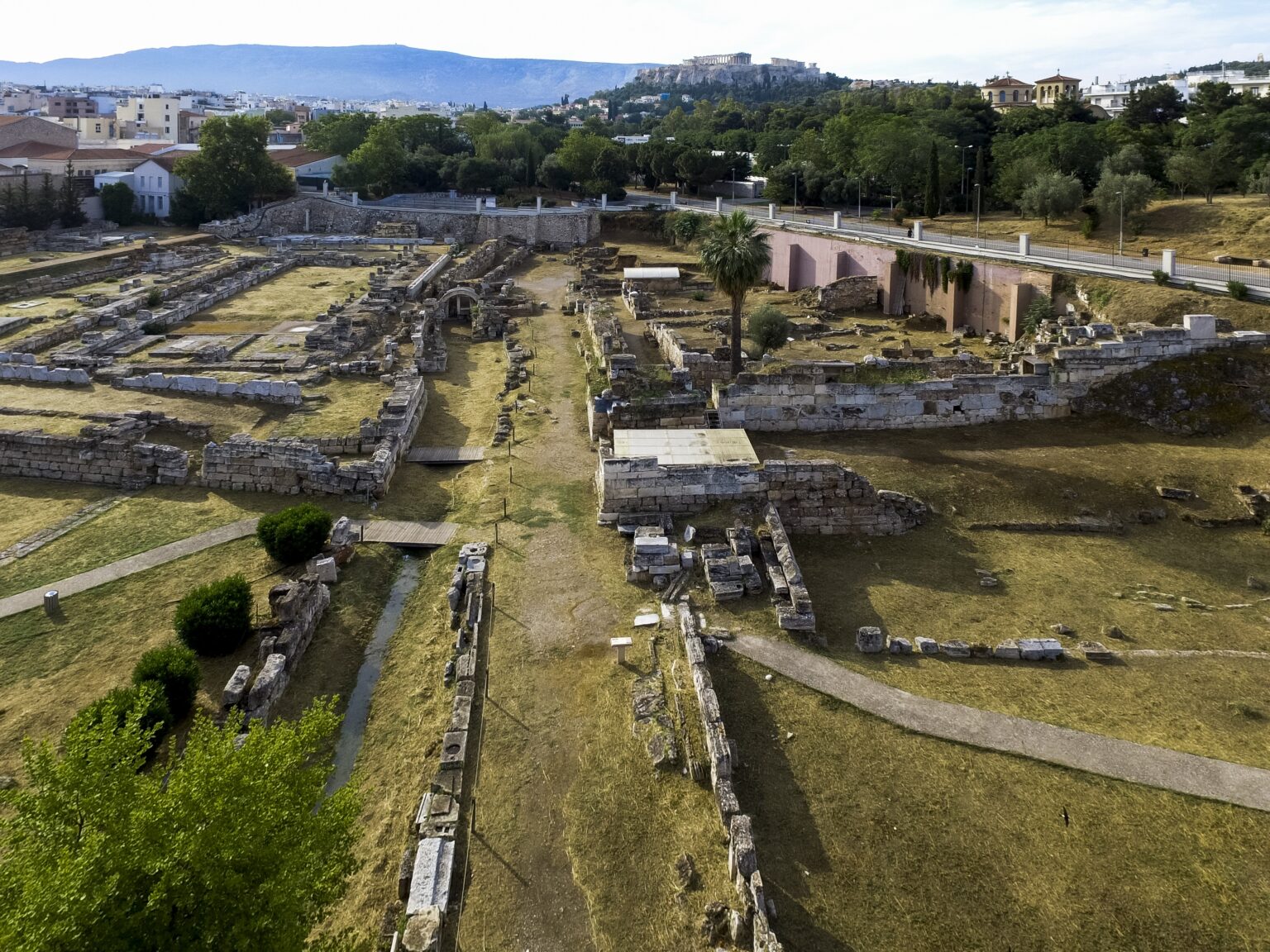
In antiquity, Kerameikos was not just a cemetery. It was the place where the procession of the Eleusinian Mysteries started, through the Sacred Gate, and one of the largest demes of ancient Athens.
The Dipylon, the most imposing gateway to the ancient city, is located here as well. The place name “Kerameikos” originates from the ceramic workshops of potters (“kerameis” in Greek), who chose this area for the deposits of clay soil along the banks of the River Eridanos, ideal for the production of vases.
Kerameikos started being used as a burial site in the Early Bronze Age (2700 – 2000 BC) and gradually became the most important necropolis of ancient Athens. Its operation continued uninterrupted until the 6th century AD, offering modern visitors the unique opportunity to experience 15 centuries of Athenians and settlers alike, slumbering beneath their their feet.
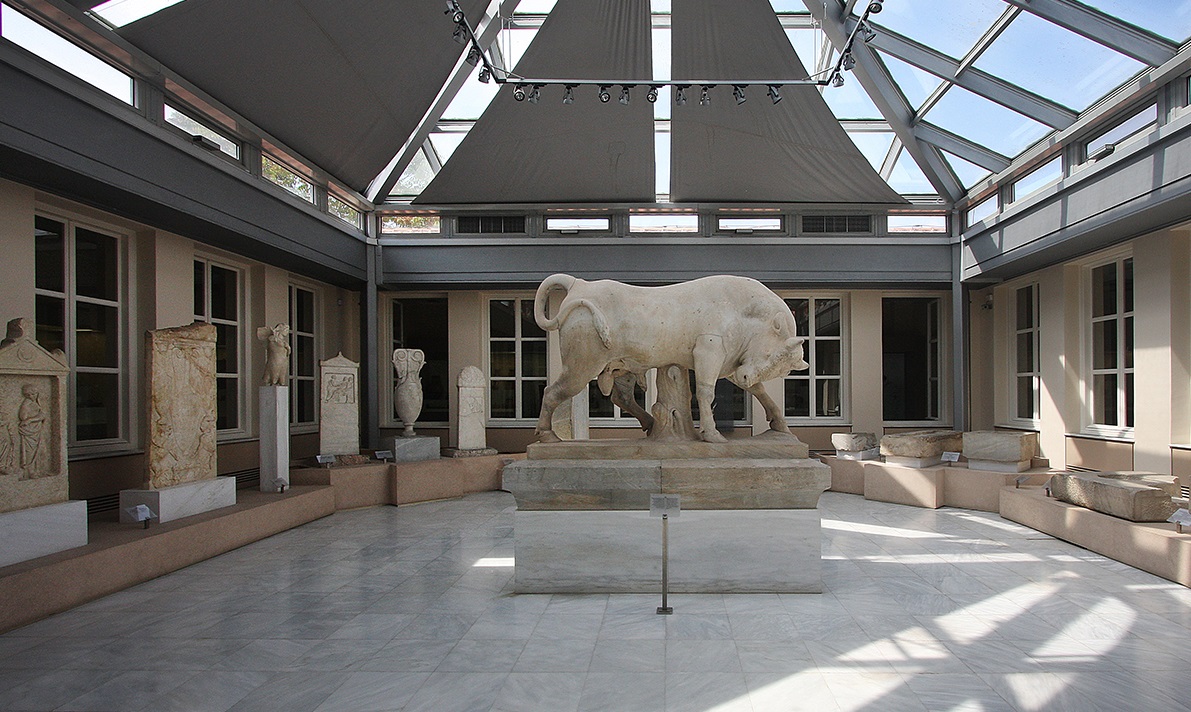
Through monumental inscribed funerary stelae and impressive statues, the ancient necropolis will inevitably lead you to its elegant museum. This is where Kostis Palamas, observing a funerary monument dedicated to the young horseman Dexileos, called Kerameikos “the marble Elysium of art” in his poem “Dexileos”.
Access
148 Ermou St.
10553, Athens
On foot
7 minutes from “Thisseio” metro station
11 minutes from “Kerameikos” metro station
By metro
Line 1, exit at “Thisseio” station
Line 3, exit at “Kerameikos” station
Opening hours
Summer hours
The site is temporarily closed.
Winter hours
November 1 – March 31
Daily: 08:00 – 15:00
Last admission: 20 minutes before closing time
The site remains closed on the following dates and public holidays: January 1, March 25, May 1, Easter Sunday, December 25 & 26.
The site remains closed on the following dates and public holidays: January 1, March 25, May 1, Easter Sunday, December 25 & 26.
Tickets
Full: €10,00
Reduced: €5,00
Admission is free on March 6, April 18, May 18, the last weekend of September, on October 28, as well as on the first and third Sunday of each month between November 1 and March 31.
Amenities
Shop
WC
Accessibility
Contact
Archaeological Site of Kerameikos
T: +30 210 3416117
Guardhouse of the Archaeological Site of Kerameikos
T: +30 210 3463552
Ephorate of Antiquities of the City of Athens
T: +30 210 9238724, +30 210 9238747
E: efaath@culture.gr