
Opening hours
View Hours

Steiri, GR
Get Directions
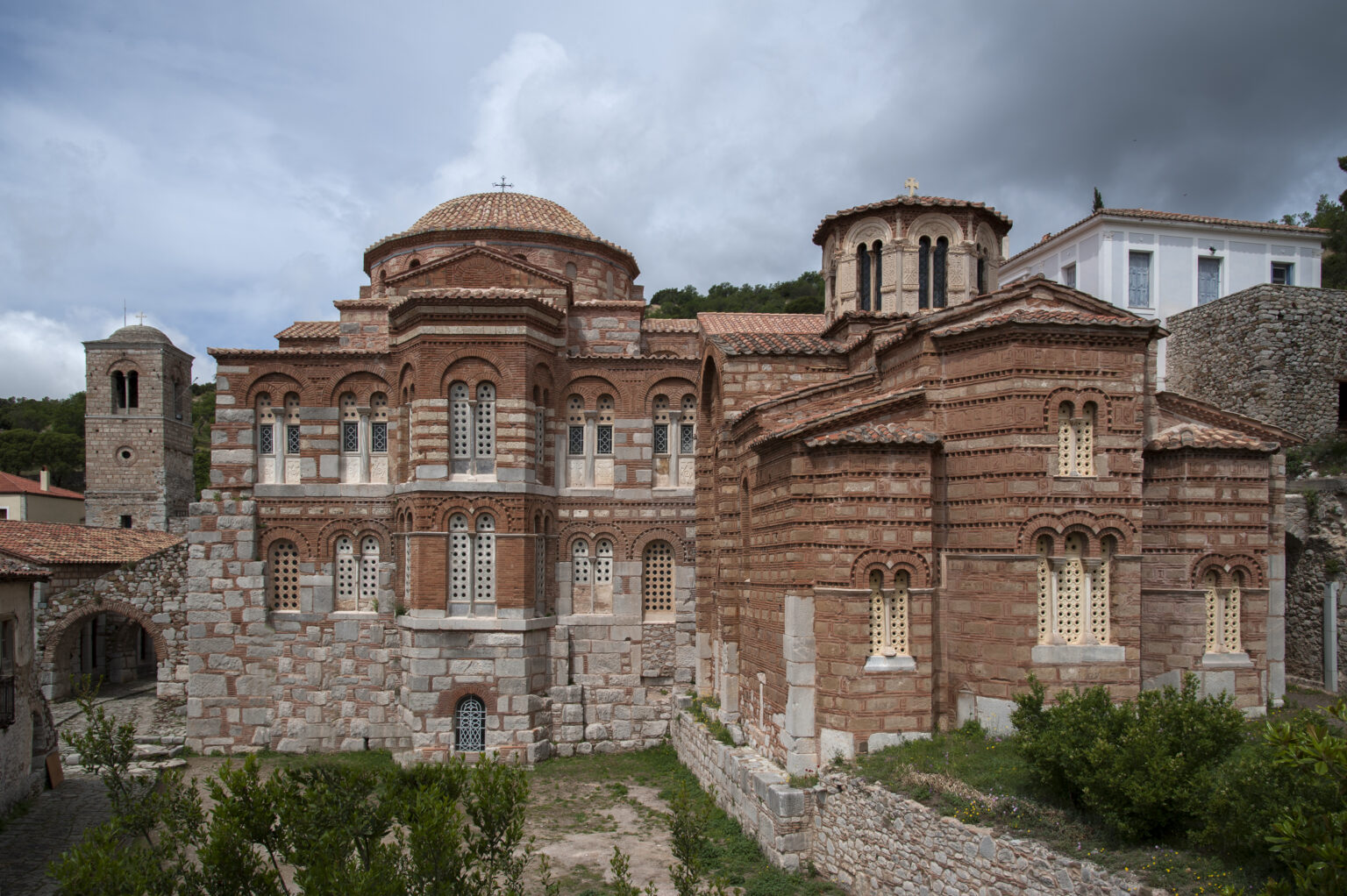
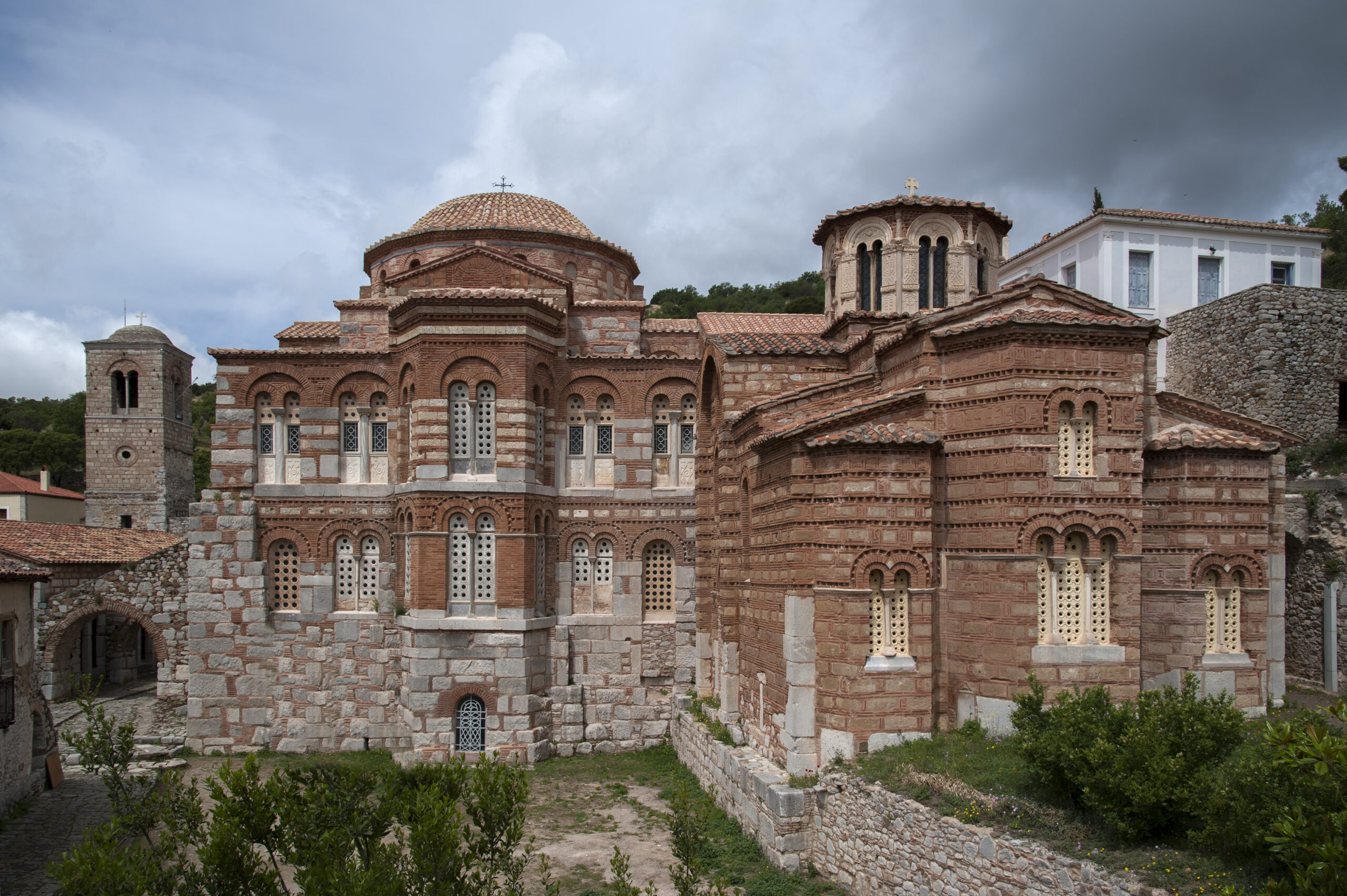
Nestled on the scenic slopes of Mount Helicon, opposite Parnassus, the famous monastery of Hosios Loukas is one of the three Greek monasteries (together with Nea Moni in Chios and Dafni in Attica) included in the UNESCO World Heritage List for good reason.
Built beneath the acropolis of ancient Steiris, on the site where the temple of Demeter once stood, it is the largest and best preserved monastic complex of the Middle Byzantine period in Greece.
According to the chronicle of the monastery’s establishment, as documented in 962 by the anonymous monk who authored the Life of Hosios Loukas (896-953), the area – overrun with olive groves – is identified with the place where Hosios Loukas himself took up residence for the last seven years of his life, undertaking charity work and healing people, while it was widely believed he had the gift of foreseeing the future. His reputation made him a beloved figure among both locals and senior local officials, which turned the area into a pilgrimage site from very early on. The construction of the church of Saint Barbara, which was completed after his death, was financed while Hosios Loukas was still alive. He was buried under the floor of his cell, where the monks would perimetrically erect the cells of the first monastic community two years later.
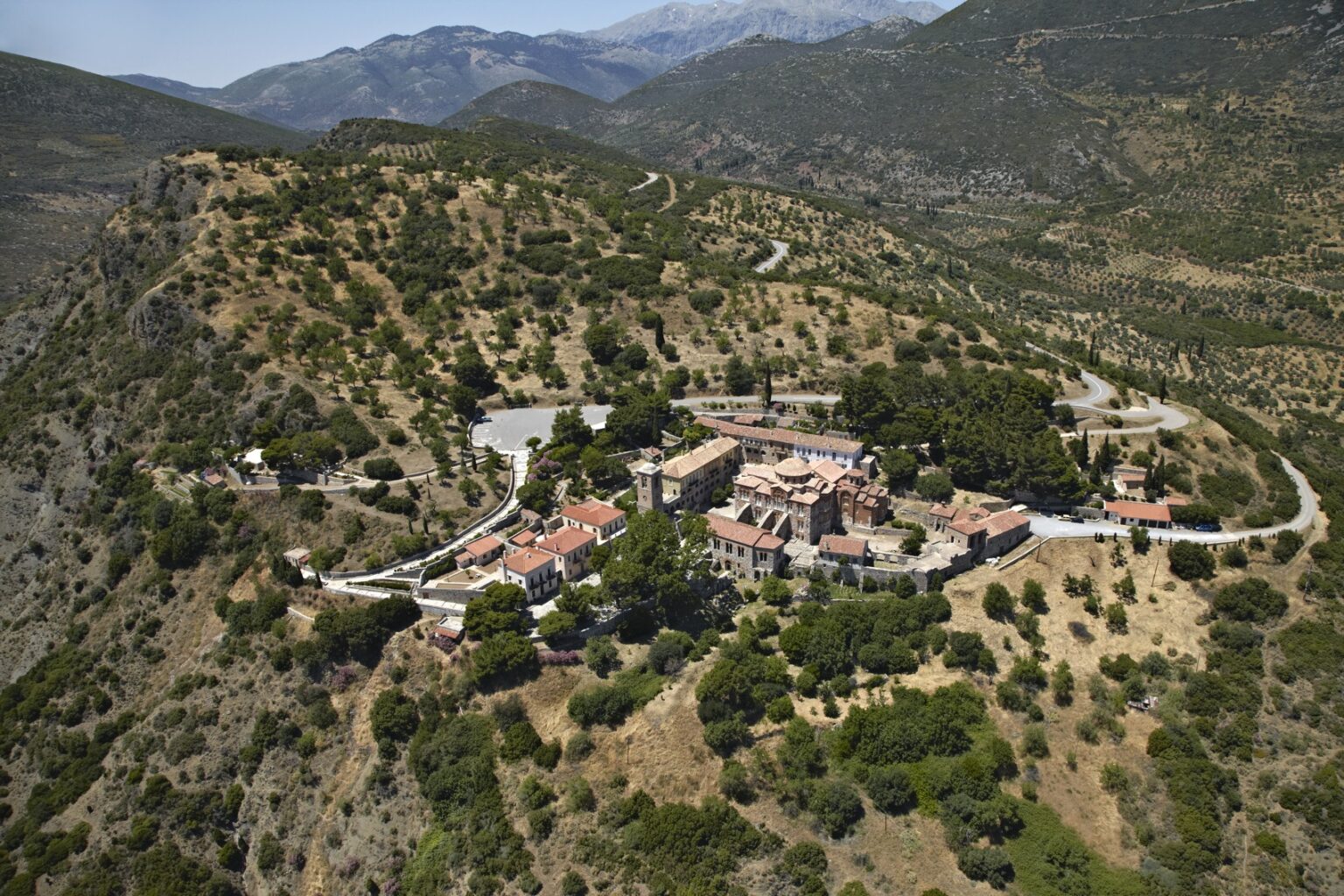
However, the basic structures (the church of the Virgin Mary and the katholicon), which constitute the monastic complex as we know it today, were built later, possibly sponsored by an emperor. Although historians and archaeologists don’t seem to agree on which one – Romanus II, Basil ΙΙ the Bulgar Slayer or Constantine IX the Gladiator? – was responsible for the erection of the monastery, its monumental architecture and rich decoration certainly imply a measure of imperial favor.
According to the prevailing view, the church of the Virgin Mary was built according to Constantinopolitan architectural trends after 961, following the triumph of the Byzantines who had recovered Crete from the Arabs, as prophesied by Hosios Loukas. The katholicon, on the other hand, larger in dimensions and built during the first decades of the 11th century to accommodate the relic of Hosios Loukas, belongs to the continental octagonal architectural type and is considered the model for all later churches of this type.
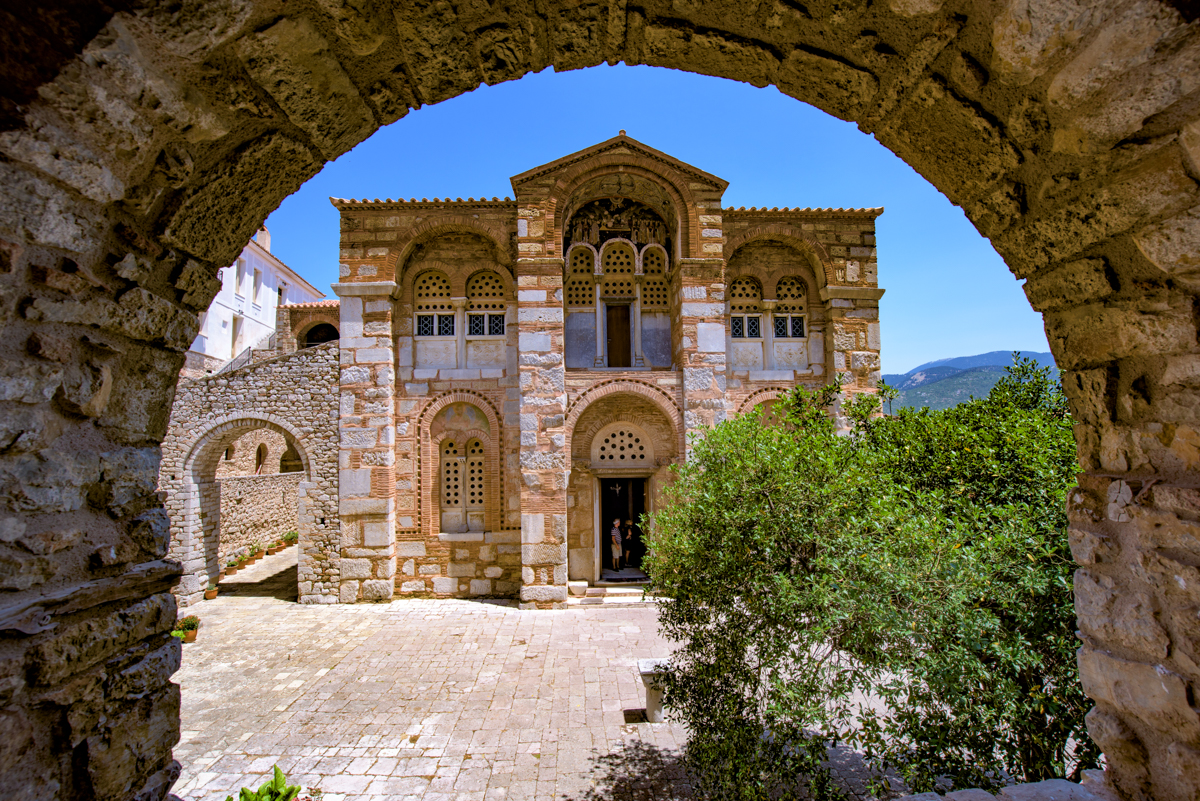
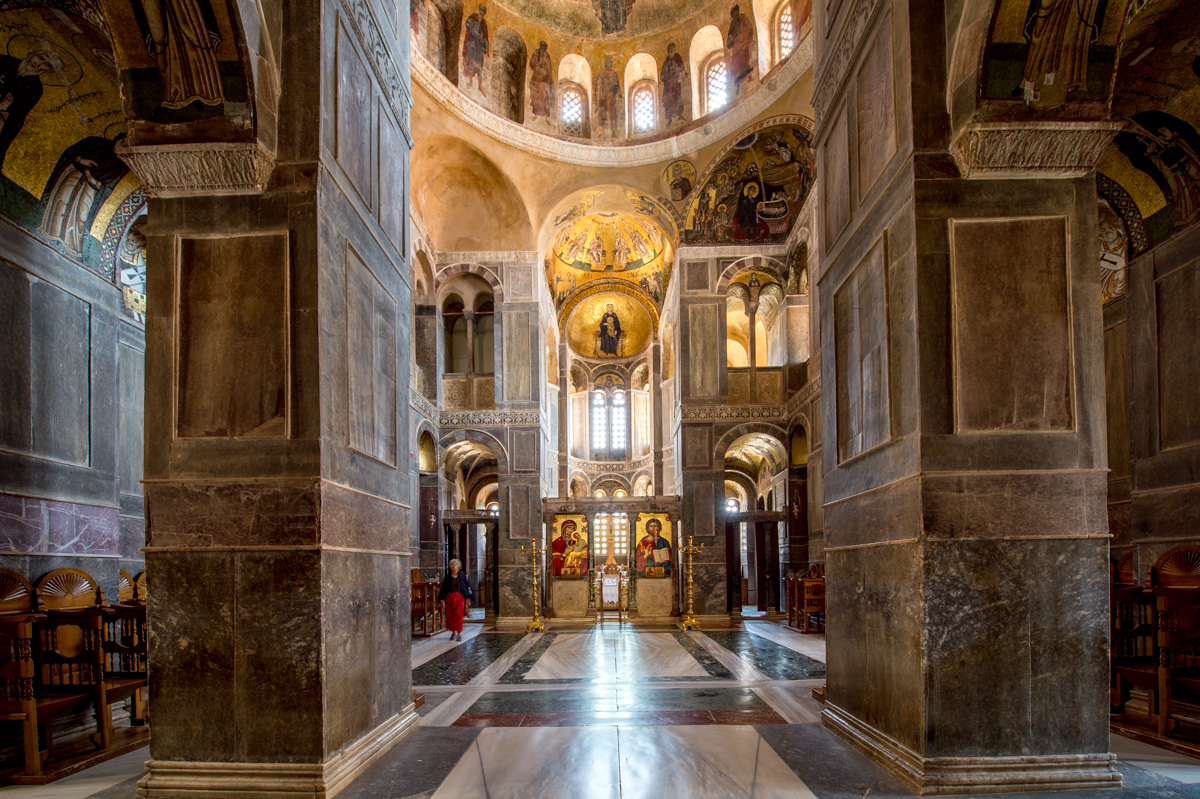
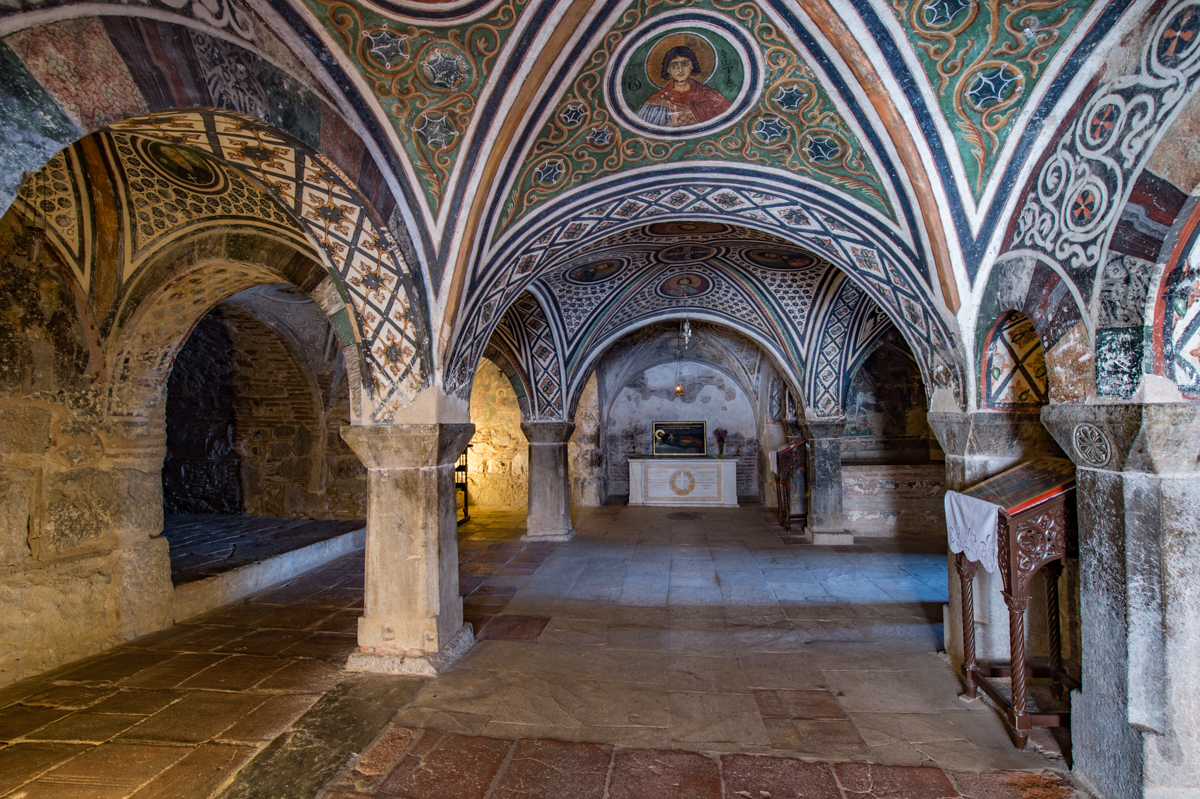
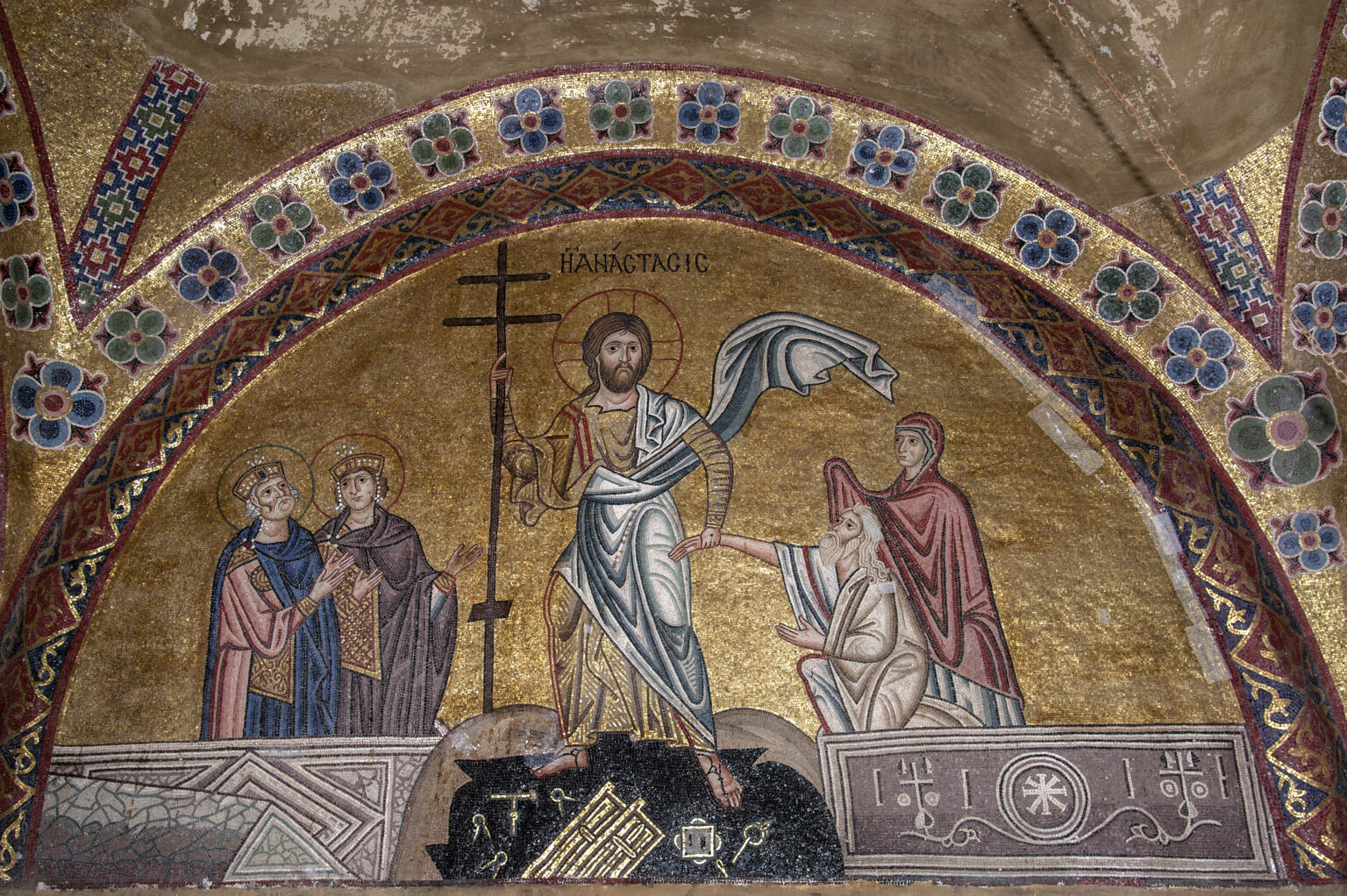
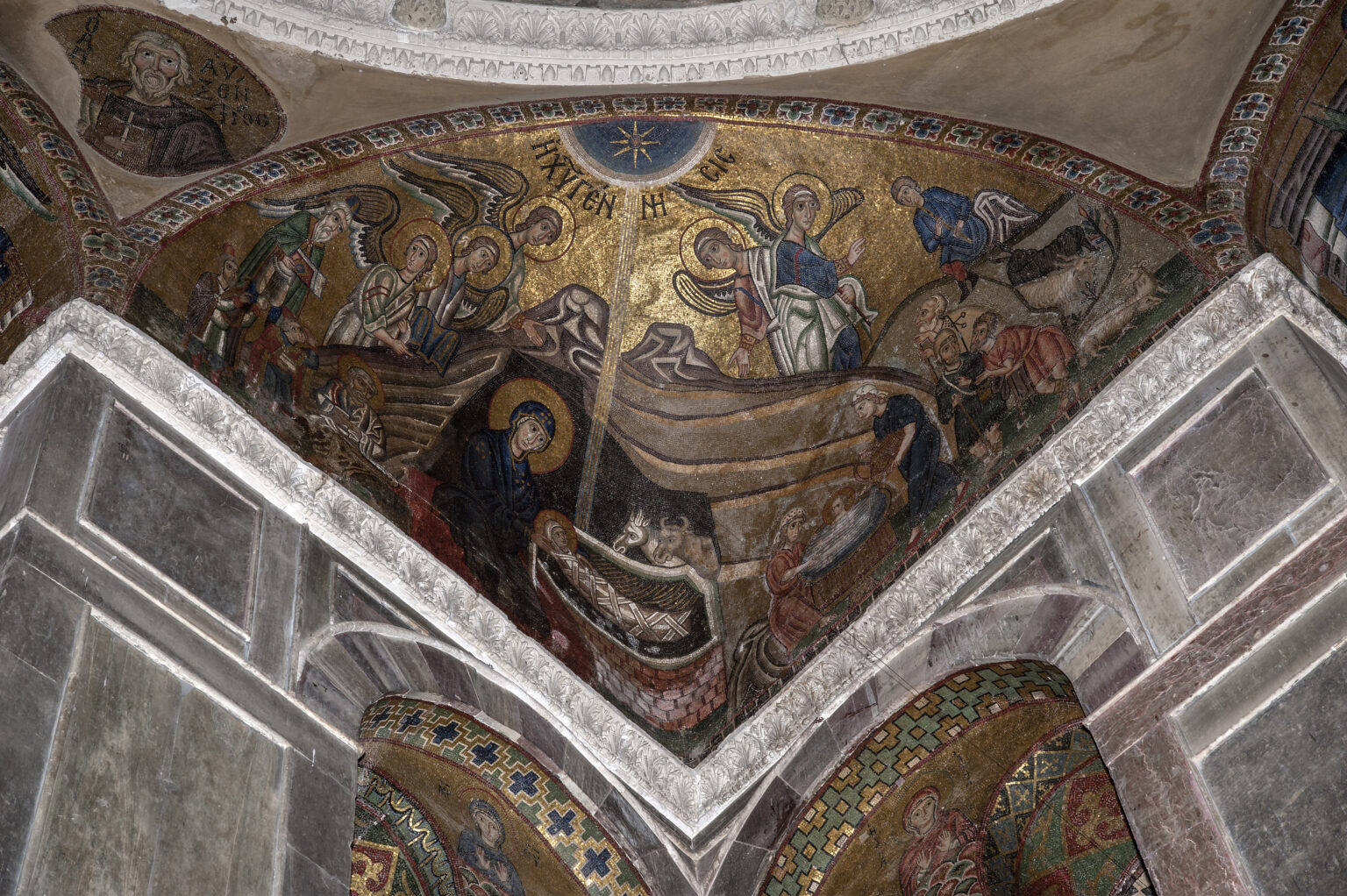
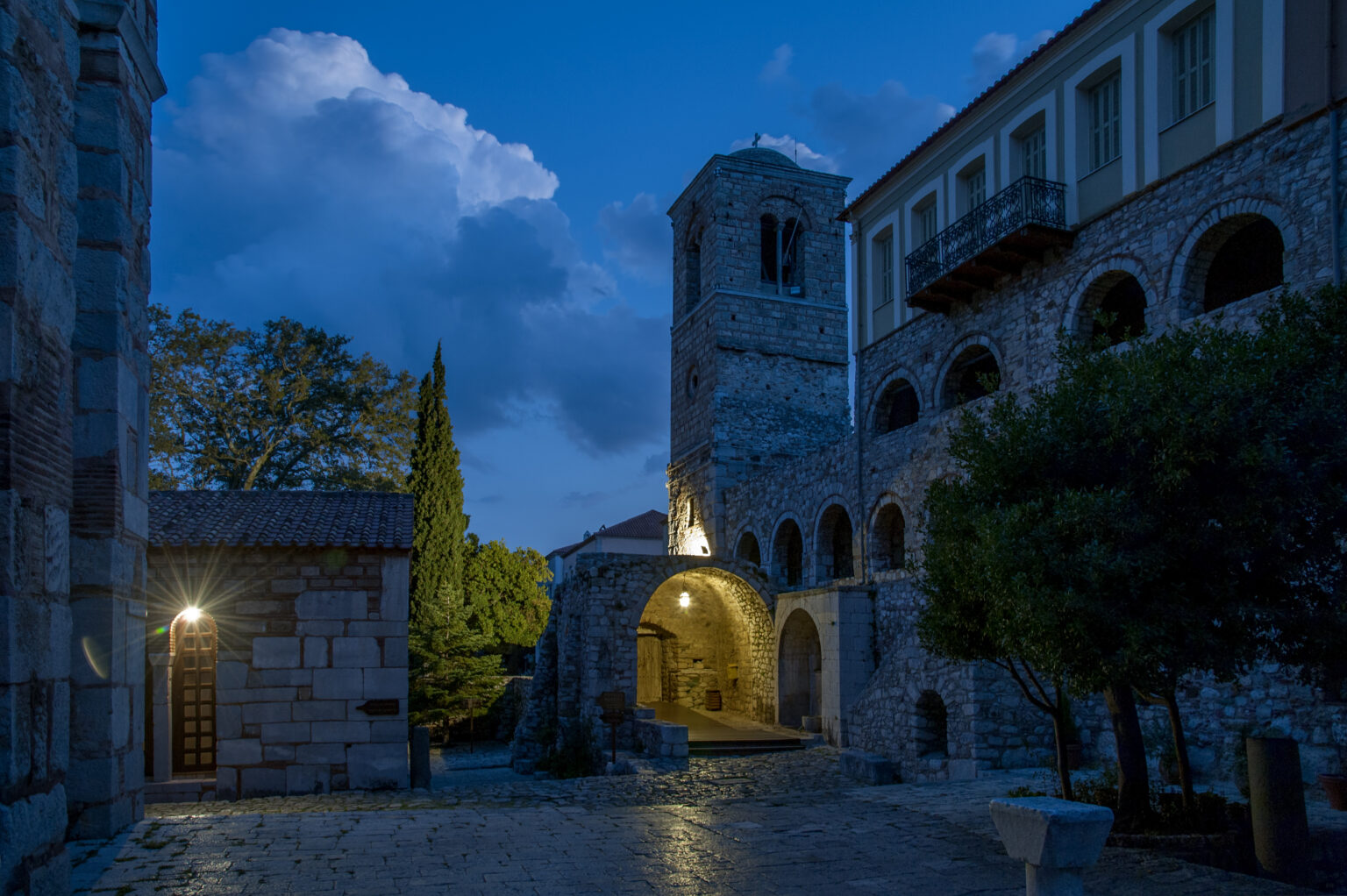
In the katholikon visitors can still marvel at the luxurious compositions of coloured marbles that cover both the floor and the vertical surfaces of the walls, and particularly at the brilliant mosaics adorning the upper surfaces of the church’s wall, true masterpieces of post-Byzantine art and one of the most important mosaic assemblages of their kind. The feeling of awe follows the visitor to the imposing underground crypt, where the original grave of Hosios Loukas is located, just below the spot where his reliquary was later placed. The monastery complex also includes a number of buildings dating from various periods: guesthouses, a refectory, an archontariki (reception hall), a bell tower, cells, towers, storerooms, a fotanama (oil workshop), stables, a refectory, a cistern and fountains.
In the eyes of the contemporary visitor, however, the monastery is not only a magnificent example of Byzantine art and architecture, but also a living monument of Greek history, as it was used as headquarters for the Resistance during the Ottoman Rule. For more than half a century, the monastery’s premises served as a preparation camp and a hideout for armatoles, klephts and fighters, a place for gathering and providing food and supplies to warriors and villagers and a shelter for the sick and the wounded. During the 1821 Revolution, the monastery signalled the beginning of the Struggle in Roumeli. As a result of its prime location and use, the monastery was often the epicentre of attacks, clashes and looting. Fortunately, however, the restoration works managed to salvage most of it.
Opening hours
Summer hours
April 1 – October 31
Daily: 08:30 – 15:30
Winter hours
November 1 – March 31
Daily: 08:30 – 15:30
Last admission: 20 minutes before closing time
The site remains closed on the following dates and public holidays: January 1, March 25, May 1, Easter Sunday, December 25 & 26.
The site remains closed on the following dates and public holidays: January 1, March 25, May 1, Easter Sunday, December 25 & 26.
Tickets
Full: €10.00
Reduced: €5.00
Admission is free on March 6, April 18, May 18, the last weekend of September, on October 28, as well as on the first and third Sunday of each month between November 1 and March 31.
Amenities
Café / Restaurant
Shop
WC
Parking
Contact
Monastery of Hosios Loukas
T: +30 22670 22797
Ephorate of Antiquities of Boeotia
T: +30 22620 23559, +30 22620 80945, +30 22620 89359
E: efavio@culture.gr