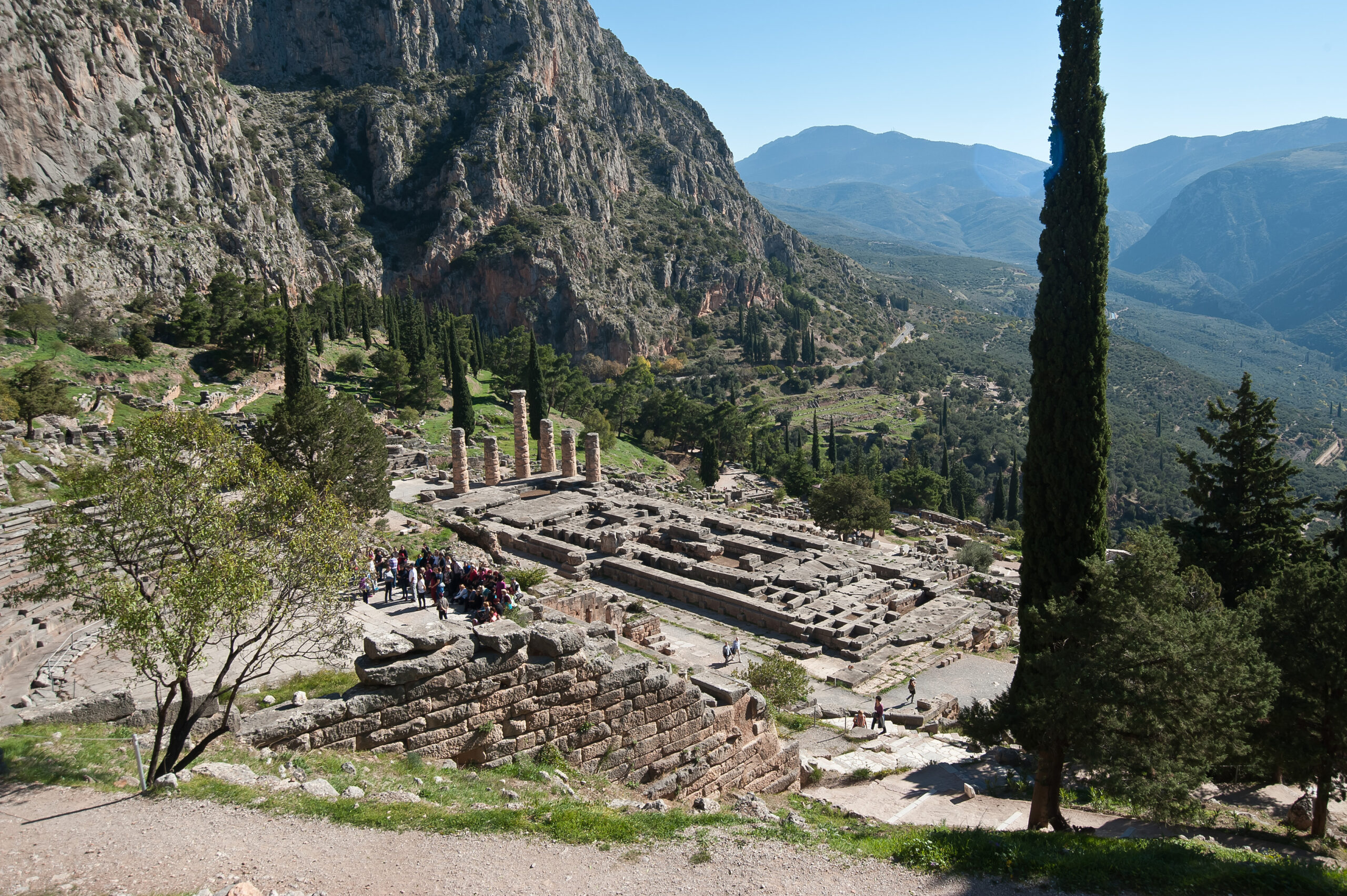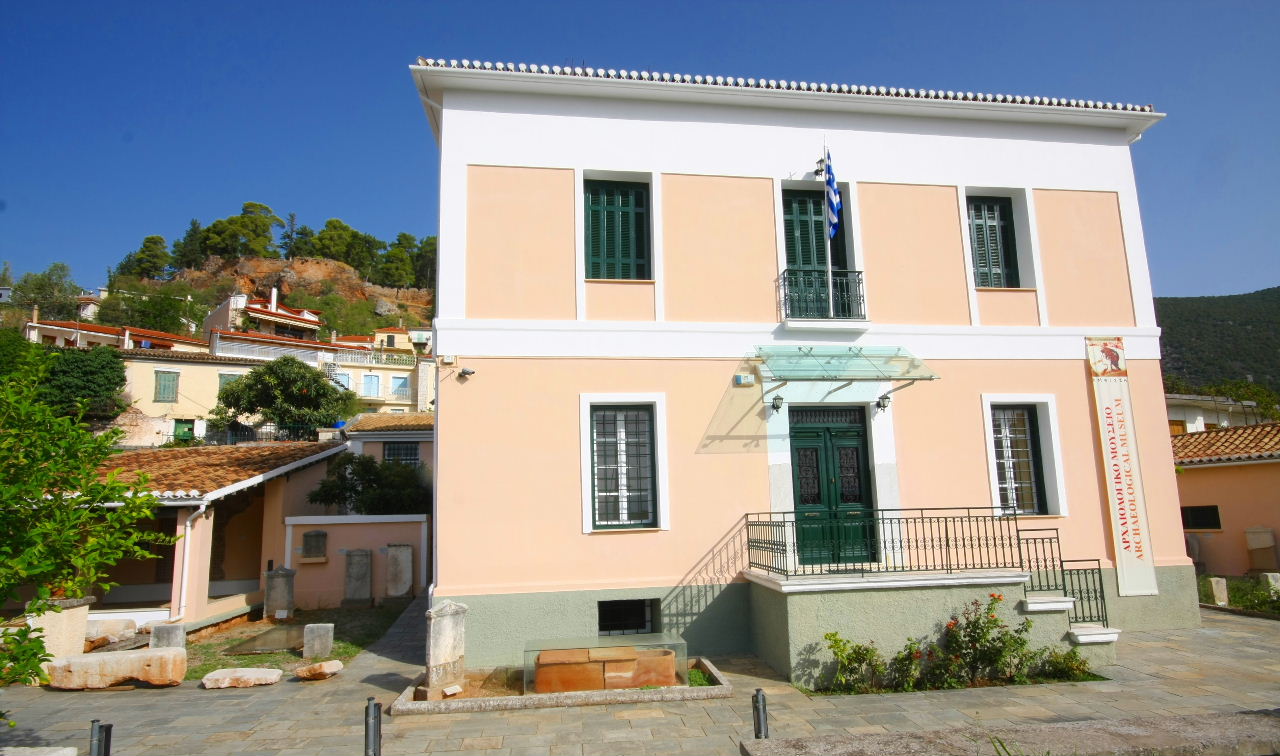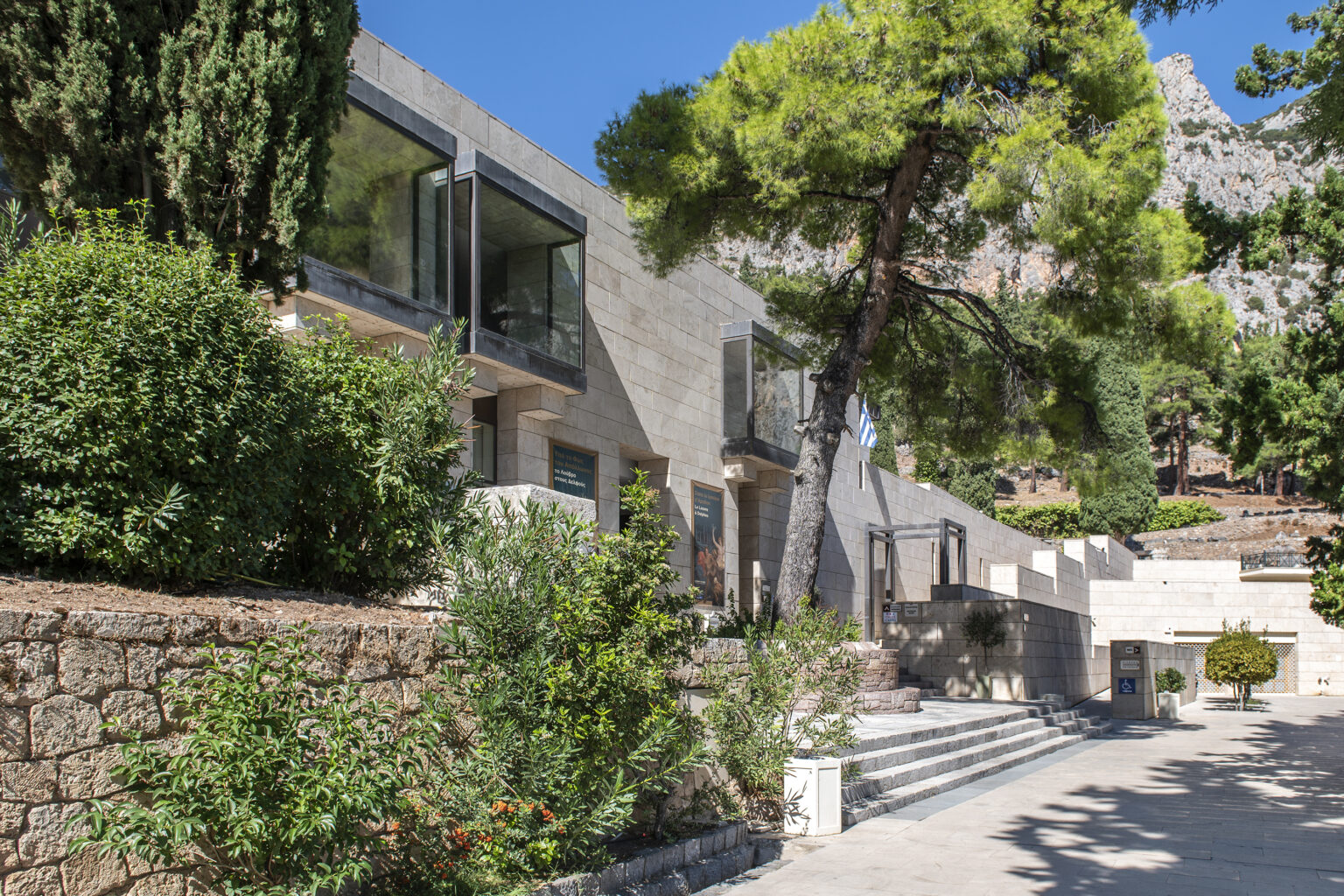
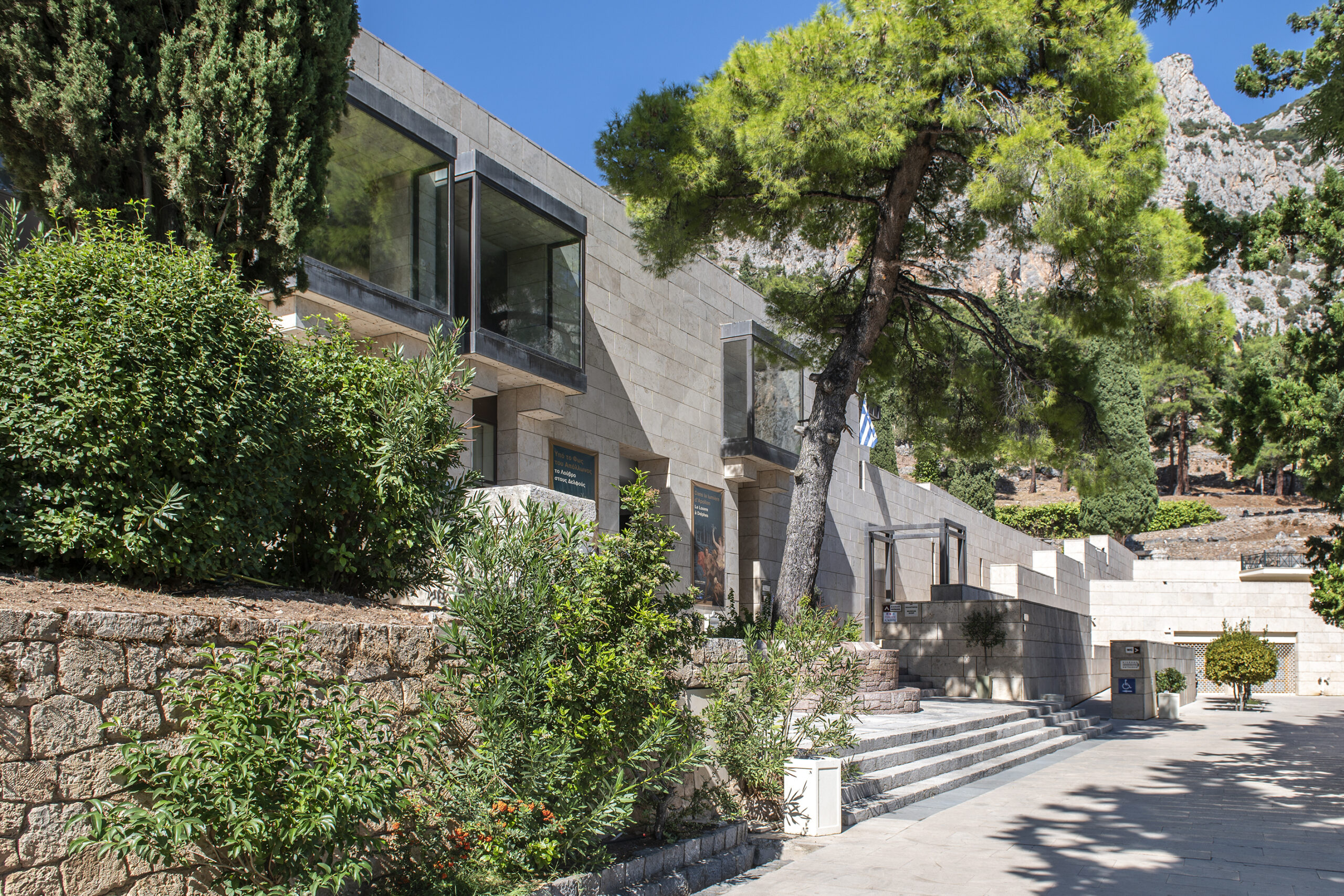


The original Archaeological Museum of Delphi was inaugurated on May 2, 1903, following the “great excavation”, which unearthed the sanctuary of Apollo and created a pressing need to house the valuable votive offerings found buried beneath the Sacred Way.
In 1935, it was decided that a larger museum had to be erected, which was later enriched with new exhibits over time. The presentation of the collections you see today, follows modern museological principles.
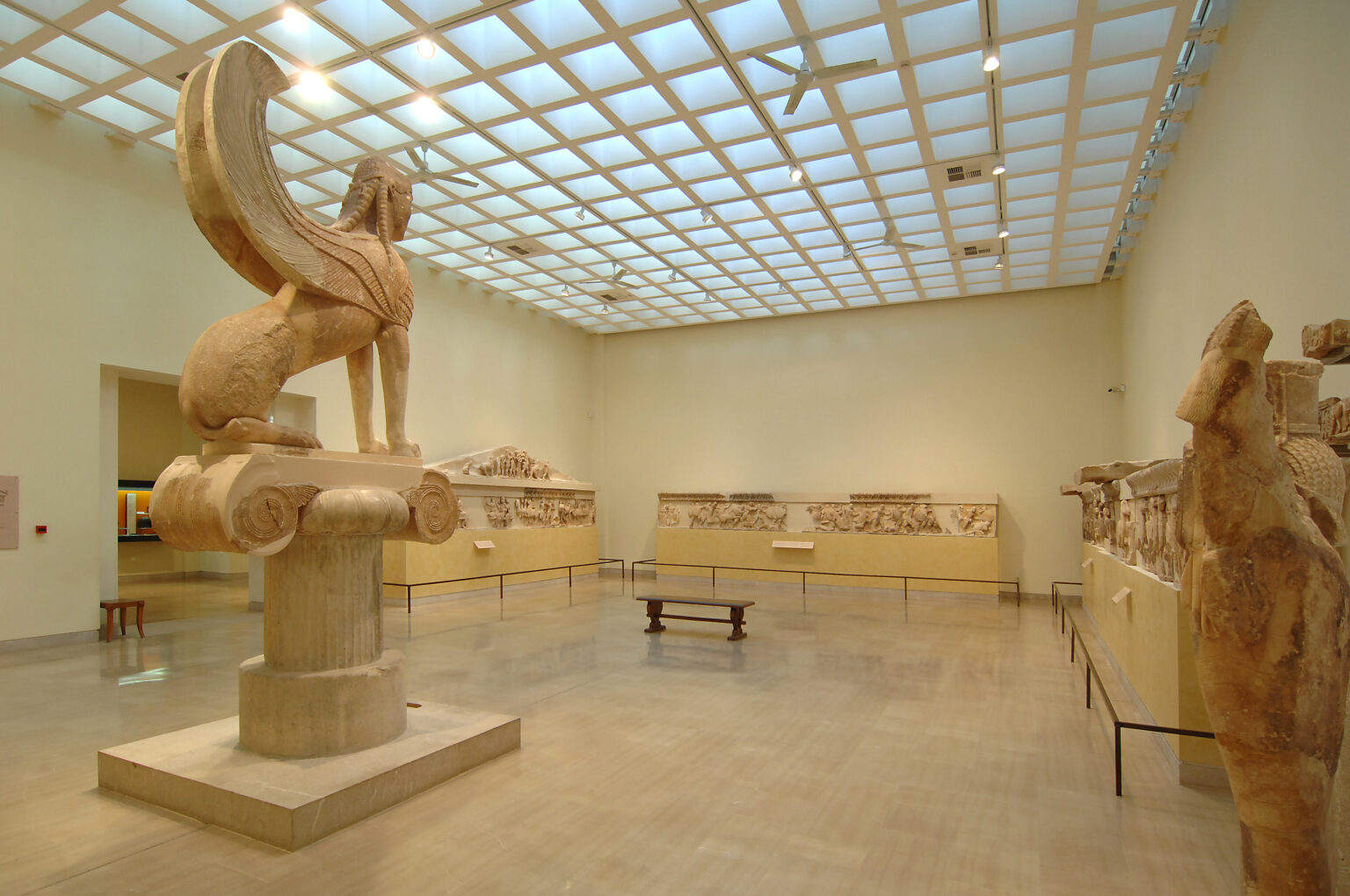
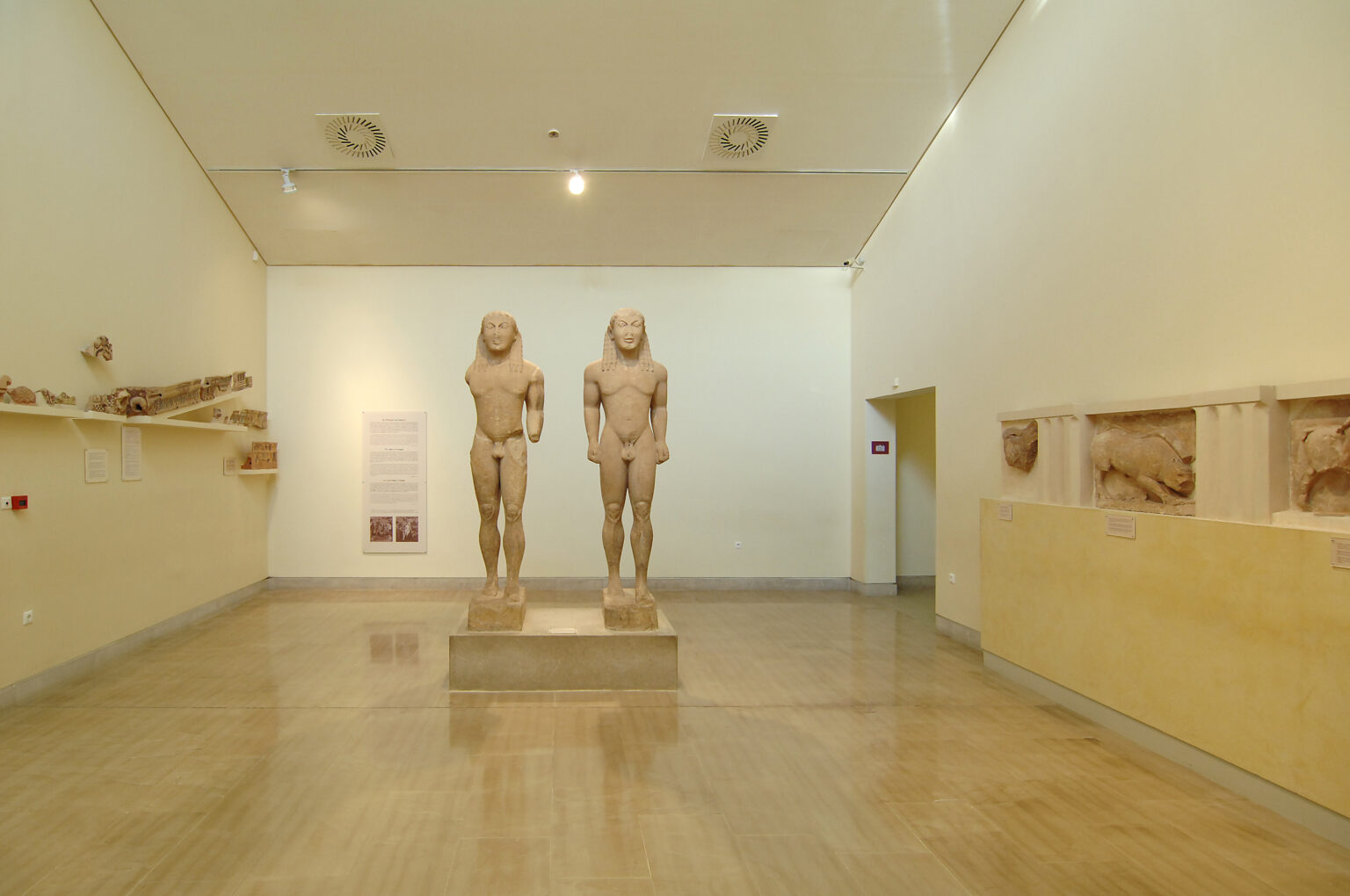
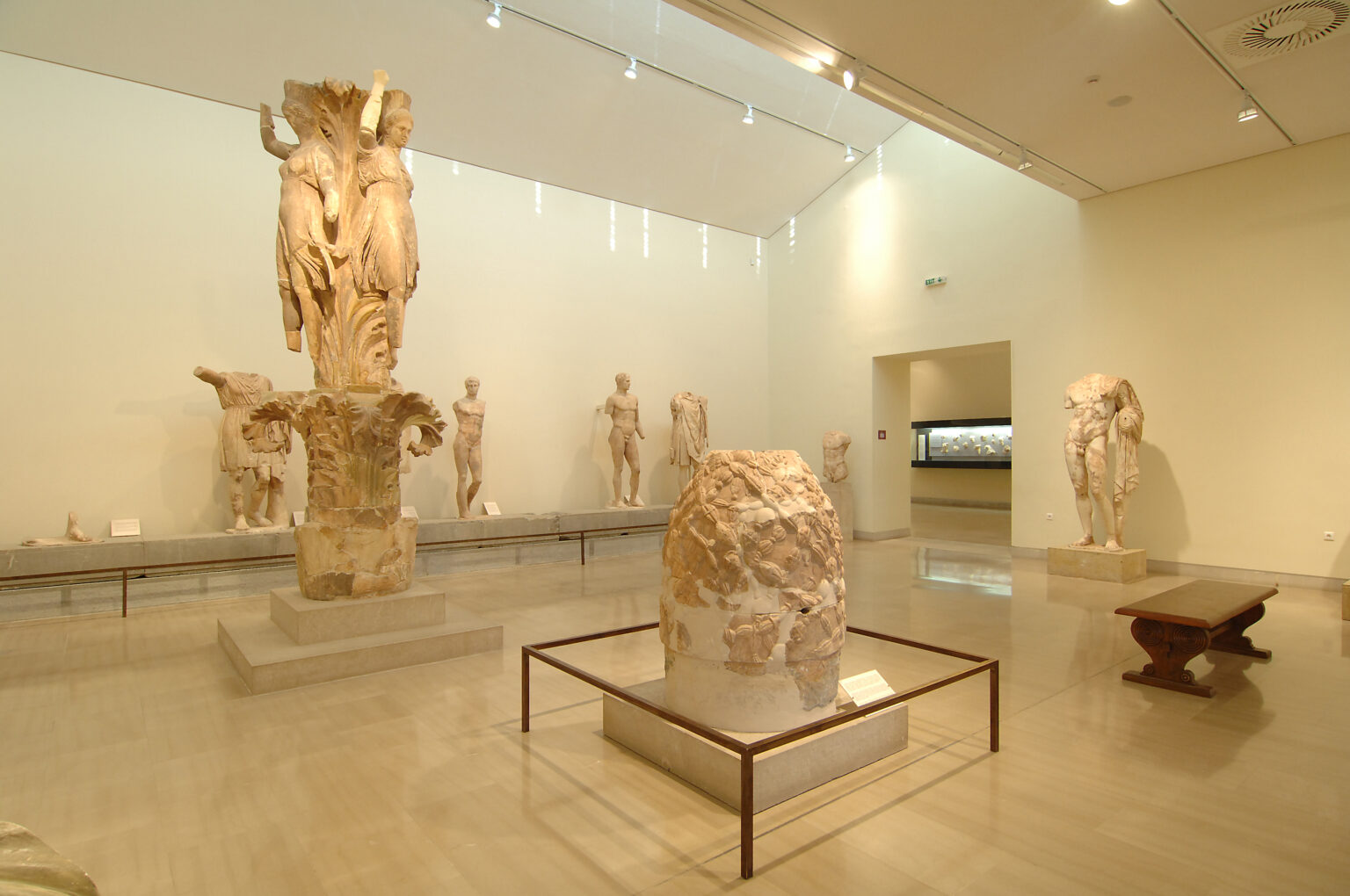
The Archaeological Museum of Delphi is one of the most significant in Greece and houses magnificent finds that tell the history of the renowned Delphic Sanctuary. Its rich collections include architectural sculptures (such as the reliefs from the metopes of the Treasury of the Siphnians and the Treasury of the Athenians), statues (Kleobis and Biton and the Sphinx of the Naxians, among others), as well as minor works of art, like votive offerings dedicated to the sanctuary by worshippers. These artifacts document the religious, political and artistic activity throughout the entire historical course of the sanctuary, from its foundation to its decline in late antiquity.
The three chryselephantine statues are particularly arresting – most likely depicting the Apollonian triad (Apollo, Artemis and Leto) – and are the only surviving examples of chryselephantine sculpture. Equally remarkable is the life-sized silver statue of a bull, composed of numerous silver sheets fastened onto a wooden core.
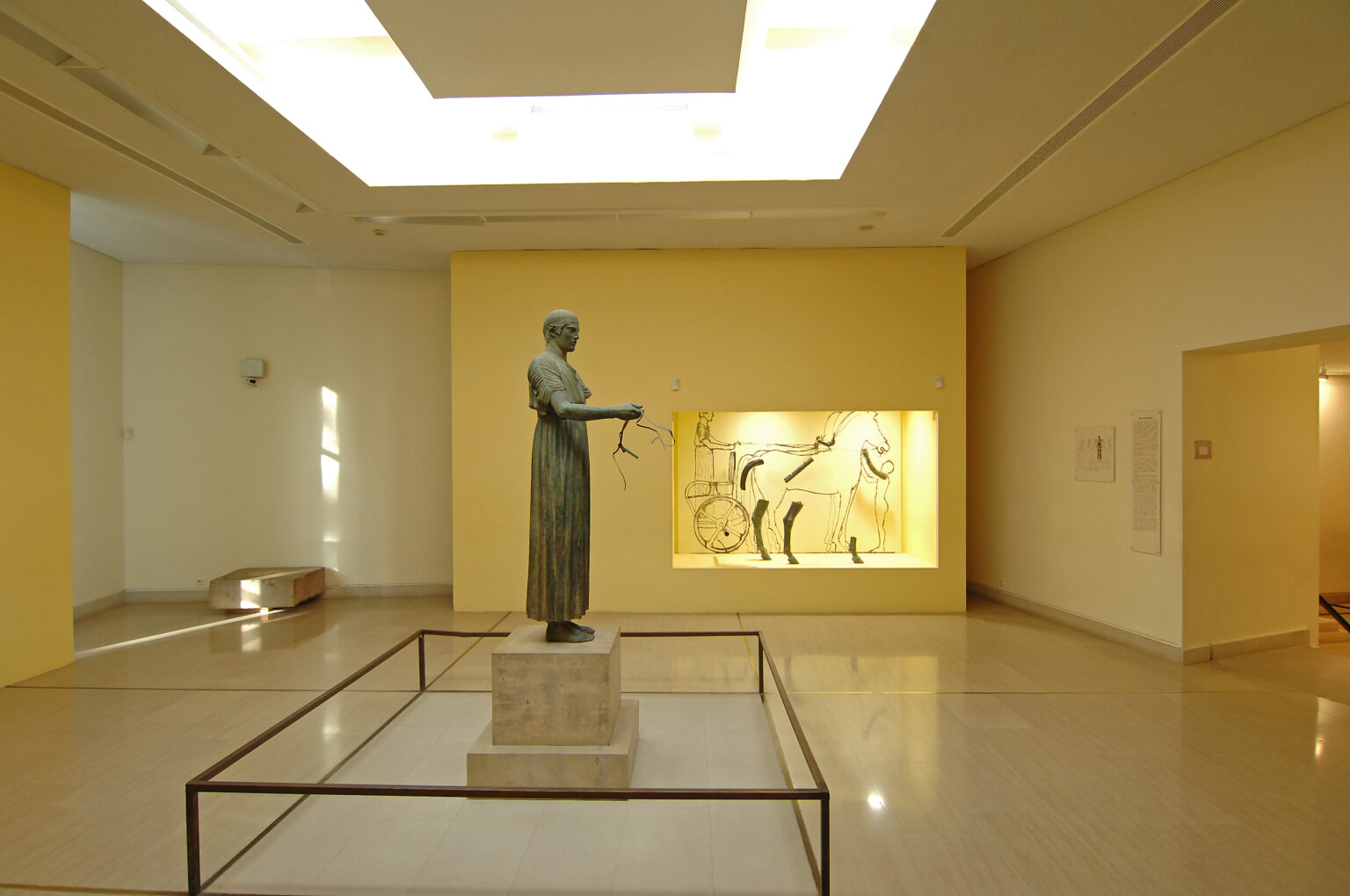
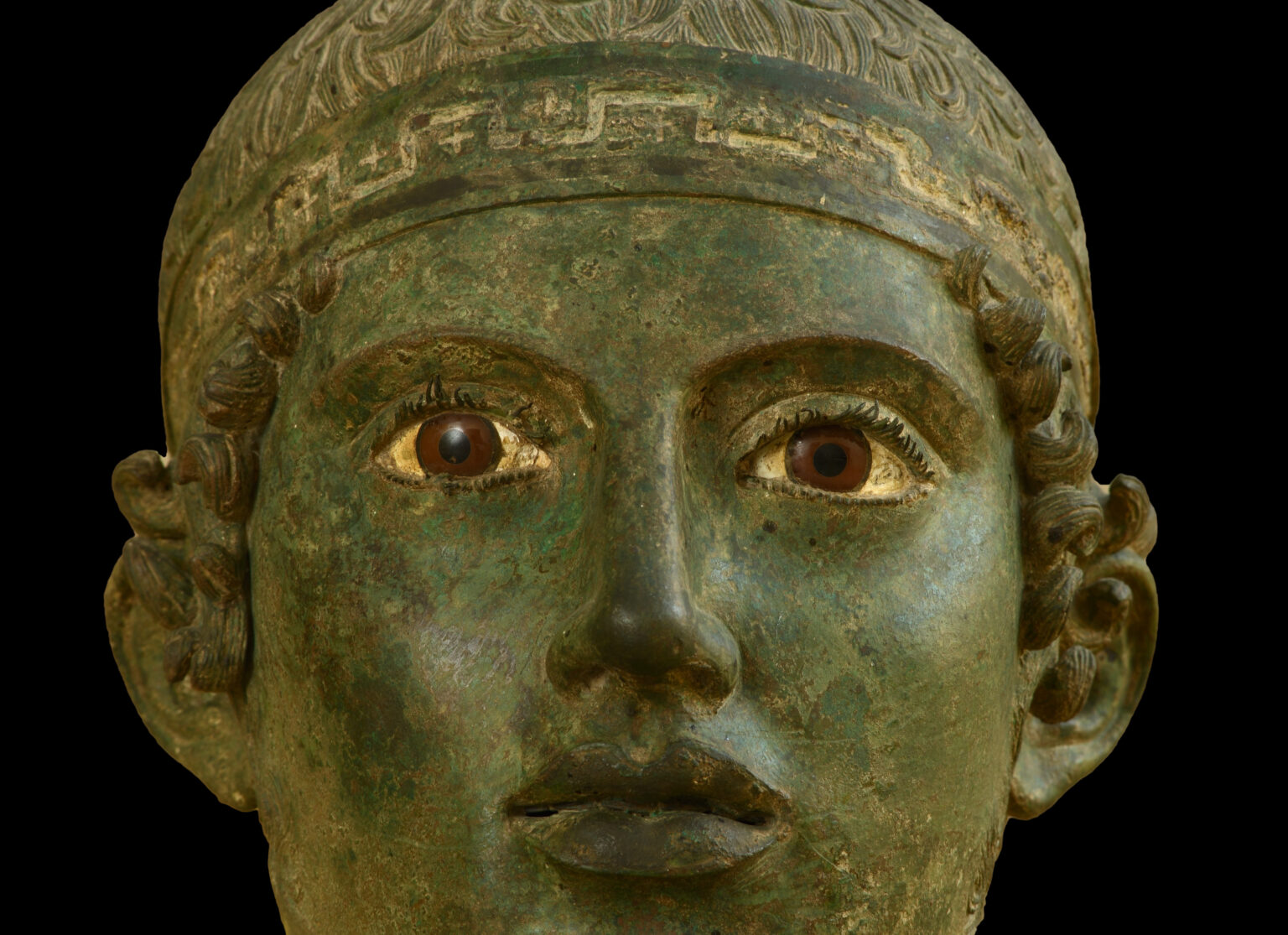
The timeless symbol of the Museum is none other than the Charioteer of Delphi, a bronze statue of a young man dating from the 5th century B.C. It was once part of a larger composition that included a chariot drawn by four horses, whose reins were held by two young attendants – the work of a great artist. Now only a single charioteer remains. The statue was erected at Delphi as a commemoration of the victory of Polyzalus, tyrant of Sicily, in the Pythian Games.
Directions
National Road Livadeia – Amfissa
33054, Delphi
10 minutes from the settlement of Delphi
By the Phocis KTEL bus from Athens or Patras
4 minutes from the settlement of Delphi
2 hours from Patras
3 hours from Athens
Opening hours
April 1 – October 31
Mon: 08:00–20:00
Tue: 10:00–17:00
Wed: 08:00–20:00
Thu: 08:00–20:00
Fri: 08:00–20:00
Sat: 08:00–20:00
Sun: 08:00–20:00
November 1 – March 31
Daily: 08:30–15:30
The site remains closed on the following dates and public holidays: January 1, March 25, May 1, Easter Sunday, December 25 & 26.
Tickets
Full: €20.00
Reduced: €10.00
Includes access to: the Archaeological Site of Delphi and the Archaeological Museum of Delphi
Amenities
Contact
Archaeological Museum of Delphi
T: +30 22650 82312
Ephorate of Antiquities of Phocis
T: +30 22650 82313, +30 22650 82346
E: efafok@culture.gr