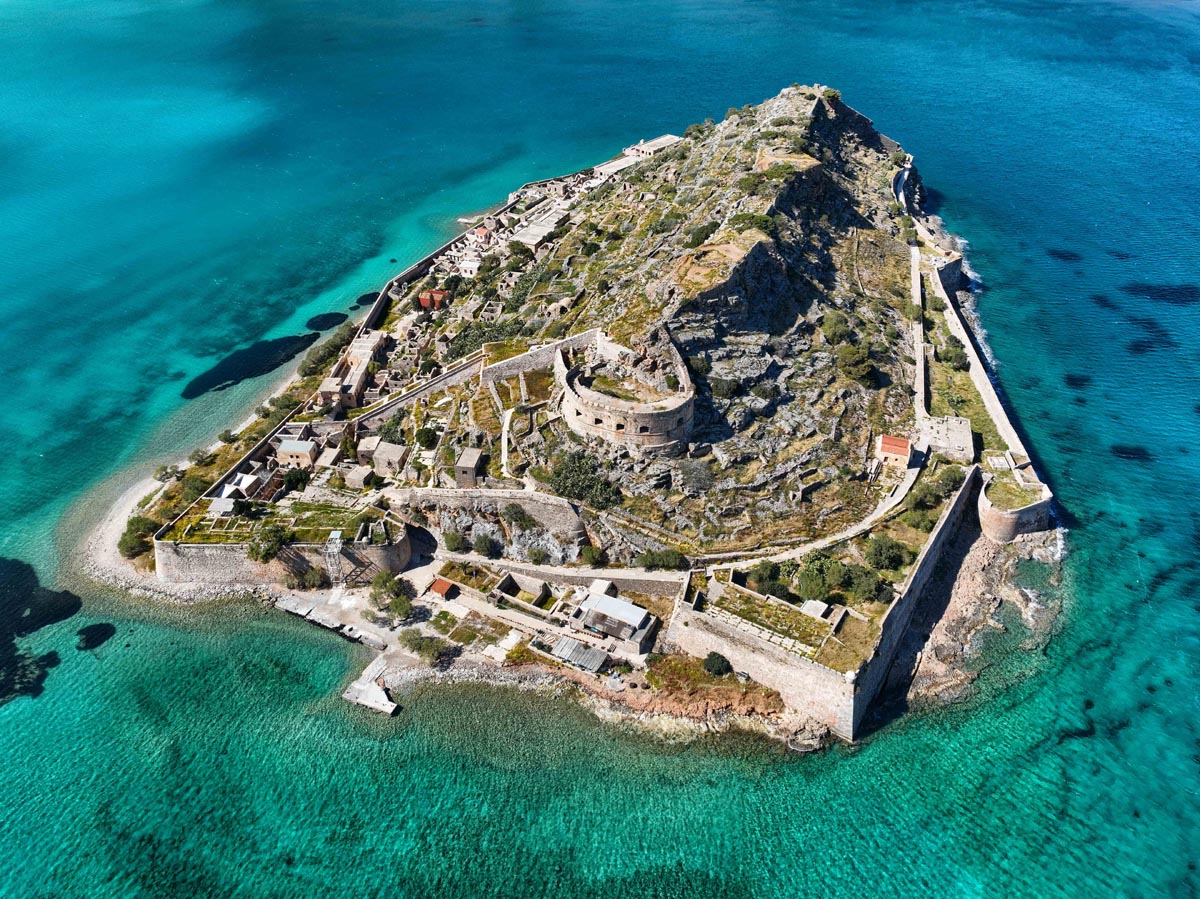


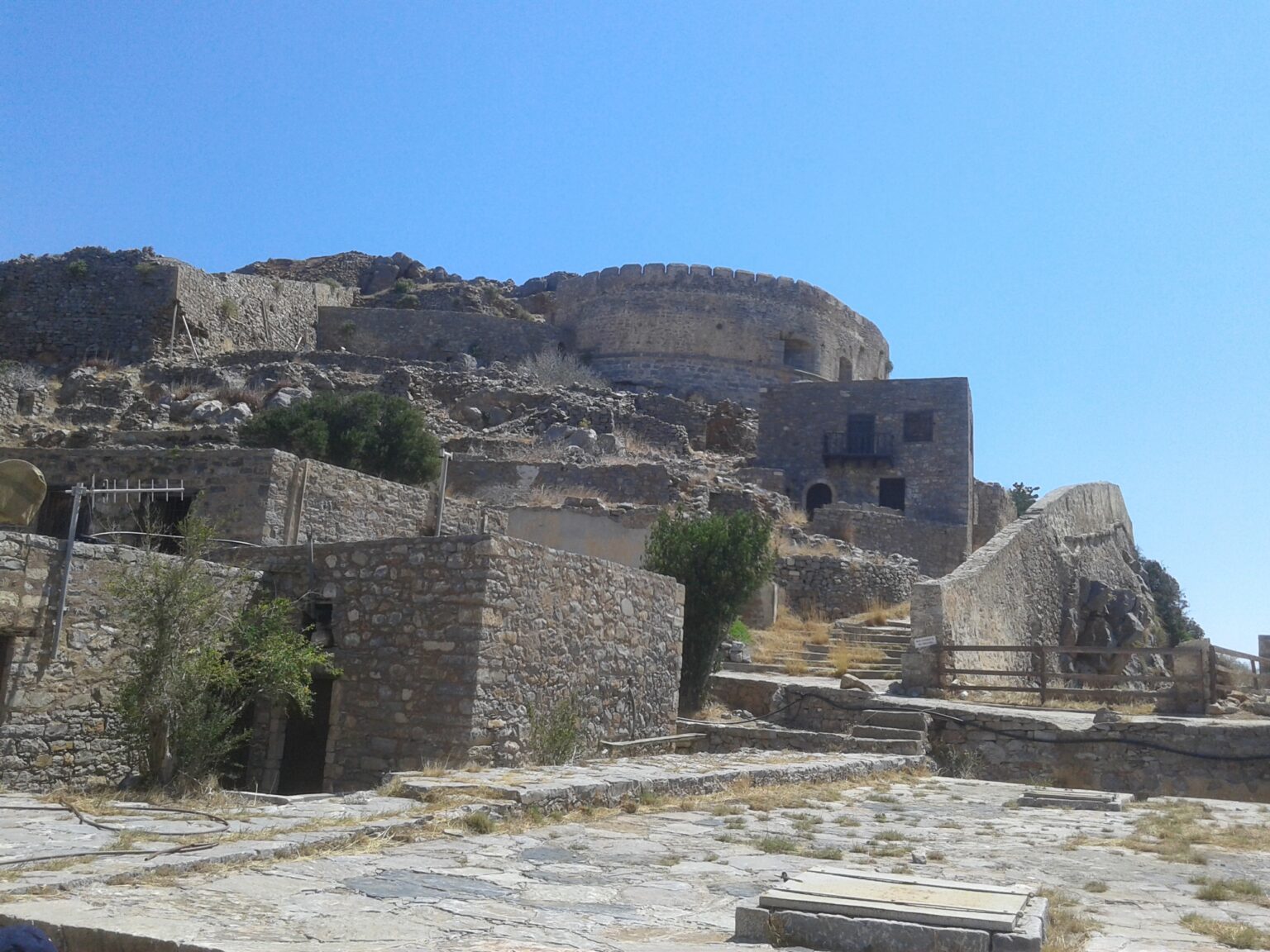
A deserted islet, no more than 85 stremmata in size, yet extremely rich in history, Spinalonga has been a key destination for a variety of reasons over the centuries. Today, it has unexpectedly become the second most visited site in the island of Crete, after Knossos.
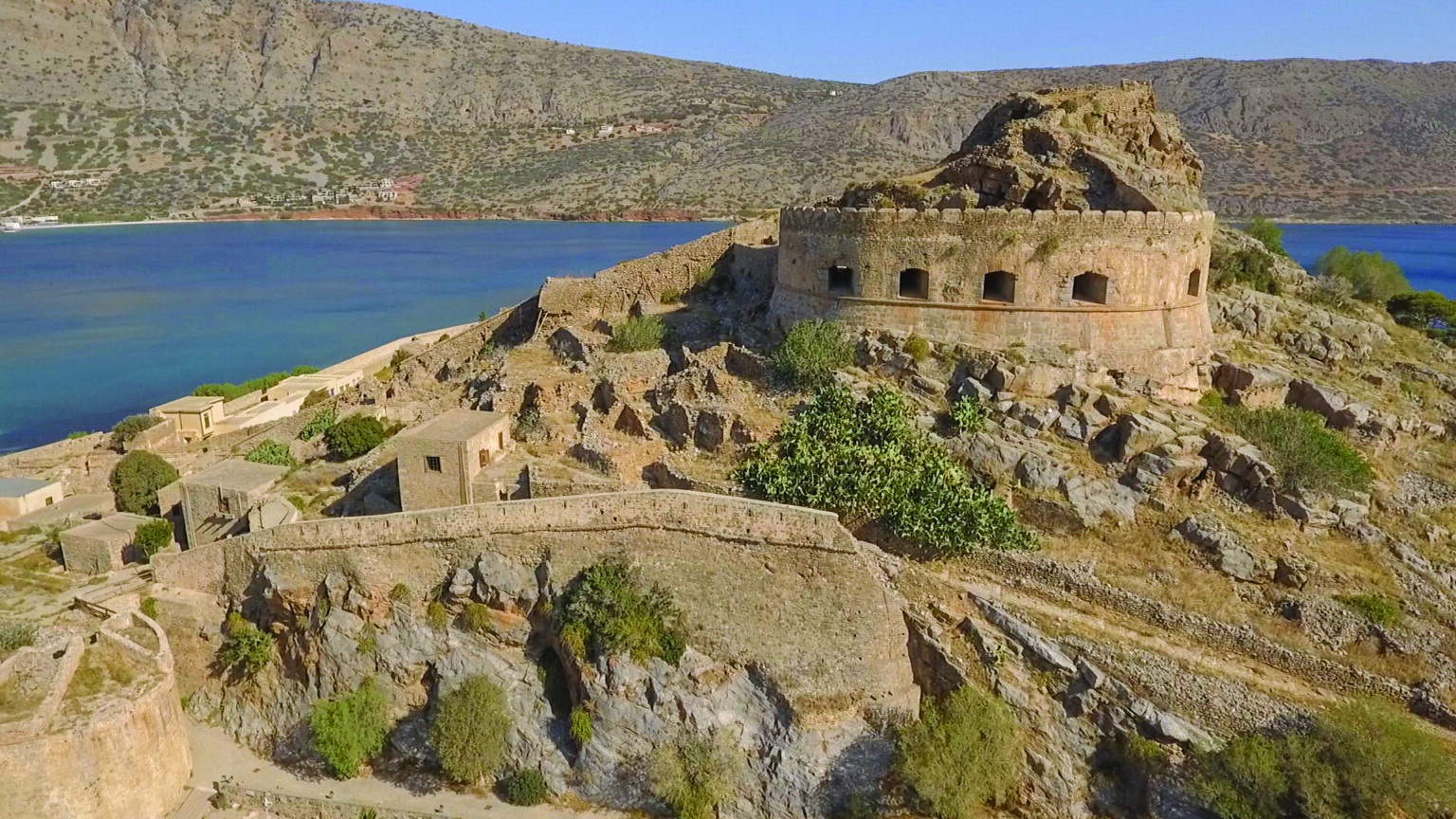
Bearing the ancient name Kalydon, the island flourished during the Venetian rule, when it was named Spinalonga, after the Latin phrase “spina lunga”, which translated to long thorn. Between 1579 and 1586, the Venetians built one of their most prominent Cretan castles over the ruins of the Hellenistic castle, in order to protect the port of Elounda, a centre of maritime trade, and in order to safeguard the salt-pans that supplied Europe.
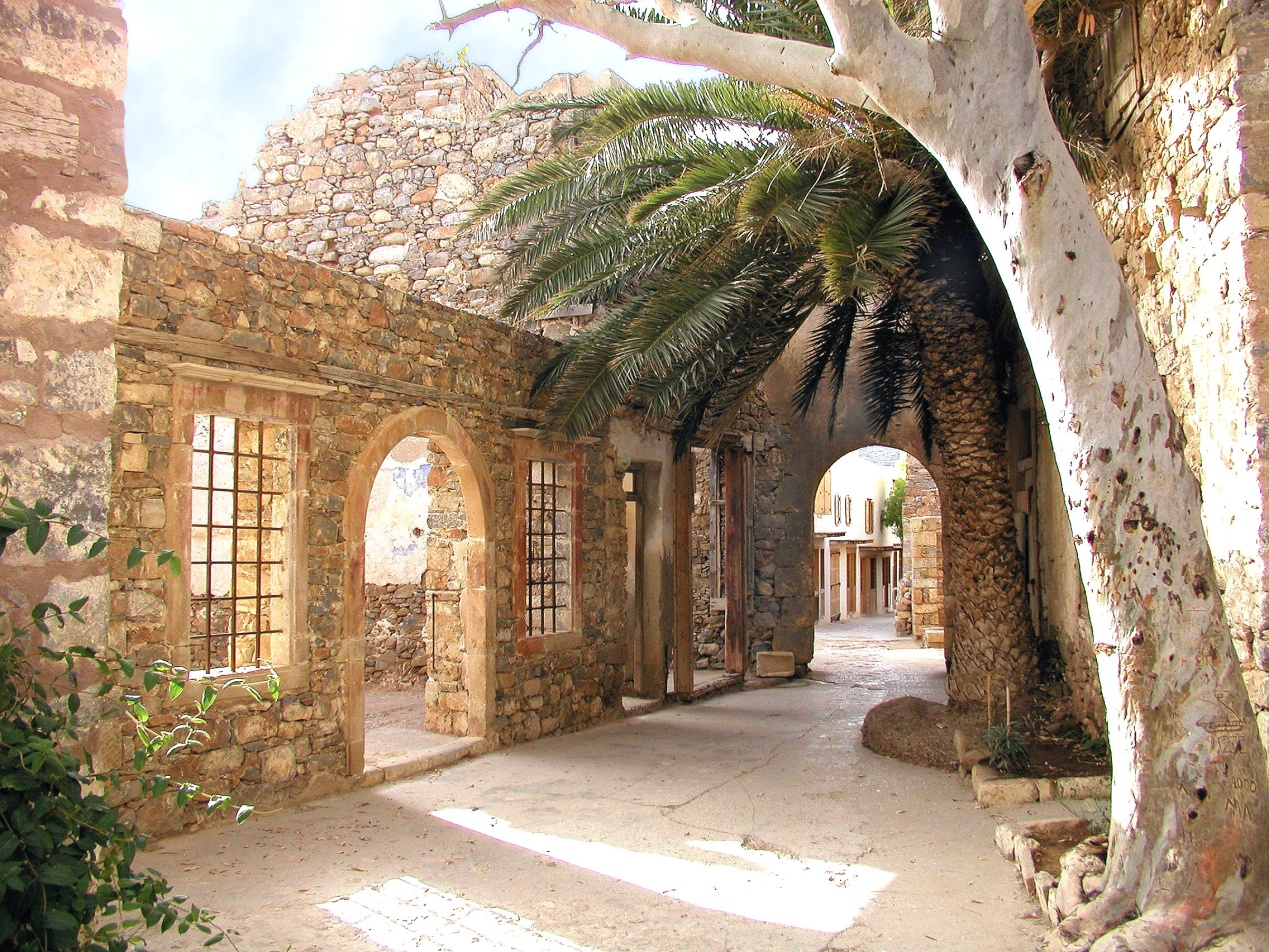
Strong fortification allowed Spinalonga to remain under Venetian rule for 65 years after the Turks had occupied the rest of Crete (1649); this was until 1715, when the Turks finally managed to breach its impenetrable walls and turn it into an Ottoman settlement. The Turks gradually revived the island’s commercial role, thus initiating a prosperous period that was abruptly interrupted by the Cretan Revolution of 1896, which led most of its inhabitants to abandon Spinalonga.
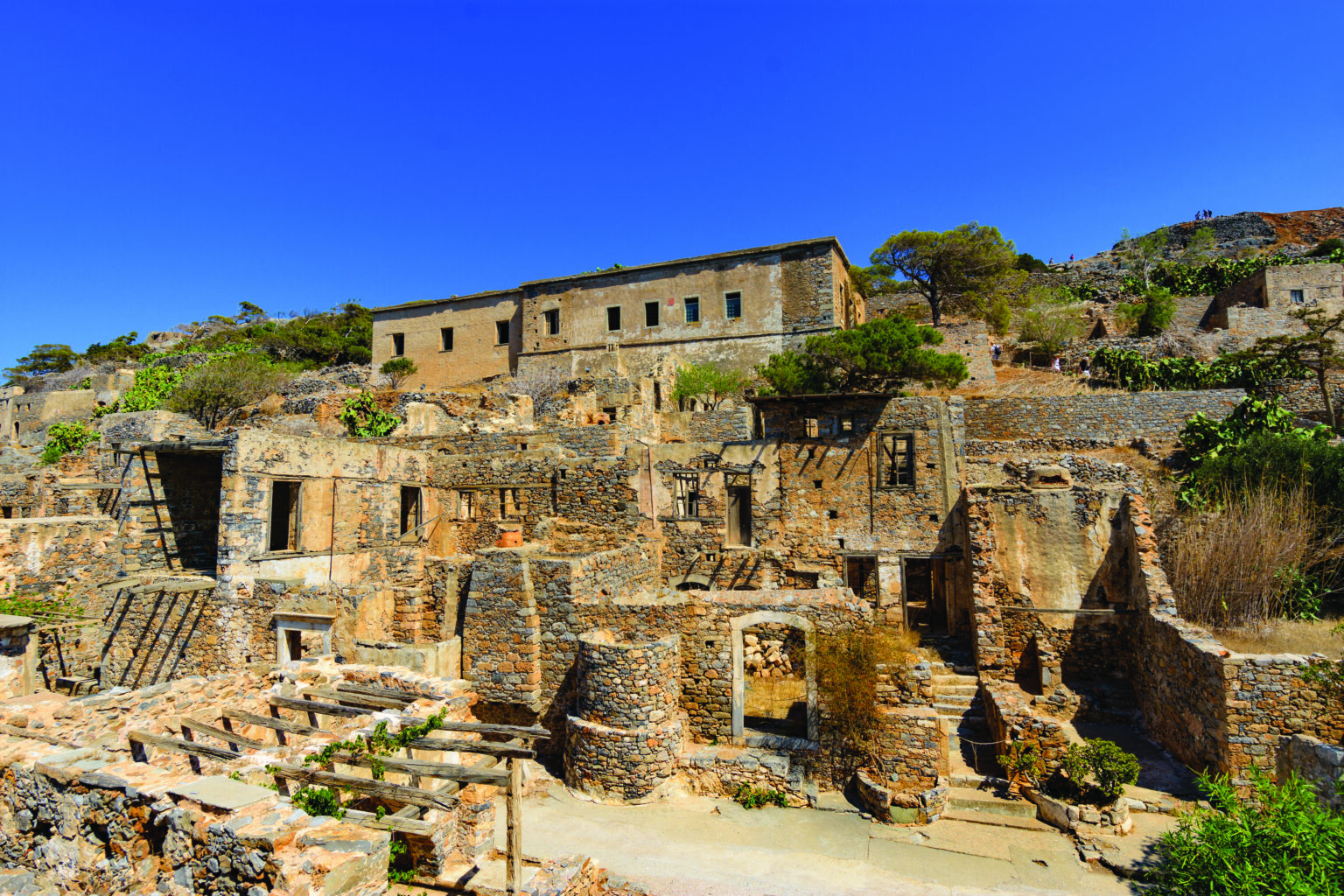
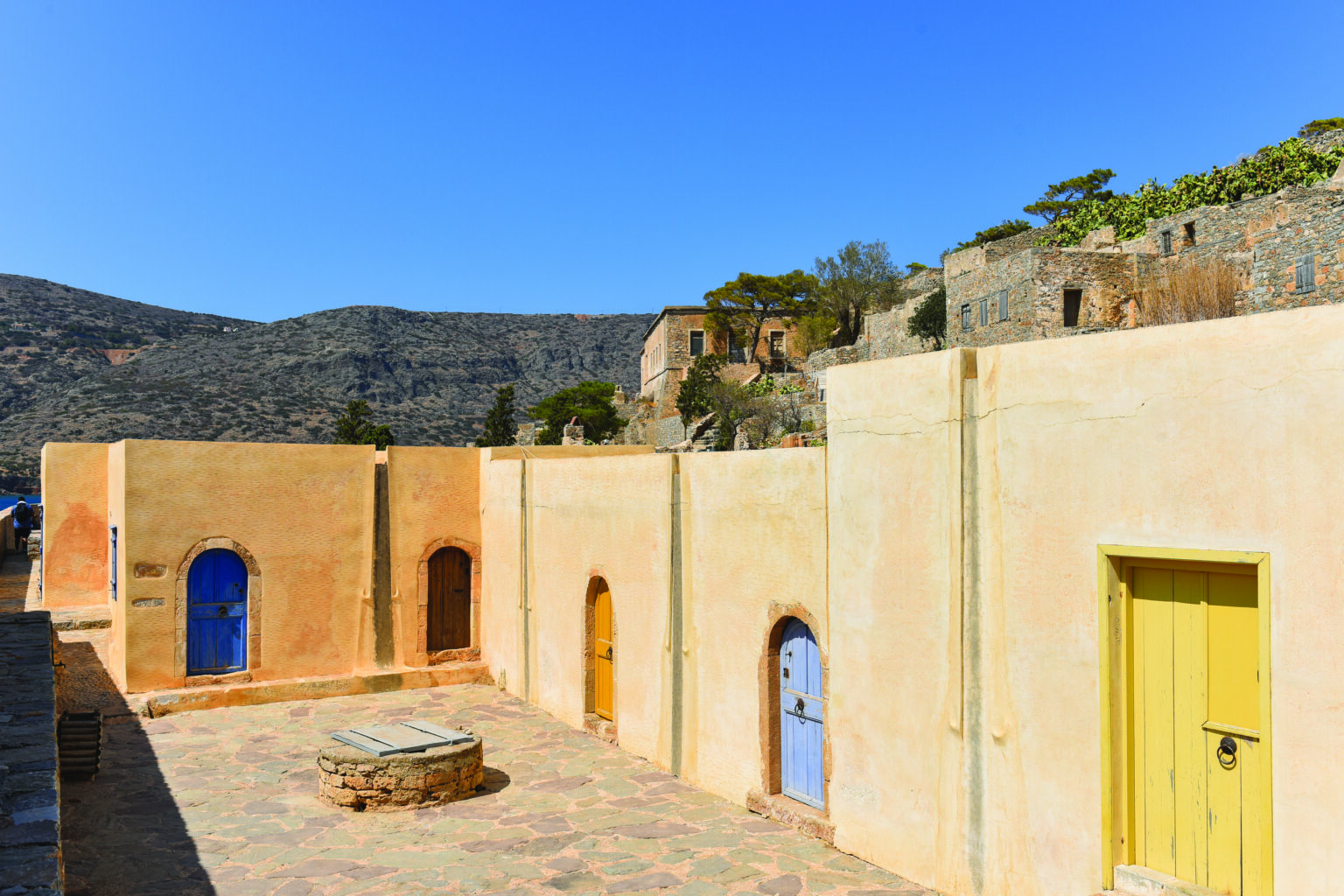
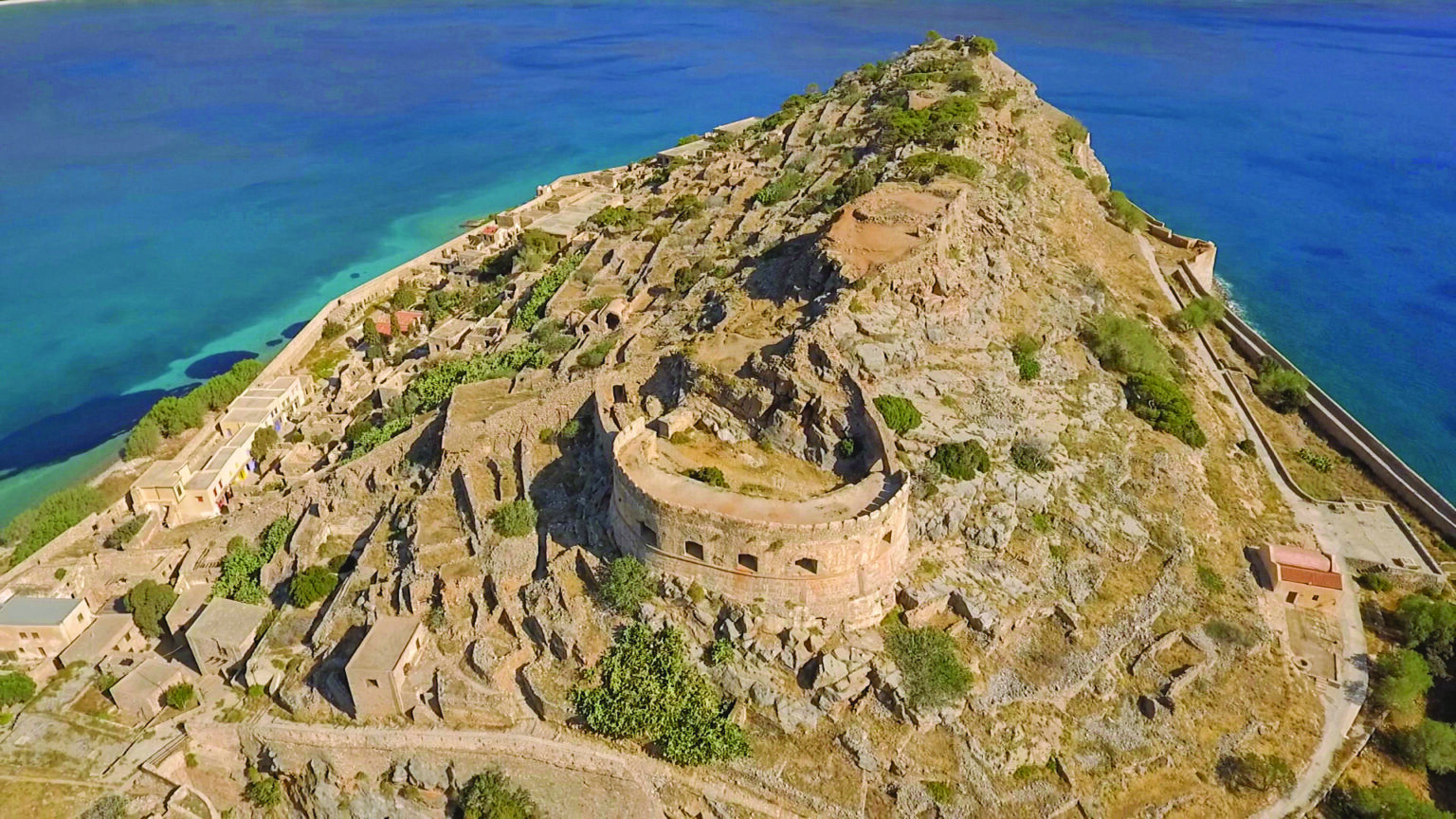
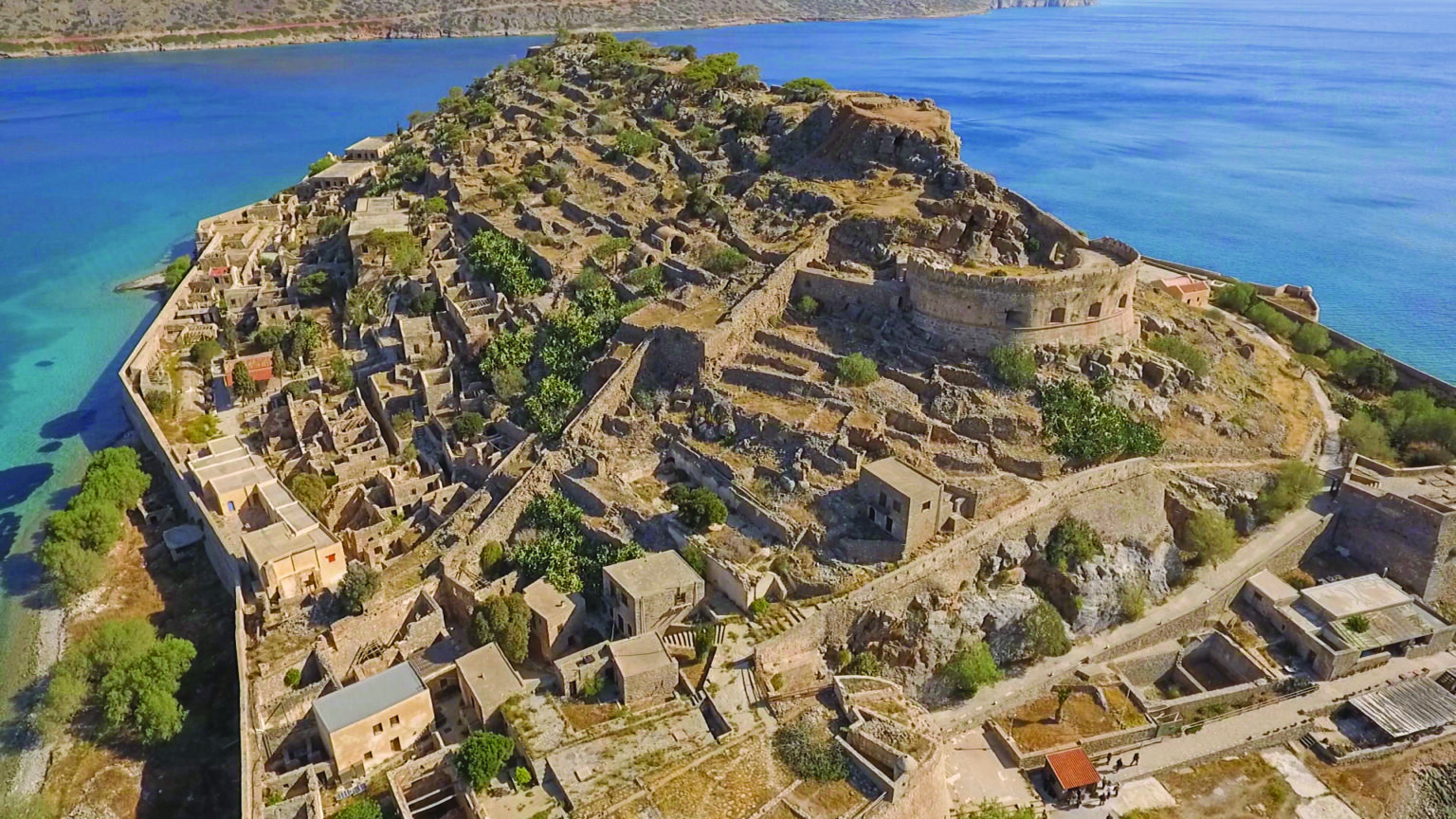
Despite its turbulent century-long history, Spinalonga owes most of its current reputation to its notorious early 20th century phase: in 1903, the Cretan State instituted the conversion of the island into a public leprosarium, gathering all Cretans suffering from the then untreatable Hansen’s disease and, subsequently, lepers from all over Greece, who lived pretty much in exile.
Living standards in this completely isolated “leper town” were vividly described in the popular novel The Island by British author Victoria Hislop (and its popular TV adaptation), which breathed new life into Spinalonga and its recently restored settlement.
Directions
72053, Plaka, Agios Nikolaos
By bus
30 minutes from the city of Agios Nikolaos to Plaka and then 5 minutes by boat from Plaka to Spinalonga
25 minutes from the city of Agios Nikolaos to Elounda and then 10 minutes by boat from Elounda to Spinalonga
[Alternatively: 35 minutes by boat directly from the city of Agios Nikolaos]
By car
20 minutes from the city of Agios Nikolaos to Plaka and then 5 minutes by boat from Plaka to Spinalonga
15 minutes from the city of Agios Nikolaos to Elounda and then 10 minutes by boat from Elounda to Spinalonga
[Alternatively: 35 minutes by boat directly from the city of Agios Nikolaos]
Opening hours
Summer hours
April 1 – August 31
Daily: 08:00 – 20:00
September 1 – 15
Daily: 08:00 – 19:30
September 16 – 30
Daily: 08:00 – 19:00
October 1 – 15
Daily: 08:00 – 18:30
October 16 – 31
Daily: 08:00 – 18:00
Winter hours
November 1 – March 31
Mon: 08:30 – 15:30
Tue: Closed
Wed: 08:30 – 15:30
Thu: 08:30 – 15:30
Fri: 08:30 – 15:30
Sat: 08:30 – 15:30
Sun: 08:30 – 15:30
Last admission: 20 minutes before closing time
The site remains closed on the following dates and public holidays: January 1, March 25, May 1, Easter Sunday, December 25 & 26.
The site remains closed on the following dates and public holidays: January 1, March 25, May 1, Easter Sunday, December 25 & 26.
Tickets
Full: €20.00
Reduced: €10.00
Admission is free on March 6, April 18, May 18, the last weekend of September, on October 28, as well as on the first and third Sunday of each month between November 1 and March 31.
Amenities
Café / Restaurant
Shop
WC
Contact
Ephorate of Antiquities of Lasithi
Τ: +30 28410 22462
E: efalas@culture.gr