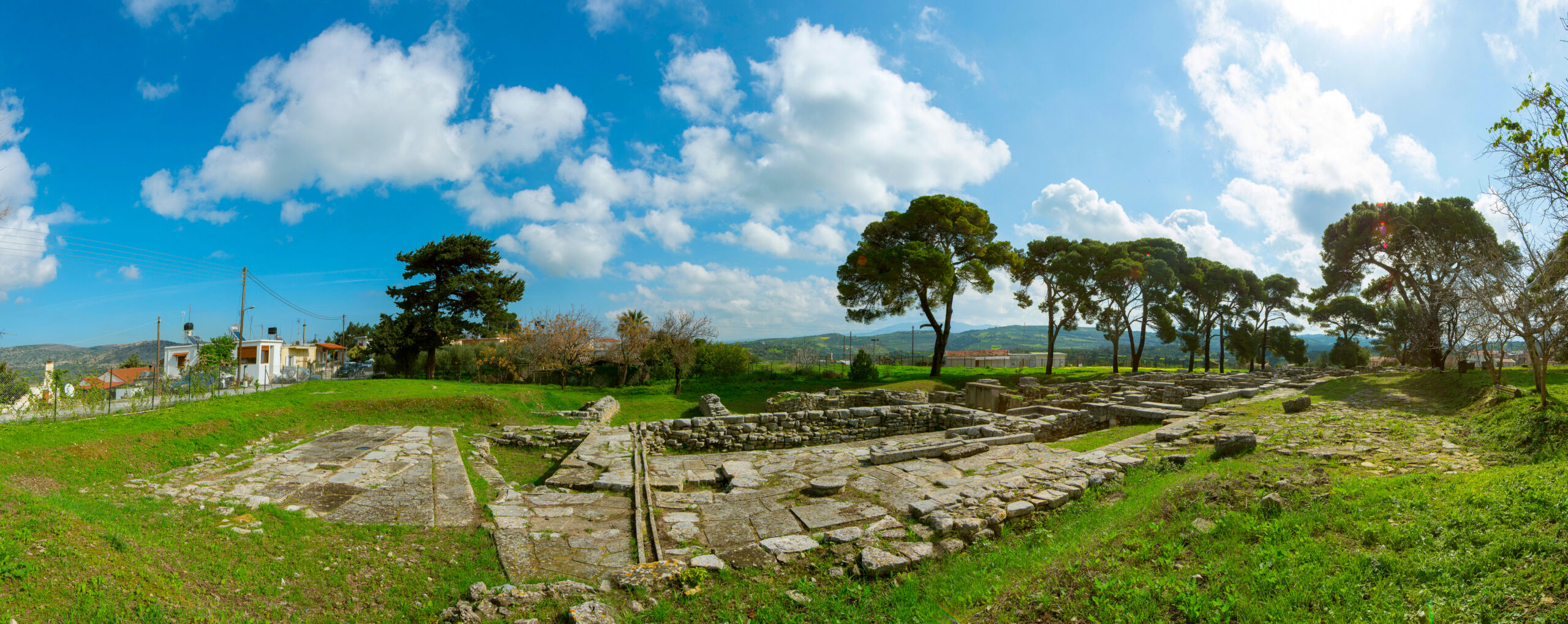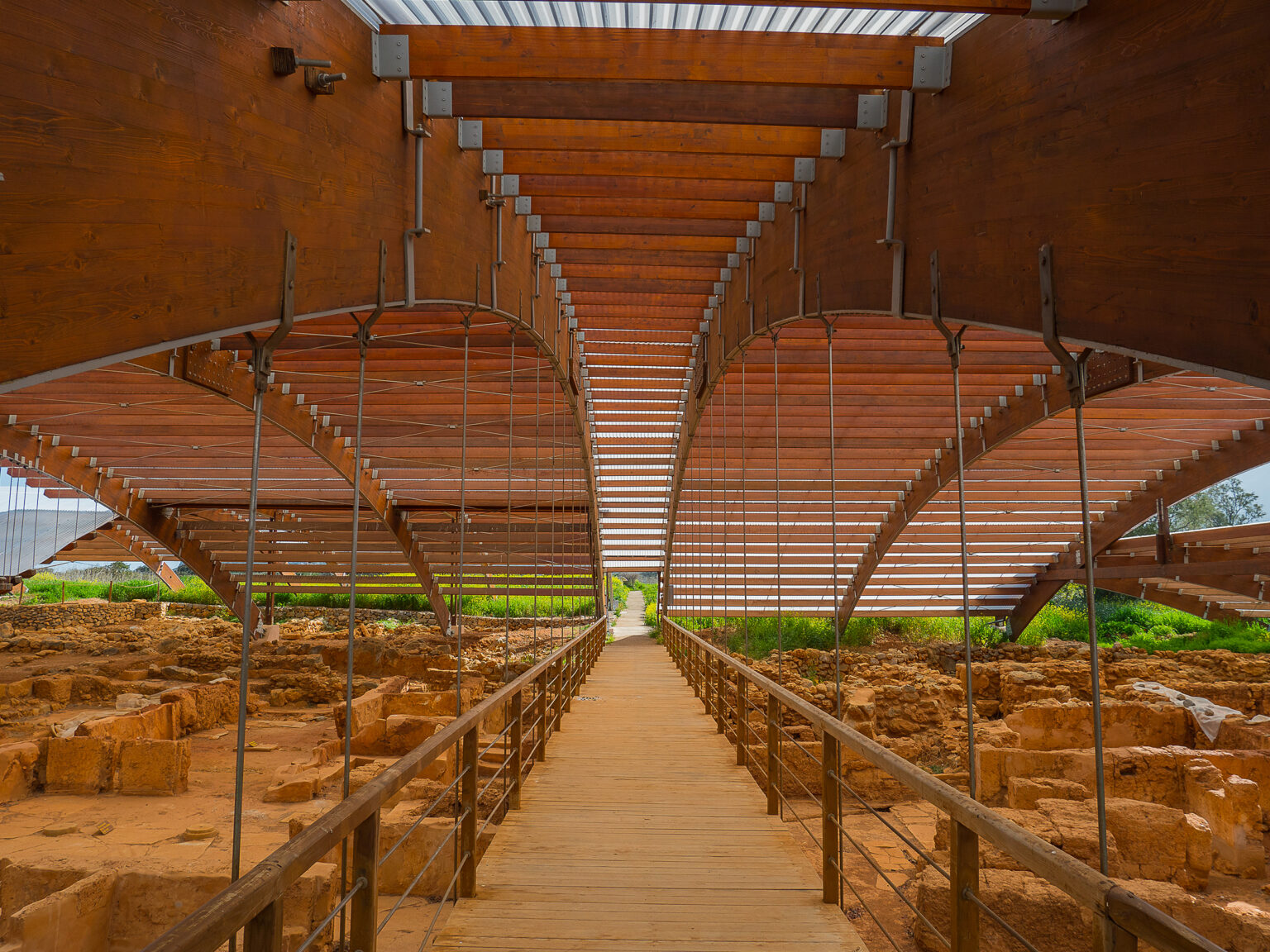
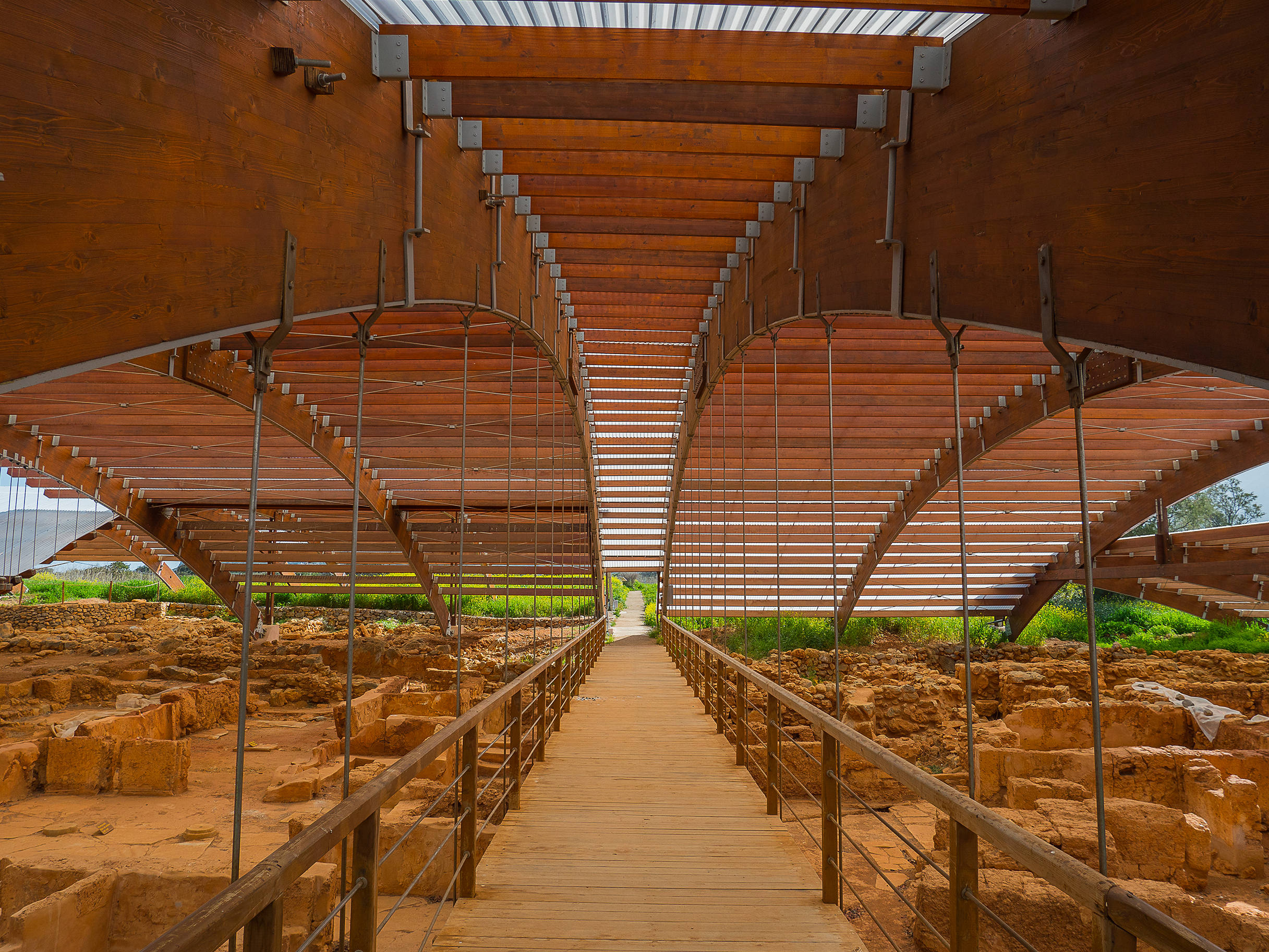


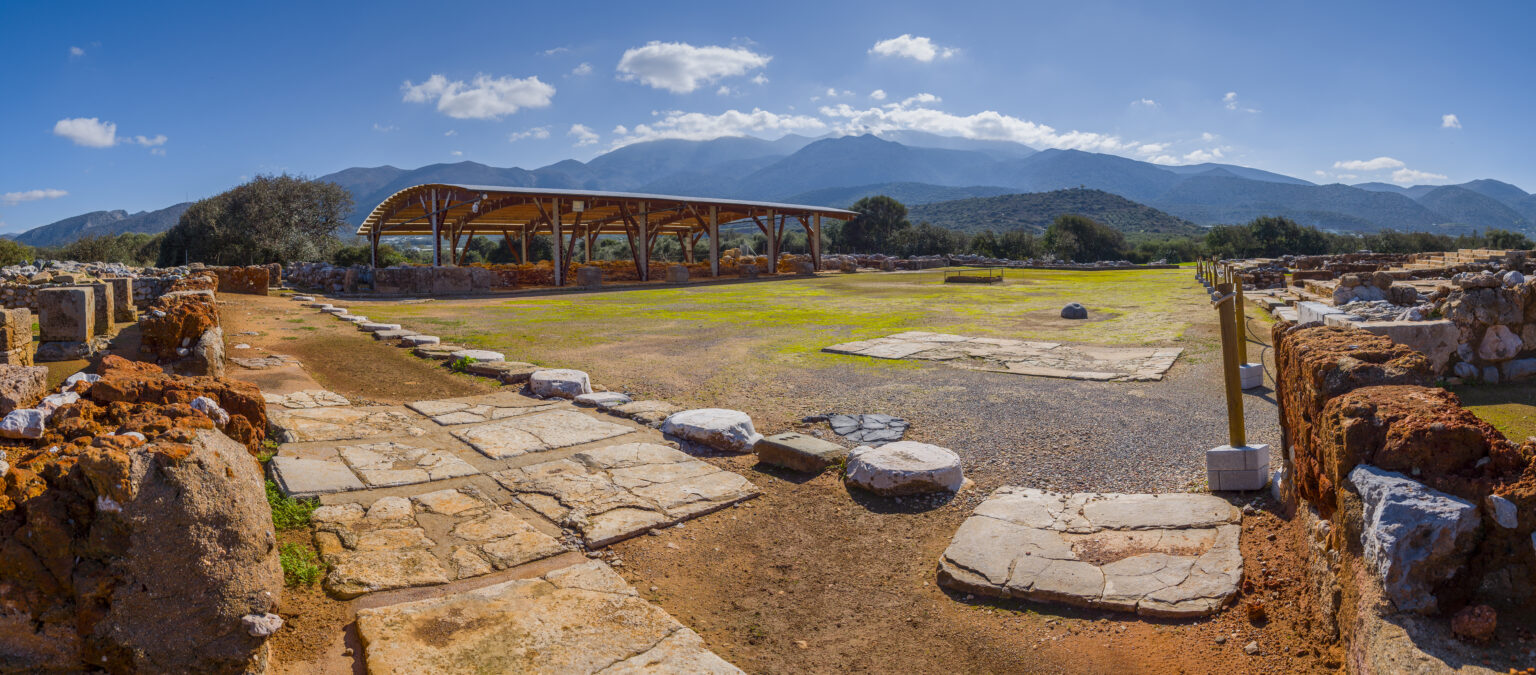
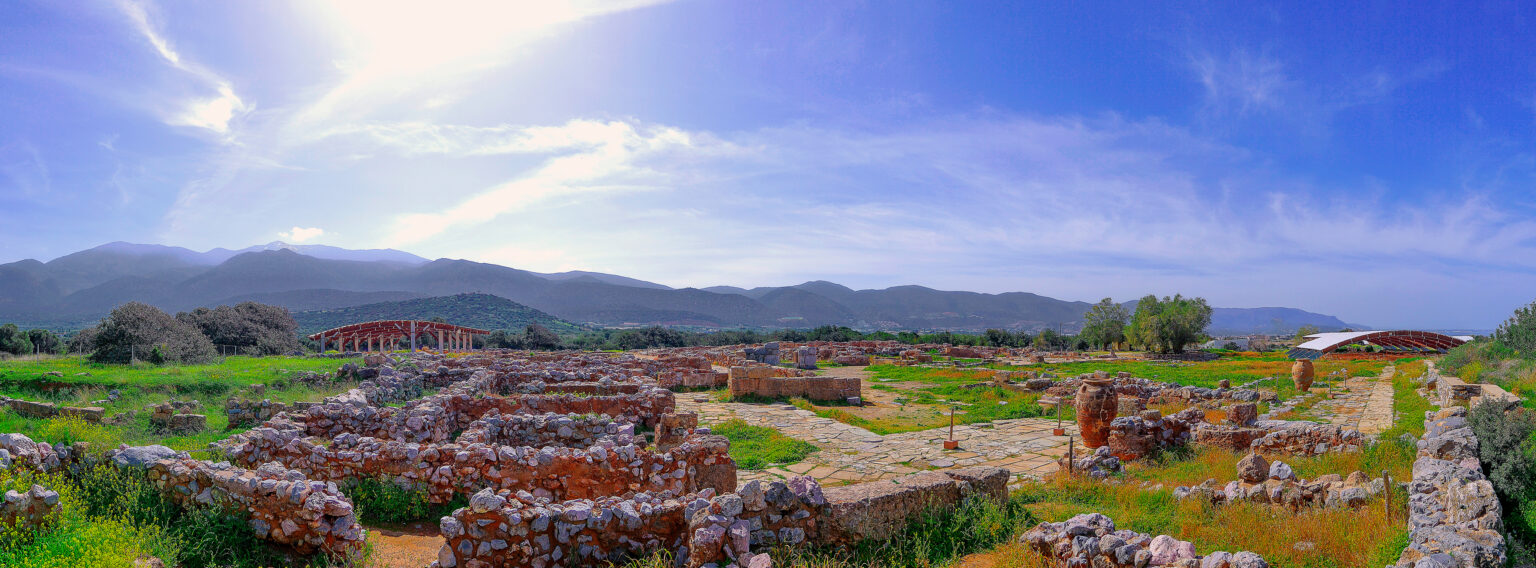
While the town’s ancient name may still remain unknown, it was here, in Malia, that the third largest Minoan palace in Crete, after those of Knossos and Phaistos, was found.
The discovery of gold sheet fragments in the area in 1880 led ambitious gold diggers on a feverish hunt, but the ancient town was only discovered in 1915, thanks to the systematic excavations of the archaeologist Iosif Chatzidakis.
It is said that king Sarpedon lived here, before he was ousted by his brother Minos. The palace was originally built in 1900 BC, reinforcing the existing settlement, and, similarly to the other Minoan centres, was destroyed around 1450 BC. Its architectural remains, works of exceptional craftsmanship and monumental architecture, have recently been inscribed on the UNESCO World Heritage List because of their outstanding significance for Minoan civilization.
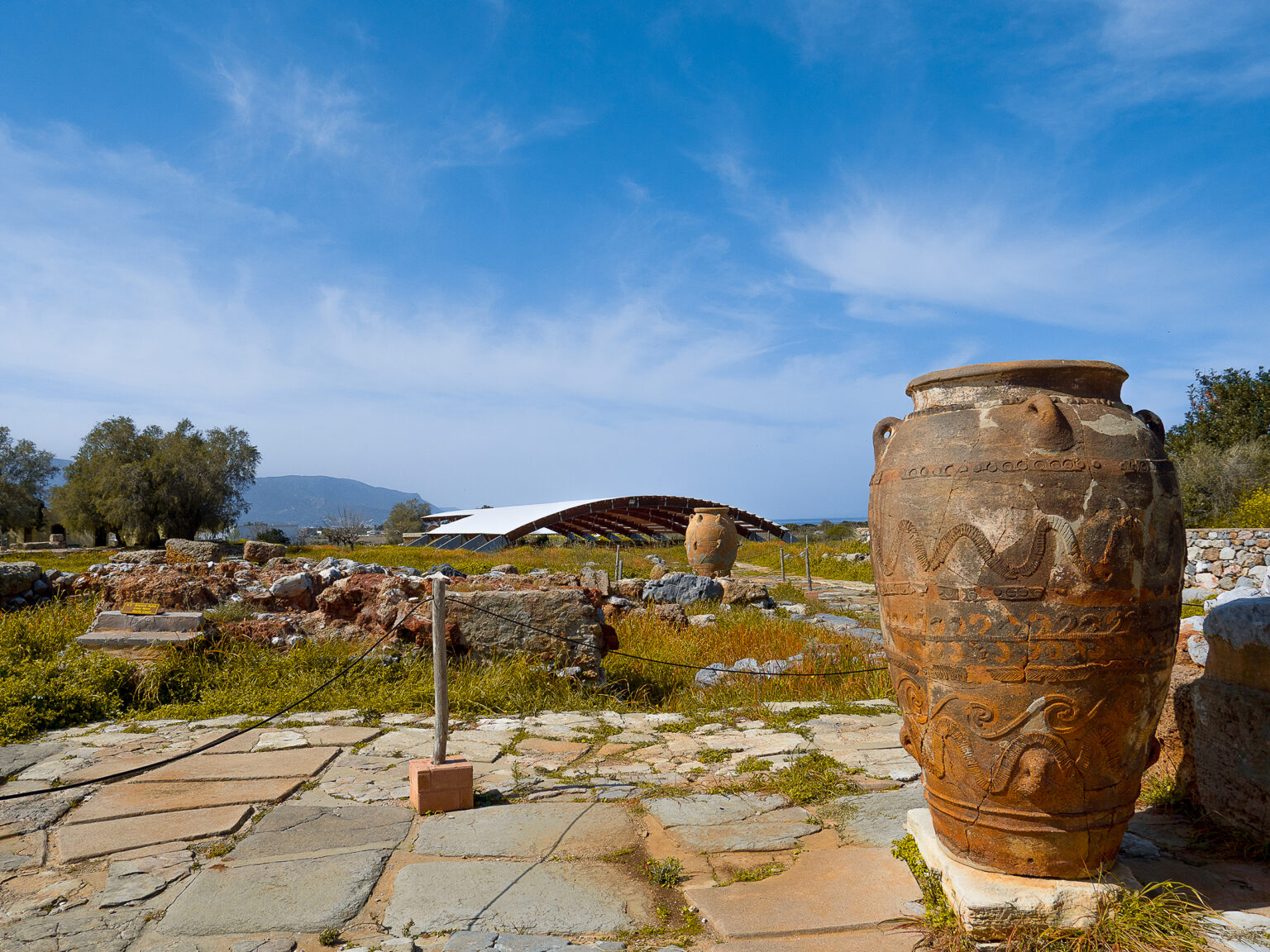
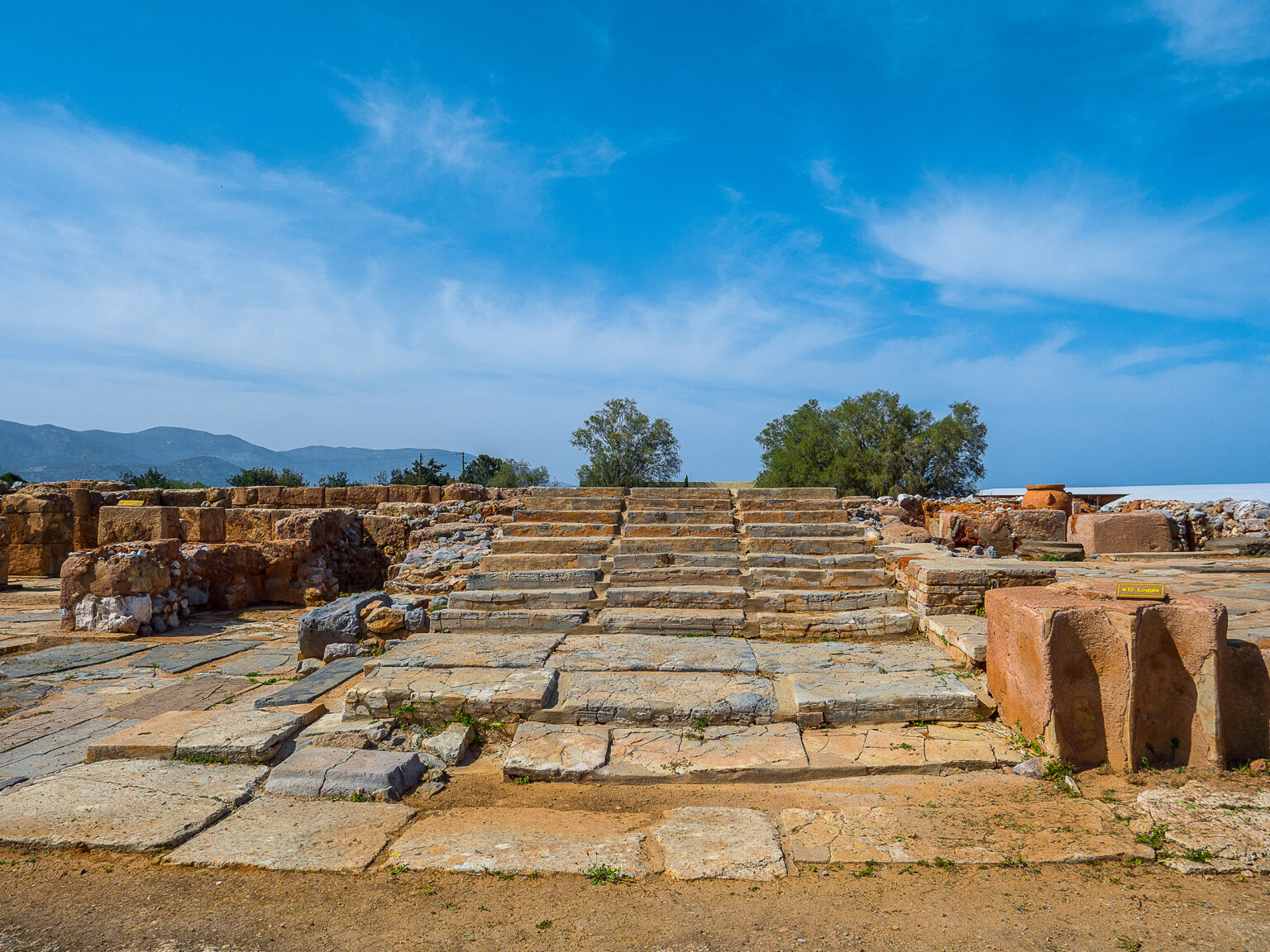
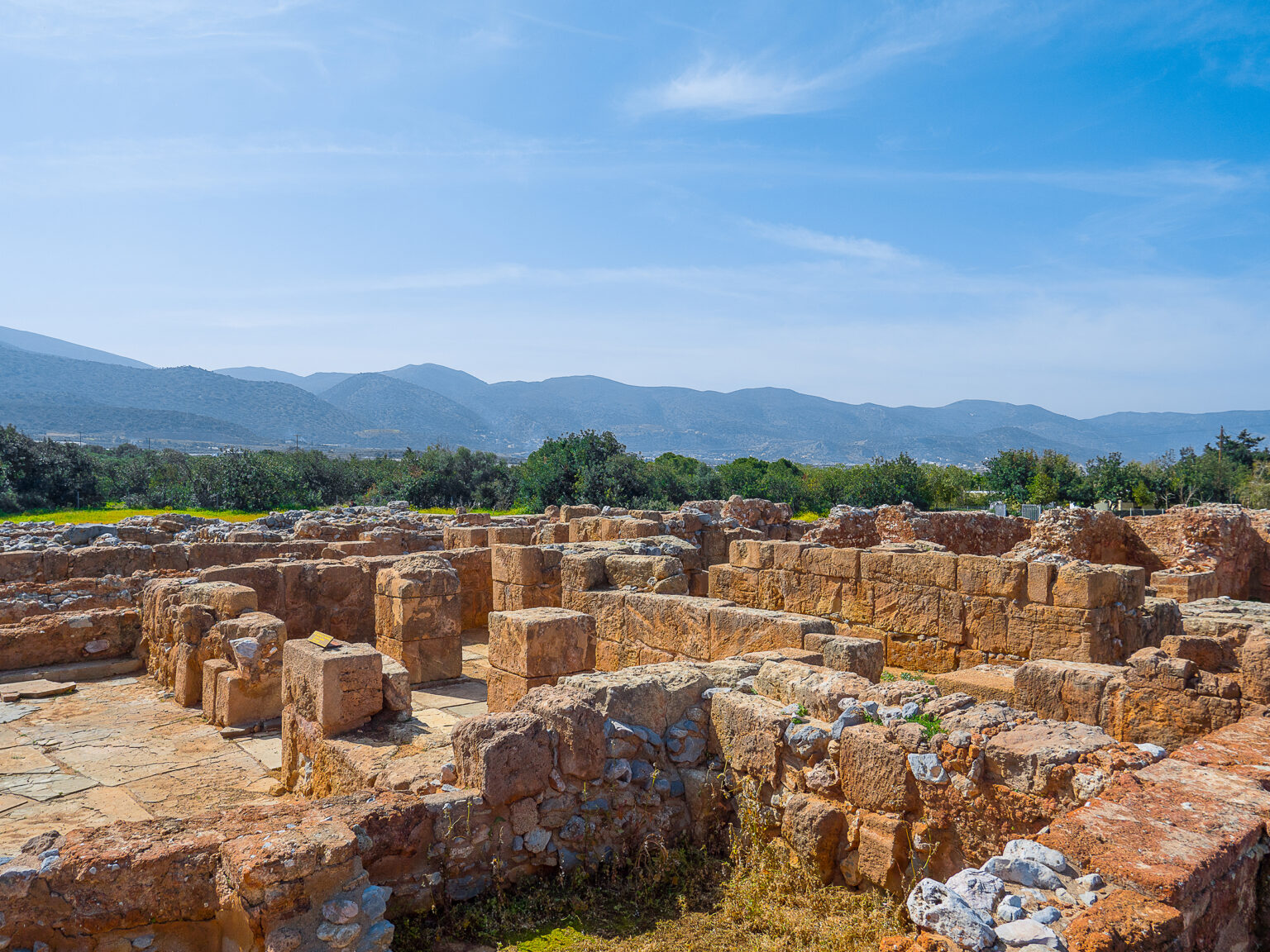
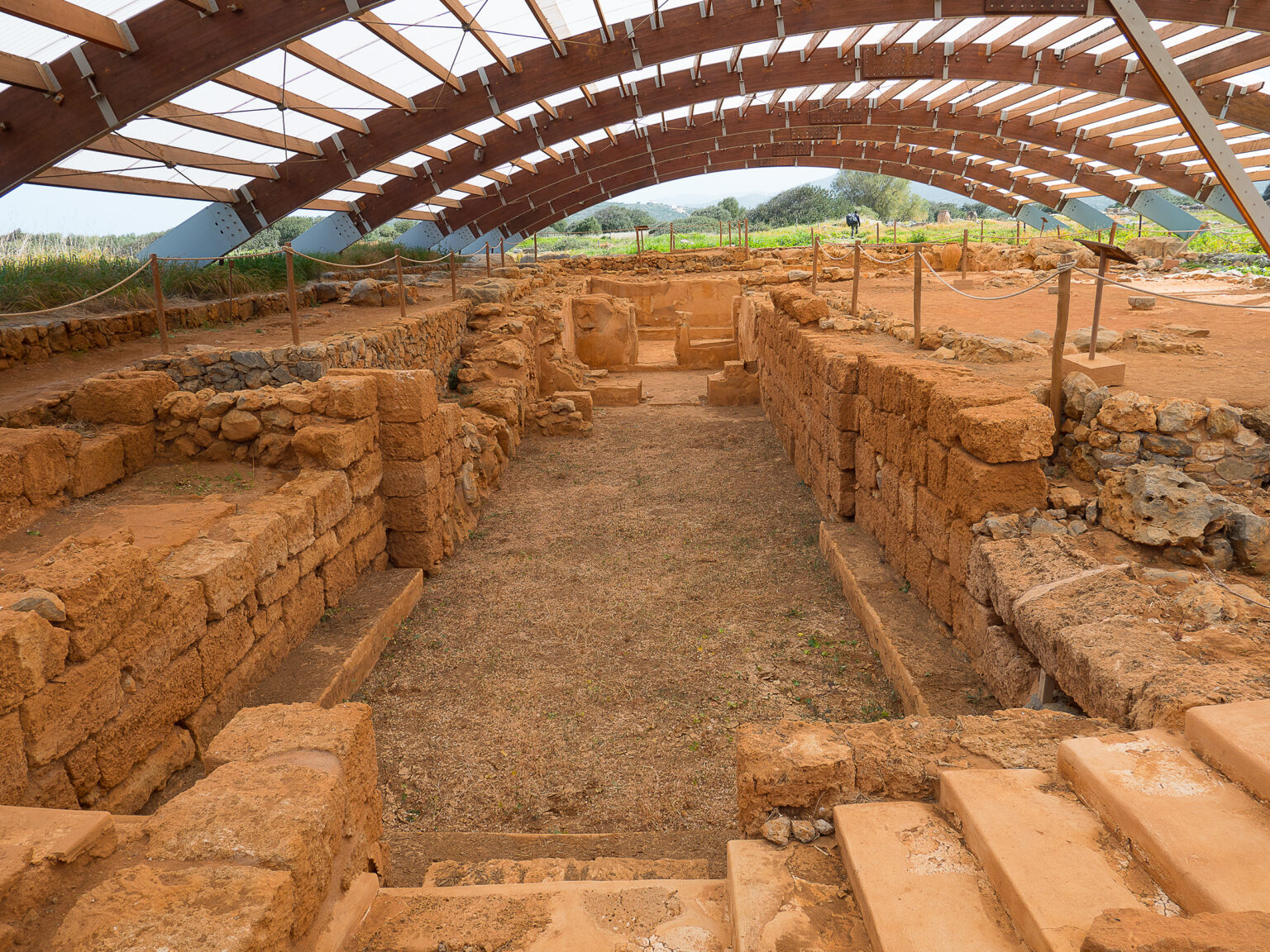
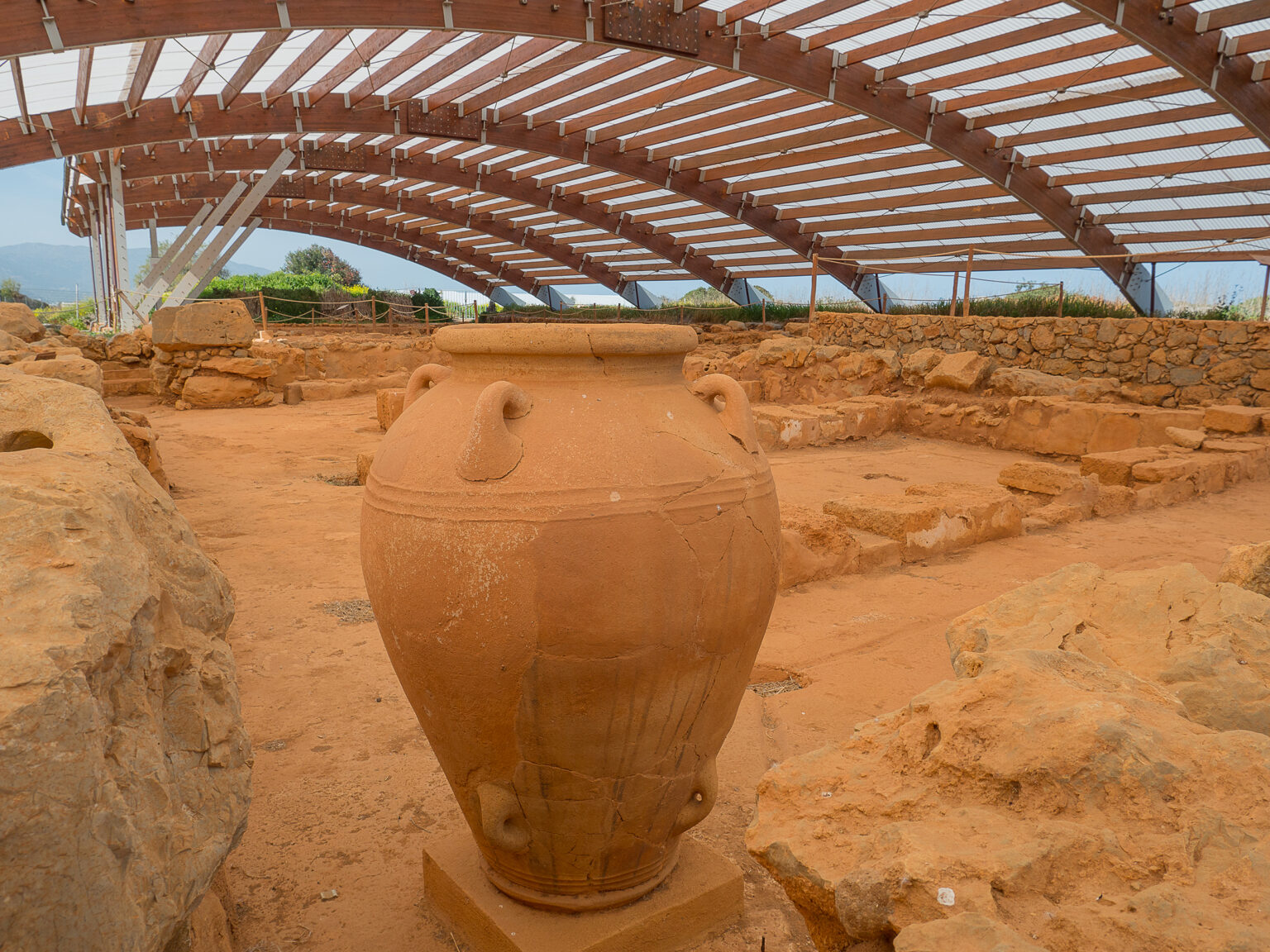
Today, the archaeological site offers a much appreciated respite from the tourist bustle of modern Malia. Surrounding the ruins of the palace, with its numerous sacred and storage areas, courtyards and grand staircases, are also sections of the settlement built around it, as well as the necropolis, where one of the greatest masterpieces of Minoan goldworking was discovered: the famous golden pendant with the bees, currently on display at the Heraklion Archaeological Museum.
Directions
70007, Malia
By bus
By intercity bus, 1 hour and 5 minutes from the city of Heraklion
By car
37 minutes from the city of Heraklion
Opening hours
Summer hours
April 1 – October 31
Mon: 08:00 – 18:00
Tue: Closed
Wed: 08:00 – 18:00
Thu: 08:00 – 18:00
Fri: 08:00 – 18:00
Sat: 08:00 – 18:00
Sun: 08:00 – 18:00
Winter hours
November 1 – March 31
Mon: 08:30 – 15:30
Tue: Closed
Wed: 08:30 – 15:30
Thu: 08:30 – 15:30
Fri: 08:30 – 15:30
Sat: 08:30 – 15:30
Sun: 08:30 – 15:30
Last admission: 20 minutes before closing time
The site remains closed on the following dates and public holidays: January 1, March 25, May 1, Easter Sunday, December 25 & 26.
The site remains closed on the following dates and public holidays: January 1, March 25, May 1, Easter Sunday, December 25 & 26.
Tickets
Full: €10.00
Reduced: €5.00
Admission is free on March 6, April 18, May 18, the last weekend of September, on October 28, as well as on the first and third Sunday of each month between November 1 and March 31.
Amenities
Café
WC
Parking
Contact
Archaeological Site of Malia
Τ: +30 28970 31597
E: maliapalace@gmail.com
Ephorate of Antiquities of Heraklion
Τ: +30 2810 279241, +30 2810 279200, +30 2810 279100
E: efahra@culture.gr