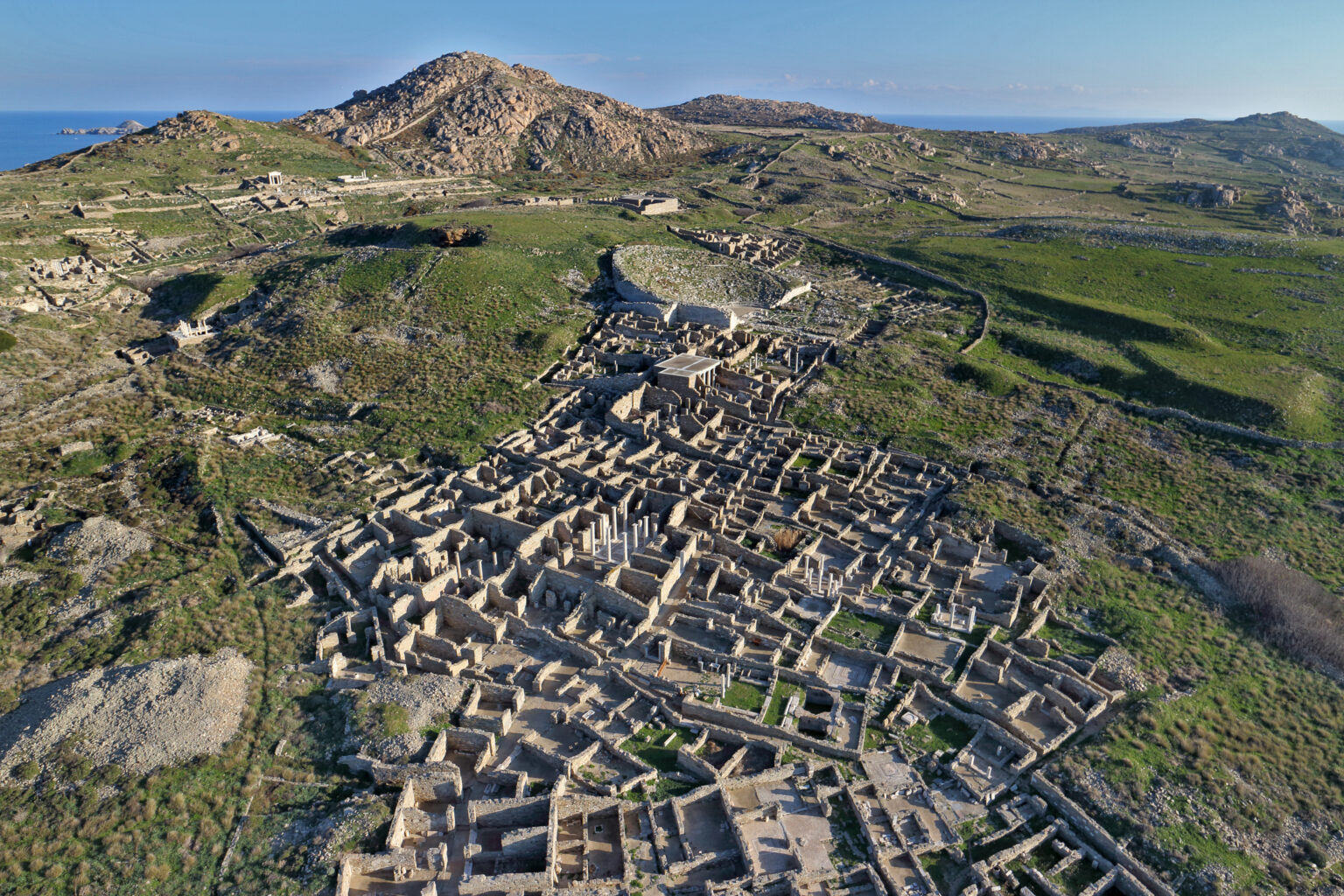
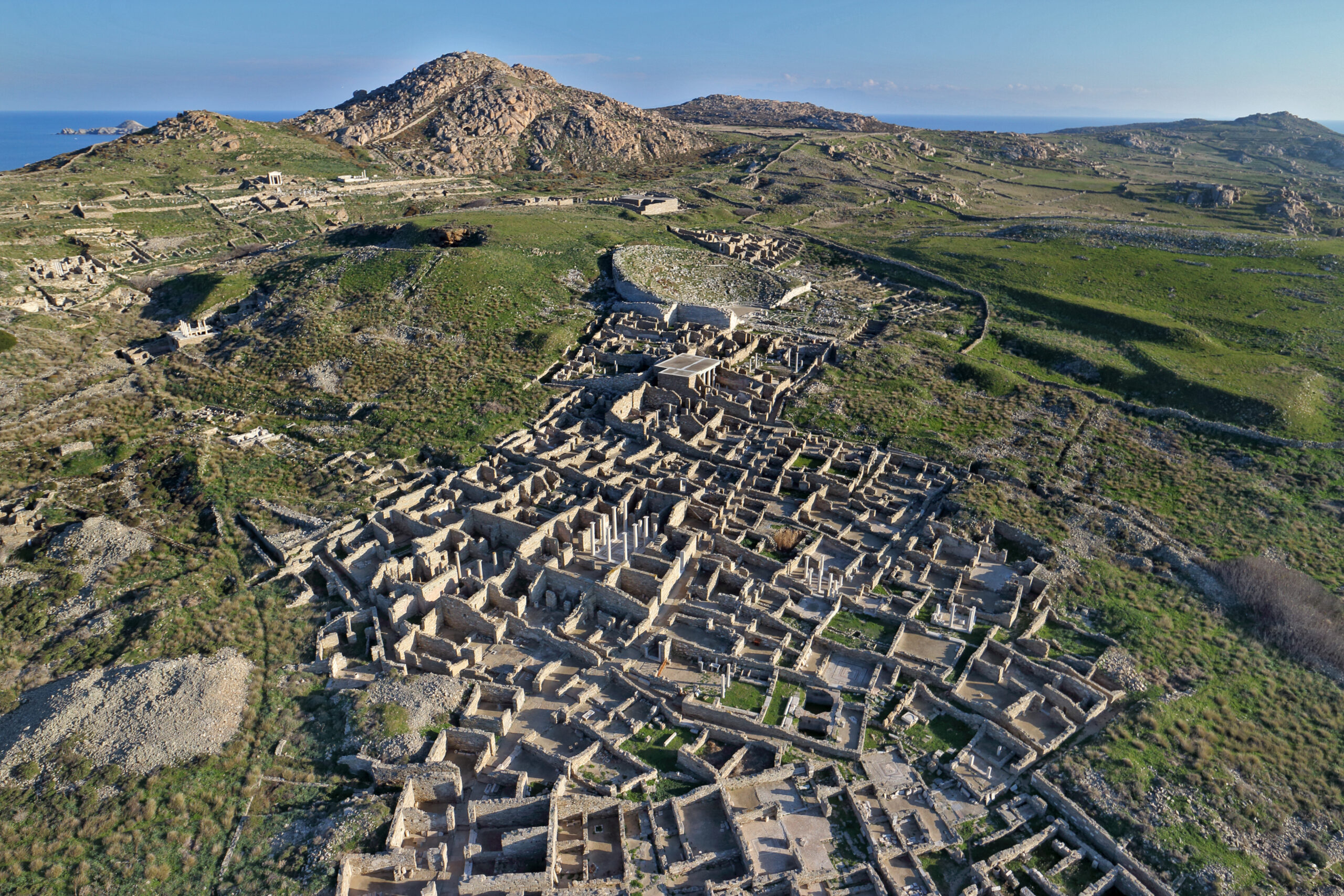


Delos is a major reason to visit the Cyclades, offering an escape from the modern cosmopolitanism of the neighboring Mykonos, as you take a step back in time to the magnificent multiculturalism of another era.
The fact that this tiny island – just 5km long and 1.3km wide, with a population of less than 25 people (mainly staff working in the archaeological sites) – was inhabited by about 30,000 people in 90 BC, is enough to give you an idea of the importance Delos held for the ancient world.
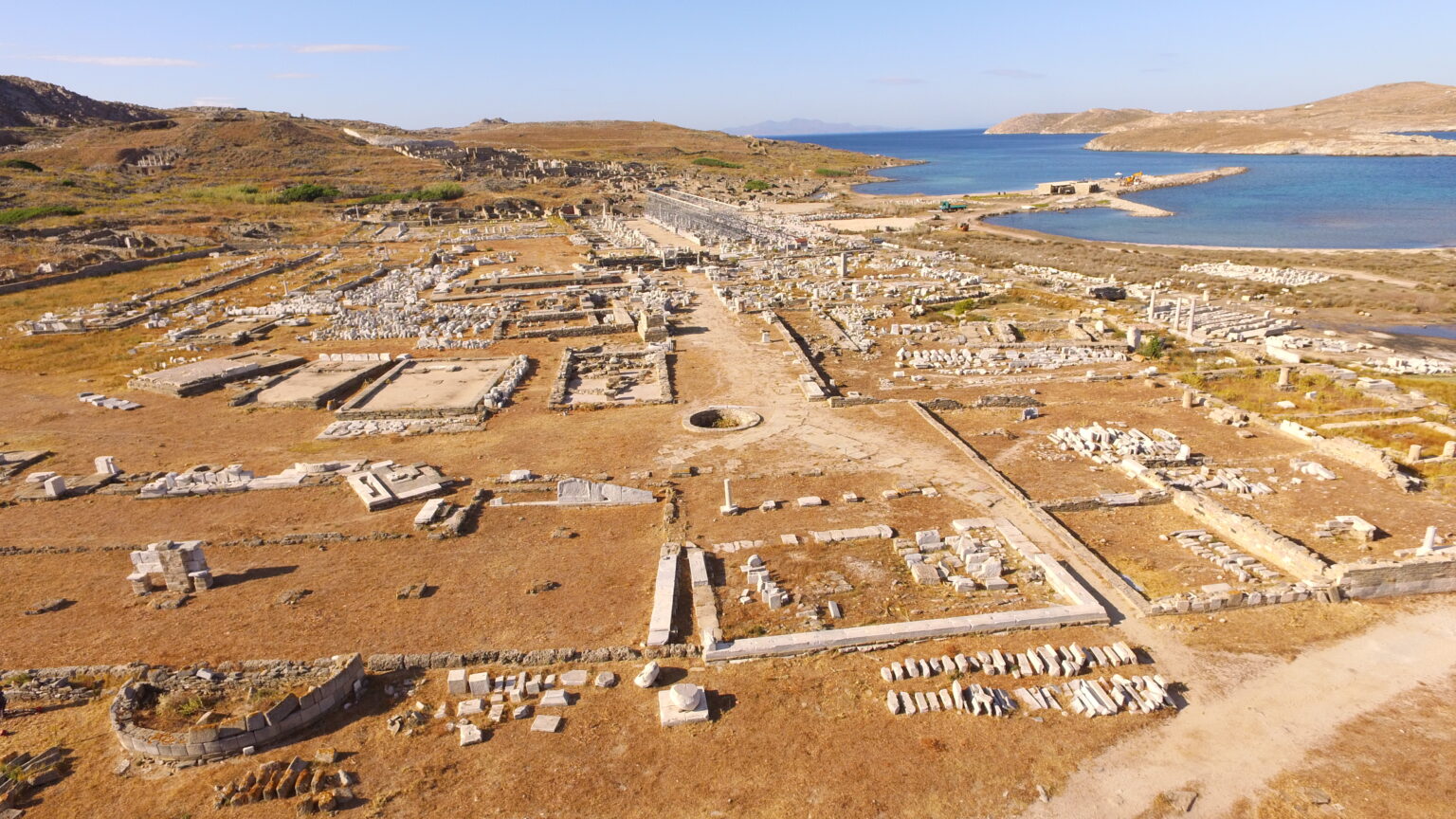
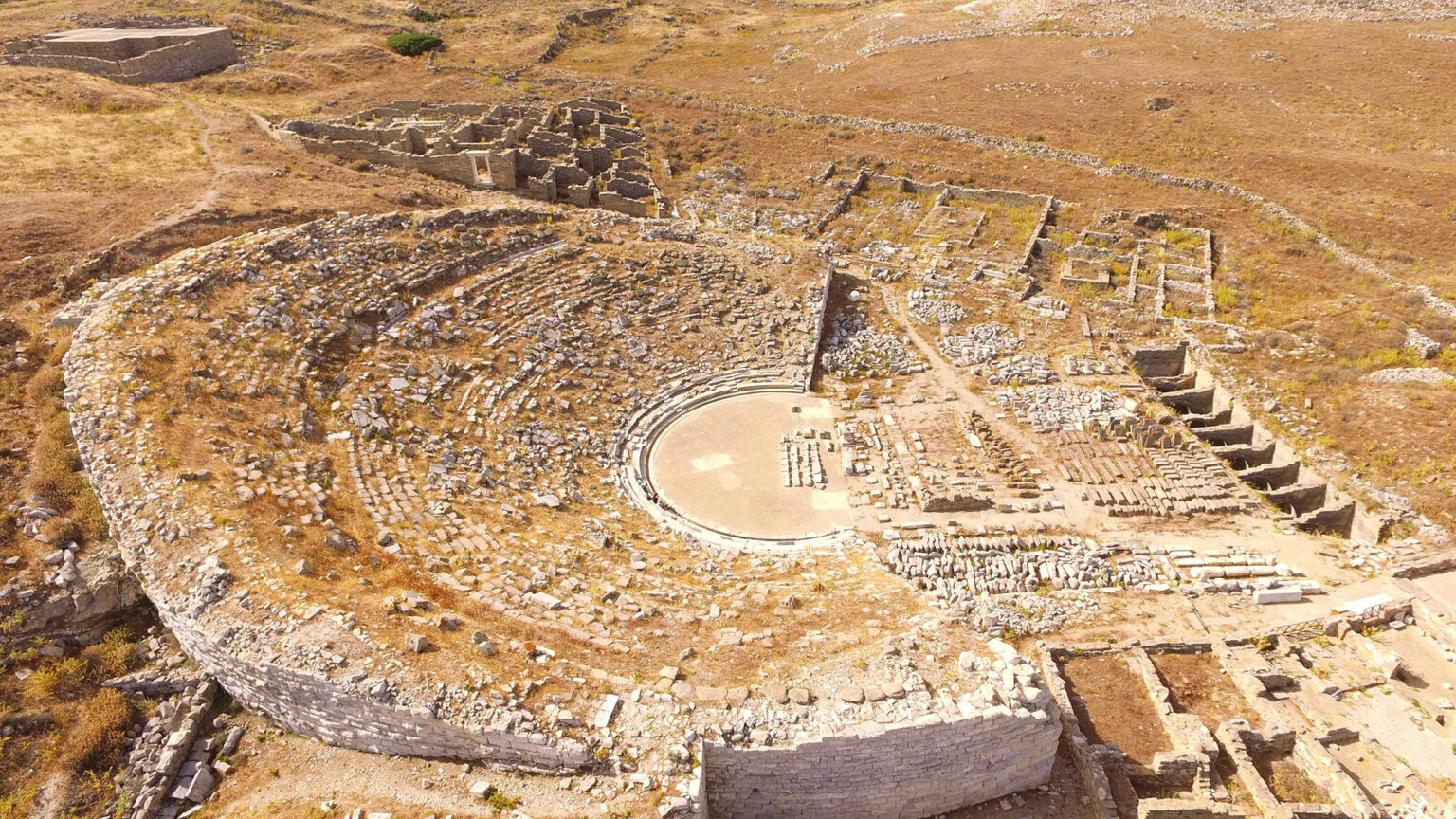
According to mythology it was here that Leto, pregnant by Zeus and mercilessly pursued by the jealous Hera, found refuge in order to give birth to Apollo and Artemis. A sacred place, Delos gradually became a safe haven for all the peoples of the Mediterranean. Although inhabited since prehistoric times, its successive colonization by the Mycenaeans, the Athenians and the Romans gave this humble islet unique gravitas. The Romans declared Delos a free port, transforming it into a powerful commercial and religious centre, where people from every corner of the known world coexisted peacefully. Not just from Greece, but also from Pontus, Cappadocia, Syria, Cyprus, Egypt, Arabia and elsewhere, people would settle in Delos, transforming the island into an unprecedented melting pot of cultures and ideas.
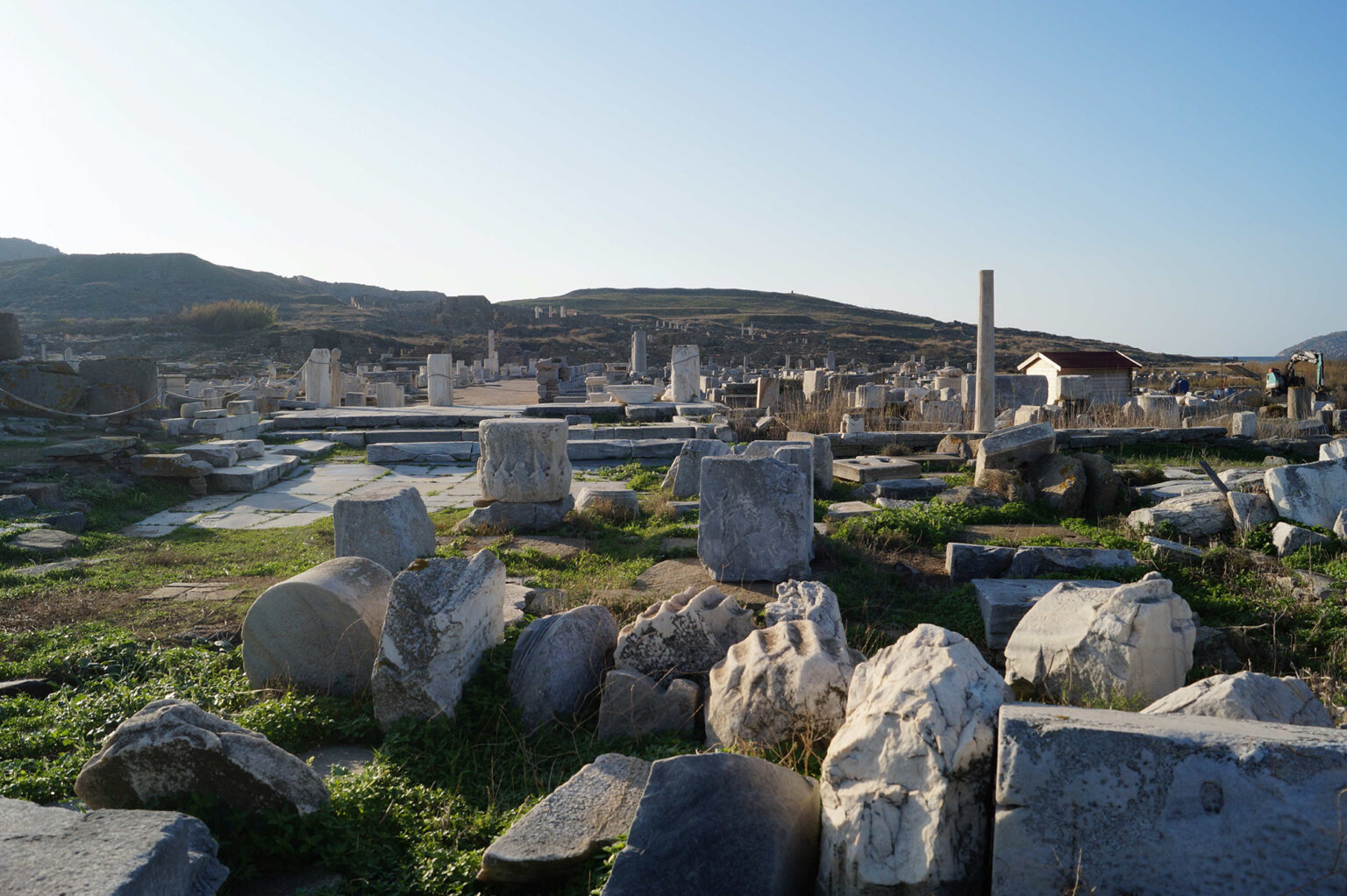
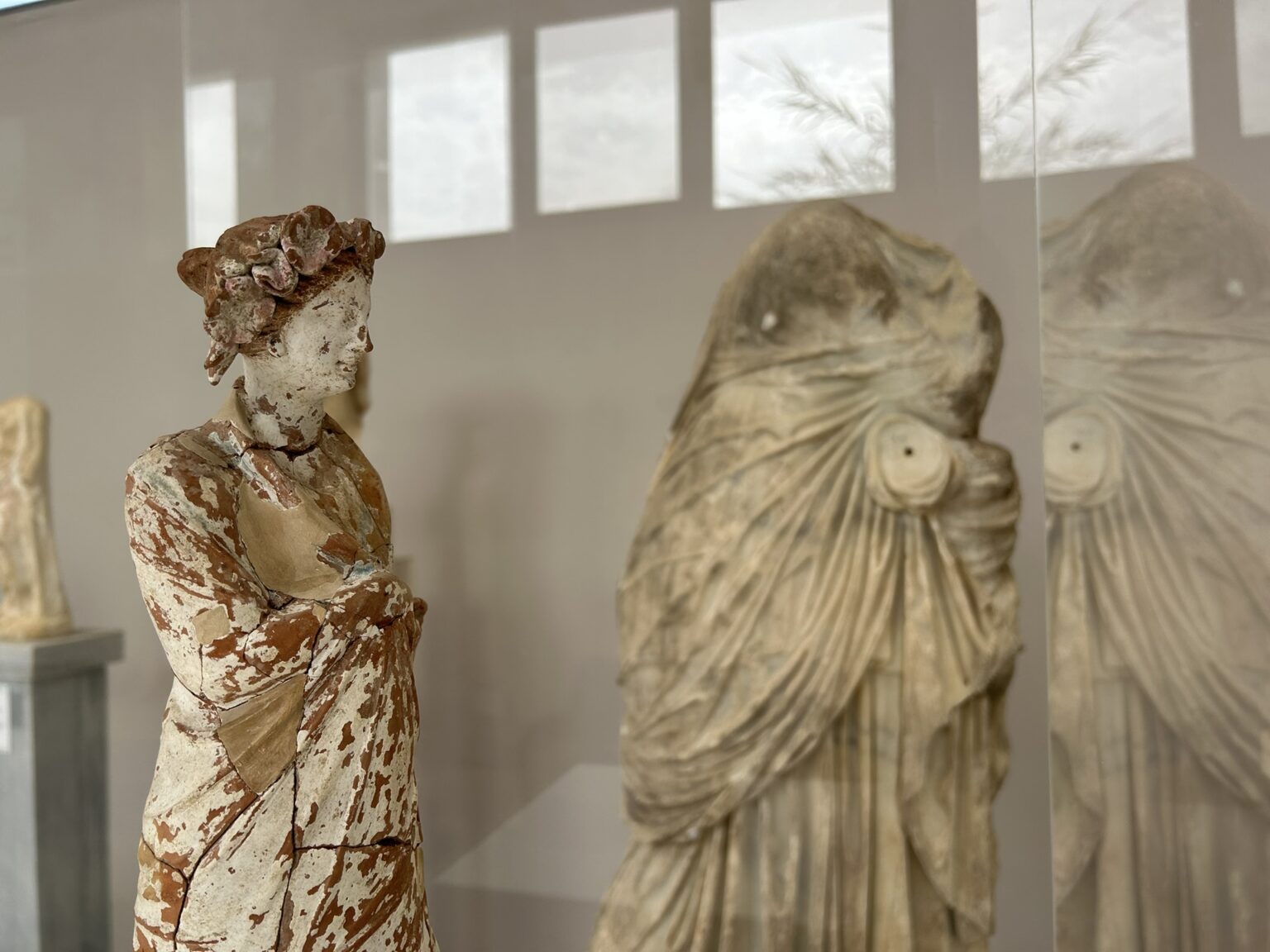
The monuments visitors can admire in the archaeological site of Delos, as well as the importance of the exhibits in its museum, are indicative of the multiculturalism and religious freedom that characterized the island. A stone’s throw from the sanctuary of Apollo, which stretched over 20,000m2, and shrines dedicated to Artemis, Hera, Zeus, Athena and the entire Dodecatheon, one can find sanctuaries dedicated to gods that did not belong to the traditional Greek pantheon, such as deities from Phrygia and Mysia or Syria and Egypt. Among them, the sanctuary of Isis, the patron goddess of sailors, dominates the hill of Kynthos, the highest point of the island.
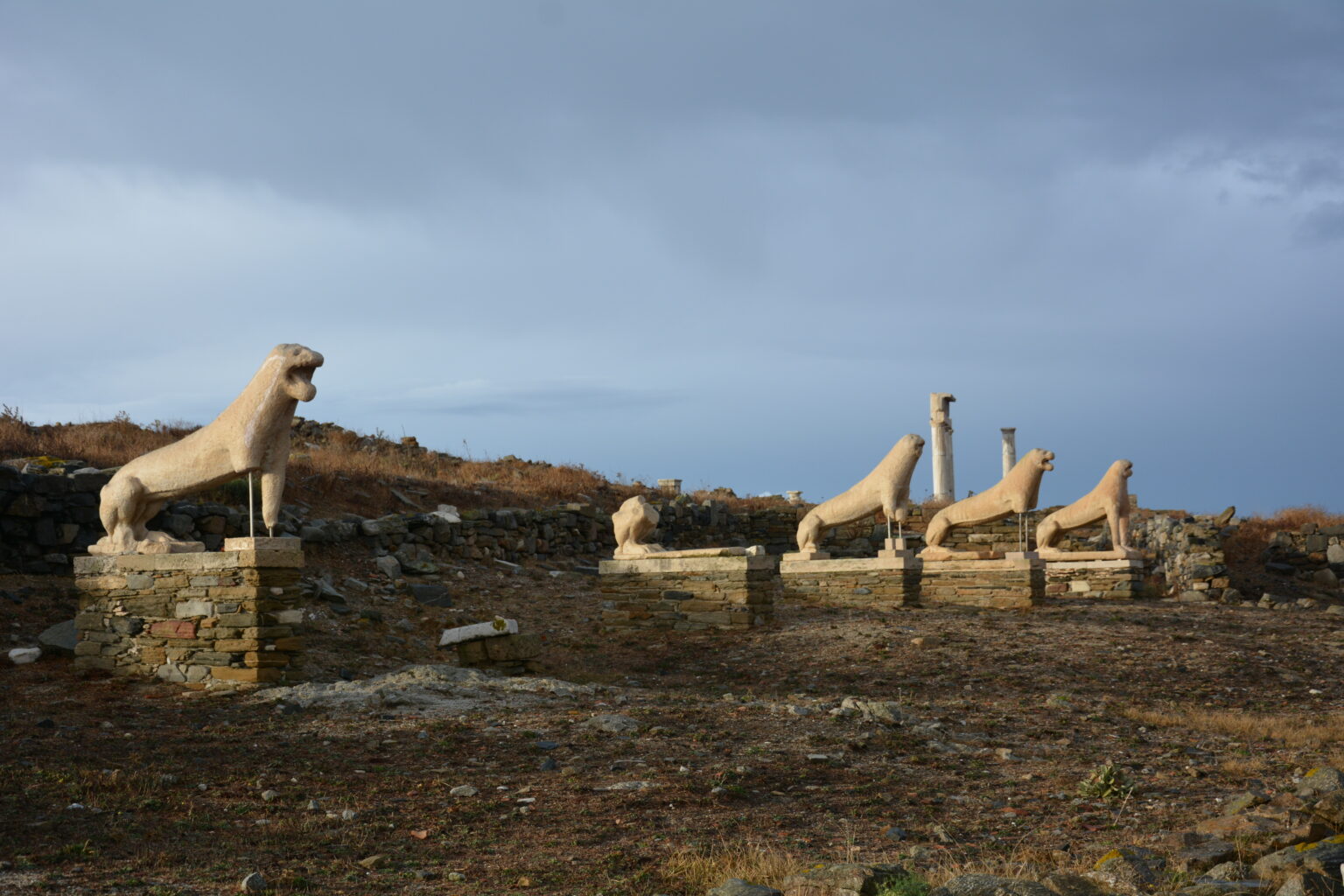
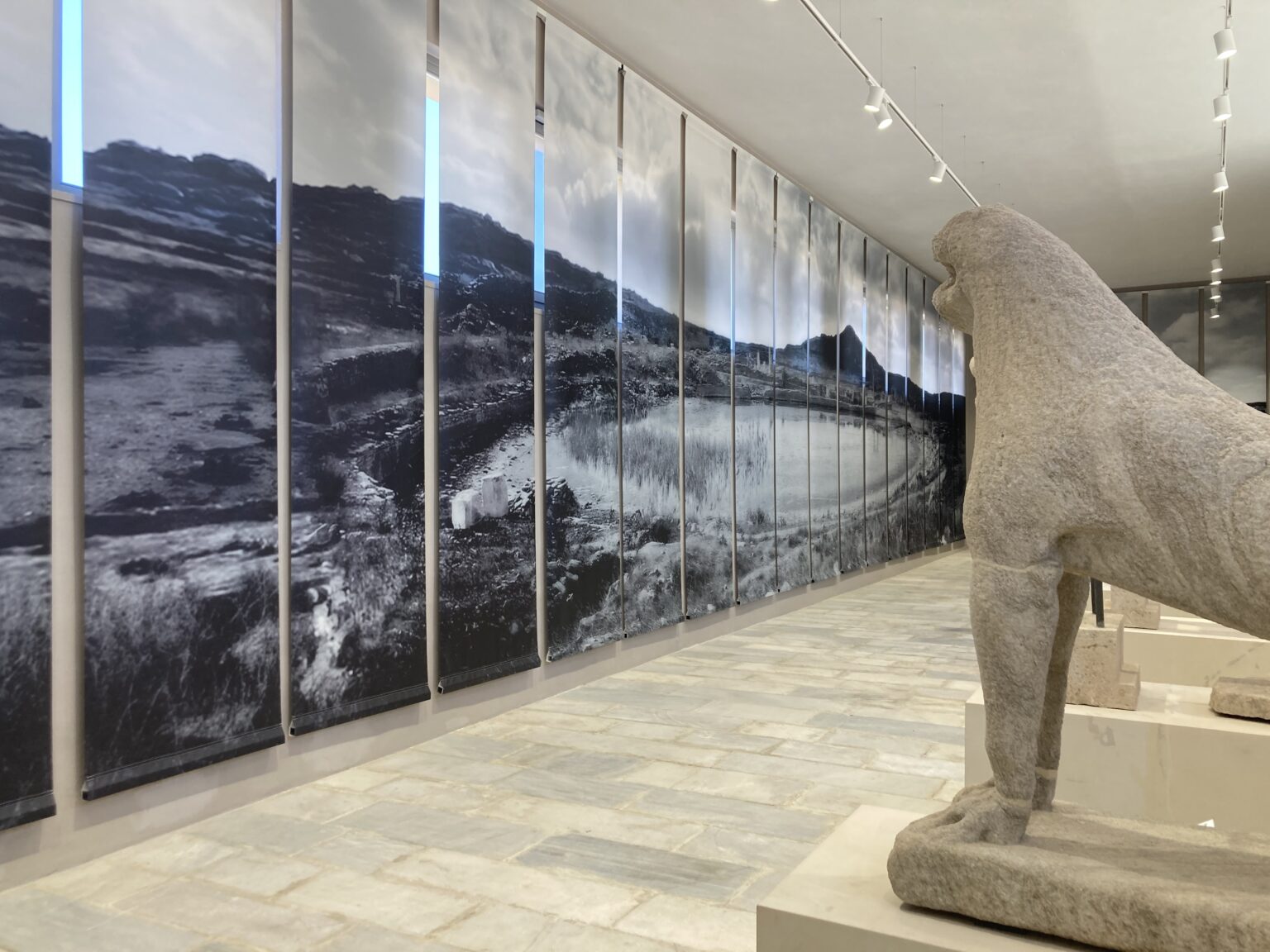
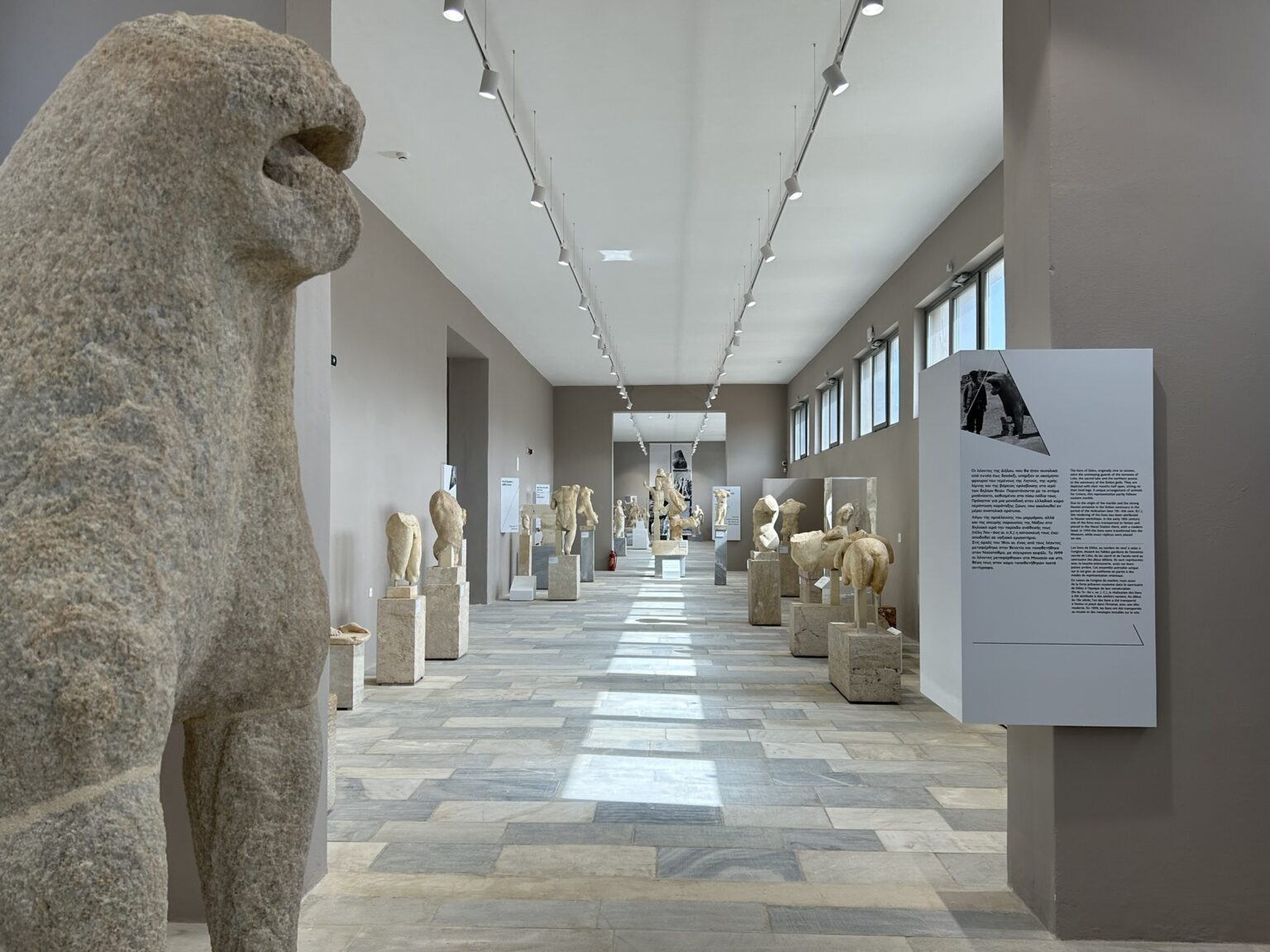
The most emblematic Delian vista, however, is certainly the imposing marble statues lined along the Avenue of the Lions. Of the 16 lions, only five survive today, and although they are copies (the originals are kept in the Archaeological Museum of Delos), one can easily imagine the impression they must have made, all lined up, guarding the road to the sanctuary of Apollo. A gift of the Naxians to the god of light, they are an outstanding example of the extraordinary skills possessed by the Naxian craftsmen.
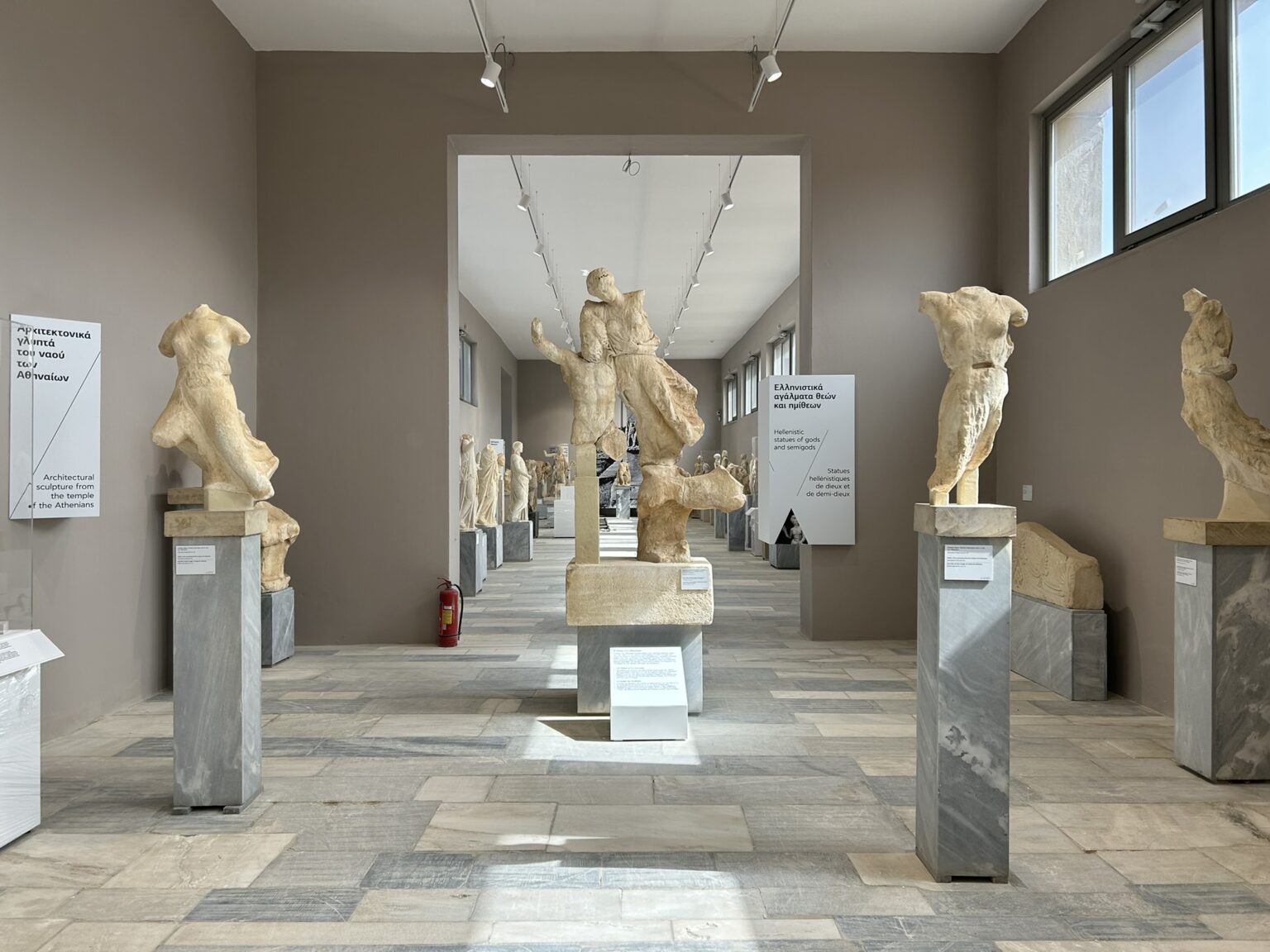
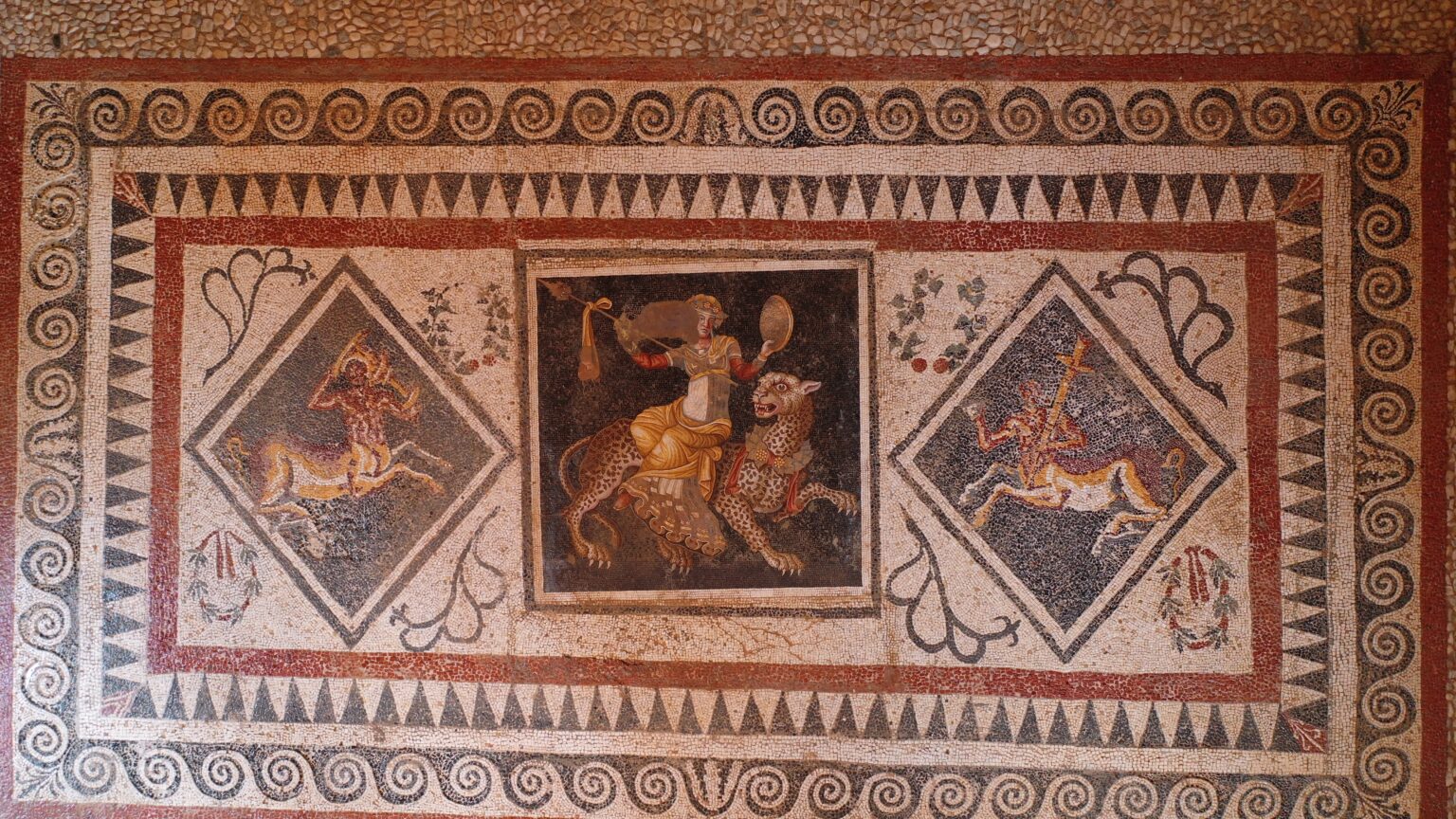
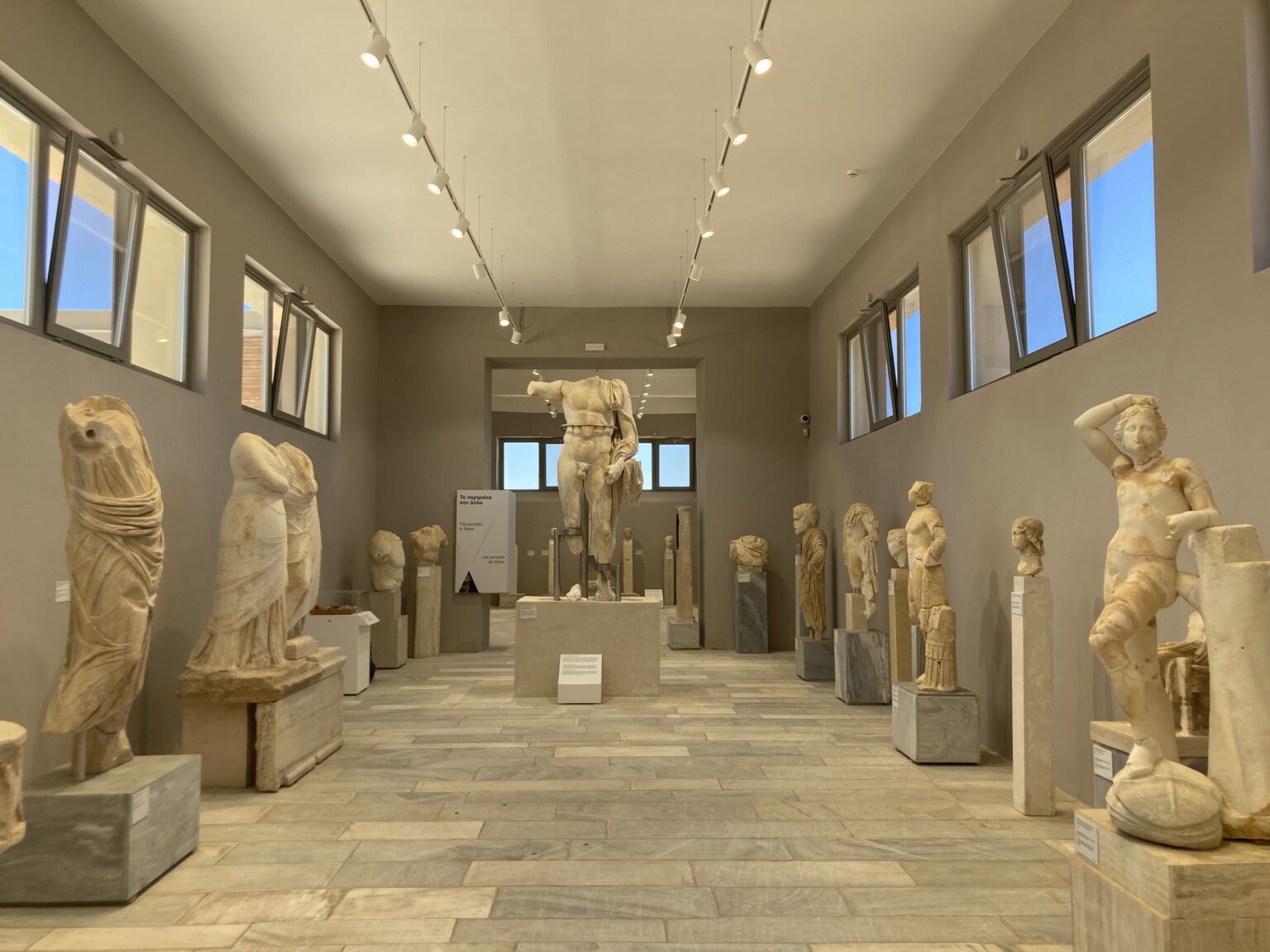
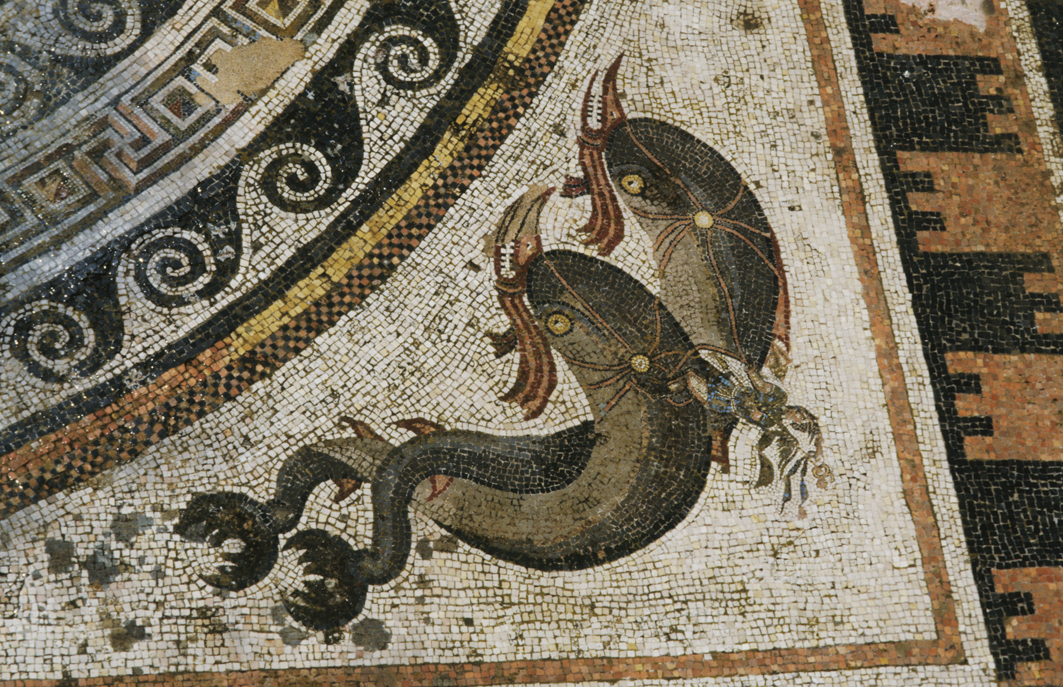
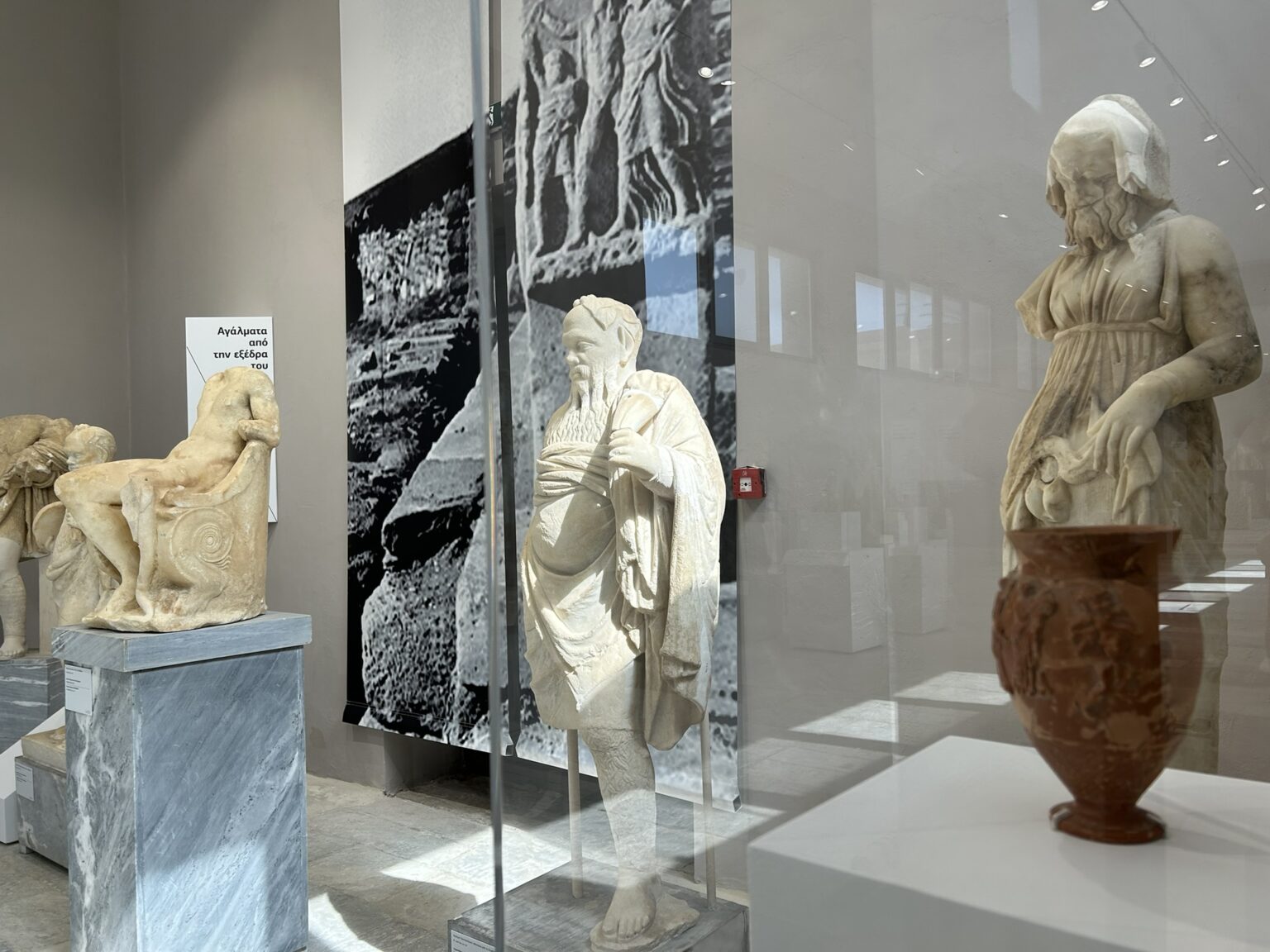
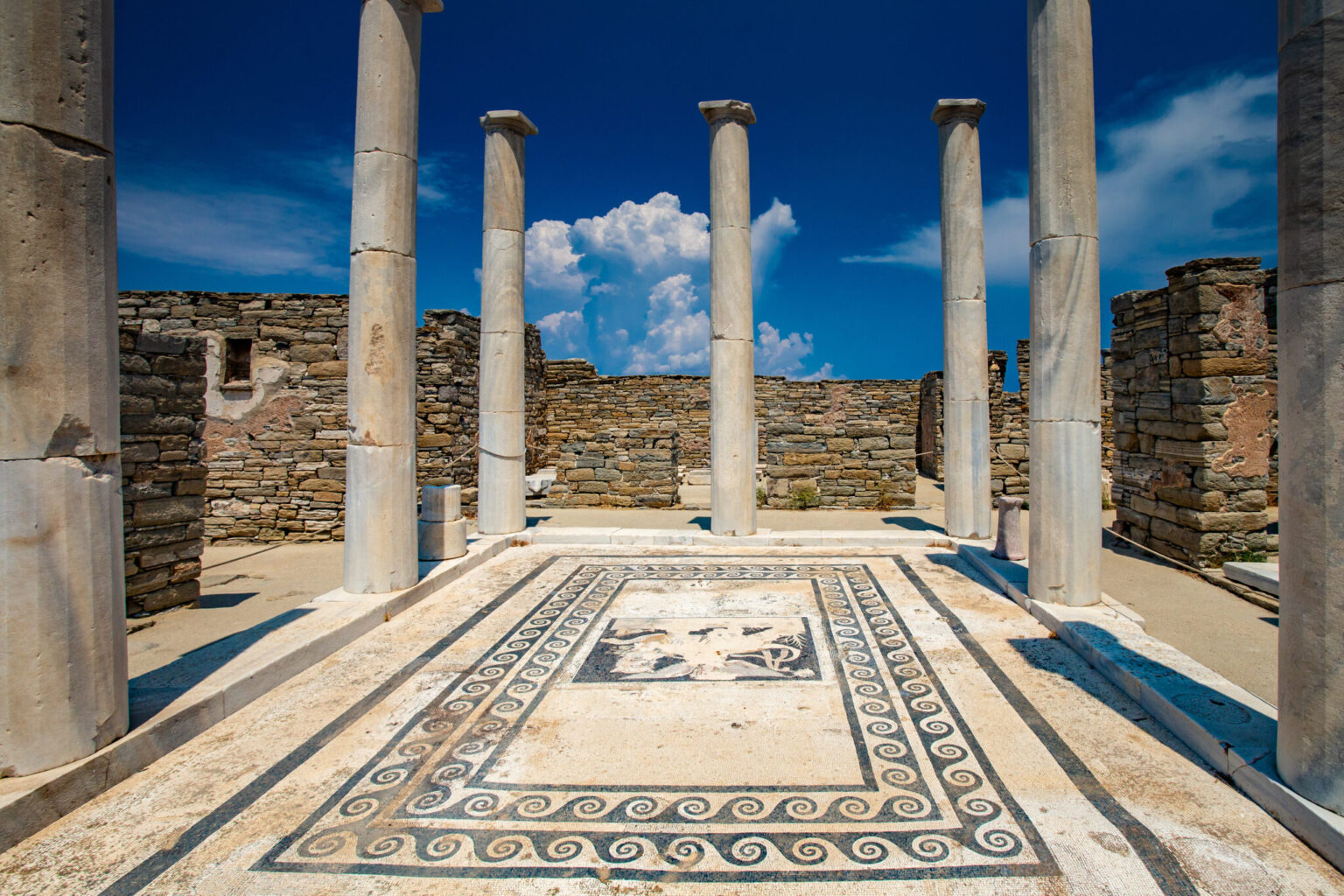
Similarly impressive are the private houses in the Theatre district, which are named after the exquisite mosaics that adorn their floors, e.g. the lavish House of Dionysus, where the ground floor had been embellished with a mosaic depicting Dionysus with open wings, riding a tiger with a grape wreath around its neck. While admiring the magnificent detail and vibrant colours of the scene, one can easily close their eyes for a moment and imagine the wealthy occupants welcoming their distinguished guests with a cup of fine wine. The theatre that lent the district its name could accommodate about 5,500 spectators, offering them a unique vista of the Aegean sea, alongside with the actual performance.
An island resembling a living museum that hides numerous treasures in every corner, Delos has been a UNESCO World Heritage Site since 1990.
Opening hours
April 1 – August 31
Daily: 08:00 – 20:00
September 1 – 15
Daily: 08:00 – 19:30
September 16 – 30
Daily: 08:00 – 19:00
October 1 – 15
Daily: 08:00 – 18:30
October 16 – 31
Daily: 08:00 – 18:00
November 1 – 30
Daily: 08:00 – 16:00
December 1 – March 31
Closed
The site remains closed on the following dates and public holidays: January 1, March 25, May 1, Easter Sunday, December 25 & 26.
Tickets
Full: €20.00
Reduced: €10.00
Includes access to: Archaeological Site of Delos and the Archaeological Museum of Delos
Amenities
Contact
Archaeological Museum of Delos
Τ: +30 22890 22259, +30 22890 23413
Ε: amd@culture.gr
Ephorate of Antiquities of the Cyclades
Τ: +30 210 3250148
Ε: efakyk@culture.gr