
Opening hours
View Hours

Thermopylae , GR
Get Directions
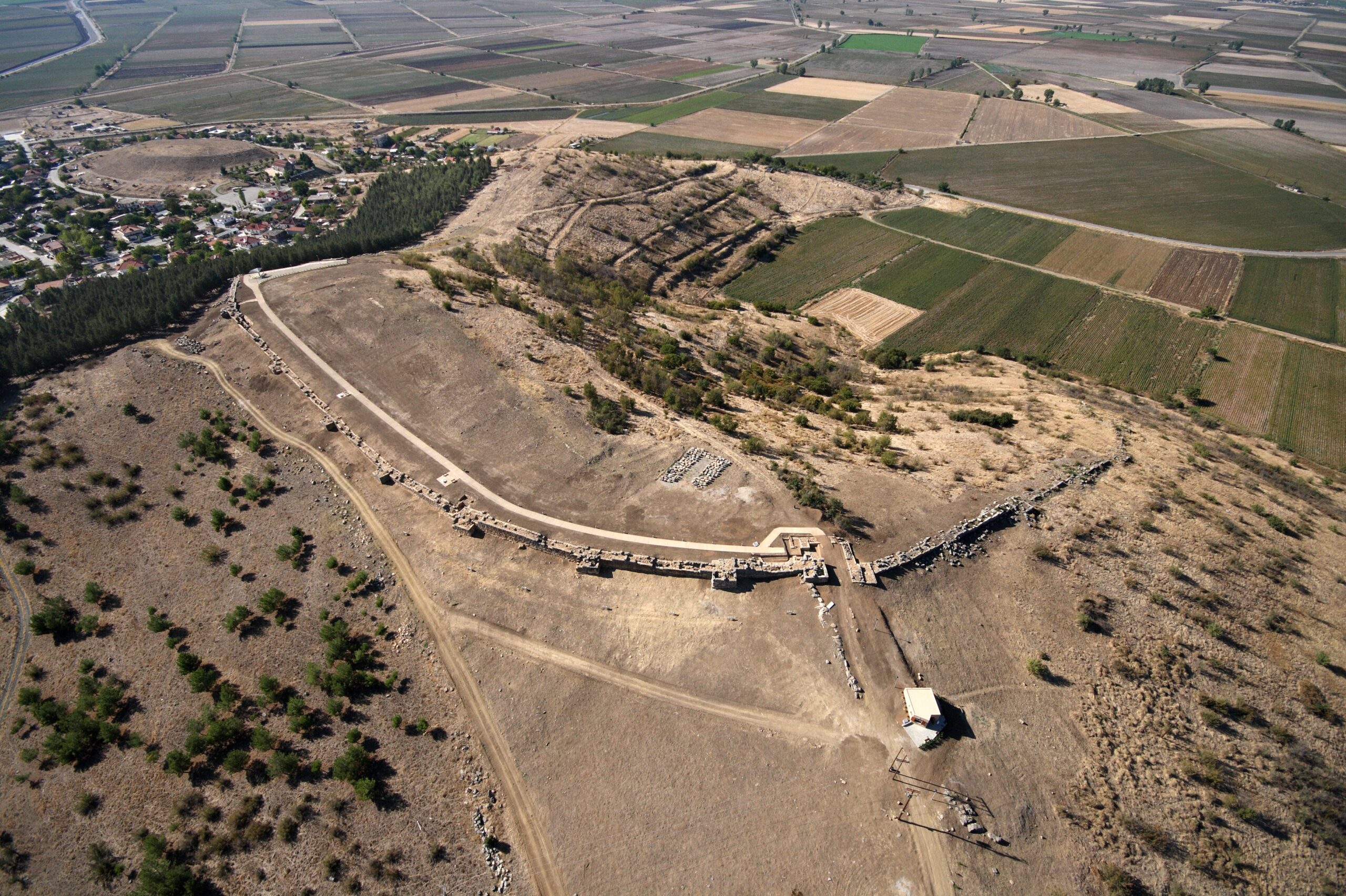
Thermopylae is the universally known site of one of the most famous battles in both Greek and world history.
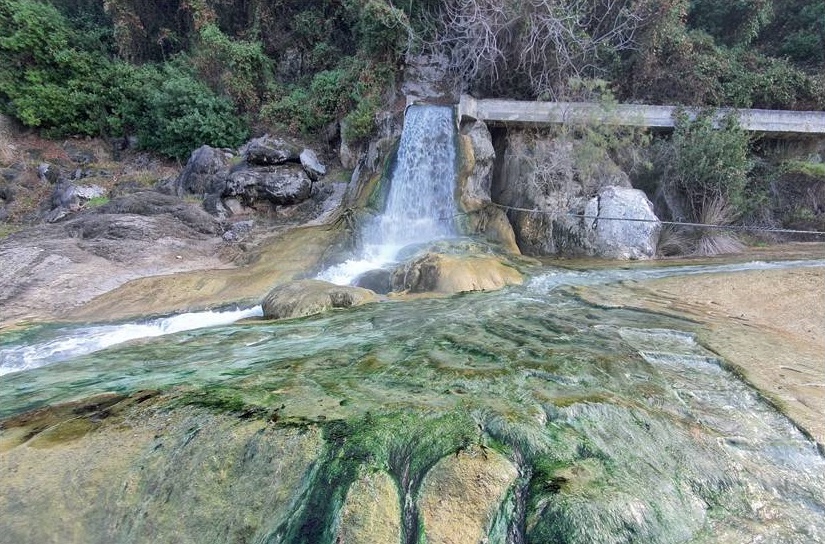
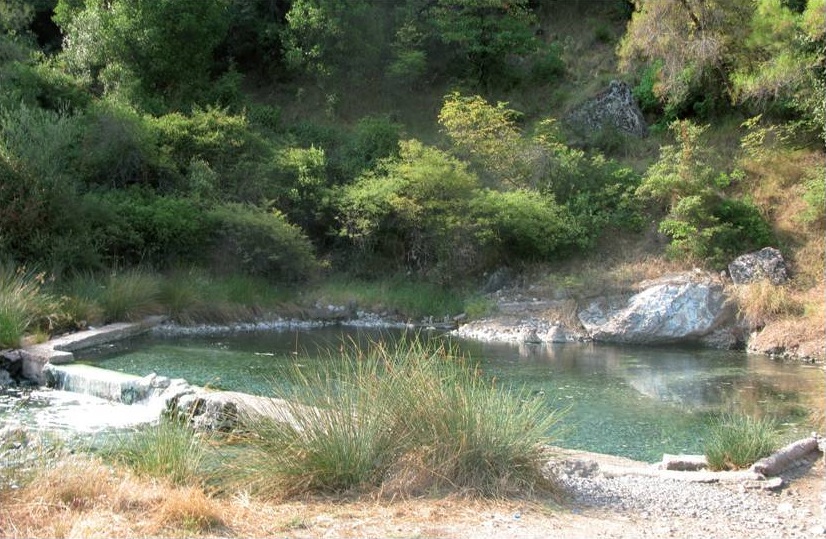
The name Thermopylae derives from the warm thermal springs – “thermos” is Greek for warm – that existed in the area, in combination with the narrow pass of the three “gates” formed between the slopes of Mount Kallidromos and the sea.
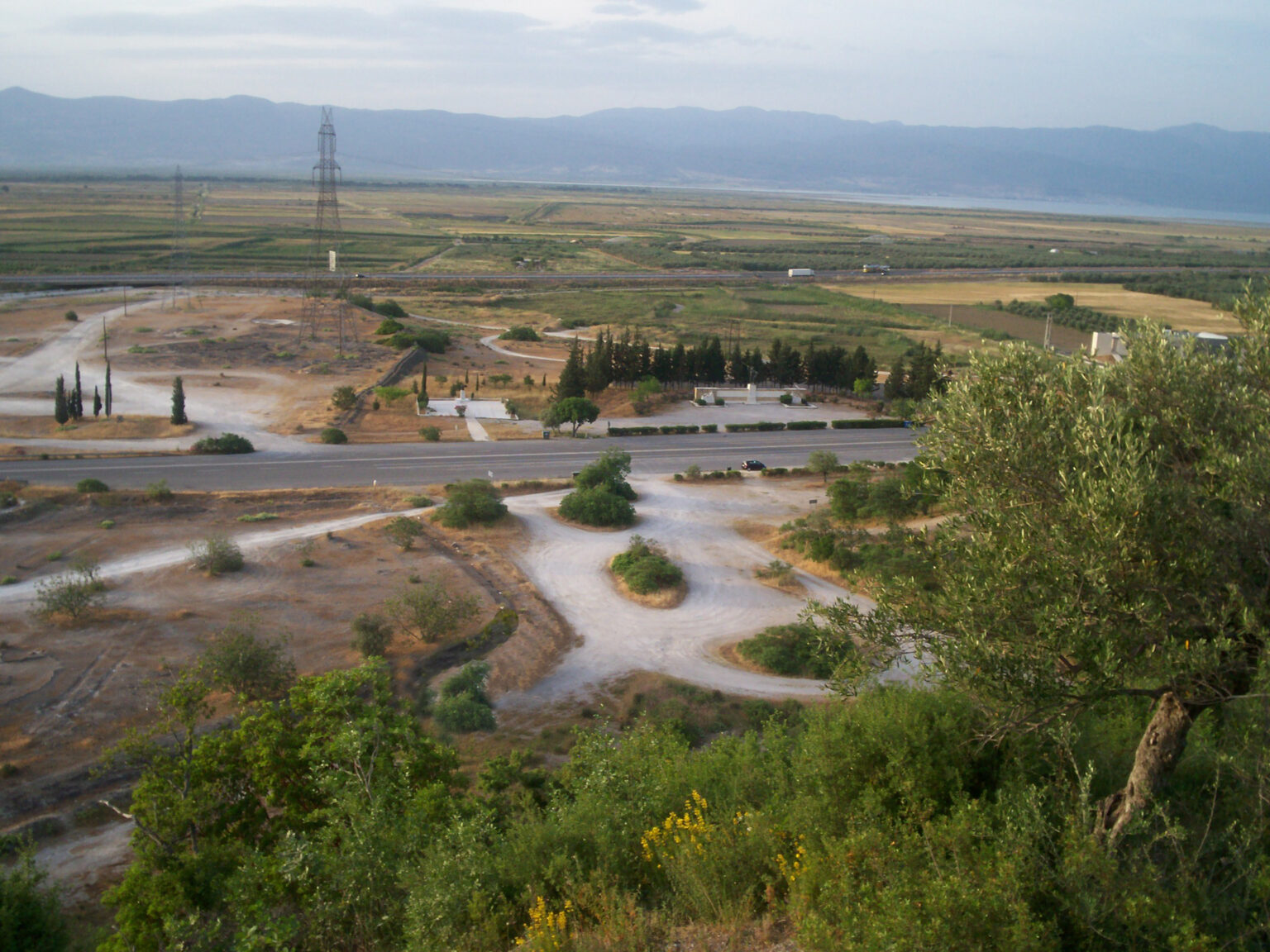
The landscape has been greatly altered since then, mostly due to the continuous deposits of the Spercheios River and its tributaries, which once flowed parallel to the pass. Over the centuries, these deposits created a vast plain about five kilometers wide, whereas in antiquity the passage lay right beside the coastline.
Myth has it that Thermopylae was associated with Hercules, who is said to have bathed in its waters to relieve the pain caused by the poisoned tunic of the centaur Nessus, which eventually caused his untimely demise.
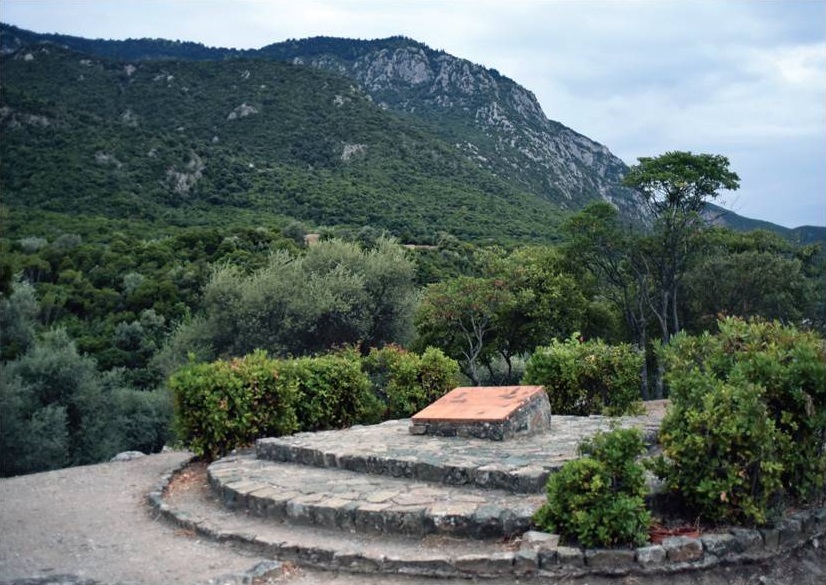
Here, at Thermopylae, in 480 B.C., 300 Spartans and 700 Thespians, led by King Leonidas, fought heroically against the vastly superior forces of the Persians, commanded by King Xerxes I, and laid down their lives in battle. From antiquity, the outcome of the Battle of Thermopylae was regarded more as a victory than a defeat. The sacrifice of Leonidas and his 300 Spartans, together with the Thespians, remained engraved in memory as the most characteristic expression of Spartan bravery, military duty and self-sacrifice for one’s homeland.
The small but mighty Greek force managed to protect the remaining allies as they retreated, while significantly delaying Xerxes’ advance, inflicting losses on his army and boosting the morale of the Greeks.
To honor their sacrifice, the ancient Greeks erected a stone lion at that very spot, inscribed with the famous epigram by the poet Simonides: “Oh stranger, tell the Lacedaemonians that we lie here, obedient to their words.”
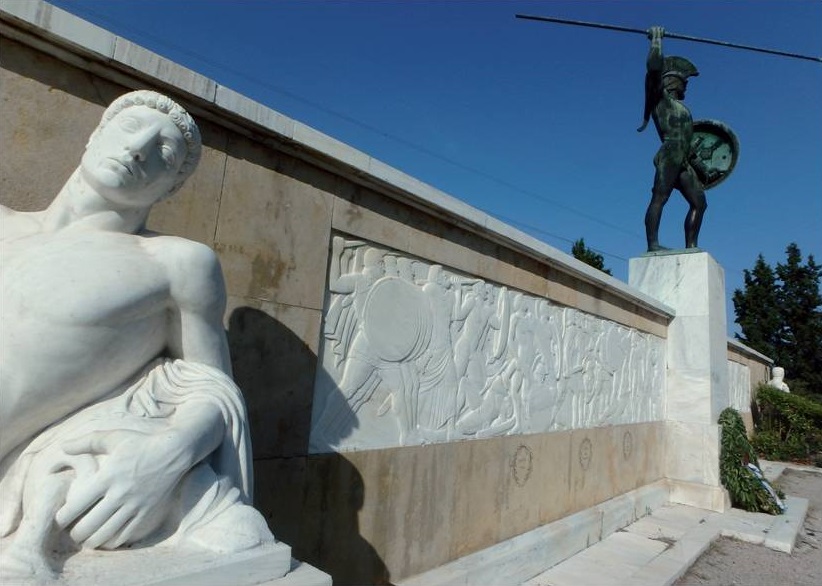
A monument was erected in 1955 at the central gate of the pass – the site of the battle’s final phase – in commemoration of the Battle of Thermopylae, featuring a bronze statue of Leonidas armed to the teeth, created by sculptor Vasos Falireas. The statue greets visitors before they ascend the hill of Kolonos, inscribed with the legendary phrase “Molon labe”, which translates to “Come and take them,” a reference to the Spartan’s weaponry after King Xerxes demanded they surrender mid-battle.
Directions
35009, Thermopylae, Municipality of Lamia
On foot
10 minutes from the modern settlement of Thermopylae
By bus
20 minutes from the Lamia KTEL station to Thermopylae
By car
20 minutes from the Lamia KTEL station to Thermopylae
2 hours and 10 minutes from Athens
Opening hours
Open-air site with free access
Tickets
Free admission
Contact
Ephorate of Antiquities of Phthiotida and Evrytania
T: +30 22310 47628-9
E: efafeu@culture.gr