
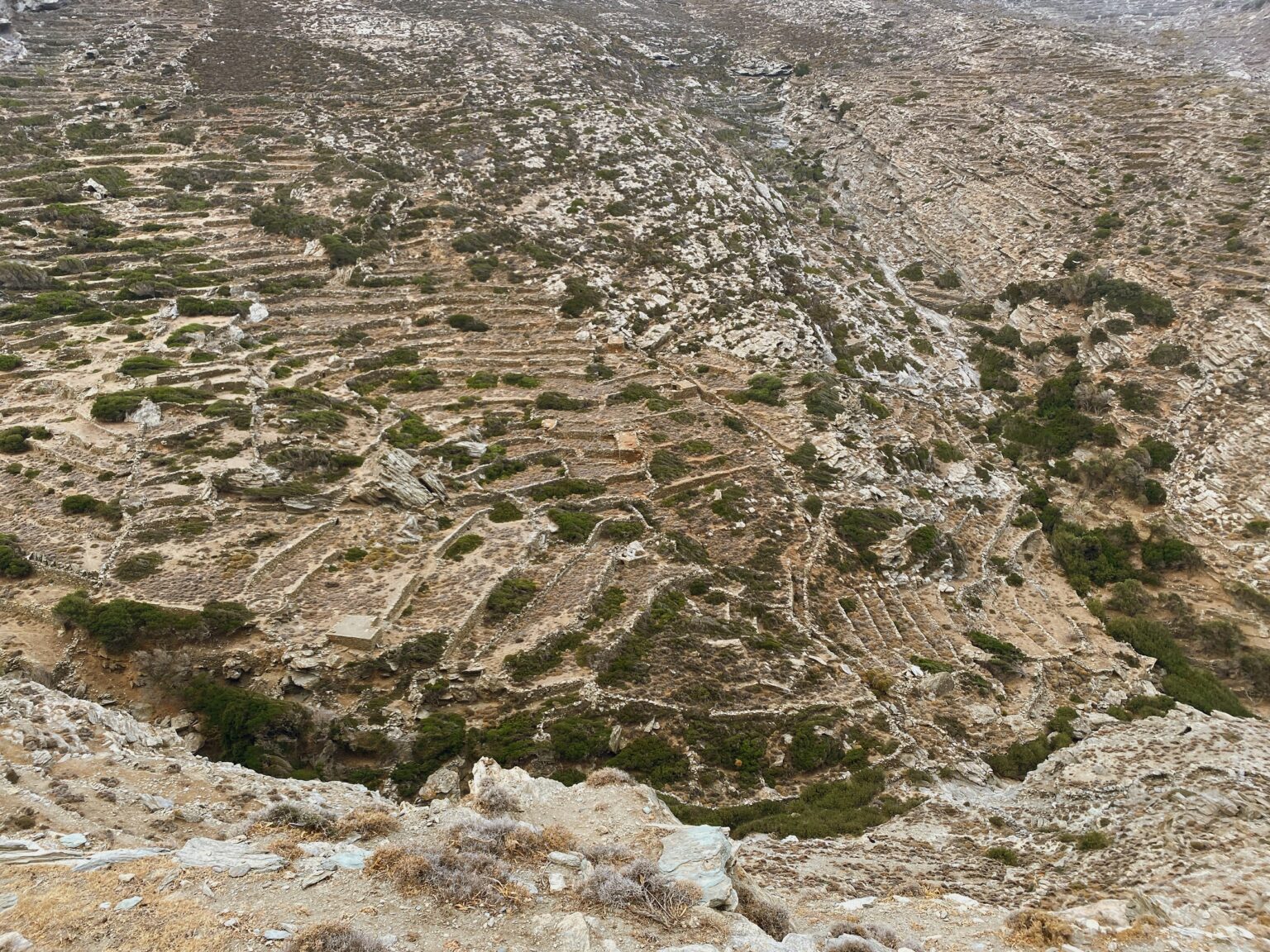
The dry-stone landscape of Tinos, a living monument
Folk Life
The rural landscape of Tinos is unique in the Aegean, as it represents one of the most intensively cultivated terrains in the Cyclades.
Dry-stone walls – the art of masonry without using any binding material – frame the painstaking labor of the island’s inhabitants, shaping terraces, shelters, dovecotes, mills, irrigation systems, and paths that once linked all the villages together.
The year 2018 was a milestone for the island, when UNESCO recognized the art of dry-stone walling as an element of Intangible Cultural Heritage of Humanity, worthy of acknowledgment, promotion and protection. The Tinian landscape features an extensive network of access routes to settlements, estates and countless agricultural structures, none of which exist in isolation. The dovecotes, the roads leading to them, and the terraces on which they stand are all integral parts of one indivisible whole.
The dry-stone landscape was a vast infrastructure project that allowed the locals to live and survive, holding back the sloping terrain by using the natural materials they found around them.
This dry-stone landscape was a vast infrastructure project that enabled the locals to live and survive, holding back the sloping ground by using only the natural materials found around them. Completed over the course of many centuries, this remarkable achievement now forms the backdrop of contemporary life and the canvas upon which both residents and visitors are called to act.
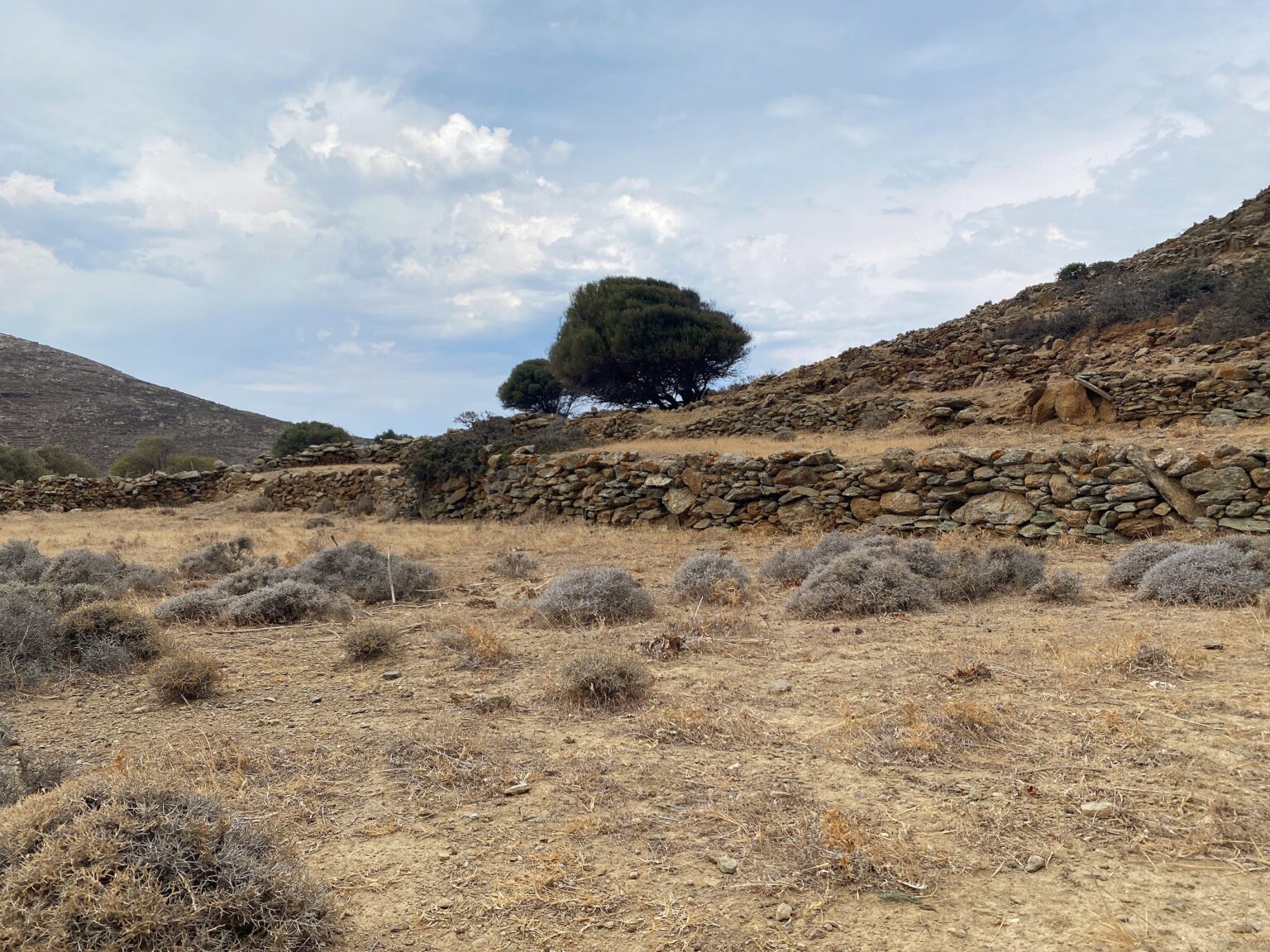
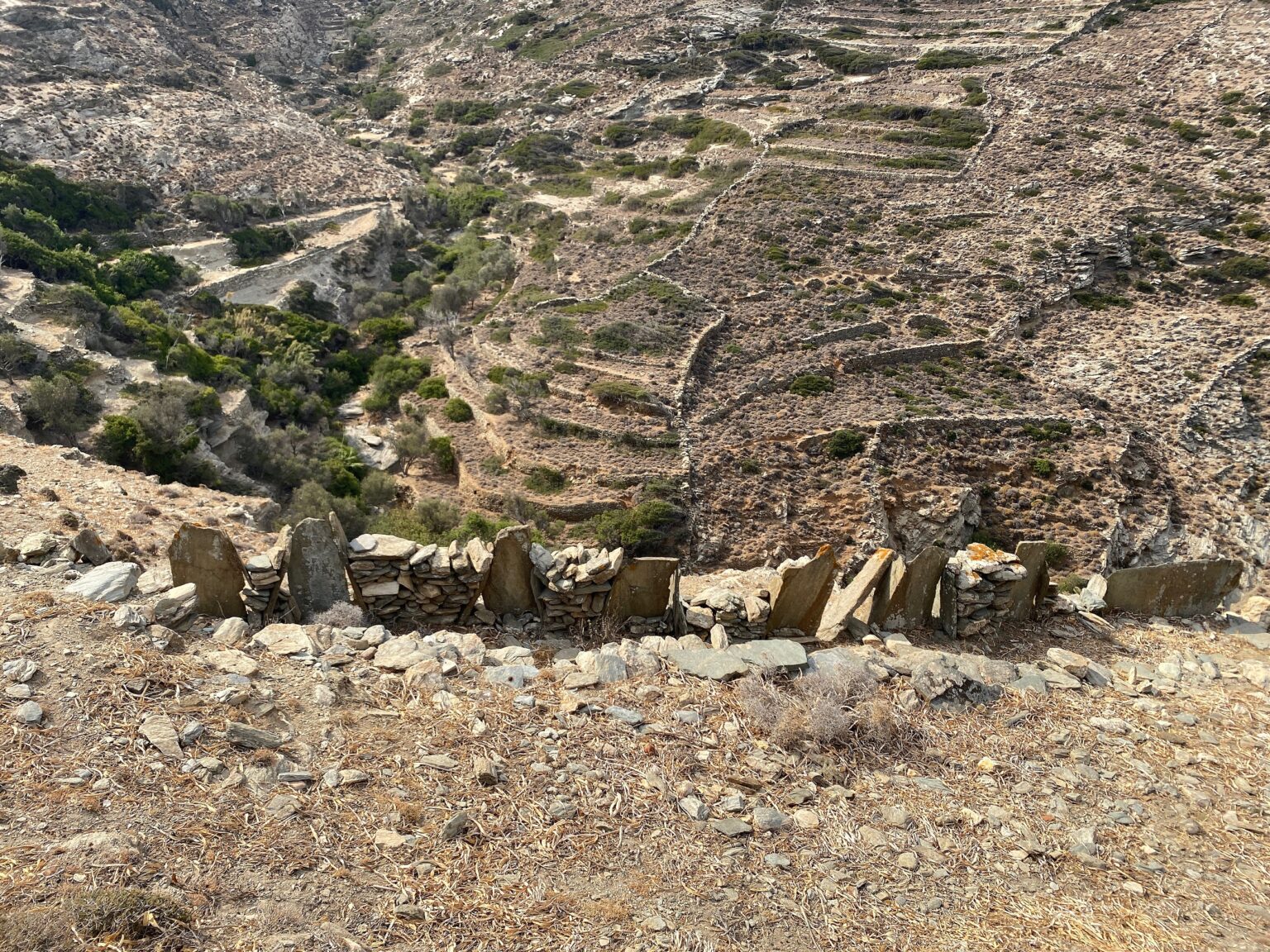
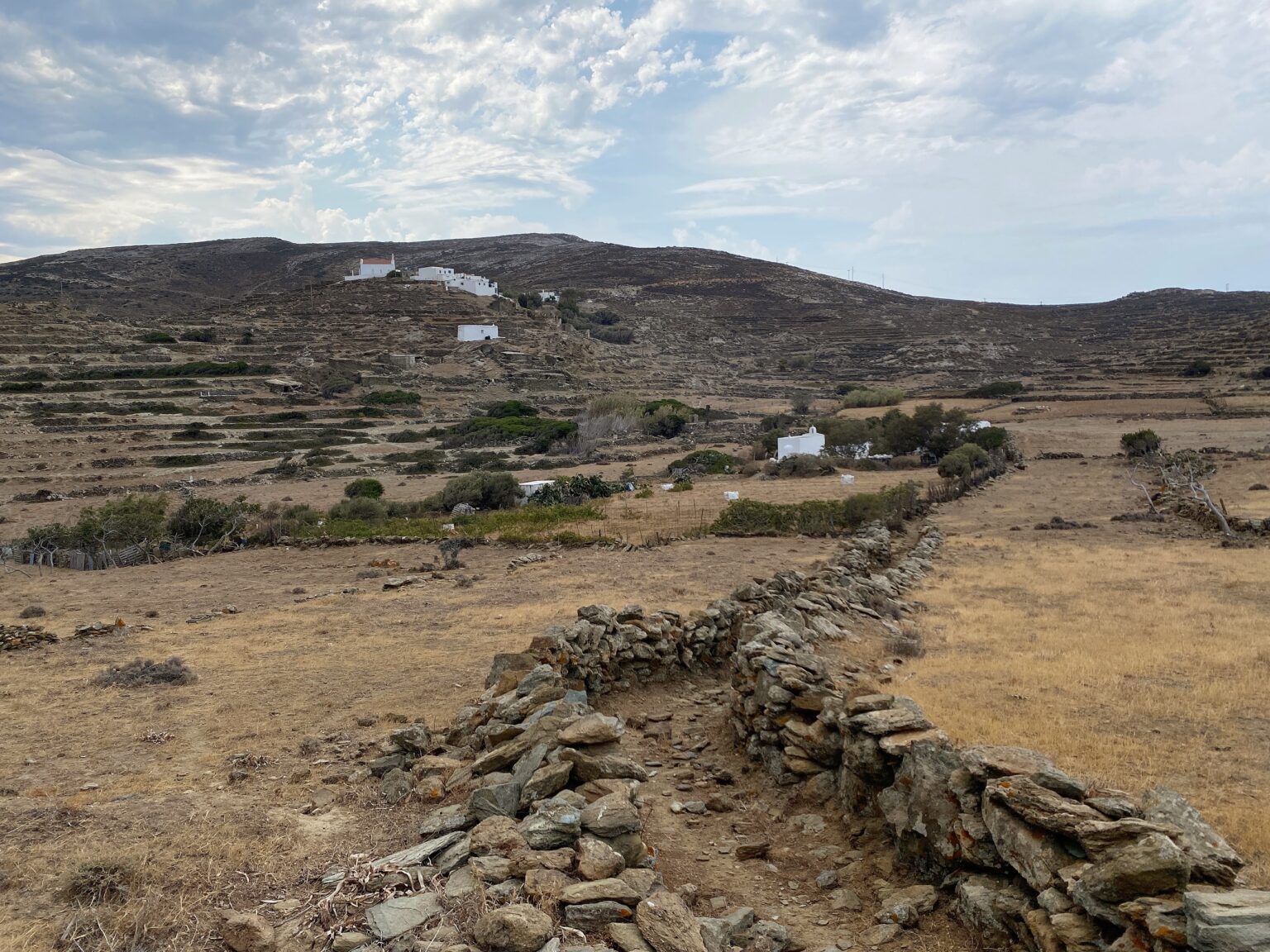
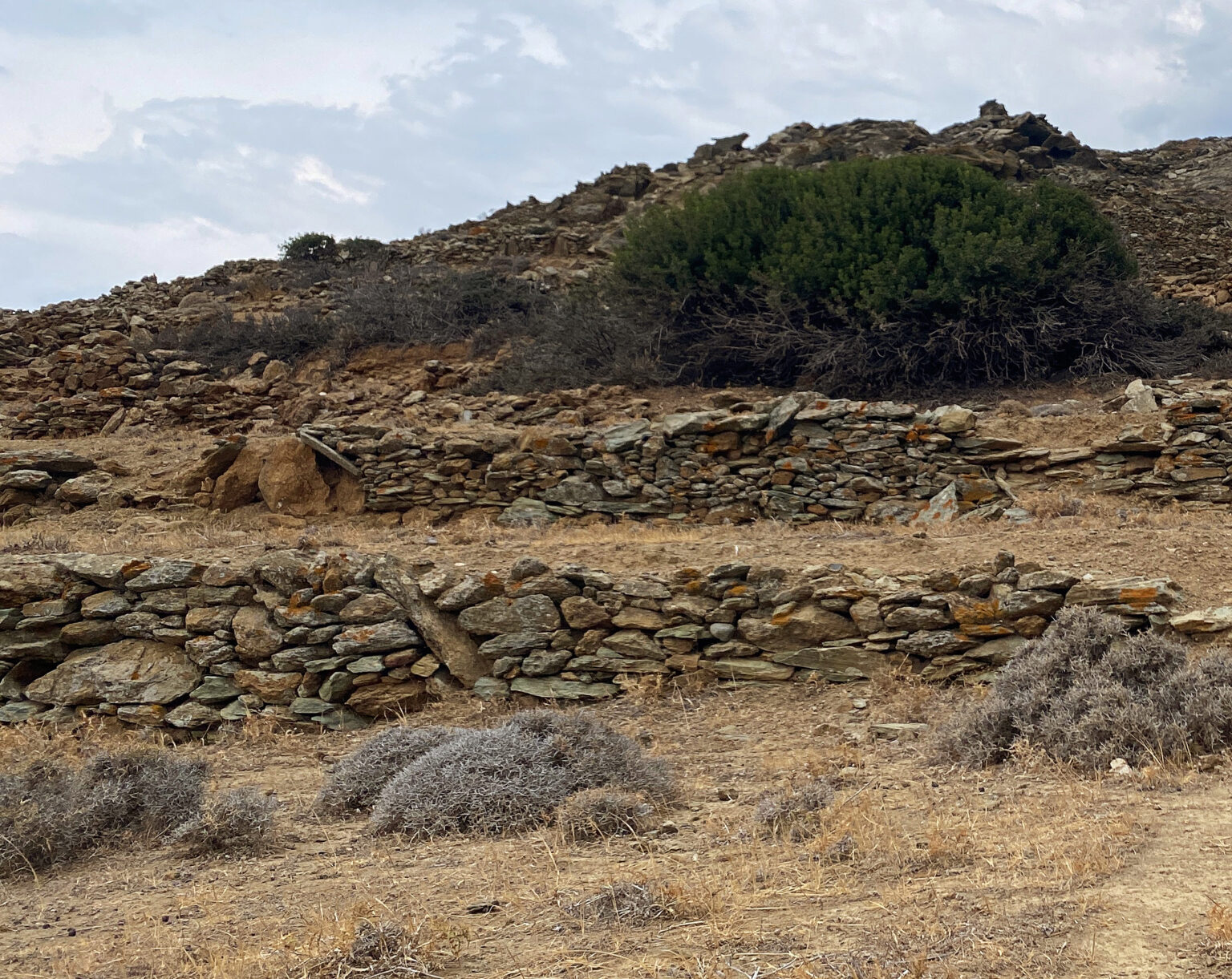
Not every visitor may know its history, yet few remain unmoved by the energy the landscape exudes – an energy infused with the hundreds of thousands of hours of labor spent by the islanders in sculpting their land. But what does it mean for the island’s future that we have inherited a handmade – and therefore fragile – landscape, without inheriting the very skills that created it?
Read also
The art of basket weaving in Volax
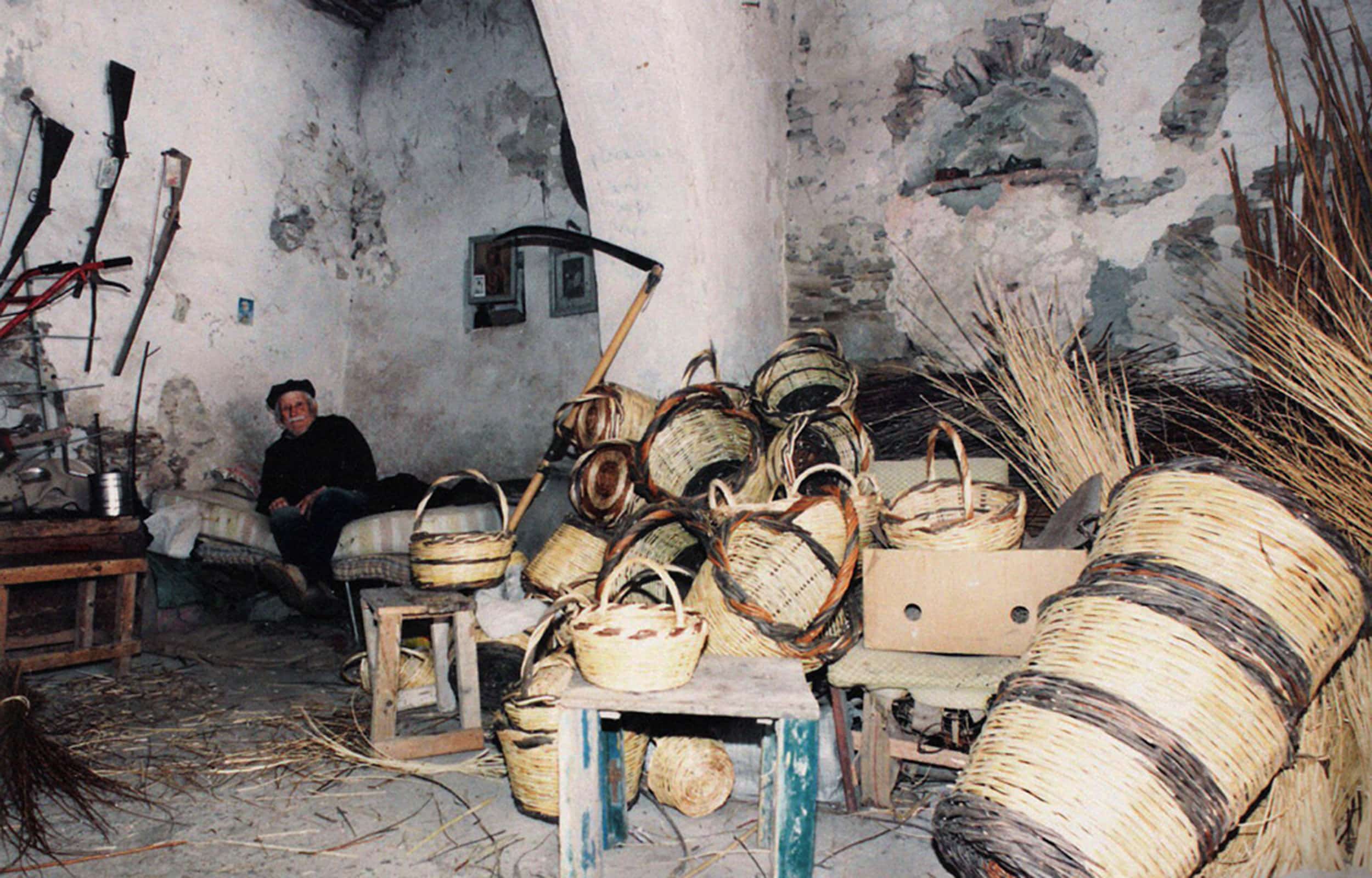
Volax, the Tinian village with the unusual name and the mysterious lunar landscape that has led to endless speculations about fallen meteorites, was once one of the most important basket-weaving centers in Greece.
Mastic: Nature’s tears
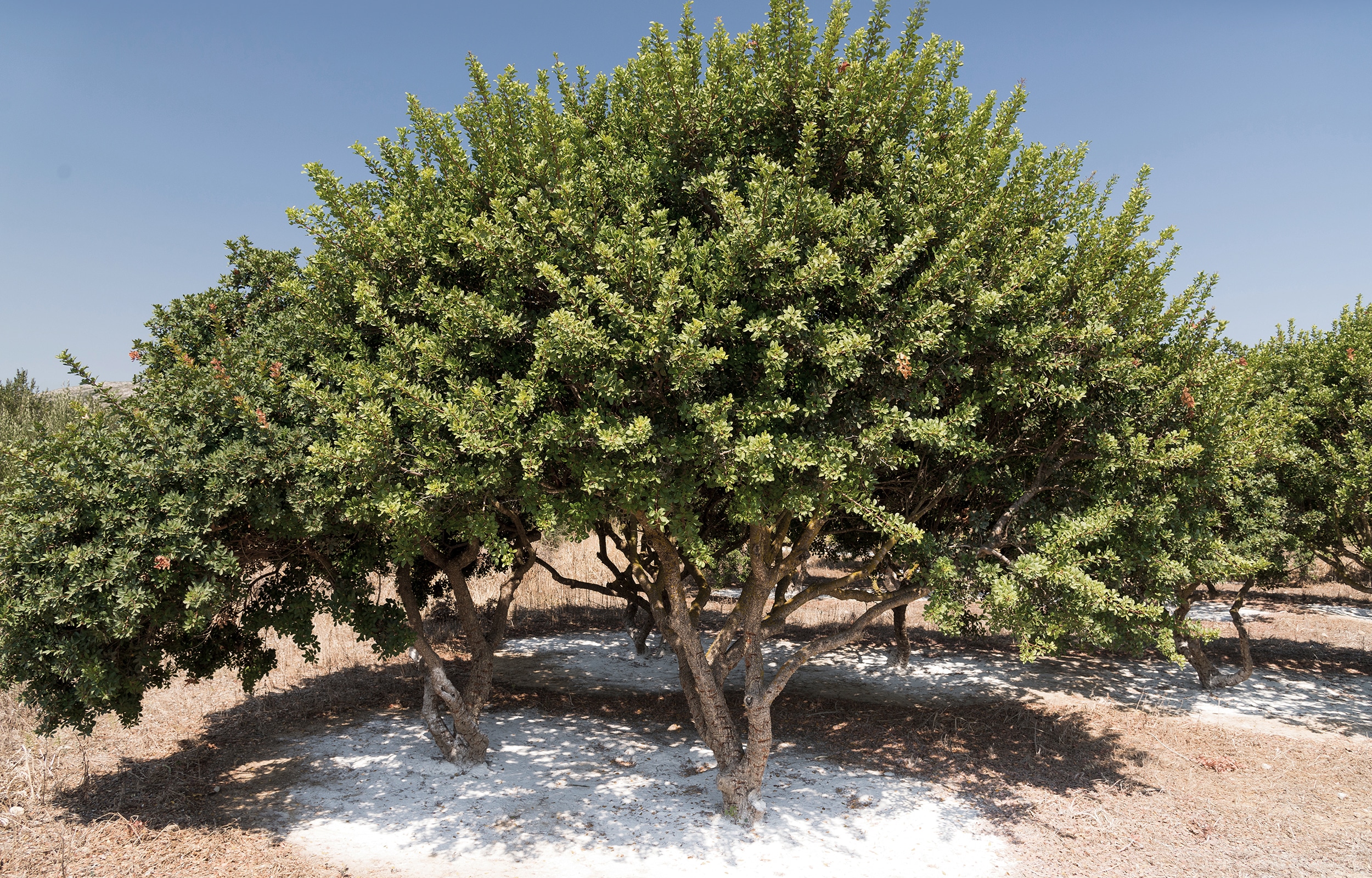
The aromatic tears of a unique variety of mastic tree have been linked to the cultural identity of southern Chios for centuries, as it happens to be the only place in the world where mastic is systematically produced.
The Greek Karagiozis
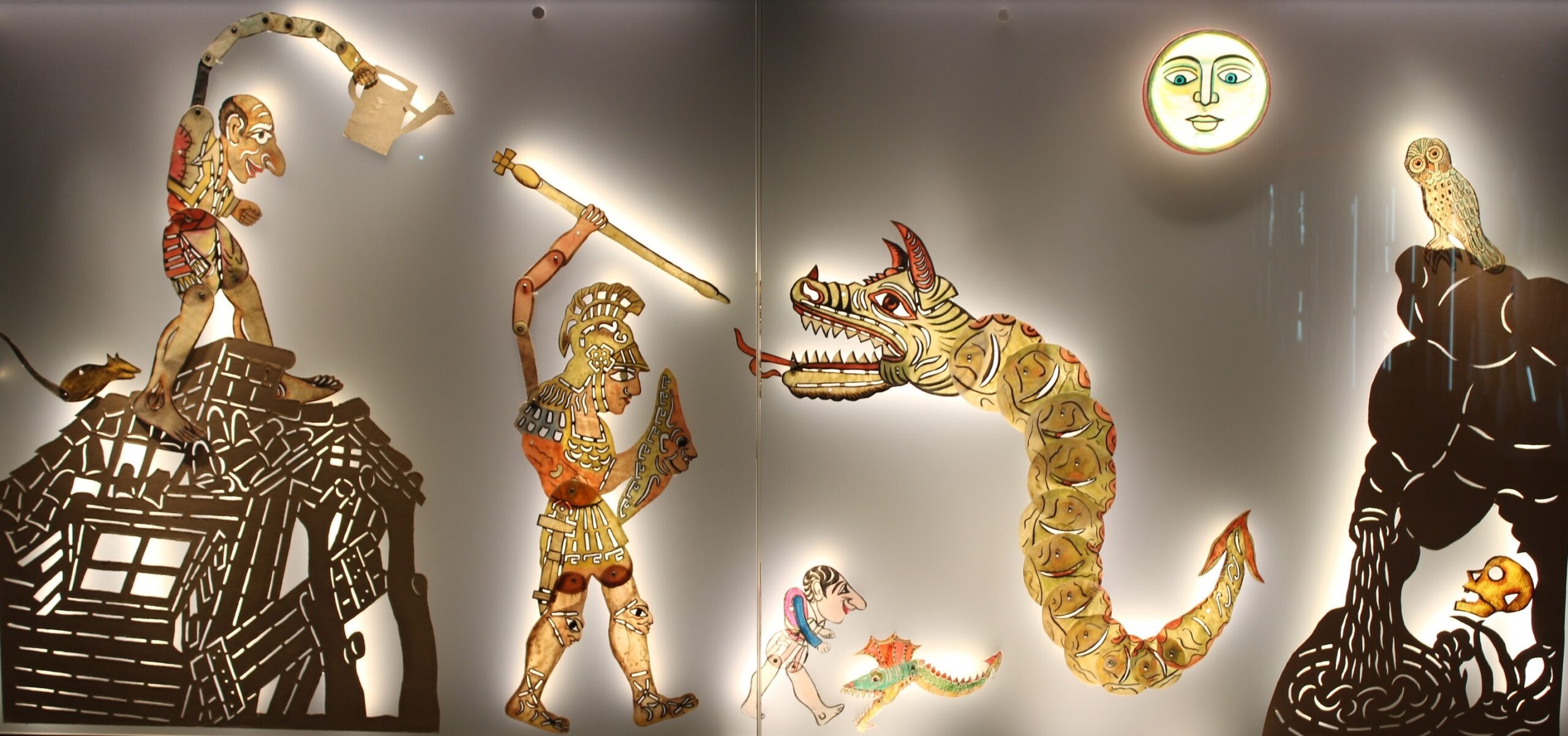
It is difficult to pinpoint the exact origin of shadow theatre, since it’s been intricately entwined with so many different cultures, yet all theories converge on its first appearing in Asia.