
Stories
Read interesting stories on history, arts, cuisine and contemporary lifestyle. Follow historic routes and celebrate the timeless essence of Greek culture.

Gastronomy is not a stagnant, unchanging practice and the island of Mykonos has certainly proven that to be true, bringing haute cuisine to the forefront before anyone else. Luckily some traditions still hold fast, if only among locals.

Carved from marble or modelled in clay, priestesses or goddesses lending their shapely silhouettes to votive offerings and ritual objects, female figures dominate the figurative art and pottery of prehistoric Greece.

One of the very few menhirs discovered in Greece is female and represents an exceptionally rare, early attempt to depict the human form on a monumental scale.
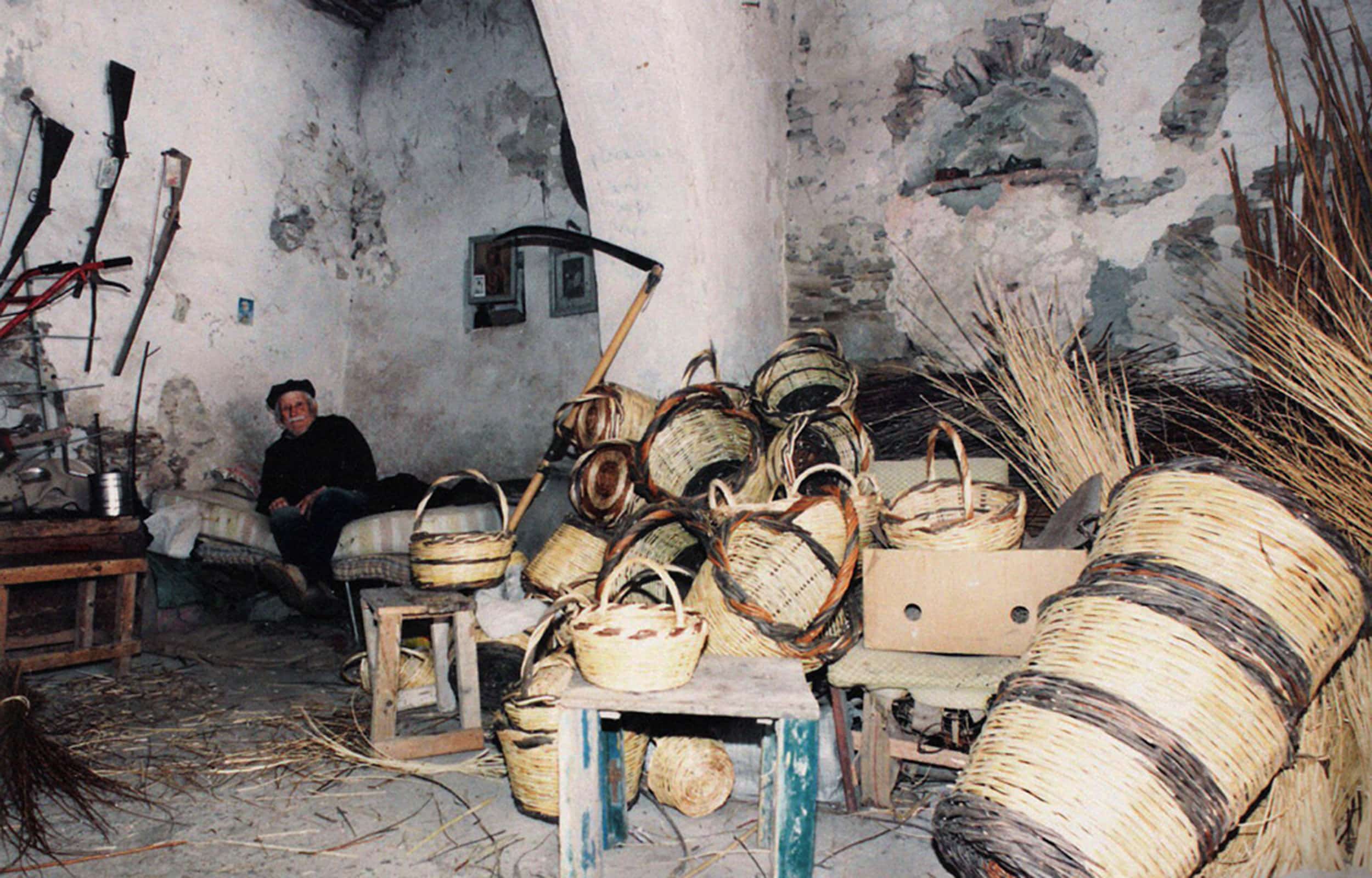
Volax, the Tinian village with the unusual name and the mysterious lunar landscape that has led to endless speculations about fallen meteorites, was once one of the most important basket-weaving centers in Greece.
The Kore of Thera: One of the great mysteries of Greek archaeology

A century after the systematic excavation of the cemetery of Ancient Thera, the distinguished Santorini-born archaeologist Charalambos Sigalas made an extraordinary discovery just a few centimetres beneath the surface of the earth.
Rineia: The island that time forgot

Rineia, big sister to Delos, is four times its size and a lot less likely to receive tourists, as it is currently the only part of the Municipality of Mykonos that has been protected against the influence of the outside world.
Routes

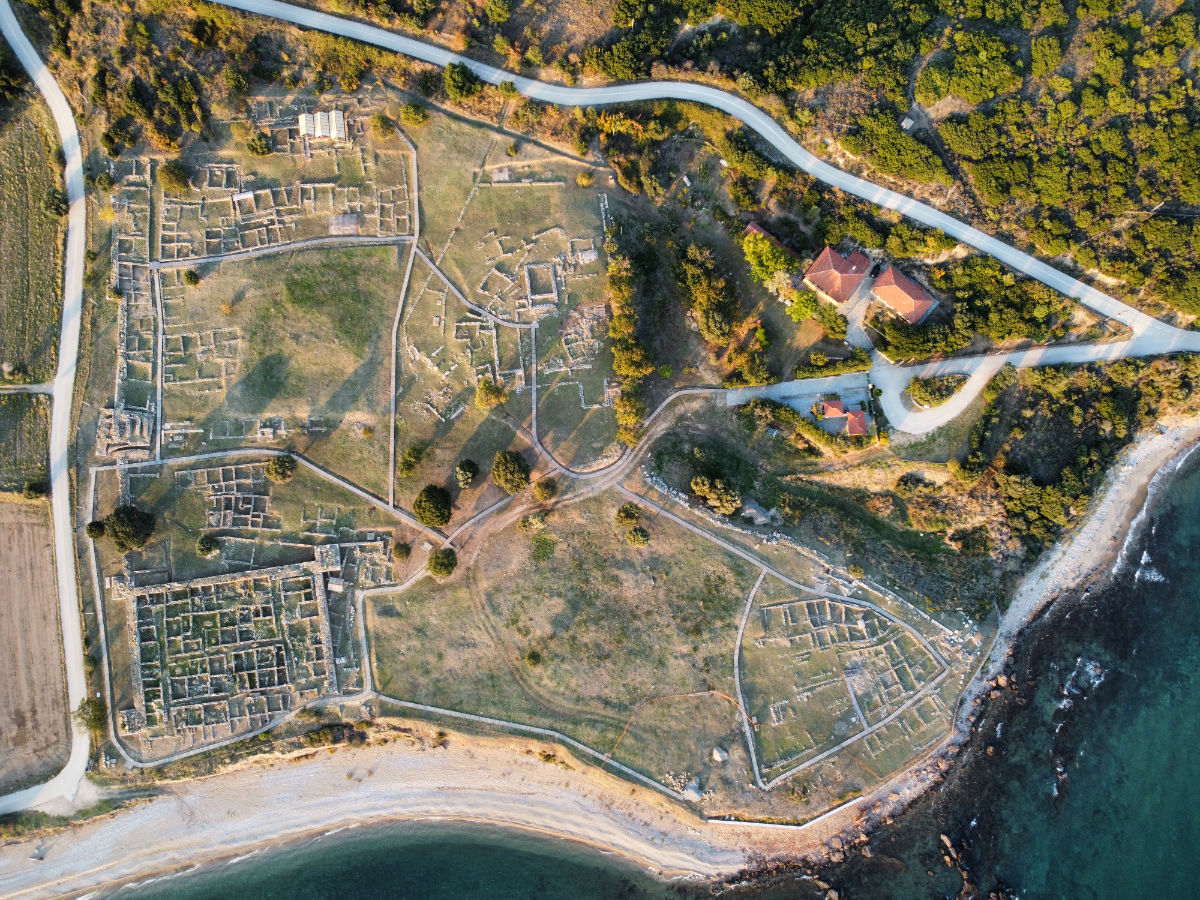
Before and after Epidaurus: Nafplion, Argos and Mycenae

Before and after Epidaurus: Nafplion, Argos and Mycenae
Our stories, everywhere

The Greek Karagiozis
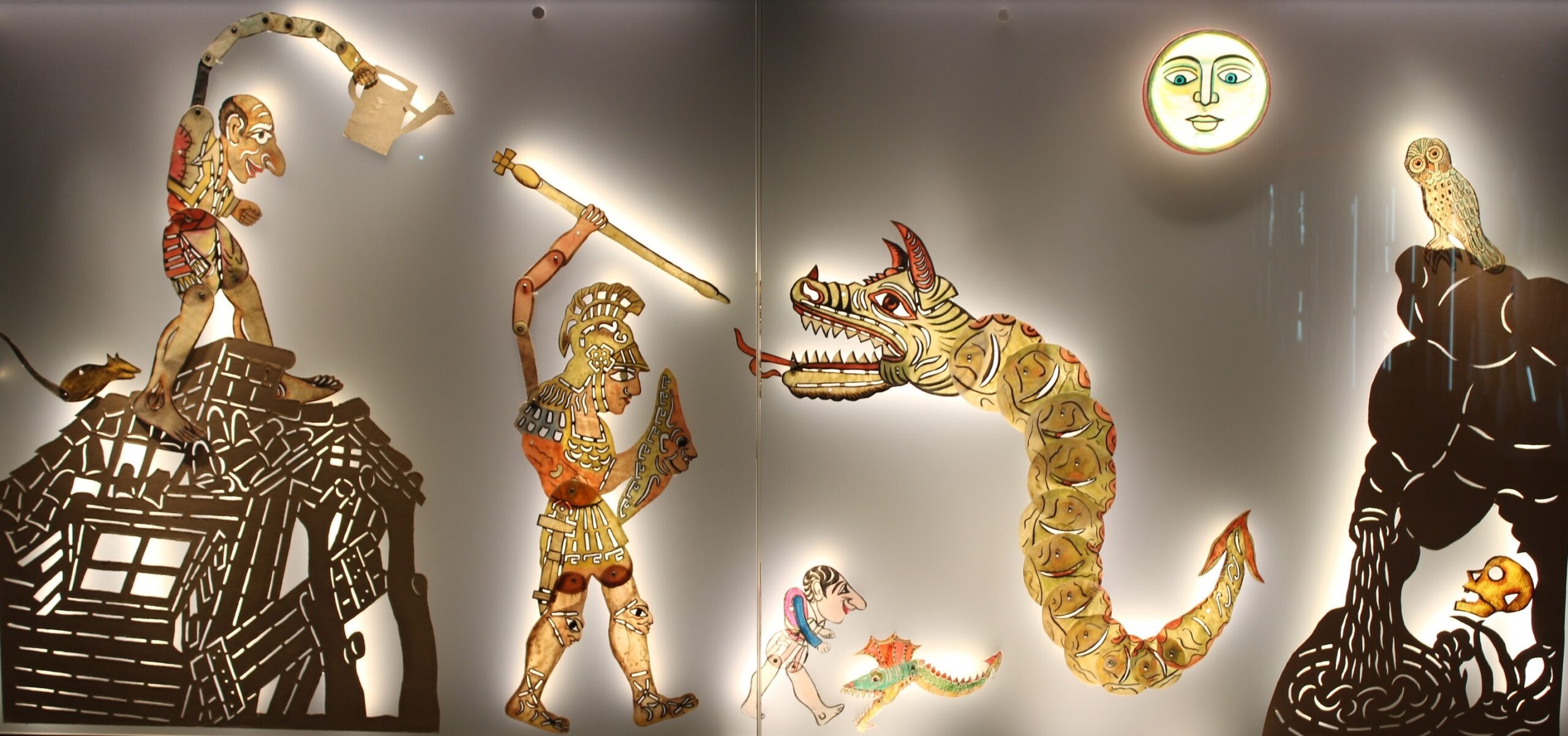
It is difficult to pinpoint the exact origin of shadow theatre, since it’s been intricately entwined with so many different cultures, yet all theories converge on its first appearing in Asia.
The wives of Philip II of Macedon

Although most people are likely to recognise the name Olympias, the Epirote princess and Alexander the Great’s mother, very few people realise that Philip II, despite dying at the young age of forty-six, is believed to have entered into no less than seven marriages in the effort to strengthen the kingdom of Macedon through political alliances.
Iphigenia in black and white
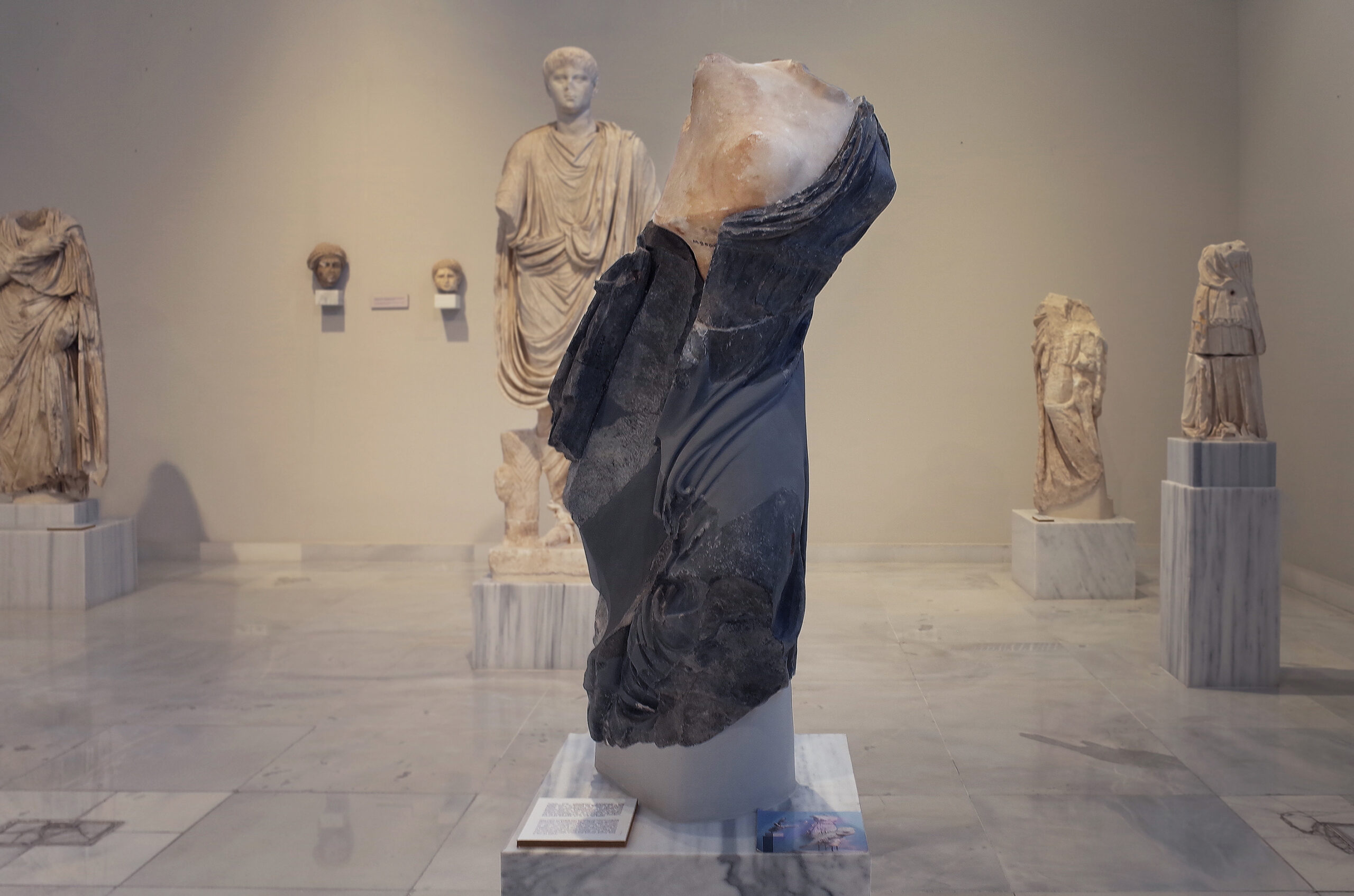
The statue of Iphigenia – a female figure in flight – may not be the most famous exhibit of the Archaeological Museum of Pythagoreio in Samos, but it is a rare example of hybrid sculpture well worth seeing in person.
The unconventional Kouros of Palaikastro

The undisputed centrepiece of the Archaeological Museum of Sitia is unlike any other discovered to date: a diminutive chryselephantine statue of a young man, rightfully considered one of the most extraordinary masterpieces of Minoan art.
The Phaistos Disc: An eternal enigma
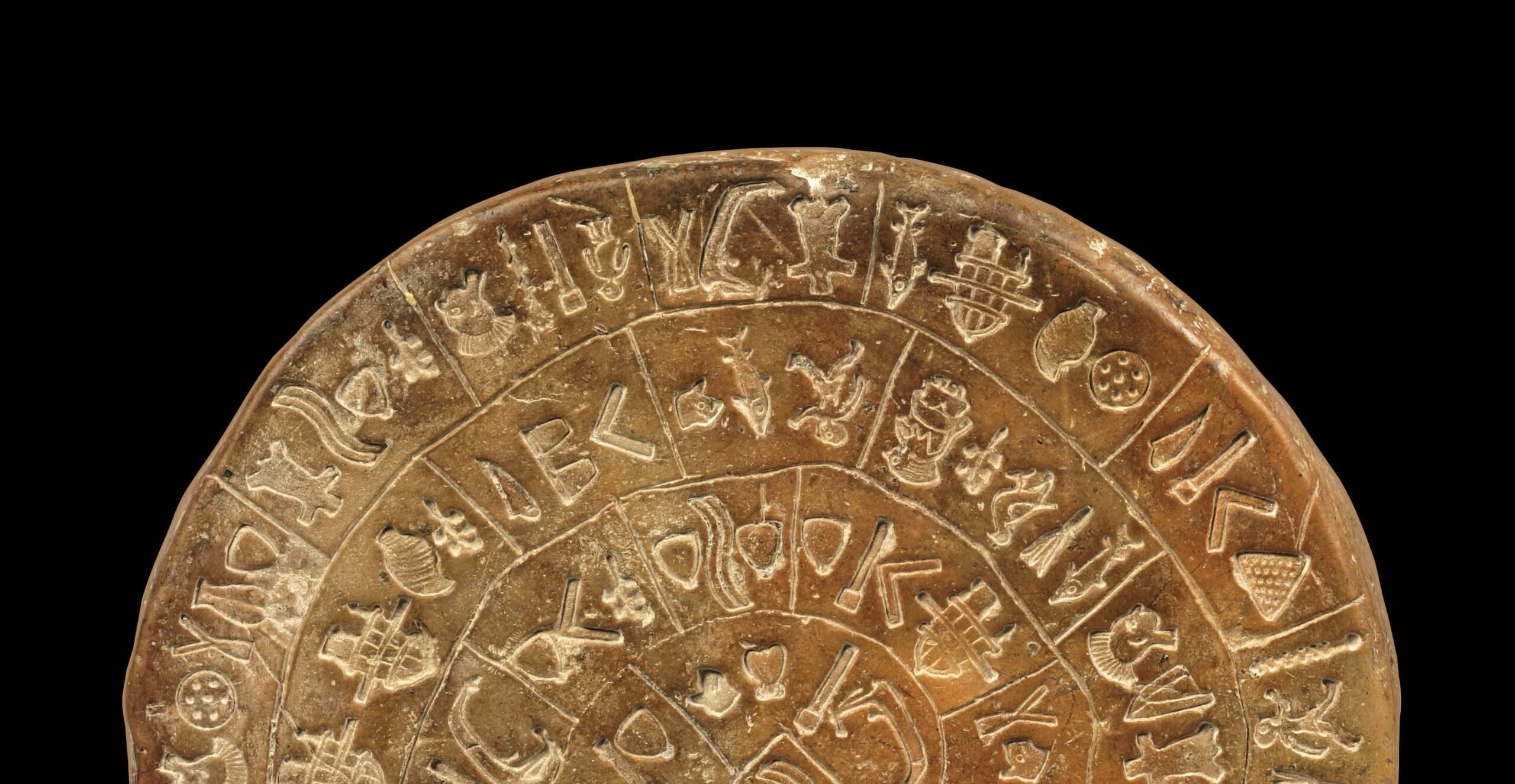
The Phaistos Disc is not just one of the most iconic discoveries of the Minoan civilization, but also one of the most enigmatic, with countless theories attempting to decipher its content.
The Antikythera Mechanism: The world’s first analog “computer”

The Antikythera Mechanism does not give away its secrets all at once. It would actually be pretty easy to pass it up while walking around a museum, since it is not the most visually stunning find recovered from the famous Antikythera shipwreck.
Mastic: Nature’s tears
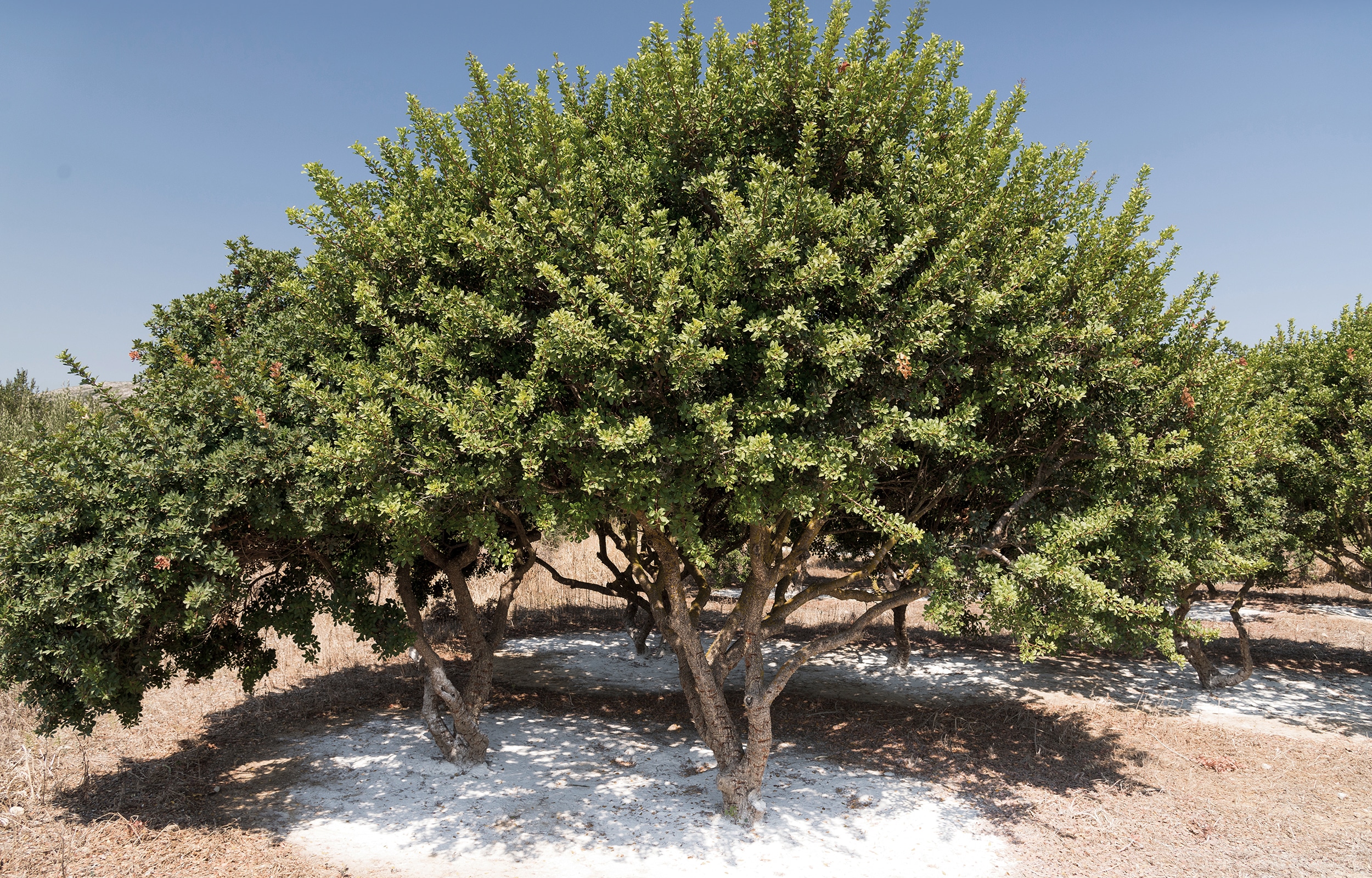
The aromatic tears of a unique variety of mastic tree have been linked to the cultural identity of southern Chios for centuries, as it happens to be the only place in the world where mastic is systematically produced.
Carob: From humble animal feed to modern superfood
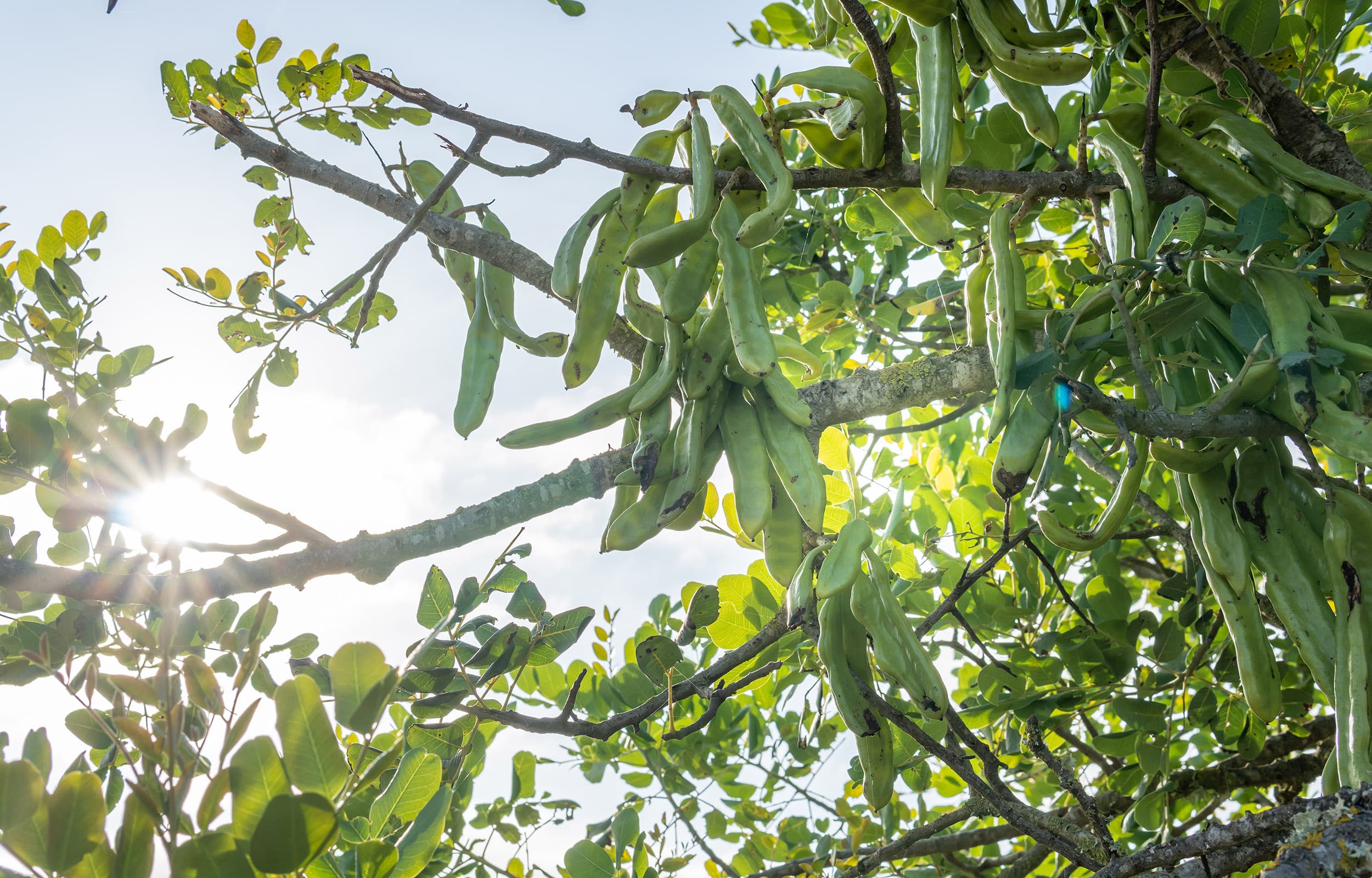
Dominant in the wild Cretan landscape, the carob tree aspires to play an important role on the Mediterranean table, ushering traditional forms of agricultural cultivation back into the spotlight.
A woman possessed: The deviant burial of high-born Neiko
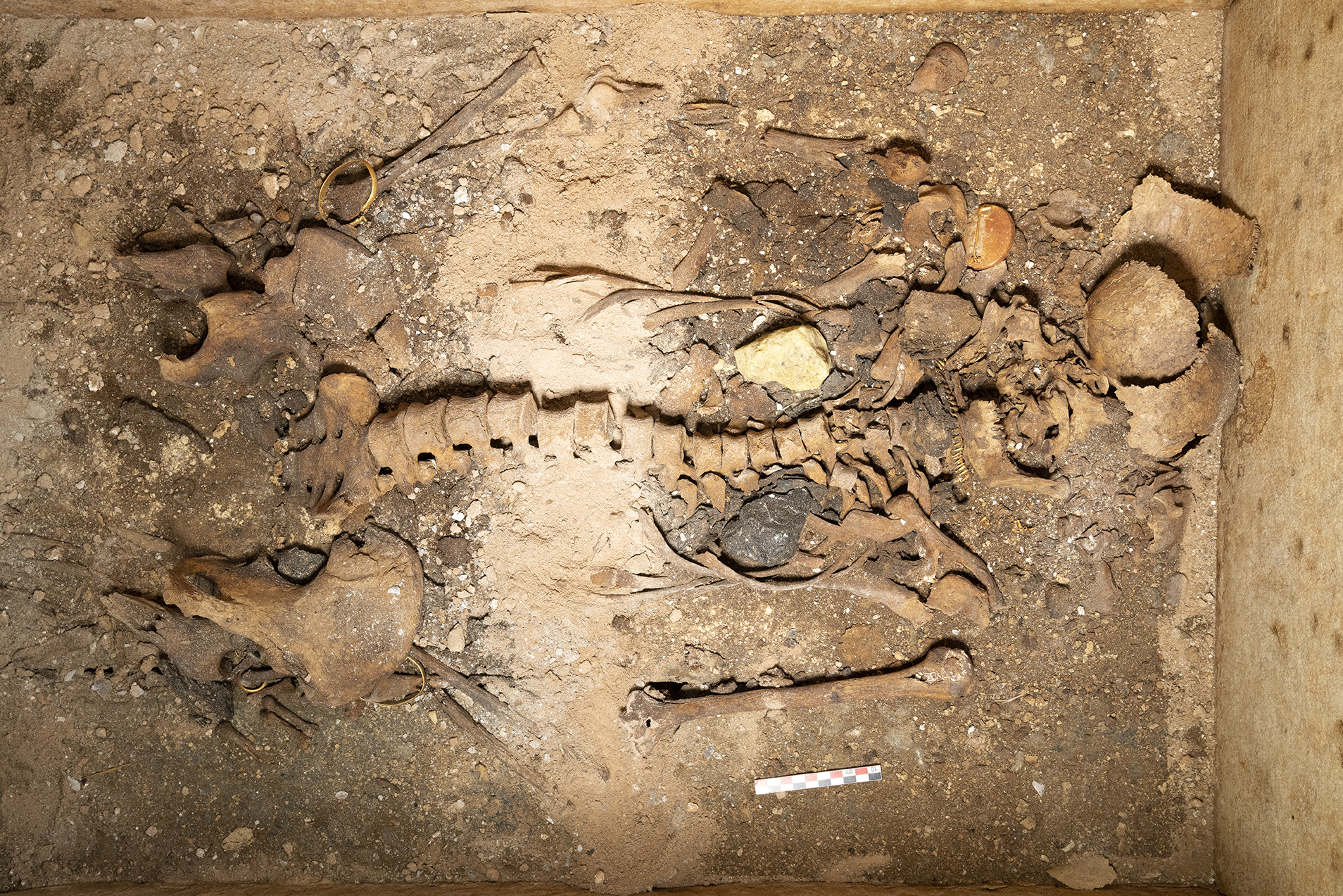
Episkopi of Sikinos, a unique palimpsest monument in almost constant use from the 3rd century AD straight through to the present day, revealed its greatest and darkest secret during the restoration works of 2018.
The art of basket weaving in Volax
Volax, the Tinian village with the unusual name and the mysterious lunar landscape that has led to endless speculations about fallen meteorites, was once one of the most important basket-weaving centers in Greece.
A 2,000-year-old mummy at the Archaeological Museum of Thessaloniki
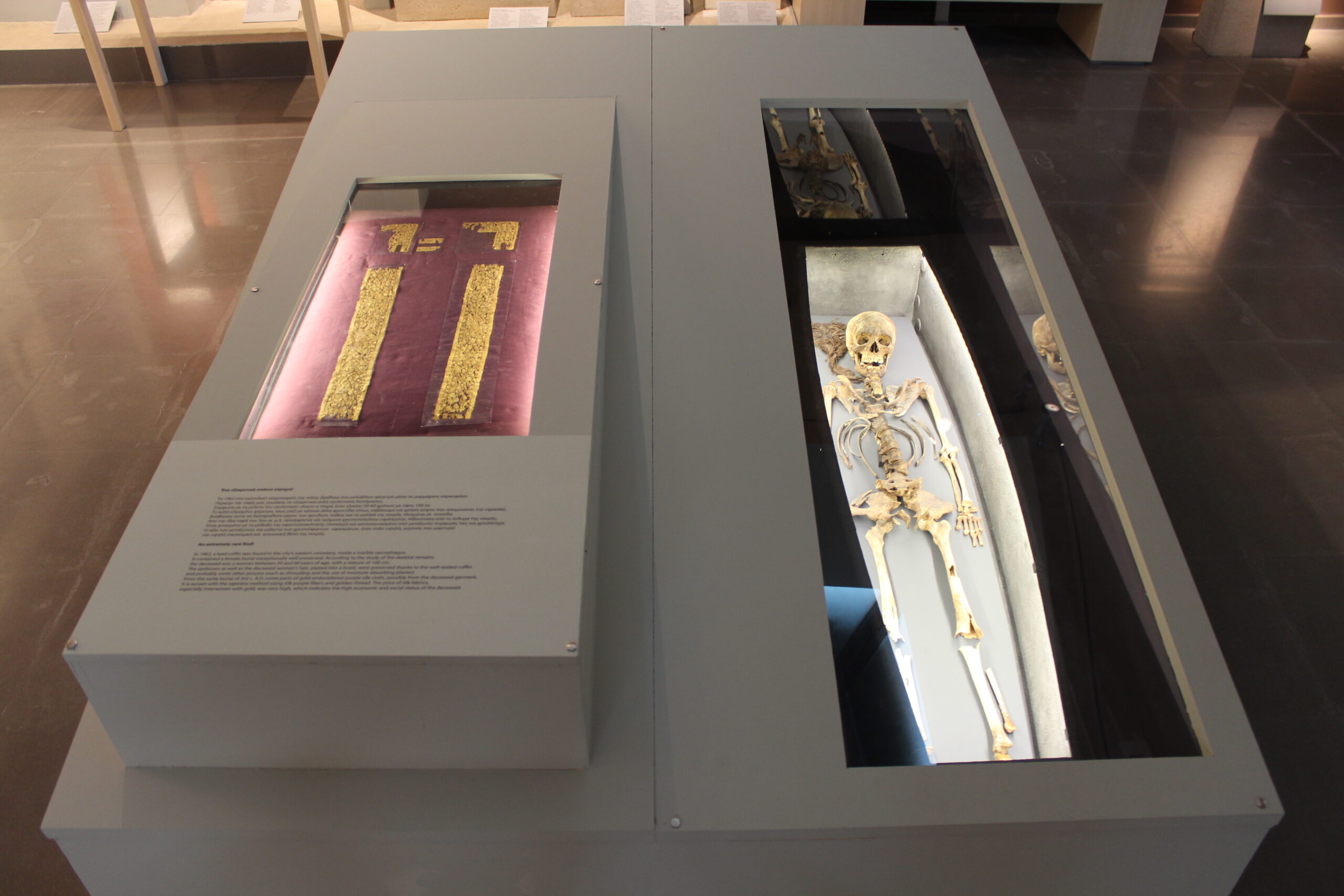
The story of a female mummy from the 4th century AD – with her chestnut braid still intact and a gold-embroidered silk fabric accompanying her on her eternal journey – reveals an exceptionally rare discovery for the Hellenic world.
The incredible adventures of the Lion of Cythera
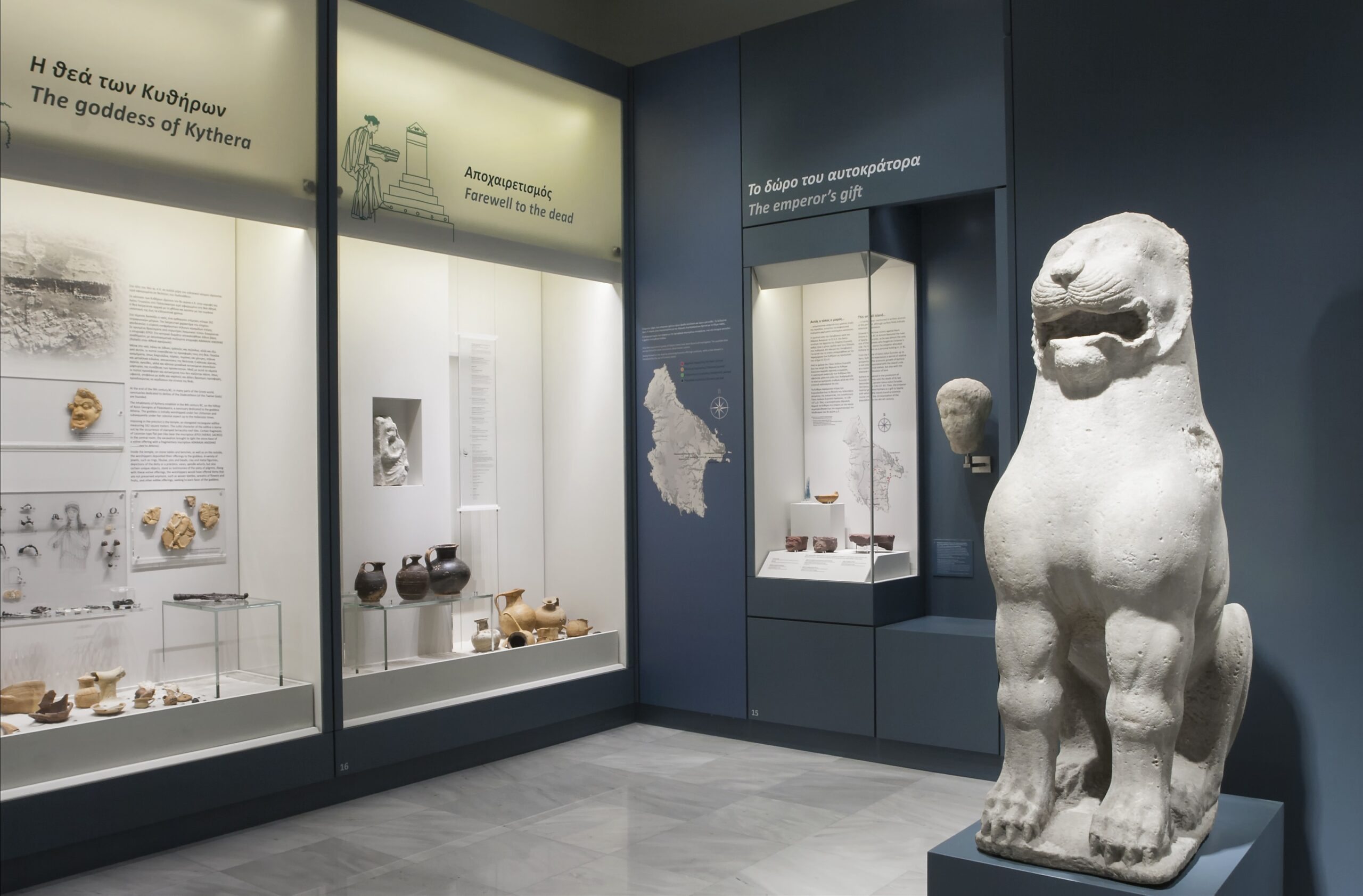
The powerful marble archaic lion that dominates the Archaeological Museum of Cythera has endured a true odyssey – changing hands and homes many times over before finally finding a permanent shelter.
The Kouros of Samos, the great survivor
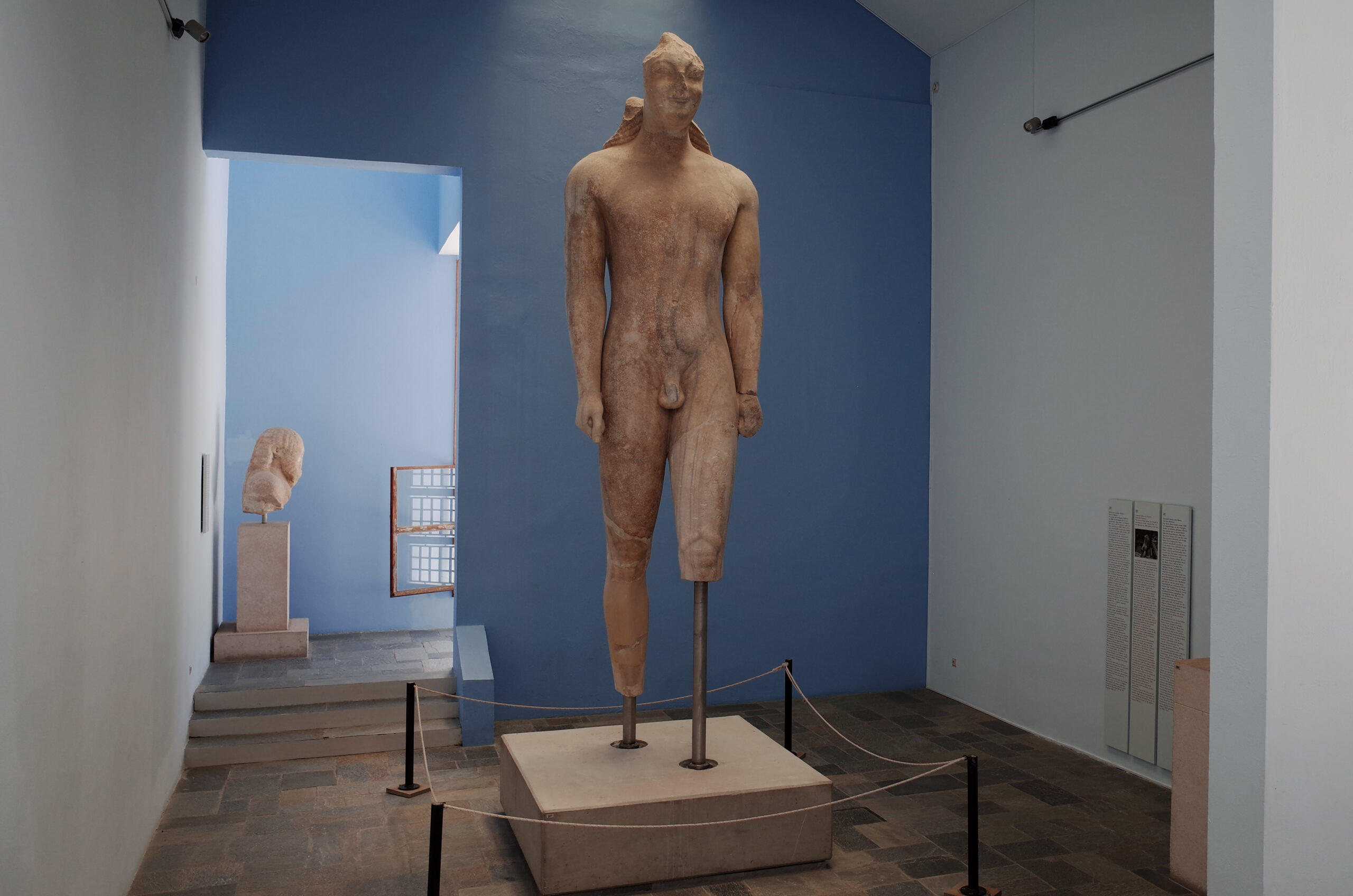
The colossal Kouros of Samos, rising to nearly 5 meters (4.80 to be precise), is the largest of its type to have survived almost intact to this day.
The unparalleled splendor of the Derveni Crater
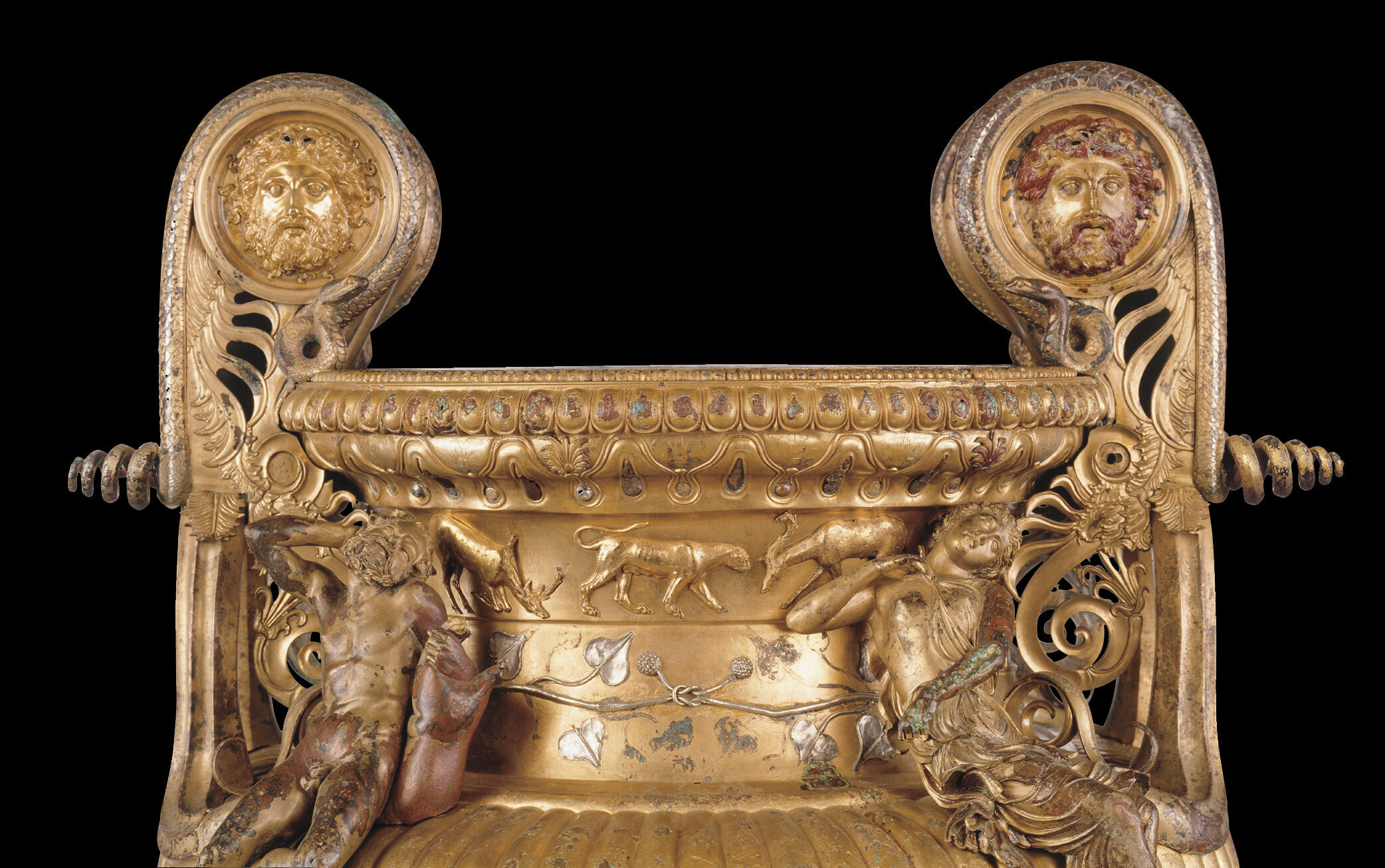
The undisputed masterpiece of the Archaeological Museum of Thessaloniki fully deserves its reputation as one of the most important works of ancient bronze craftsmanship – though nothing compares to the experience of seeing it in person.
The Antikythera Ephebe and the Roman Empire
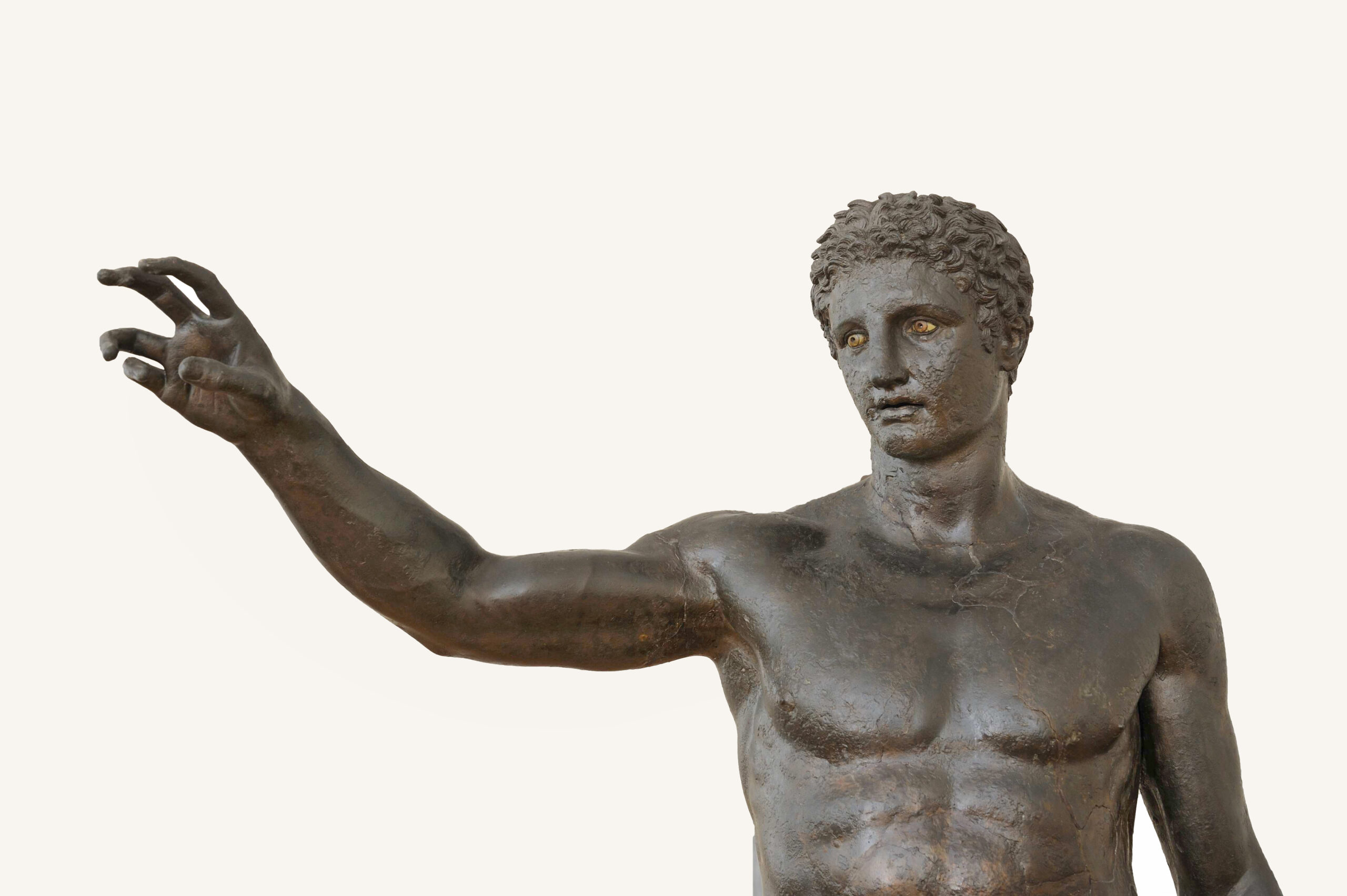
Few people know that most ancient Greek sculptures were actually cast in bronze. But bronze was a precious metal that lived many lives and tended to be reused over and over again, so many of those statues did not survive the passage of time.
The dry-stone landscape of Tinos, a living monument
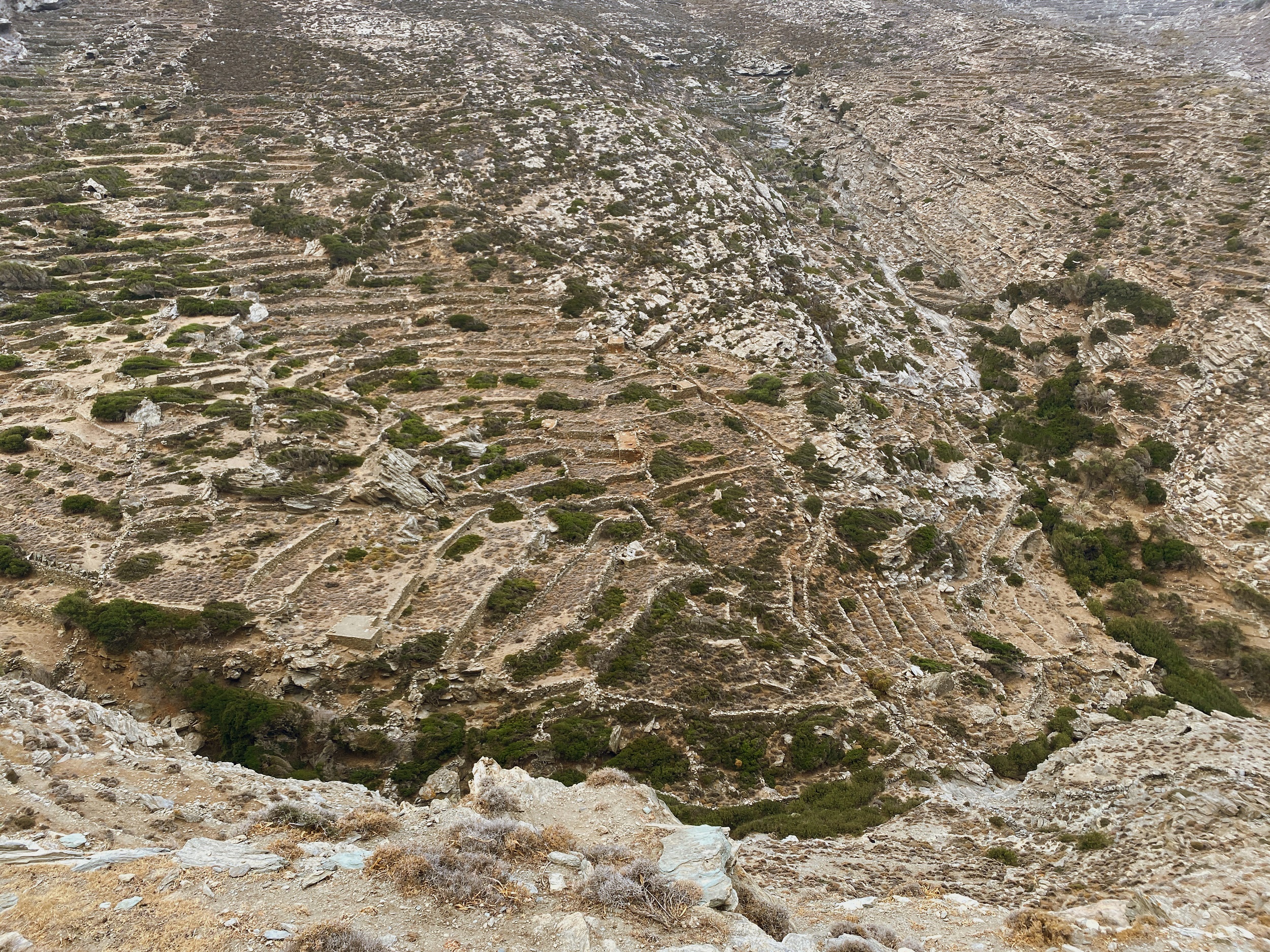
The rural landscape of Tinos is unique in the Aegean, as it represents one of the most intensively cultivated terrains in the Cyclades.
The celebrated ladies of Greek prehistory
Carved from marble or modelled in clay, priestesses or goddesses lending their shapely silhouettes to votive offerings and ritual objects, female figures dominate the figurative art and pottery of prehistoric Greece, from the islands of the Aegean all the way to Minoan Crete.
The well-guarded secrets of producing an exact museum copy
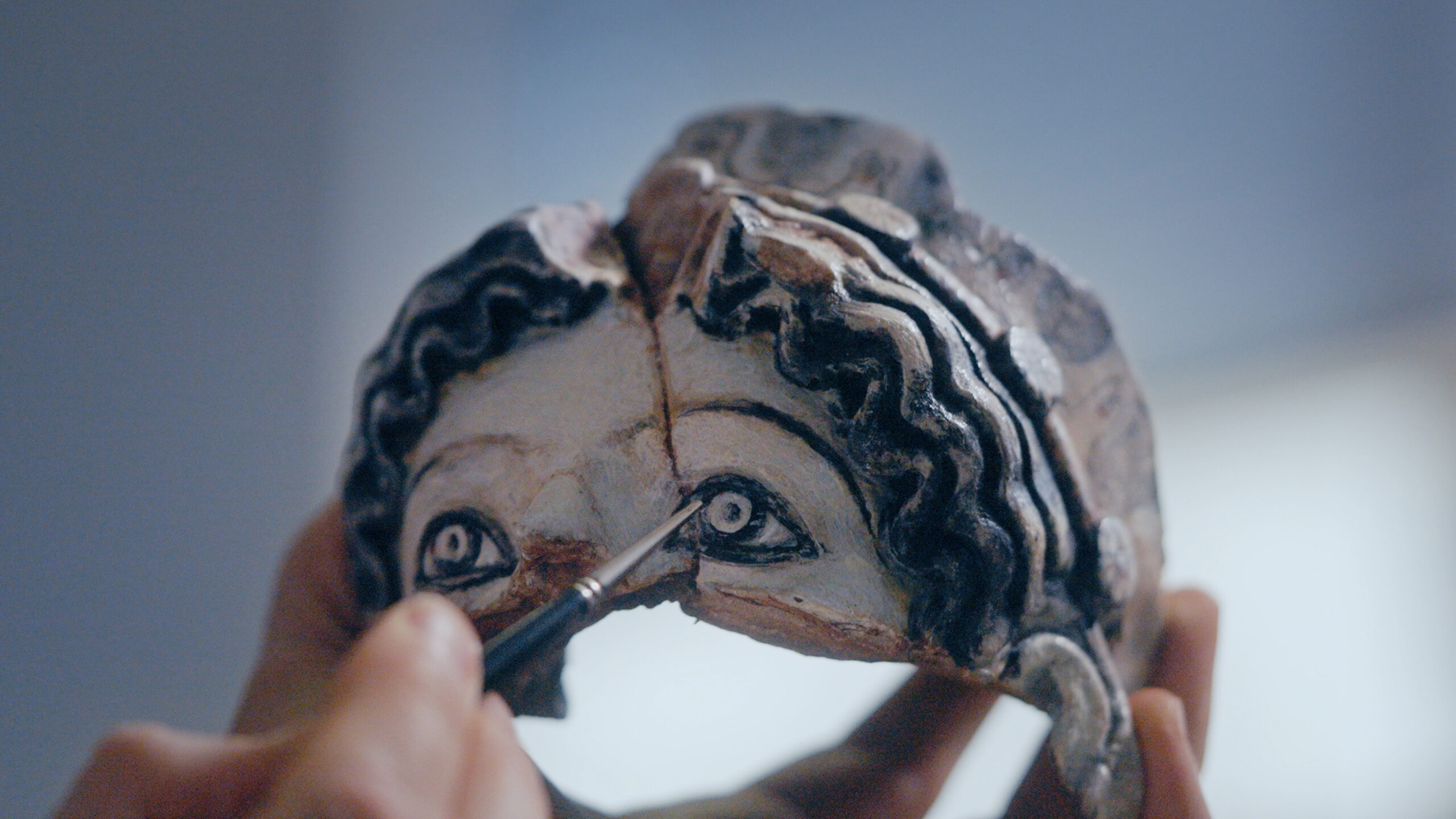
How are exact copies of emblematic museum exhibits made and what do we need to know about this clandestine process? What separates the good from the bad and what makes an exact copy a stand-alone work of art?
From Asterix to Prehistoric Greece: A menhir at the Diachronic Museum of Larissa
One of the very few menhirs discovered in Greece is female and represents an exceptionally rare, early attempt to depict the human form on a monumental scale.