Iconic Rhodes
The storied island of Rhodes, once presided upon by the Colossus of Rhodes, one of the Seven Wonders of the Ancient World, is still home to breathtaking monuments that span the centuries, from antiquity to the Middle Ages.
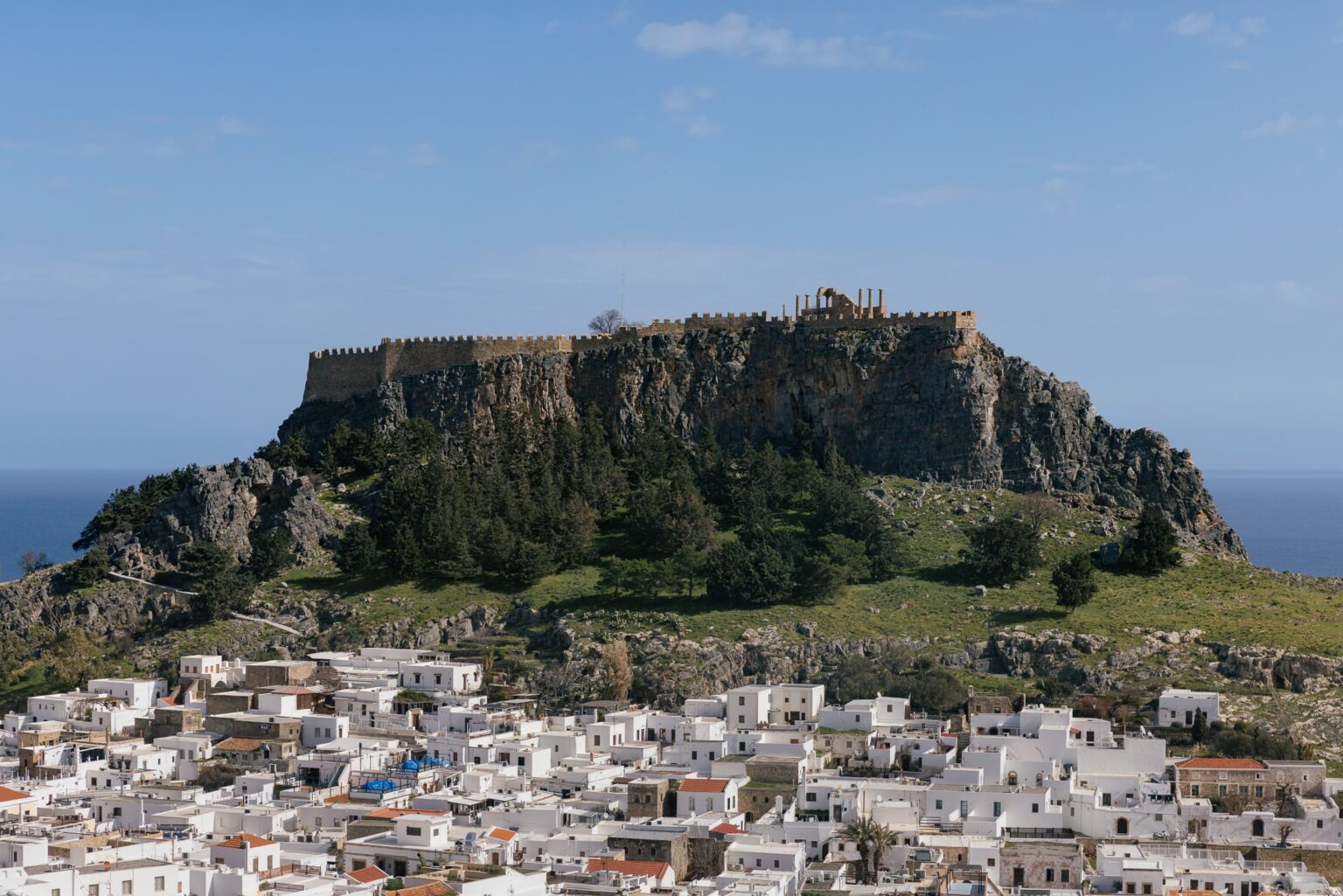
Being the capital of the Dodecanese and Greece’s fourth-largest island, Rhodes has both the magnitude and the historical diversity to encompass a wealth of fact and myth stretching back to antiquity, culminating in its crown jewel, the magnificent city of Lindos. One of the island’s ancient city-states and a participant in the Trojan War, Lindos has preserved its timeless beauty thanks to a remarkably well-preserved acropolis, which seems to reach towards the sky. Along with Kamiros and Ialysos, it formed one of the three great city-states of ancient Rhodes.
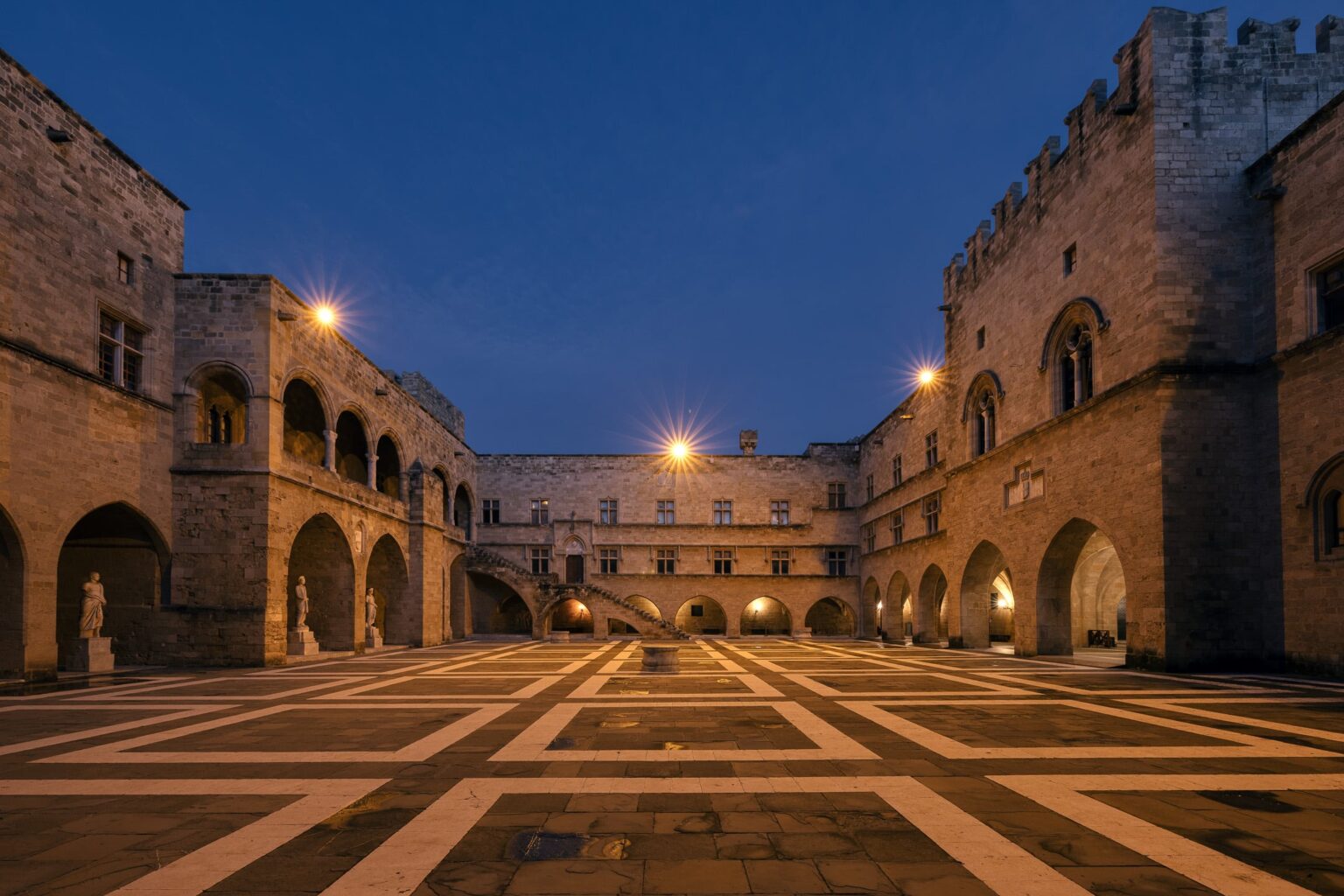
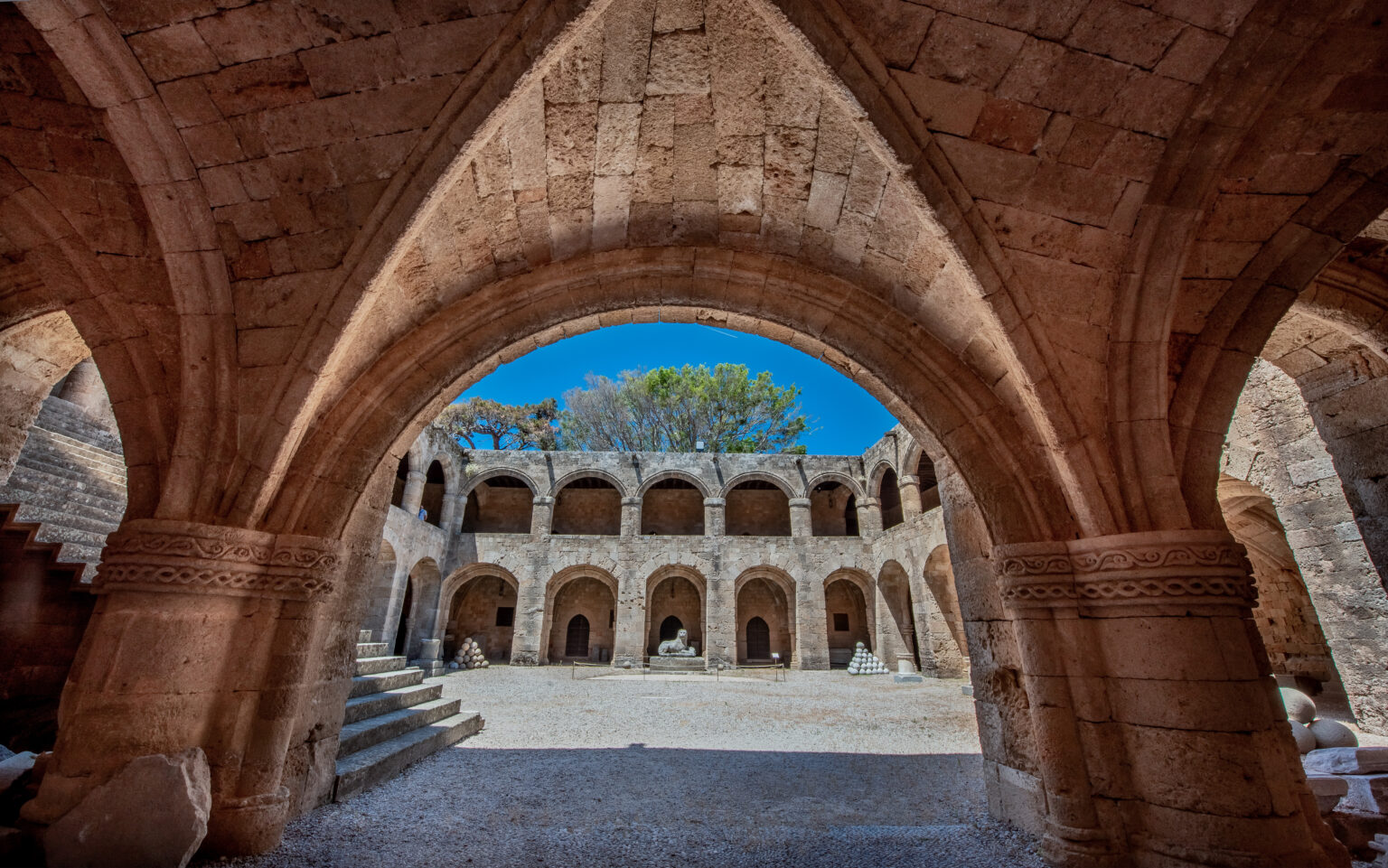
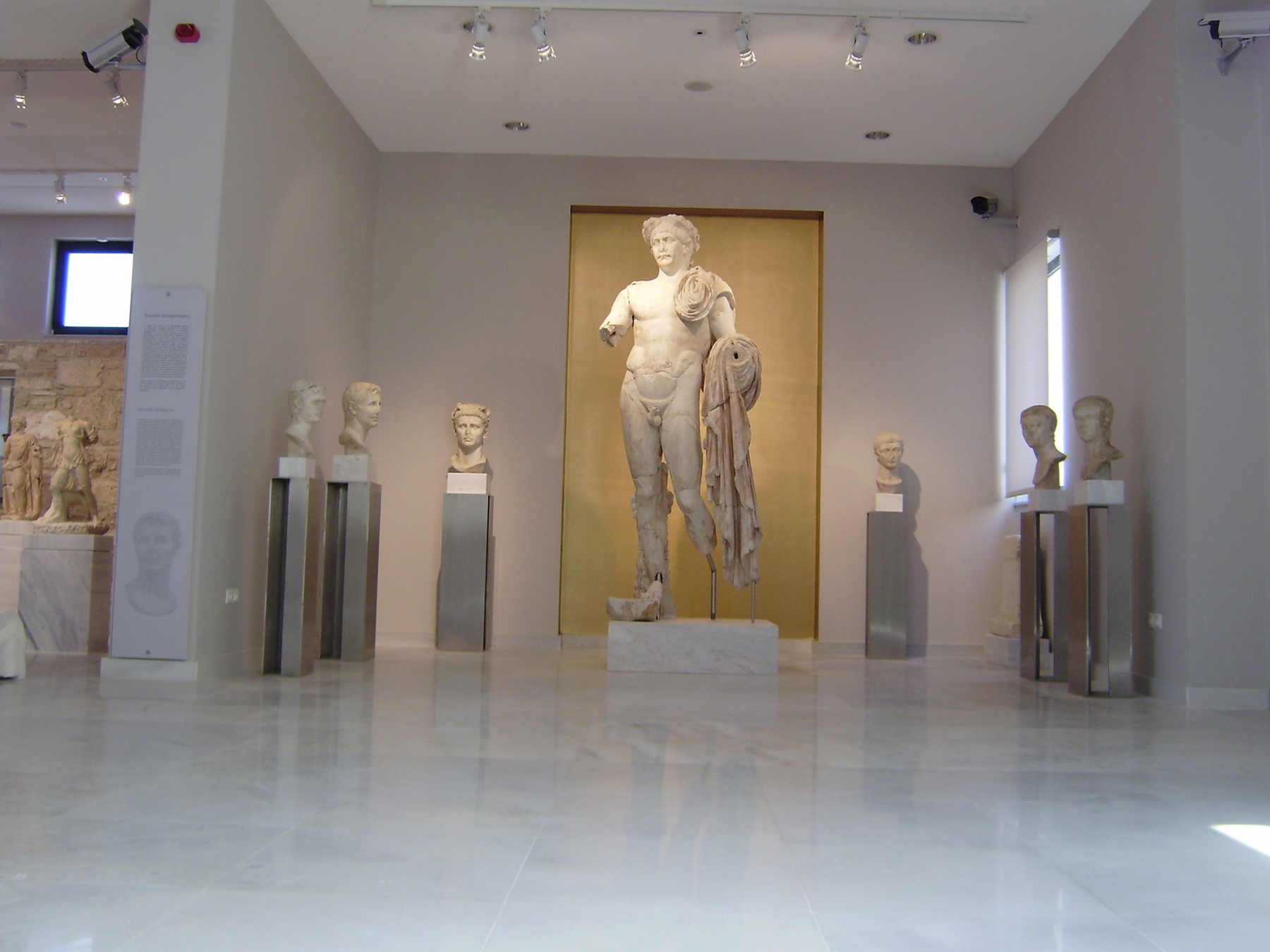
The Archaeological Museum of Rhodes not only houses outstanding finds from the Geometric, Classical and Hellenistic periods but is itself located within the former Hospital of the Knights Hospitaller, an architectural masterpiece that opens the island’s great medieval chapter. The Palace of the Grand Master, once the residence of the Order’s ruler, exerts irresistible charm, drawing visitors into its magnificent interior, faithfully restored to reflect the vision of the Knights Hospitaller as they conceived it in the 14th century AD.
Rhodes Town also has its own acropolis with an elegant marble odeon, one of the few unfortified acropoleis of the ancient Greek world. Its verdant stadium completes the impression of a welcoming monumental precinct and will soon form part of a fully developed archaeological park.
1
Lindos: The emblematic city of ancient Rhodes
According to Greek mythology, Lindos was founded by the Danaids, the fifty daughters of the hero Danaus, who had fled to Egypt to escape the jealous rage of the goddess Hera. The city is also said to have taken part in the Trojan War under the leadership of Tlepolemos.
2
Kamiros: A prime example of Doric civilization
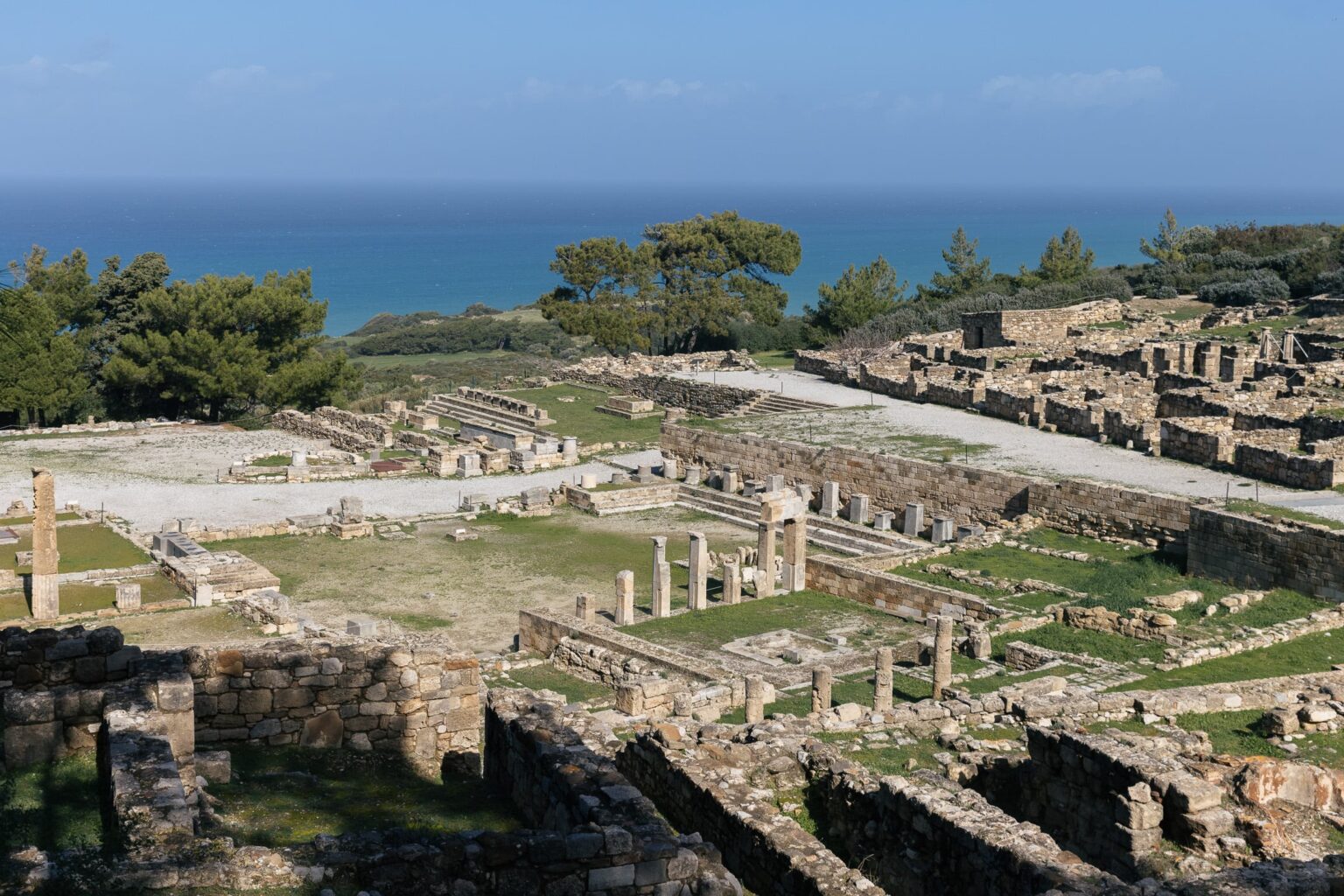
Kamiros is among the three city-states – the other two being Lindos and Ialysos – founded by the Dorians settlers on the island of Rhodes, at least according to Homer. It is located in the western part of the island.
3
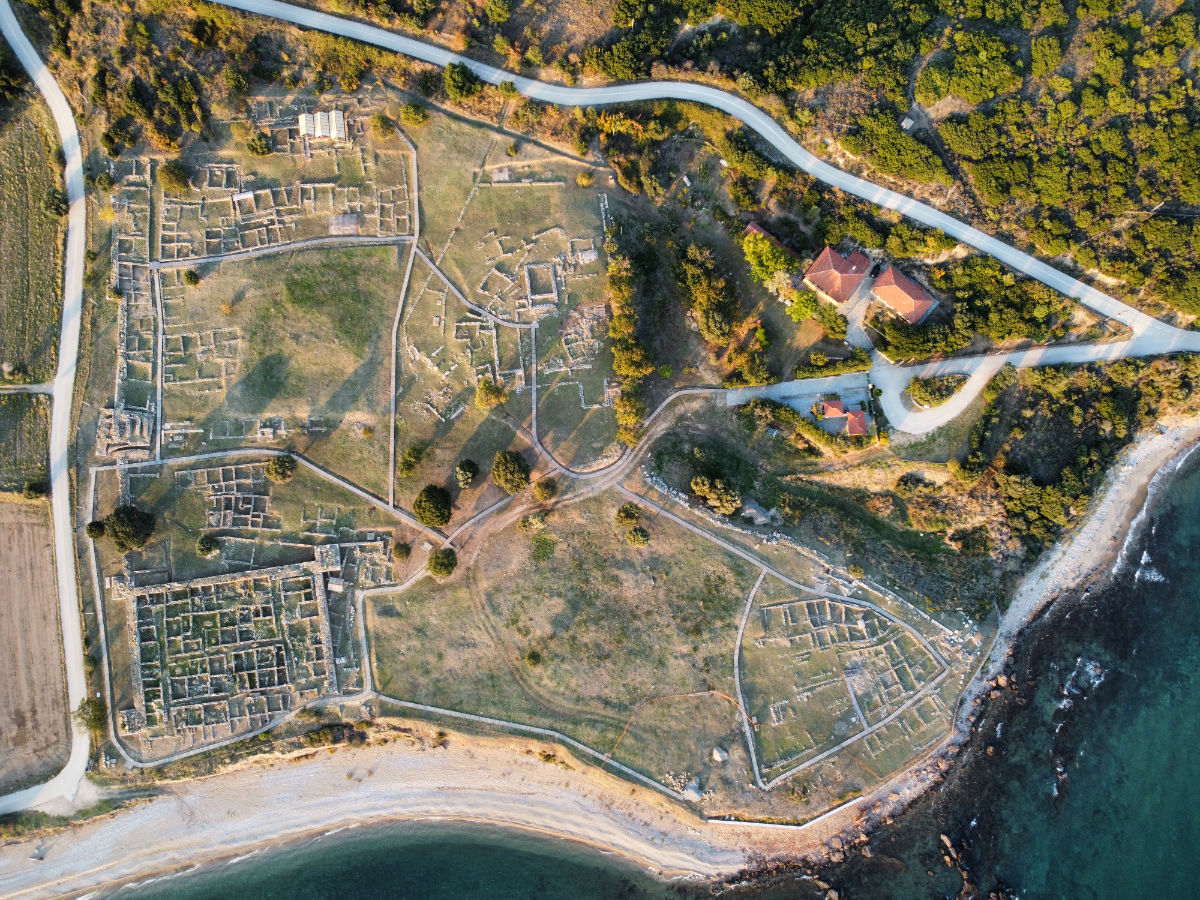
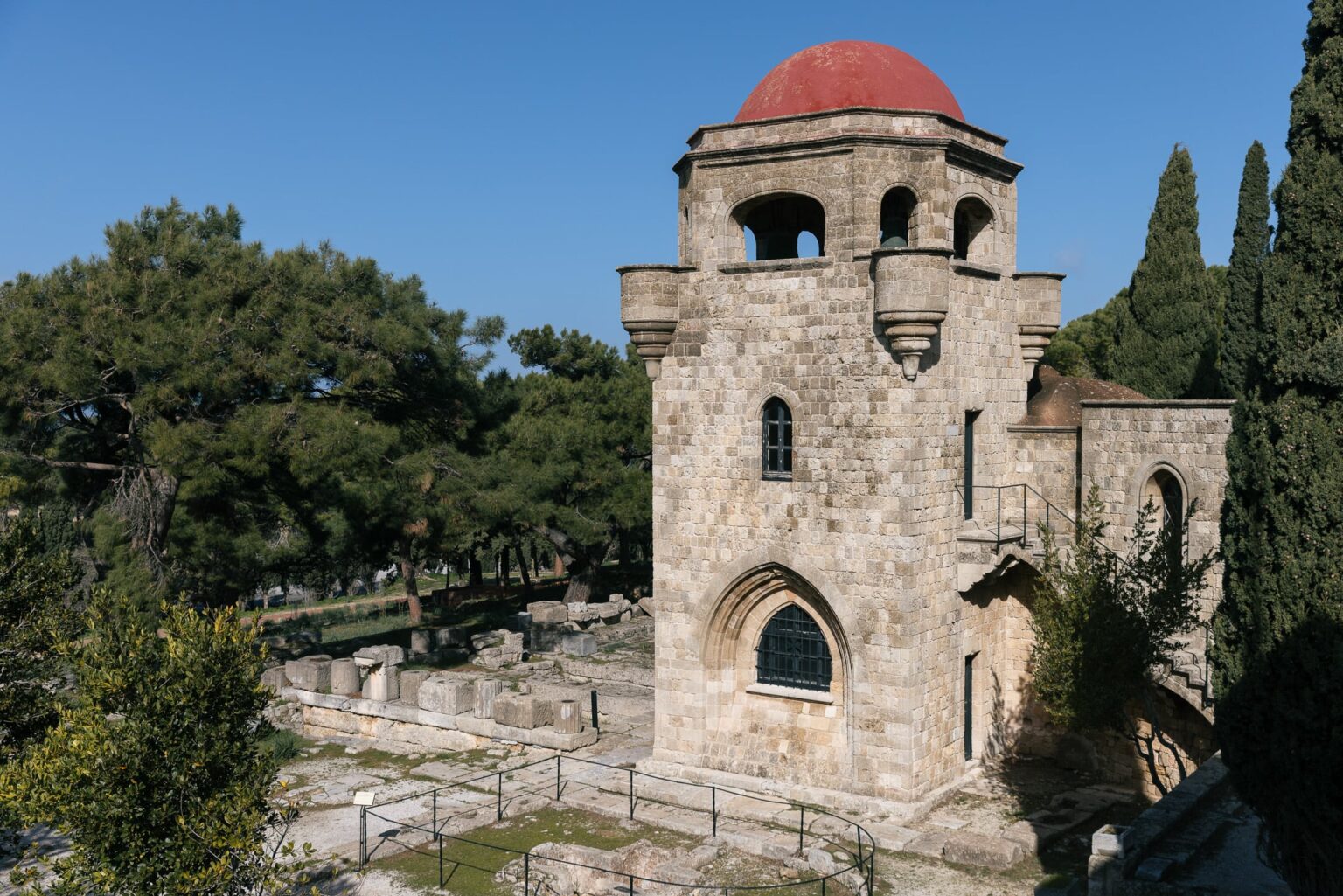
Ialysos: Where antiquity meets the Middle Ages
The ancient city of Ialysos, the second in the Rhodes city-state trifecta, was named after a mythical hero, who was supposed to be a descendant of Apollo.
4
Archaeological Museum of Rhodes: A breath of history
To penetrate into the heart of the Archaeological Museum of Rhodes, one must first push through successive veils of historical fascination.
5
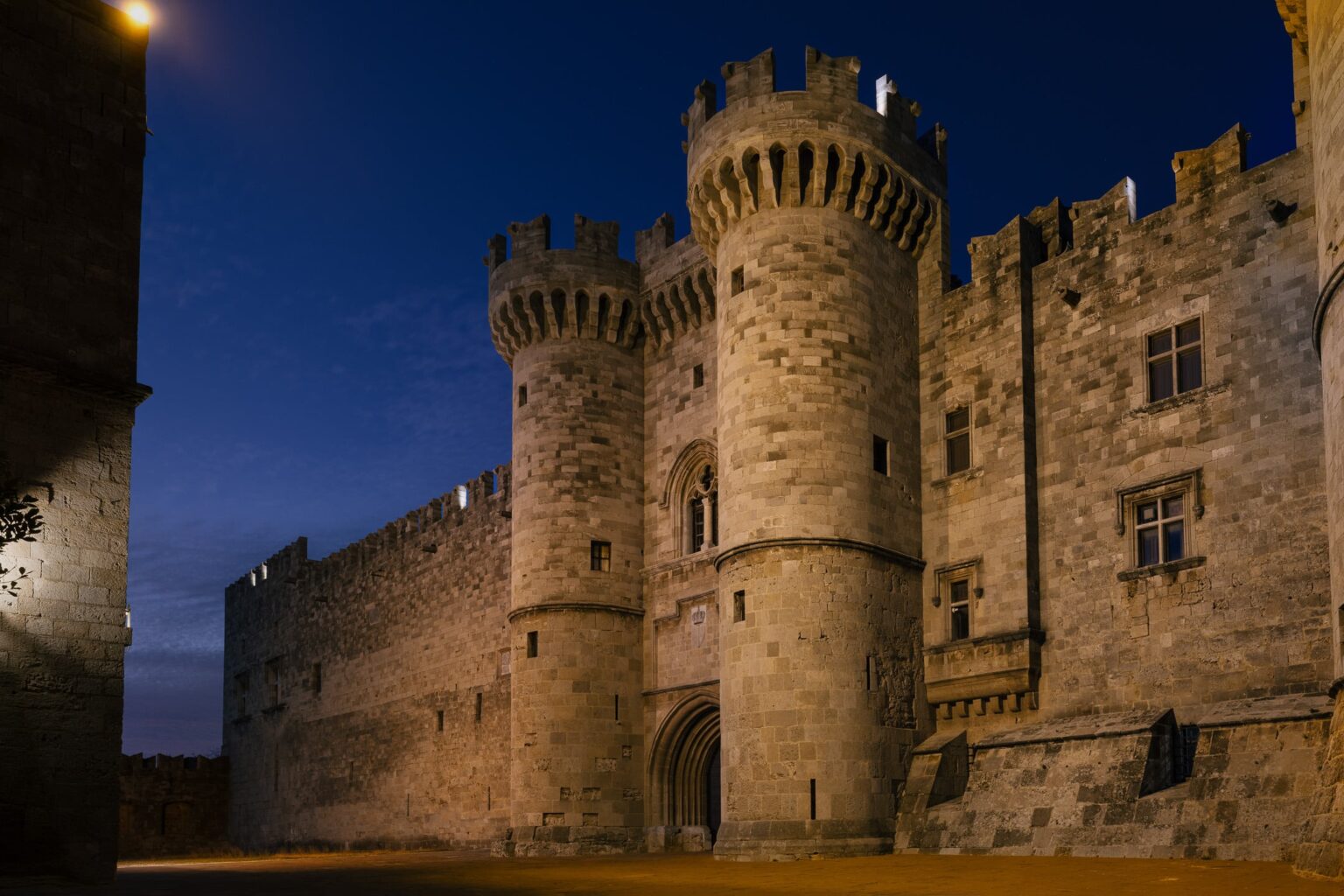
Palace of the Grand Master & Rhodes Fortification Walls: Take a step back in the time of the Knights
Seemingly impenetrable and utterly cinematic, the Palace of the Grand Master is the most captivating architectural landmark of the Medieval City of Rhodes and a characteristic example of Gothic architecture.
6
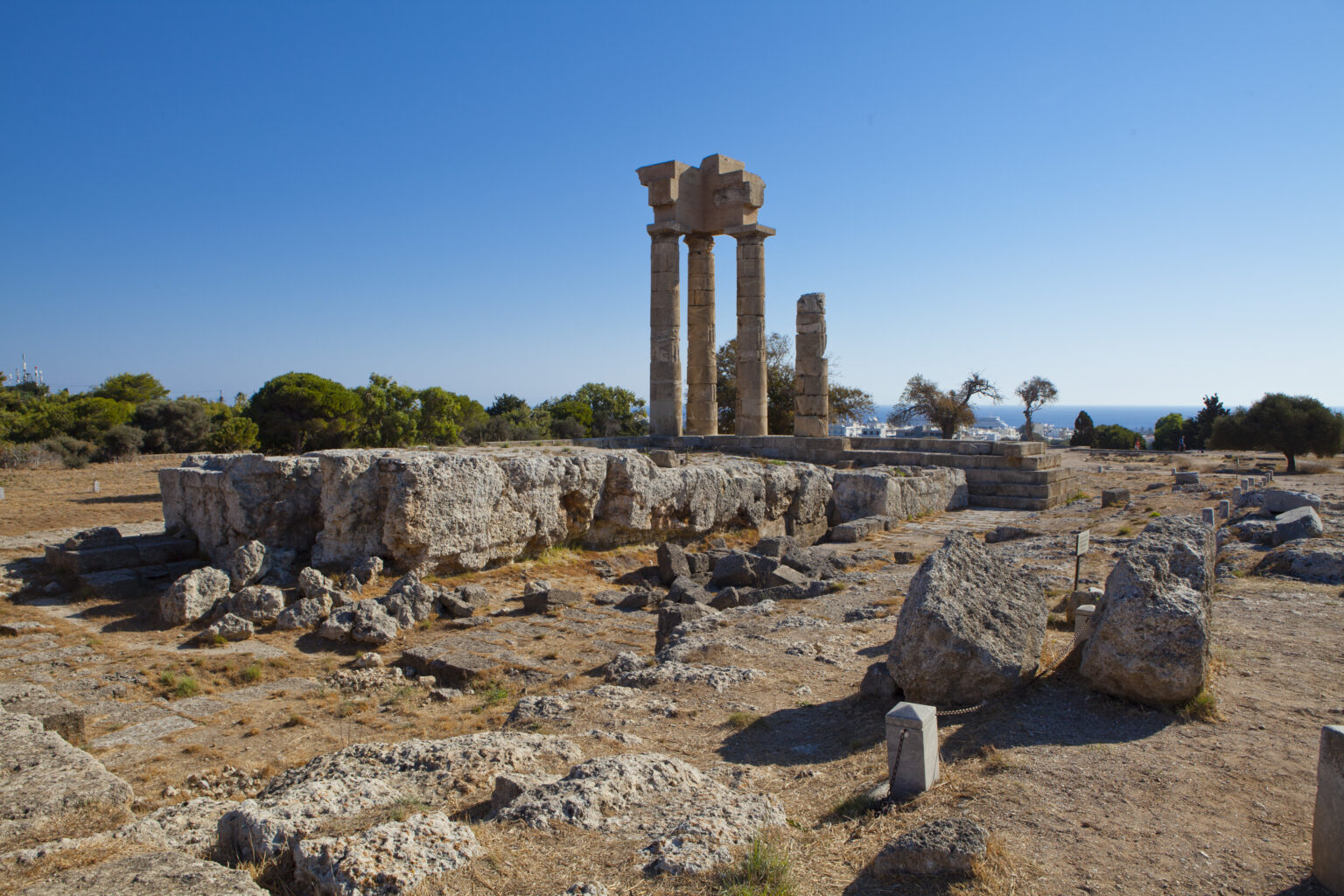
Acropolis of Rhodes: A unique monumental zone
The Acropolis of Rhodes dominated the western and highest part of the city and was one of the few ancient citadels that were not surrounded by fortifications.
See also
The little-known cosmopolitan side of ancient Samos
The little-known cosmopolitan side of ancient Samos
Before and after Epidaurus: Nafplion, Argos and Mycenae