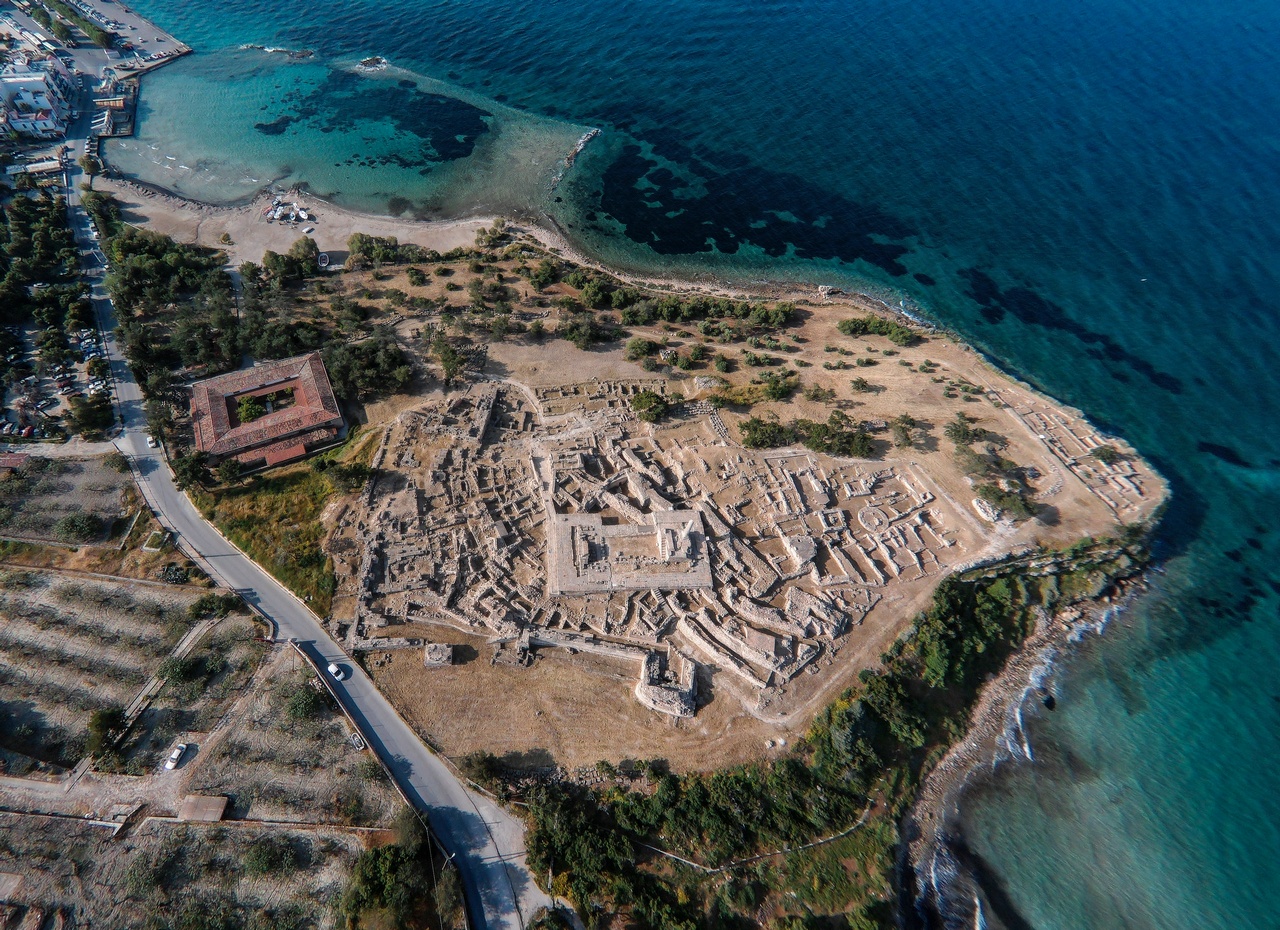


On the Hill of Kolona, in Aegina, stands the sole surviving architectural element of the Doric Temple of Apollo, proudly reminding passersby of the island’s illustrious past.
Aegina was inhabited from as early as the Neolithic period, with the location of the island’s prehistoric settlement being identified with that of this column, which now stands alone. The hill witnessed successive phases of habitation until the 7th century BC, when it was turned into a sacred place – a home of gods, not people – and became the acropolis of Aegina.


The temple of Apollo was built at the end of the 6th century BC, long before the Parthenon, mainly made of local limestone, whereas the pediments, depicting the legendary Amazonomachies, were made of Parian marble.
During the late Archaic and early Classical period, Aegina amassed wealth and fame as a result of its maritime trading activity. The hill was named “Kolona” by Venetian sailors, who used the columns of the temple as a landmark.
Access
Nikos Kazantzakis Avenue
18010, Aegina
15 minutes from the main port of Aegina
3 minutes from the main port of Aegina
Opening hours
April 1 – October 31
Mon: 10:00 – 17:30
Tue: Closed
Wed: 10:00 – 17:30
Thu: 10:00 – 17:30
Fri: 10:00 – 17:30
Sat: 10:00 – 17:30
Sun: 10:00 – 17:30
The site remains closed on the following dates and public holidays: January 1, March 25, May 1, Easter Sunday, December 25 & 26.
Tickets
Full: €10.00
Reduced: €5.00
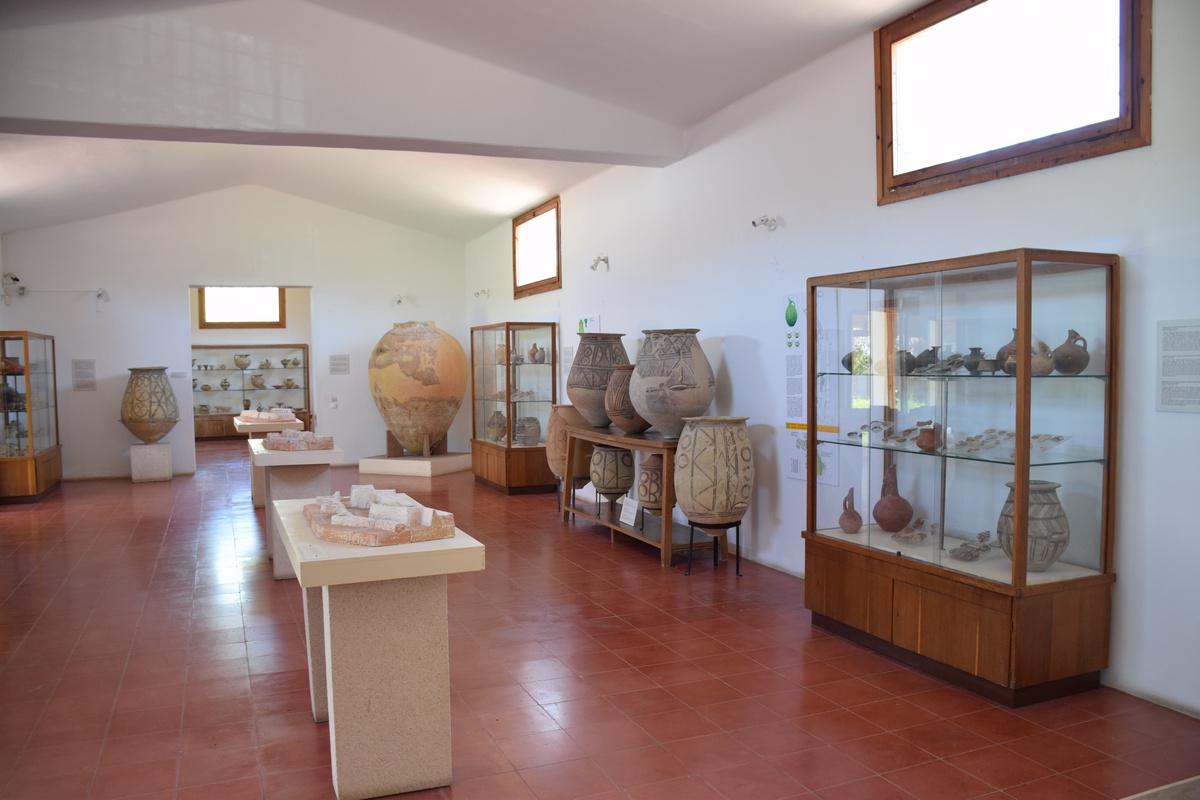
Includes access to: Archaeological Site and Archaeological Museum of Kolona, Aegina
Amenities
Contact
Archaeological Site & Museum of Kolona, Aegina
T: +30 22970 29113
Ephorate of Antiquities of Piraeus and Islands
T: +30 210 4590700
E: efapn@culture.gr